World Diabetes Day, commemorated every year on November 14, is a global occasion for people with diabetes, healthcare professionals, advocates, policymakers and the public to unite to raise awareness of and take action on diabetes.
The overarching theme for World Diabetes Day 2025 is “Diabetes and Well-being,” with a specific focus on “Diabetes and the Workplace.” This campaign aims to raise awareness about the challenges people with diabetes face in the workplace, such as stigma, discrimination, and lack of access to care. The slogan “Know more and do more for diabetes at work” encourages employers and employees to take action to create supportive and healthy work environments.
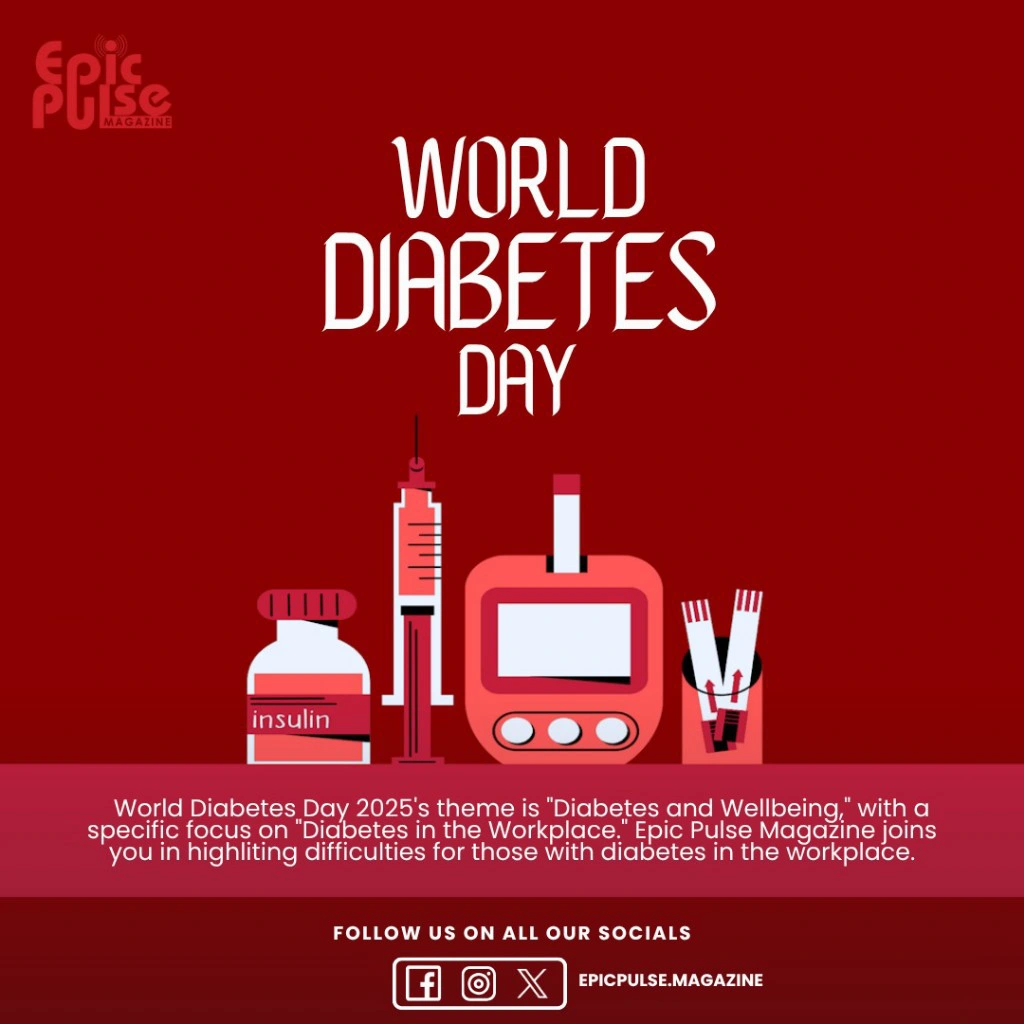
The campaign highlights the importance of addressing workplace challenges that people with diabetes encounter. Many individuals with diabetes face stigma and discrimination, which can affect their mental health and overall well-being. By promoting awareness and understanding, employers can create policies that foster safe and healthy work environments for those with diabetes and those at risk.
According to a 2024 pooled-analysis by the NCD Risk Factor Collaboration, in 2022 an estimated 828 million adults (age 18+) worldwide were living with diabetes (95% credible interval: 757–908 million).
The analysis also shows that the global adult diabetes prevalence roughly doubled between 1990 (~ 7 %) and 2022 (~ 14 %).
Furthermore, projections from the International Diabetes Federation estimate that by 2050 approximately 853 million adults will be living with diabetes (about 1 in 8 adults) if current trends continue.
These increases have been particularly pronounced in low- and middle-income countries, where both prevalence and numbers have risen fastest.
Unfortunately, more than 4 in 10 people with diabetes are unaware they have the condition, which can lead to severe complications if left untreated. Diabetes is a leading cause of blindness, kidney failure, heart attacks, strokes, and lower limb amputations.
Diabetes has a significant impact on individuals, communities, and healthcare systems. In 2021, diabetes and kidney disease due to diabetes caused over 2 million deaths. The condition also increases the risk of cardiovascular disease, with around 11% of all cardiovascular deaths attributed to high blood glucose. In the United States alone, approximately 238 amputations and 48 cases of blindness occur every 24 hours due to diabetes. These statistics highlight the need for awareness, prevention, and management of diabetes to reduce its impact.
Fortunately, type 2 diabetes can be prevented or delayed through lifestyle changes, such as a healthy diet, regular physical activity, maintaining a normal body weight, and avoiding tobacco use. Management of diabetes involves a combination of diet, physical activity, and medication, as well as regular screening for complications. However, access to affordable treatment, including insulin, remains a significant challenge, particularly in low- and middle-income countries. Ensuring access to essential medicines and promoting healthy lifestyles can help mitigate the impact of diabetes.
Types of Diabetes
There are several types of diabetes, including type 1, type 2, and gestational diabetes. Type 1 diabetes is an autoimmune condition where the pancreas produces little or no insulin, requiring lifelong insulin therapy. Type 2 diabetes is the most common type, driven by genetic and lifestyle factors. Gestational diabetes develops during pregnancy and typically goes away after childbirth, but it increases the risk of developing type 2 diabetes later in life. Understanding the different types of diabetes is crucial for effective management and treatment.
Diabetes is a complex condition caused by the body’s inability to produce enough insulin or effectively use the insulin it produces. There are several key risk factors that contribute to the development of diabetes. Genetics and family history play a significant role, with individuals having a parent or sibling with diabetes being more likely to develop the condition. Lifestyle factors such as obesity, physical inactivity, and high blood pressure also significantly increase the risk of developing Type 2 diabetes.
In recent months, conversations around diabetes management have expanded beyond traditional care to include new medications like Ozempic, a prescription drug developed for type 2 diabetes. As highlighted in a recent EpicPulse Magazine feature by Carson Anekeya titled “Pharmaceutical Society of Kenya Moves to Stop Misleading Ozempic Promotions by Fitness Influencers” the Pharmaceutical Society of Kenya has raised concerns over the misleading promotion of Ozempic by fitness influencers. While semaglutide, the active ingredient, plays an important role in regulating blood sugar and appetite for people with diabetes, its misuse for quick weight loss undermines both public understanding and safe medical use.
This growing trend underscores the need for stronger awareness and public education on diabetes treatment and medication safety. As the world marks World Diabetes Day 2025, healthcare professionals, media, and policy actors must work together to promote responsible use of diabetes medications. Empowering communities with accurate information helps prevent misuse, supports those living with diabetes, and reinforces the link between medical ethics, wellbeing, and informed health choices.
The main cause of Type 2 diabetes is insulin resistance, where the body’s cells do not respond properly to insulin, leading to high blood sugar levels. In contrast, Type 1 diabetes is caused by an autoimmune response, where the immune system mistakenly attacks and destroys the insulin-producing cells in the pancreas. Pancreatic damage from conditions like chronic pancreatitis, surgery, or injury can also impair insulin production and lead to diabetes.
Several risk factors increase the likelihood of developing diabetes. Being overweight or obese is a major risk factor, as it contributes to insulin resistance. A sedentary lifestyle also increases the risk, as regular physical activity helps the body use insulin more effectively.
Other risk factors include high blood pressure, age (especially after 35), and a history of gestational diabetes. Certain ethnicities, such as African Americans, Hispanic/Latino Americans, and American Indians, are also at a higher risk. Additionally, medical conditions like polycystic ovary syndrome (PCOS) and Non-Alcoholic Fatty Liver Disease (NAFLD) are associated with an increased risk of developing diabetes. Certain medications, such as corticosteroids, can also increase the risk.
Diabetes can be prevented through a healthy lifestyle, and managed with a combination of diet, exercise, medication, and regular health monitoring. Maintaining a healthy weight is crucial, as losing even a small amount of weight (5-7%) can significantly reduce the risk of developing diabetes. A healthy diet rich in whole grains, fruits, vegetables, lean proteins, and healthy fats can also help prevent diabetes. Regular physical activity, such as at least 30 minutes of moderate activity most days of the week, can also reduce the risk.
In addition to maintaining a healthy weight and diet, other prevention strategies include quitting smoking, managing stress, and getting adequate sleep. Smoking increases the risk of developing diabetes and its complications, while chronic stress can affect blood sugar control. Aim for 7-9 hours of quality sleep per night to help regulate blood sugar levels. By adopting these healthy lifestyle habits, individuals can significantly reduce their risk of developing diabetes.
For those who have developed diabetes, management involves working with a healthcare team to create a personalized plan. This plan may include medication, monitoring blood glucose, blood pressure, and cholesterol levels, and making healthy lifestyle changes. A balanced diet, regular physical activity, and stress management can help control blood sugar levels. Medications, including insulin, may be prescribed if lifestyle changes are not enough. Regular health monitoring, including eye exams, foot exams, and kidney function tests, can help prevent complications and ensure that diabetes is well-controlled.
Diabetes significantly impacts daily life, requiring constant management of food, exercise, and medication, which can affect spontaneity and create emotional and mental burdens. The condition increases the risk of serious long-term health complications, such as heart attack, stroke, nerve damage, and kidney failure.
It can also negatively affect work, family relationships, and self-confidence, leading to reduced quality of life and increased risk of depression. Additionally, diabetes can cause problems with intimacy, relationships, and future planning, and its management can feel like a full-time job. If not properly managed, diabetes can lead to severe complications, including vision loss, foot problems, and kidney disease, emphasizing the importance of effective management and support.
To address the global diabetes epidemic, individual, community, and systemic actions are necessary. Individuals can prioritize prevention by maintaining a healthy weight, eating a balanced diet, and getting regular physical activity. Those diagnosed with diabetes should adhere to treatment plans, monitor blood sugar levels, and use available technologies and support systems.
Communities and healthcare systems can improve access to care, promote interdisciplinary research, and support public health initiatives. Policymakers can create an environment conducive to healthy living by supporting policies like differential taxation on unhealthy foods and removing harmful chemicals from food systems. By working together, we can reduce the burden of diabetes and improve health outcomes.

- World Diabetes Day 2025: Diabetes and Wellbeing - November 14, 2025
- World Pneumonia Day 2025: Unite to Protect Every Breath - November 12, 2025