World Antimicrobial Awareness Week 2025 is a moment when the world collectively turns its attention to a health threat that often goes unnoticed until it becomes personal.
Marked every year from November 18th to 24th, the week highlights the growing challenge of antimicrobial resistance (AMR), a situation where the medicines we depend on to treat everyday infections slowly stop working.
These antimicrobials include the antibiotics we use for UTIs and pneumonia, the antivirals used to manage viral infections, the antifungals that treat common fungal diseases, and the antiparasitics that help us fight malaria and other parasitic illnesses. Without them, modern healthcare becomes fragile.
World Antimicrobial Awareness Week reminds us that these medicines won’t always work if we misuse them. Each time they are misused or overused, whether through self-medication, unnecessary prescriptions, or improper farming practices, the organisms they are meant to eliminate become smarter and harder to control.
The campaign encourages people everywhere to stop and think about how their choices, even small ones, affect the effectiveness of treatments we all rely on. It is a human problem before it is a medical one, because it affects real families, real communities, and real lives.
The theme for 2025, “Act Now: Protect Our Present, Secure Our Future,” speaks directly to this urgency. It challenges individuals, health workers, leaders, and entire systems to take responsibility today so we do not wake up in a future where simple infections become untreatable.
World Antimicrobial Awareness Week is a collective pledge to safeguard life-saving medicines. It invites everyone, from parents and students to clinicians and farmers, to join in protecting one of the most essential tools in public health.
Why Antimicrobial Resistance Matters More Than We Think
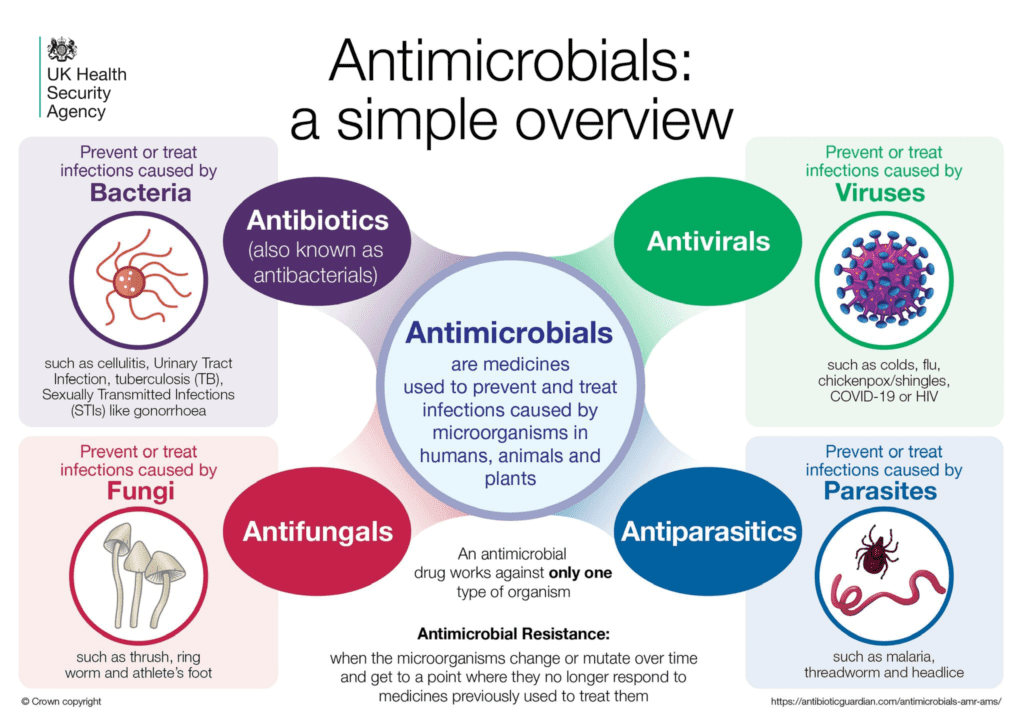
Antimicrobial resistance happens when bacteria, viruses, fungi, and parasites stop responding to the medicines meant to kill them. When these organisms adapt, the infections they cause become stubborn, harder to control, and far more expensive to treat. Everyday illnesses that used to clear in a few days start dragging on for weeks. Think of the impact: you go to the clinic for a simple infection, get the usual medicine, and it simply doesn’t work. That is the reality AMR ushers in.
Now imagine a world where malaria suddenly becomes severe again because the medicines we depend on lose their power. Consider how many people get malaria in Africa every year, students, workers, pregnant women, children. If first-line drugs fail, mild cases will quickly turn into emergencies, and thousands more will be at risk.
Or think of common infections we experience frequently: UTIs, flu-like illnesses, skin infections, diarrheal diseases. These are so communicable and so common that many of us encounter them several times a year. If we reach a point where these infections cannot be treated, the consequences are devastating. People won’t just stay sick longer, many will not survive.
In our recent feature, “World Pneumonia Day 2025: Unite to Protect Every Breath,” we highlighted how the overuse and misuse of antibiotics is driving a sharp rise in resistance. Taking antibiotics without a prescription, stopping treatment early, or using them unnecessarily has made once-simple infections far more dangerous. Common illnesses, including pneumonia, are becoming harder and more expensive to treat, particularly when caused by resistant bacteria like Methicillin-Resistant Staphylococcus aureus (MRSA).
According to the World Health Organization, antimicrobial resistance is now one of the top global health threats, linked to millions of deaths every year. This makes proper antibiotic use and public awareness more important than ever.
This is why AMR cannot be dismissed as a “science topic.” It is already affecting families, hospitals, communities, farms, and even food production. When antibiotics fail, a simple cut becomes dangerous, and routine surgeries, like C-sections, dental work, or wound repair, become risky procedures. The worry isn’t about what might happen, it’s about what is already happening and how quickly it can escalate if the world does nothing.
The Urgency Behind Global Action on AMR
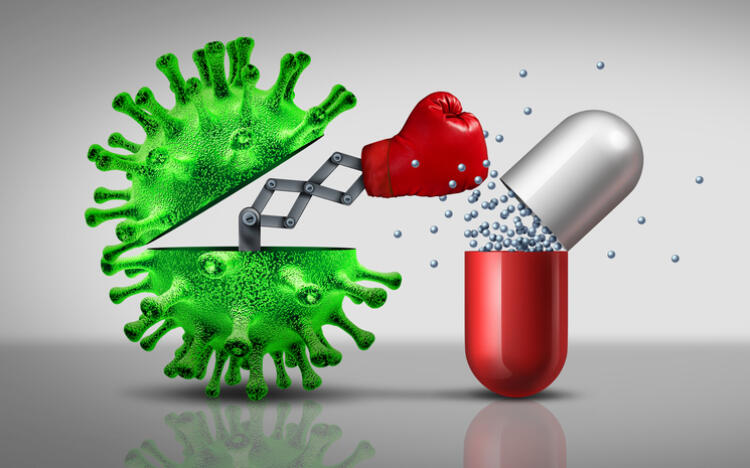
The urgency behind World Antimicrobial Awareness Week comes from a frightening trend: AMR is rising faster than scientists can develop new medicines. Millions of people worldwide are already affected every year. The highest burden falls on low- and middle-income countries, including many in Africa, where access to proper treatment is not always guaranteed. This imbalance makes the threat even more severe, because people who cannot access strong, appropriate treatment are the first to feel the consequences of resistance.
According to the Institute for Health Metrics and Evaluation (IHME), about 1.14 million deaths in 2021 were directly attributable to drug-resistant infections, and 4.71 million deaths were associated with AMR more broadly.
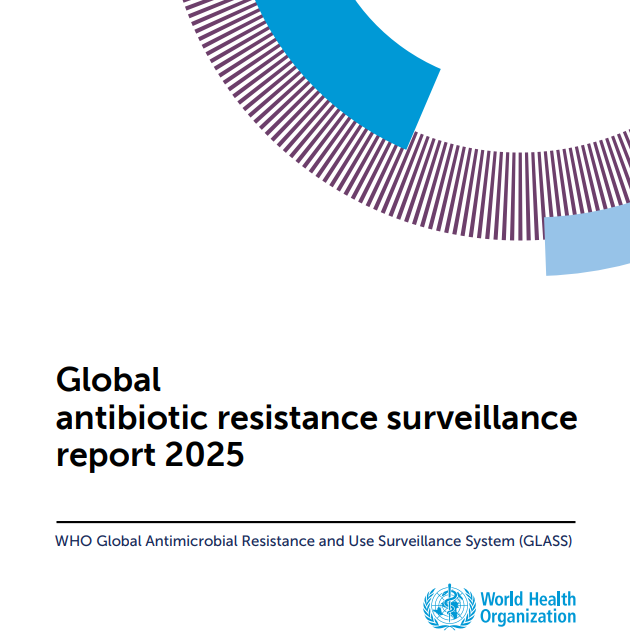
In its 2025 Global Antibiotic Resistance Surveillance Report, WHO used data from over 23 million confirmed cases reported by 104 countries, showing rising resistance in many key pathogen–antibiotic combinations.
A sobering projection from the Lancet/GRAM study warns that, without urgent action, there could be nearly 39 million deaths linked to AMR between 2025 and 2050.
Africa, and Kenya in Focus
In Africa, the burden of AMR remains one of the highest in the world. The Africa Centres for Disease Control & Prevention (Africa CDC) reports a mortality rate of 27.3 deaths per 100,000 population from antimicrobial resistance, a rate that, according to its 2024 Landmark Report, exceeds the combined death toll from HIV-AIDS, TB, and malaria on the continent.
According to Institute for Health Metrics and Evaluation (IHME) data reported in late 2023, over 1.05 million deaths in the WHO African region were associated with AMR, and 250,000 deaths were directly attributable to it.
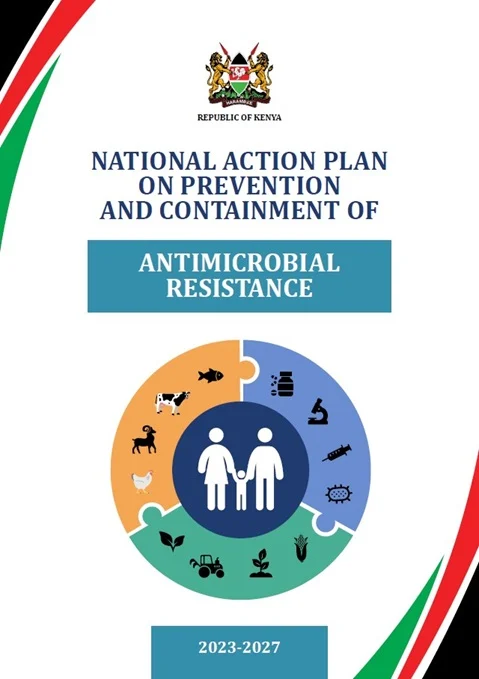
For Kenya specifically, while the most recent published national death estimates from AMR remain from 2019 (with 8,500 deaths directly attributable and 37,300 deaths associated with AMR), experts continue to warn that the “silent pandemic” is very much active. AMR now ranks among the leading causes of death in Kenya, and the country has developed a National AMR Action Plan to try to confront this growing crisis.
World Antimicrobial Awareness Week exists for four important reasons:
1. Encouraging responsible antibiotic use.
Too many people use antibiotics without prescriptions, stop medication halfway, or treat viral infections with antibiotics that do nothing. By promoting responsible use, WAAW helps protect these medicines from being wasted or misused. Every responsible choice slows down resistance.
2. Highlighting threats to public health, food safety, and economic stability.
AMR affects more than hospitals. It threatens farming, livestock, and the food chain when antibiotics are used improperly in animals. It drains family finances through repeated clinic visits and costly medications. And at a national level, resistant infections strain public health systems and reduce productivity, making AMR both a health and economic crisis.
3. Bringing professionals and communities together.
Health workers alone cannot solve AMR. Farmers, policymakers, community leaders, parents, teachers, pharmacists, and young people all play a role. WAAW creates a moment for everyone to align their efforts and acknowledge that this is a shared problem requiring shared responsibility.
4. Strengthening infection prevention everywhere.
Preventing infections reduces the need for antibiotics in the first place. Good hygiene, clean hospitals, safe water, proper sanitation, and vaccination are all powerful tools. WAAW pushes for stronger infection control practices in health facilities, homes, schools, and food production systems.
Antimicrobial Resistance: A Threat That Directly Affects Us All
Antimicrobial resistance affects our daily lives in ways we often don’t notice until it becomes personal. Common infections that once cleared easily, like UTIs, skin infections, pneumonia, sexually transmitted infections, and diarrheal diseases, are becoming harder to treat as medicines lose their effectiveness.
Serious illnesses, including newborn sepsis, tuberculosis, HIV-related infections, and complications from routine surgeries, can quickly spiral out of control when treatments fail.
The consequences are not only health-related: longer illnesses mean higher medical bills, more hospital visits, stronger drugs, and in severe cases, intensive care, placing a heavy financial burden on families and communities.
The impact of antimicrobial resistance goes beyond individual health. Prolonged illness leads to missed school or work, reducing productivity and straining local economies.
Misuse of antibiotics in livestock and agriculture spreads resistance through the food chain, affecting food safety and public health.
Even routine medical care, surgeries, cancer treatments, organ transplants, and childbirth, relies on effective antimicrobials. If these medicines stop working, everyday healthcare becomes riskier, making antimicrobial resistance a threat that directly affects us all.
Be Part of the Solution: Fighting Antimicrobial Resistance
Everyday choices matter. Only take antibiotics when prescribed by a qualified health professional and always complete the full course, even if you start feeling better. Avoid sharing medications or using leftover antibiotics, and practice good hygiene, including handwashing, safe food handling, sanitation, and keeping up with vaccinations. These simple steps help protect not just your own health, but also the effectiveness of antibiotics for everyone.
Parents play a key role in guiding safe medicine use for their children. Avoid pressuring healthcare providers for antibiotics when they are not needed, and make sure your children are fully vaccinated to prevent infections that might otherwise require antibiotic treatment. By modeling responsible behavior and encouraging preventive care, parents can help reduce the risk of resistance in the next generation.
Communities can be powerful forces for change. Support awareness programs in schools, churches, youth spaces, and across social media, and challenge myths about antibiotics, like the idea that every fever or mild infection needs medication. By sharing accurate information and promoting responsible practices together, communities can help slow the spread of resistant infections.
Healthcare providers are on the frontline of the fight against antimicrobial resistance. Prescribing antibiotics responsibly, only when truly necessary, and clearly explaining to patients why a prescription may not be needed are critical steps. Educating patients while maintaining trust ensures that treatments remain effective and misuse is minimized.
The use of antibiotics in livestock and aquaculture has a direct impact on public health. Farmers and food producers should avoid overusing these medicines, follow veterinary guidance, and implement strong biosecurity measures. By reducing unnecessary antibiotic use in food production, they help protect communities and preserve these vital medicines for when they are truly needed.
This World Antimicrobial Awareness Week 2025, let us go beyond simply raising awareness and commit to advocacy that extends beyond the week and truly matters. By promoting responsible antibiotic use, supporting education, and protecting the medicines we rely on, we can preserve the effectiveness of antimicrobials for ourselves, our communities, and future generations. Every action counts, from individual choices to collective efforts, in safeguarding the treatments that save lives and securing a healthier, safer future for all.

- The Rise of Suicide Posts in Digital Spaces Reflects a Growing Mental Health Crisis - February 22, 2026
- How Kenya’s Silent Lifestyle Disease Crisis Is Reshaping Public Health - February 12, 2026
- The Rise of Lifestyle Diseases Emerges as a Crisis Among Kenya’s Youth - February 9, 2026