On 6th March 2025, I attended a mental health awareness event at Zetech University, where I heard a powerful quote:
~ Hillary Ongili
“I’m not romanticizing death, but if someone tells you they’ve been contemplating or attempting suicide, you better believe them the first time.”
These words were spoken by Hillary Ongili, a mental health advocate and the director at The Unspoken, emphasizing the critical need to take suicidal ideation seriously.
We can all agree that there is a quiet kind of bravery in admitting pain. When someone gathers the courage to say, “I’ve thought about ending my life,” it is not just a passing remark. It is not exaggeration. It is a plea wrapped in hesitation, testing the waters of trust, searching for a reason to hold on.
Yet, sadly, we often respond to this first confession with dismissal, “It’s just a phase,” “They’re being dramatic,” “They just want attention.” The tragic irony? That moment of vulnerability might be the only warning the world ever gets.
Society has a habit of downplaying distress until it is too late. We tell people to “speak up,” yet when they do, their words are often met with skepticism. Psychologists argue that when someone verbalizes suicidal thoughts, it’s an indication that their pain has already reached an unbearable threshold. The Cry of Pain Model, developed by Mark Williams, suggests that suicidal thoughts and behaviors arise when individuals feel trapped in unbearable distress with no perceived escape. When someone verbalizes suicidal ideation, it is often a desperate attempt to signal their suffering and seek support. Dismissing or downplaying this expression can reinforce their sense of hopelessness, making intervention at this stage critical.
Sharing it is not about seeking attention, it’s about seeking understanding, validation, and maybe even a lifeline. The late psychologist Edwin Shneidman, a pioneer in suicide prevention, emphasized that suicide is not about wanting death; it’s about wanting an end to suffering. And when suffering is ignored, the silence that follows can be fatal.
How many times have we found ourselves reflecting, either in our own thoughts or in conversations with friends, on those who, sadly, died by suicide? How often have we heard the painful echoes of regret from loved ones who say, “I thought they were joking,” “I didn’t take them seriously,” or “I never thought they’d actually do it”? Think of the teenagers who leave behind heartbreaking messages that say, “I tried to tell you.” These are real, recurring moments that remind us of the cost of not listening the first time. Early intervention, listening without judgment, offering support, and connecting someone to professional help, can make the difference between loss and survival.
So the next time someone whispers their pain, do not measure their words against your understanding of suffering. Believe them the first time. It might just save a life.
Why Society Fails to Take Suicidal Thoughts Seriously
Suicide prevention campaigns often emphasize, “Speak up, ask for help.” But what happens when people do, and no one listens? Society has an alarming tendency to downplay mental health struggles, often dismissing suicidal thoughts as attention-seeking, dramatization, or temporary distress. This minimization can be explained through the Normalcy Bias, a cognitive bias that causes people to underestimate the possibility or severity of a crisis. When someone expresses suicidal ideation, many instinctively believe, “They wouldn’t really do it,” or “They just need time to feel better,” rather than acknowledging the urgency of the situation.
Tragically, history is full of cases where individuals voiced their struggles but were not taken seriously. From celebrities like Robin Williams, who masked his pain behind humor, to countless everyday individuals whose cries for help were brushed aside, only for their deaths to leave loved ones in shock, asking, “How did we not see this coming?” Even in personal circles, many of us have heard someone express dark thoughts, only for their concerns to be met with dismissive responses like, “You’re overthinking,” or “It’s not that bad.”
So, how do we shift this narrative? First, we must cultivate a culture of active listening and belief. When someone shares their pain, our first instinct should not be to judge or minimize, but to listen deeply and without interruption. Schools, workplaces, and communities must integrate suicide prevention training to help people recognize warning signs and respond with empathy, because a single trigger can send everything spiraling downward. Because in the end, the real tragedy is not that people don’t speak up. It’s that when they do, too often, no one listens.
What to Do When Someone Opens Up
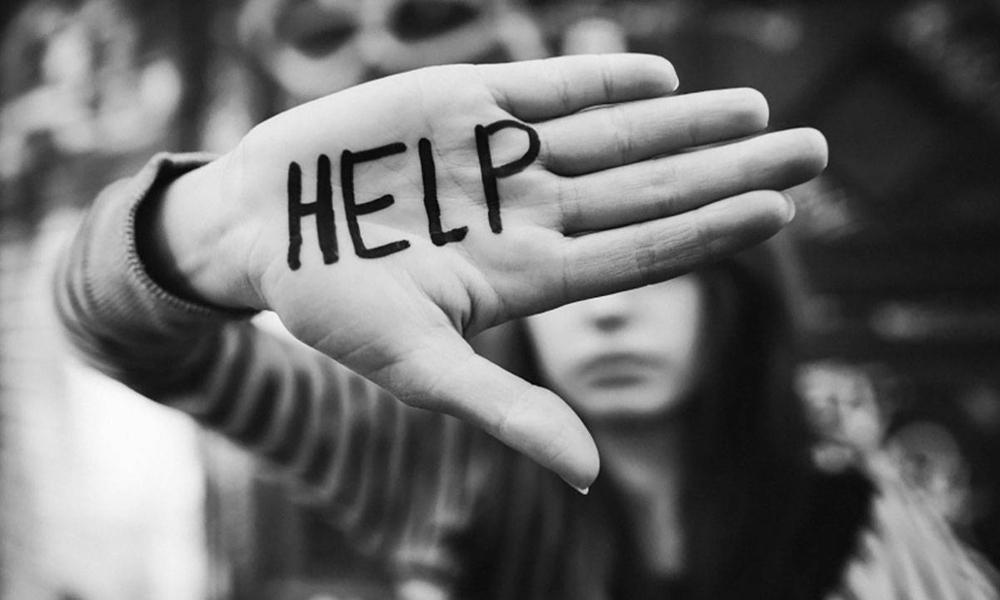
When someone confesses suicidal thoughts, how we respond can make all the difference. Yet, too often, people react with dismissal, discomfort, or well-meaning but harmful advice like, “You have so much to live for,” or “Just stay positive.” These responses, though intended to help, can make the person feel unheard or invalidated. The truth is, when someone opens up about their struggles, they are reaching out, often as a last attempt to be understood before losing hope. The first and most crucial step in suicide prevention is not fixing the problem but listening without judgment.
One of the biggest mistakes people make is rushing to provide solutions instead of creating space for open conversation.
― Carson Anekeya
Instead of offering clichés or dismissing their pain, acknowledge their feelings with empathy: “I hear you, and I’m so sorry you’re feeling this way. You’re not alone.” Ask open-ended questions like, “Can you tell me more about what you’re going through?” This approach encourages them to share rather than shutting down.
Also, avoid making the conversation about yourself, while it’s natural to relate, their pain is unique, and they need to feel seen, not compared.
― Carson Anekeya
To truly support someone in distress, follow these key steps: Stay present, whether physically or virtually, and reassure them that you care. Encourage professional help by offering to research therapists, crisis helplines, or mental health resources together. If there’s an immediate risk, do not leave them alone, seek urgent assistance from trusted individuals or emergency services. Most importantly, follow up. Checking in days or weeks later shows that your concern wasn’t momentary. Suicide prevention doesn’t require perfect words or grand gestures, it starts with listening, believing, and being there when it matters most.
Why the First Cry for Help Might Be the Only One You Get

When someone gathers the courage to voice their suicidal thoughts, they are not merely speaking, they are risking vulnerability in the hope of being heard. However, when this cry for help is met with disbelief, minimization, or outright dismissal, it reinforces a dangerous message: “No one cares, and my pain is invisible.” Psychologists refer to this as Learned Helplessness, a phenomenon where repeated experiences of rejection or invalidation lead a person to believe that their actions, no matter how desperate, will not change their circumstances. Over time, they may stop reaching out altogether, convinced that silence is safer than the pain of being ignored.
Invalidation doesn’t just discourage future disclosures; it can intensify a person’s distress. The Interpersonal Theory of Suicide suggests that feelings of perceived burdensomeness (believing one’s existence harms others) and thwarted belongingness (feeling profoundly alone and disconnected) are key drivers of suicidal ideation. When someone opens up about their struggles and is dismissed, it deepens these beliefs, making them feel even more isolated. This is why the first cry for help might be the only one, as they’ve already struggled internally, debated whether to speak up, and if met with rejection, may conclude there’s no point in trying again.
The Language of Suicidal Ideation

Not everyone who struggles with suicidal thoughts will say, “I want to die.” In fact, many people communicate their distress in subtle, coded ways that are often overlooked. Phrases like “I’m tired of everything,” “I just want it all to stop,” “Every moment feels like a struggle, and I’m so tired of fighting.” or “I don’t think I can do this anymore” may seem like passing frustrations, but they can be veiled cries for help. Some may speak in past tense about their lives, “It doesn’t matter anymore,” or “You’ll be better off without me”, signaling that they are already detaching from the world. When these statements go unrecognized or dismissed as exaggeration, the opportunity to intervene early is lost.
People struggling with suicidal ideation often express their pain through actions rather than words. Withdrawing from loved ones, giving away prized possessions, making sudden apologies, or tying up loose ends can all be warning signs. Some might turn to social media, posting cryptic messages or sharing dark themes in their content. The Signs of Suicide (SOS) framework emphasizes that behavioral shifts, especially when paired with expressions of hopelessness, should never be ignored. Just because someone doesn’t explicitly say they are suicidal doesn’t mean they aren’t in danger.
If a friend, colleague, or loved one starts speaking in concerning ways, don’t wait for them to say the words outright, check in proactively. A simple “I’ve noticed you’ve been struggling, and I want to be here for you” can open the door for an honest conversation. Instead of assuming they’re just venting, ask direct but compassionate questions: “Are you feeling overwhelmed?” or “Are you having thoughts of hurting yourself?” Recognizing the unspoken distress could be the difference between someone feeling alone in their pain and knowing they have someone to lean on.
Every person struggling with suicidal thoughts carries a silent battle within, and too often, their cries for help are subtle, hesitant, or hidden. Dismissing or overlooking these signs can have irreversible consequences, but choosing to listen, validate, and support can be life-saving. I hope we all gain the clarity to recognize the warning signs, to lean in rather than turn away, and to be the voice of reassurance when someone feels unheard.
In a world where pain is often invisible, may we be the ones who see, who care, and who act, because even the smallest act of kindness could be the reason someone holds on for one more day.

- The Rise of Suicide Posts in Digital Spaces Reflects a Growing Mental Health Crisis - February 22, 2026
- How Kenya’s Silent Lifestyle Disease Crisis Is Reshaping Public Health - February 12, 2026
- The Rise of Lifestyle Diseases Emerges as a Crisis Among Kenya’s Youth - February 9, 2026