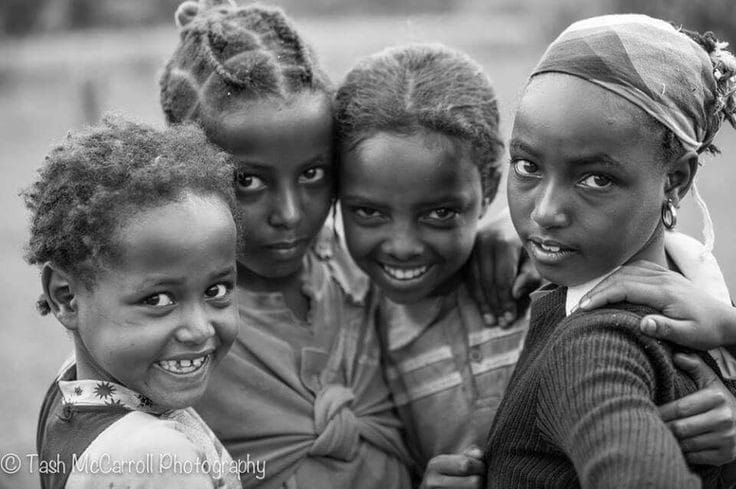
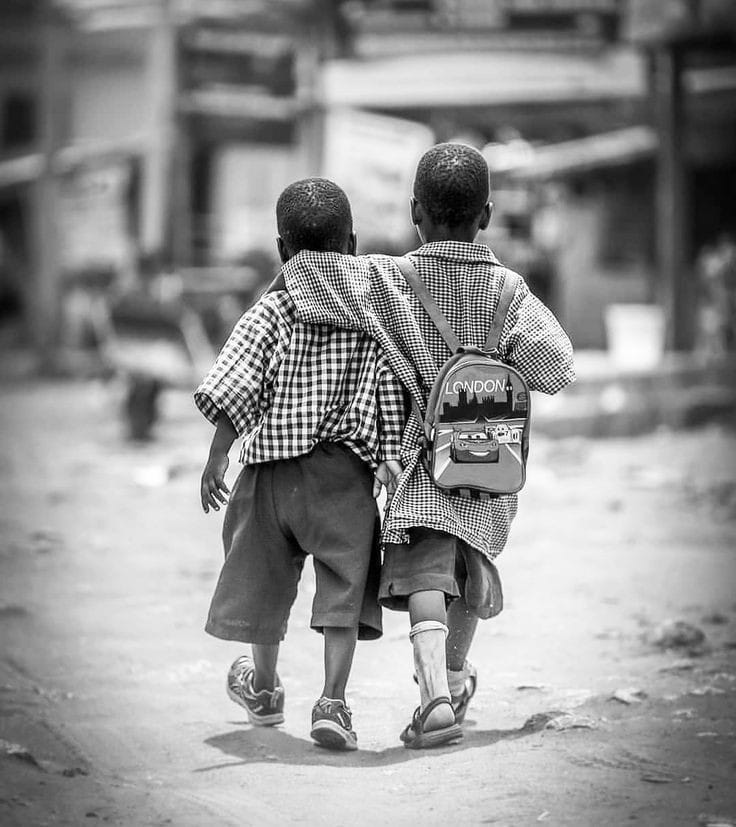
In an empty, unfinished, abandoned house, its cement floors bare and its roof partially done-I found warmth. Not from blankets or comforters, but from the quiet companionship of my best friend, Wanjiri. This forgotten building became our home, a place where we could snuggle up and stay for the night, no matter how broken the walls or cold the wind. We had no parents, no guardians. Wanjiri had fled home after years of mistreatment, and I had escaped the foster care system after bouncing between abusive families. Some were cruel, some neglectful, and a few were part of mafia networks that used me as bait for illegal activities. I couldn’t sit and wait for another punch or worse. I had to leave.
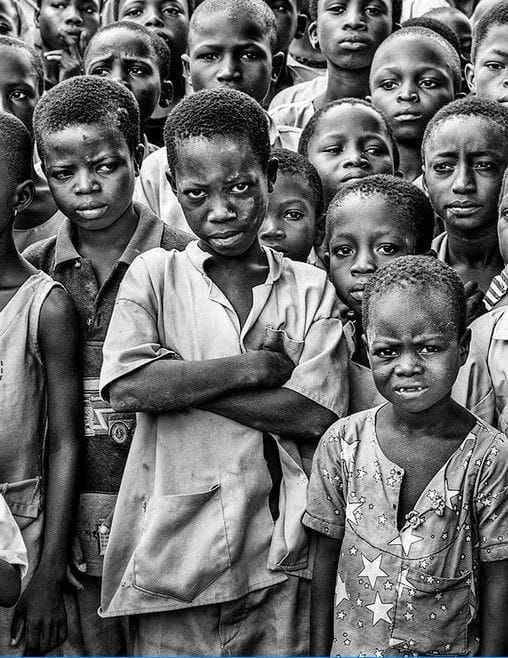
Wanjiri and I developed a system. We’d wake up at dawn before any other street kid stirred. We wanted the streets to ourselves, to comb through garbage bins and roadside dumps before others beat us to it. Collecting plastics, tins, and broken electronics gave us just enough to sell. On good days, we’d save up to ten Kenyan shillings each. A tiny amount, but over time, even coins grew into hope. We’d proudly walk to the bank, deposit our savings, and hold our heads high. It was our silent rebellion against poverty-to save, even while starving for the sake of freedom.
The nights were darker than just the absence of light. Keeping our plastic collections safe inside our abandoned house was dangerous. Thieves, older street gangs, or even policemen could walk in and take it all. But we were already used to the risks. Night was when the city became ours-when we became something else entirely.
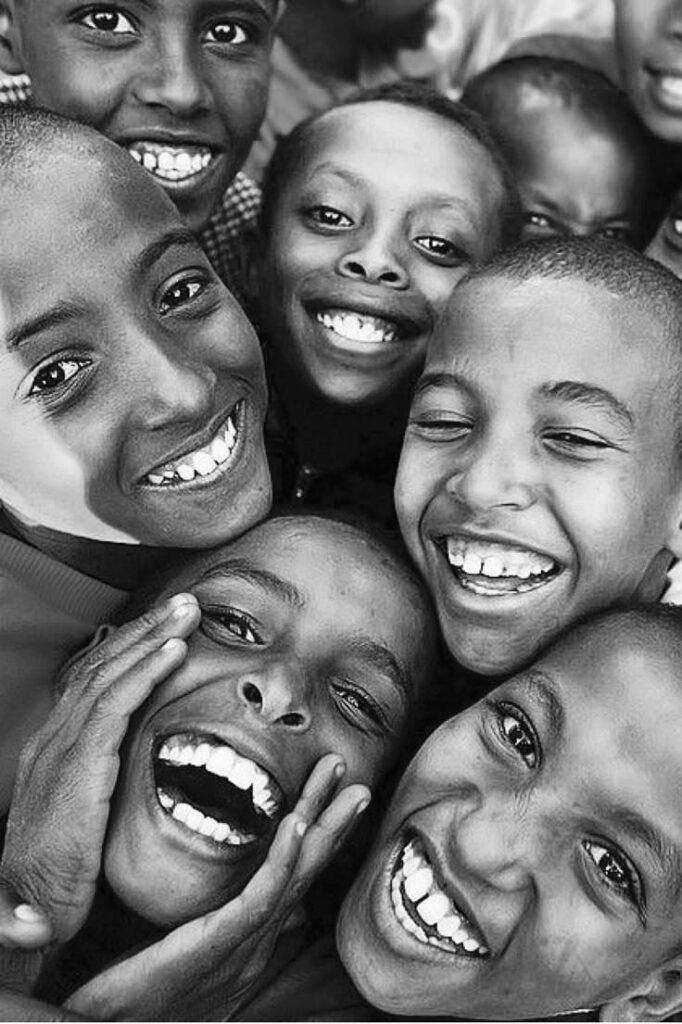
We didn’t just survive—we strategized. Every day, we picked a target. Every shop, every tiny kiosk in that town had felt our presence. And strangely enough, we took pride in it. We were young, skilled, and unnoticed. We’d slip into food stores under the cover of curfew, when most police officers were switching shifts or sleeping in patrol cars. We knew their routines better than they did. That’s when we’d break in, eat to our fill, and stock up on food to last us days.
To some, that’s theft. To us, it was survival. it was freedom of having what everyone had. That was our negotiation with society: let us eat, or we take what we need. Eventually, some shop owners would leave leftovers out for us, an unofficial peace offering. It worked. Peace was maintained, and we, the forgotten children, thrived for a while.
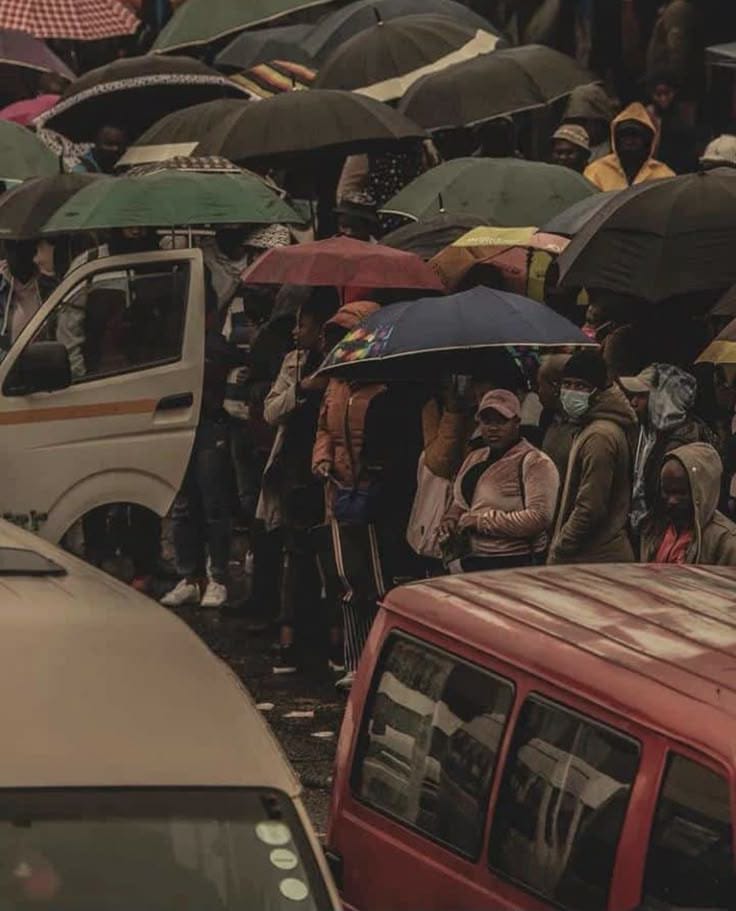
There’s a special kind of joy in having no rules. No one to scream at you. No one to tell you when to wake up, where to go, or what to feel. No forced house chores, no lectures. Just peace. Just freedom. It’s ironic, isn’t it? That peace came in the chaos of the streets.
But all good things, even the street life, have an ending. Now, I sit behind the cold, metal bars of a prison cell. Charged with arson. I burned down a store-the one where the owner refused to give us leftover food. Hunger can make you angry. Desperate. Wild.
And yet, even here, as I stare at the gray concrete walls, I smile to myself. Not because I’m proud of what I did. But because, for once in my life, I knew freedom. And in a strange, painful way, I still believe—those nights on the street? They were the best days of my life.

- Must-Watch Movies Releasing in 2026: Your Complete Enterta1nment Calendar. - February 11, 2026
- World Tropical Diseases Day: The Silent Suffer1ng of 1.6b Lives. - January 31, 2026
- The El Molo Tribe: Kenya’s Last Fisher People Fight1ng for Survival on Lake Turkana’s Shores - January 30, 2026