The Social Health Authority (SHA) was established with the ambitious goal of transforming Kenya’s healthcare landscape, particularly in areas like renal care. Launched in October 2024, the SHA aimed to make treatments for chronic conditions such as chronic kidney disease (CKD) more affordable and accessible. Given that Chronic Kidney Disease accounts for approximately 2% of all deaths in the country, this initiative was both timely and necessary.
However, the implementation of SHA has encountered significant challenges, leading to growing concerns among dialysis patients, healthcare providers, and the Kenya Renal Association. Technical issues with the new portal system have hindered healthcare providers’ ability to access and process claims efficiently, resulting in delays that directly affect patient care. Additionally, many Kenyans remain unaware of the expanded benefits available under SHA, limiting its immediate impact on those in need of urgent care.
The core issue lies in SHA’s struggle to fulfill its promises, leaving thousands of dialysis patients grappling with systemic failures, funding gaps, and administrative inefficiencies. Hospitals across various counties have reported difficulties accessing the SHA portal, leading to service disruptions and patients being asked to pay out-of-pocket for treatments previously covered. This situation has been exacerbated by unresolved debts from the defunct National Health Insurance Fund (NHIF), with dialysis providers owed more than Ksh10 billion, further straining the healthcare system.
The Promises vs. The Reality
What SHA Promised:
The Social Health Authority (SHA) was launched with the aim of transforming Kenya’s healthcare system, particularly in renal care. The SHA’s renal care package, introduced in October 2024, promised comprehensive services including hemodialysis, advanced hemodiafiltration, pre- and post-transplant care, and support for kidney transplant surgeries. These services were intended to be more affordable and accessible to patients nationwide.
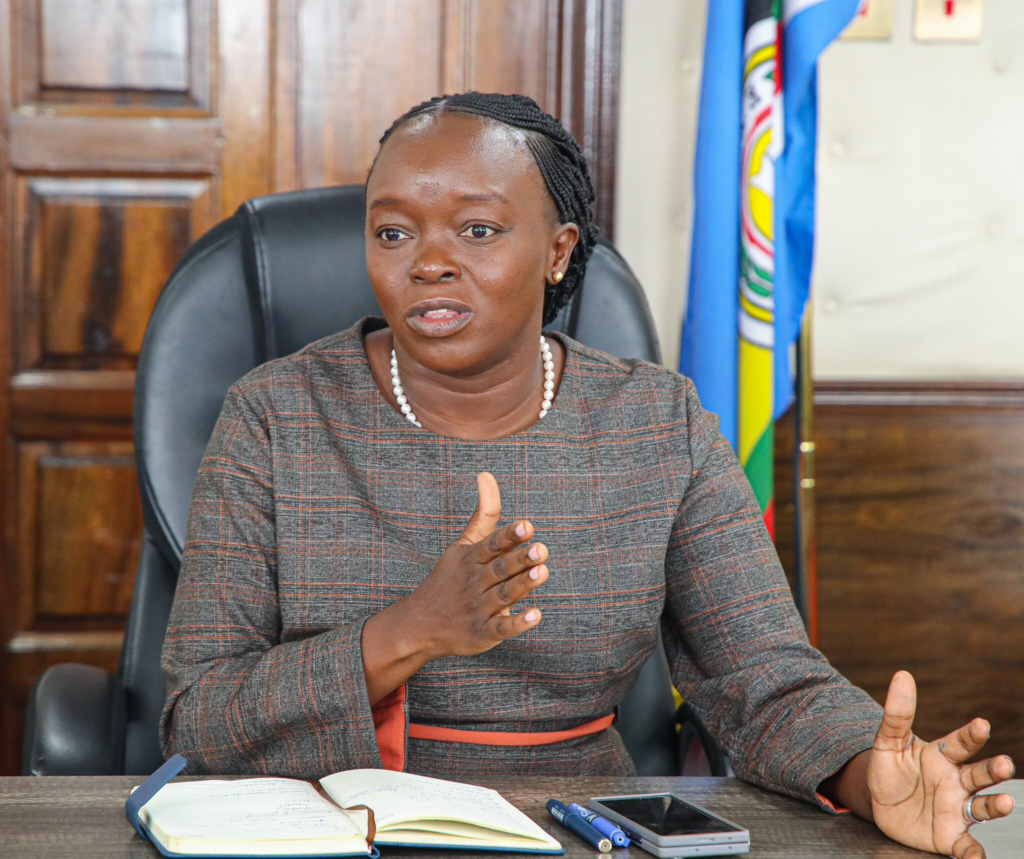
“I believe SHA is going to be a game changer where we will have Kenyans not selling their properties to access medical services.”
Health Cabinet Secretary (CS) Deborah Barasa
Health CS Deborah Barasa had assured Kenyans that SHA would be a game changer. However, the reality has been starkly different. Reports from affected patients and healthcare facilities paint a picture of financial distress, with families now forced to fundraise or sell assets to afford life-saving dialysis treatments.
What Patients Are Experiencing Instead:
Despite these promises, patients have encountered significant challenges since the SHA’s implementation. Many have reported difficulties accessing the SHA system, with hospitals expressing uncertainty about reimbursements, leading to delays in service provision. Some facilities have even turned away patients due to unresolved contracting issues with the SHA.
Additionally, a substantial debt of Ksh10 billion inherited from the defunct National Hospital Insurance Fund (NHIF) has left dialysis providers financially strained, resulting in the closure of several dialysis units. Consequently, patients are often forced to pay out of pocket for life-saving treatments.
These systemic issues highlight a stark contrast between the SHA’s initial promises and the current reality faced by dialysis patients in Kenya. The ongoing administrative inefficiencies and funding gaps have exacerbated the struggles of those requiring critical renal care.
NHIF’s Legacy of Debt
The now-defunct National Hospital Insurance Fund (NHIF) left behind an unpaid debt exceeding Ksh10 billion to dialysis service providers. This substantial financial gap has severely disrupted the operations of healthcare facilities, leading to a cascade of challenges in the delivery of essential renal care services.
Closure of Dialysis Centers:
The financial strain resulting from the unpaid debts has forced several dialysis units to shut down, leaving patients without access to critical treatments. The Kenya Renal Association has expressed deep concern over this development, highlighting that the lack of reimbursement has undone much of the progress made in renal care over the years.
Patients are now facing life-threatening uncertainties as they struggle to access dialysis services. Many have been unable to register for care under the new Social Health Authority (SHA) system, compounding their challenges. The Kenya Renal Association has reported that patients are experiencing significant distress due to the disorientation caused by the transition and the unresolved financial issues.
The Human Cost: The Silent Deaths Behind the Crisis
Chronic Kidney Disease (CKD) poses a significant health challenge in Kenya. A population-based study (Global Dialysis Perspective: Kenya by PubMed Central) in rural East Africa reported a Chronic Kidney Disease prevalence of 4% in western Kenya, with risk factors including age over 60 and HIV infection. The recent operational challenges within the Social Health Authority (SHA) have exacerbated this crisis, hindering access to essential renal care services.
Dialysis as a Lifeline – Now at Risk:
For patients with end-stage kidney disease, dialysis is a critical, life-sustaining treatment. In Kenya, At Nephromed Medical Centre, the cost of a single dialysis session ranges from Ksh 9,500 to Ksh 12,000, making it financially burdensome for many. The recent disruptions in SHA have led to service providers threatening not to onboard the new system due to unpaid debts and unresolved issues, resulting in delays and reduced access to dialysis services.
The financial strain of CKD extends beyond patients to their families, who often resort to selling property or incurring substantial debts to afford treatment. The emotional distress of witnessing a loved one’s health deteriorate, coupled with the uncertainty of accessing necessary care, profoundly affects the mental well-being of these families. The current healthcare crisis has intensified these challenges, leaving many feeling helpless and overwhelmed.
The Way Forward: Can SHA Still Be Fixed?
The Kenya Renal Association (KRA) has outlined several critical recommendations to address the challenges facing the Social Health Authority (SHA):
- Clear Repayment Plan for the Sh10 Billion Debt: The KRA emphasizes the necessity for SHA to establish a transparent and actionable plan to settle the outstanding debts inherited from the National Hospital Insurance Fund (NHIF). This financial burden has led to the closure of multiple dialysis units, severely impacting patient care.
- Immediate Patient Registration Reforms: To ensure uninterrupted care, the KRA advocates for reforms in the patient registration process under SHA. Streamlining these procedures is vital to prevent delays and guarantee that patients continue to receive necessary treatments without interruption.v
- Review of Reimbursement Rates: The association calls for a reassessment of the current reimbursement rates, which they argue do not reflect prevailing market conditions. Aligning these rates appropriately is essential to maintain the financial viability of dialysis units and ensure the sustainability of services.
Government Accountability and Urgent Actions Needed
Policy Changes to Address Mismanagement: Implementing robust policies to rectify existing mismanagement is crucial. This includes enhancing oversight mechanisms and ensuring transparent operations within SHA to restore confidence among healthcare providers and patients alike.
Increased Budget Allocation for Kidney Health Services: Allocating additional resources to kidney health services is imperative to meet the growing demand for renal care. Increased funding would support the expansion of dialysis facilities, procurement of essential equipment, and training of specialized personnel, thereby improving patient outcomes.
The Social Health Authority was meant to be a beacon of hope, a promise that no patient would have to choose between life-saving dialysis and financial ruin. But for thousands of Kenyans, that promise is unraveling. Behind the statistics are real people; mothers, fathers, and children, who are slowly fading away, not because their condition is untreatable, but because the system meant to save them is failing.
Every missed dialysis session is a step closer to an avoidable death. Every family forced to sell their last possessions or watch helplessly as their loved one suffers is a reminder of the human cost of inaction.
It is heartbreaking that amid this crisis, on October 6, 2024, we witnessed the tragic loss of Elizabeth Cheboi, a 66-year-old dialysis patient from Uasin Gishu. She took her last breath at home, not because her condition was untreatable, but because she missed a critical dialysis session, one she had relied on for survival. Her family, desperate and powerless, scrambled to raise money for treatment after the NHIF cover she depended on was suddenly rendered useless by the abrupt transition to SHA. Two days after missing her session, she was gone. Elizabeth’s death was not just a statistic; it was a preventable loss, a harsh reality to the devastating failures of a system that was supposed to protect the most vulnerable. She, like many others, was a victim of a broken government system.
SHA was meant to be a lifeline, but unless urgent action is taken, it risks becoming a death sentence for thousands of dialysis patients.

- The Rise of Suicide Posts in Digital Spaces Reflects a Growing Mental Health Crisis - February 22, 2026
- How Kenya’s Silent Lifestyle Disease Crisis Is Reshaping Public Health - February 12, 2026
- The Rise of Lifestyle Diseases Emerges as a Crisis Among Kenya’s Youth - February 9, 2026