Unlike many, where anxiety continues to manage them, the narrative is different for Ndubuisi Chioma, a determined and tenacious young woman reshaping her own mental health journey. Chioma, aged 22, is a 300-level (third year) student midwife from Okigwe, Imo State, Nigeria, currently studying at the College of Nursing Science, Mbano, Imo State, deeply passionate about caregiving and making a meaningful impact in people’s lives. “I started nursing the feeling of being a nurse since I was small,” she stated. “I love helping people, and I try to make a positive impact on people’s lives.”
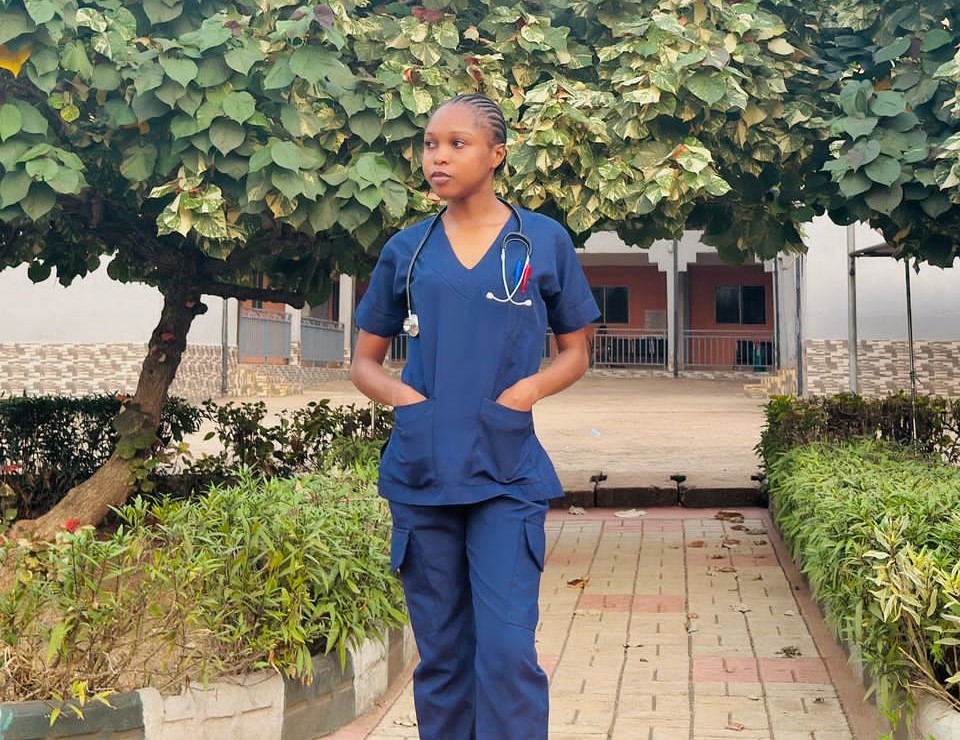
Her journey with anxiety, however, wasn’t as straightforward as her calling to nursing. Across Africa and the world, anxiety is becoming one of the most pressing mental health issues. According to the WHO, over 301 million people globally are living with anxiety disorders, many of whom remain undiagnosed or untreated, particularly in regions where mental health support is scarce or heavily stigmatized. In Nigeria alone, increasing social pressures, economic hardship, and unresolved emotional burdens contribute to rising cases of anxiety and related disorders, especially among youth and students like Chioma.
The Silent Surge in Anxiety
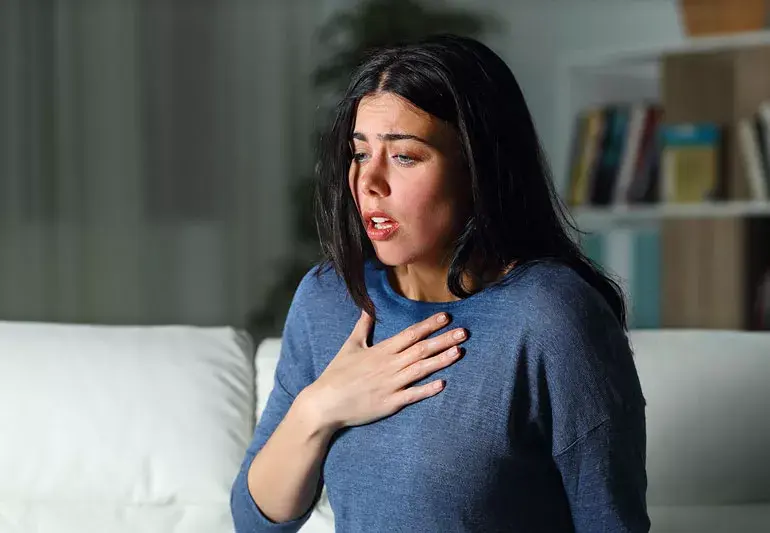
According to the Global Burden of Disease Study 2019, approximately 301 million people globally were living with an anxiety disorder in 2019. This represents a stable age-standardized prevalence rate of about 3.8% over the past three decades. In Africa, the prevalence of anxiety disorders varies across regions. A scoping review of studies from 12 African countries reported lifetime prevalence rates ranging from 5.7% to 15.8% for anxiety disorders.
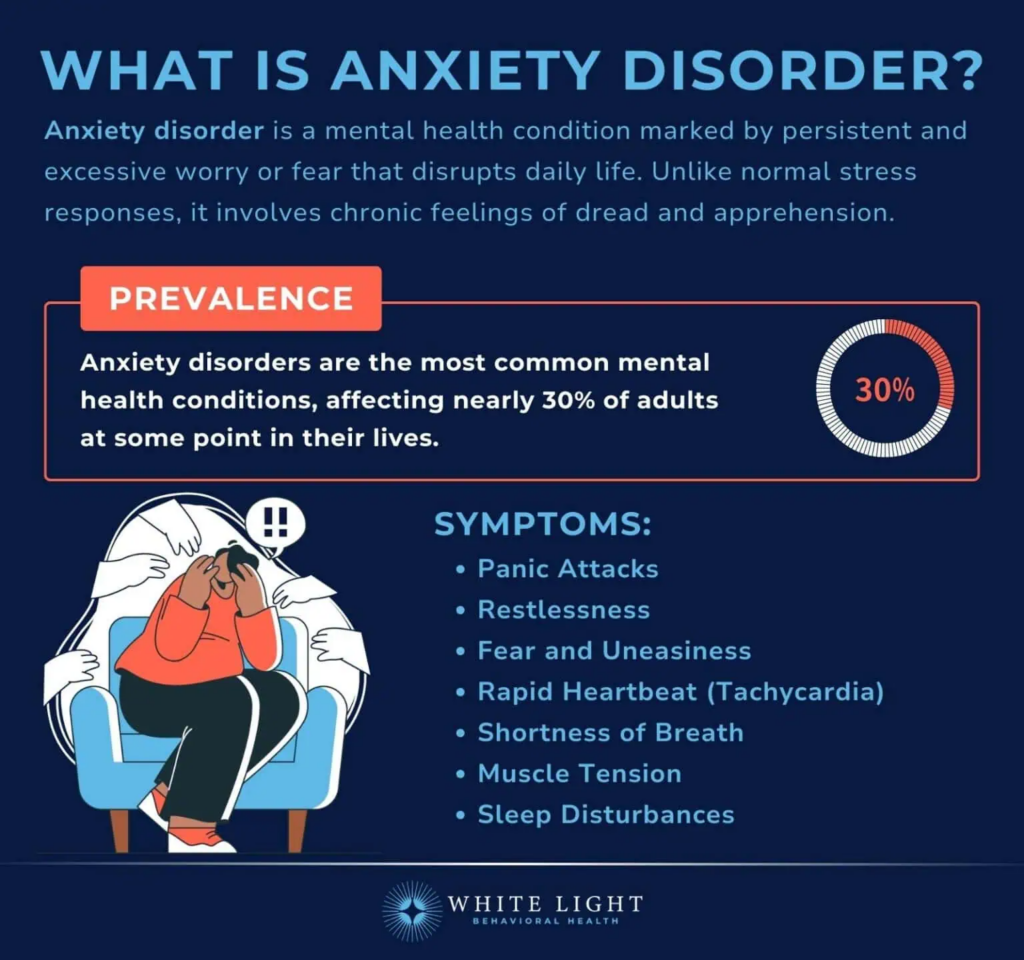
During the COVID-19 pandemic, a systematic review and meta-analysis found that the pooled prevalence rates for anxiety and depression among the general population in Africa were 47% and 48%, respectively. This indicates a substantial increase, highlighting the pandemic’s significant impact on mental health across the continent. Young people have been disproportionately affected by the rise in anxiety disorders. The World Health Organization reported in 2022 that the pandemic has significantly impacted the mental health of young individuals, increasing their risk of suicidal and self-harming behaviors.
For Chioma, anxiety wasn’t just a fleeting feeling, it was a shadow that followed her for most of her life. Yet, it became undeniable when the physical symptoms became intense: constant heart palpitations, restlessness, panic attacks, and eventually, insomnia. “I almost had that feeling throughout my life,” she explained, “but when I realised it was not normal was when I started having insomnia.”
Her breaking point came during her promotion exams to third year. “I was really trying to manage my mental health as it was not easy,” she recalled. The pressure became too much, leading to three unexpected carryovers, a wake-up call that made her seek support. In her search for help, she came across one of my posts on Facebook on an article I published “Facing the Crowd: How She’s Conquering Social Anxiety, From Hiding to Thriving…”. Moved by something I shared, she reached out.
We connected, and through a series of heartfelt conversations, Chioma opened up. She admitted she was initially skeptical, with lot of questions on how she might be perceived. “But you led me through every stage,” she later told me. “You introduced me to self-care, meditation, and so many techniques that really worked for me.”
Chioma was clear about one thing, she didn’t want to depend fully on medication unless it became the only option left. As a student nurse herself, she feared drug dependency might only manage symptoms without offering true healing. I assured her that her decision was valid, and encouraged her to also remain open to seeking professional help, such as speaking to a counselor or therapist, if the need ever arose. Healing, after all, is not a one-size-fits-all journey. What followed was a powerful journey of self-discovery, inner confrontation, and gradual transformation, one she now hopes will inspire others.
“I refused medication because I didn’t want to become dependent on it. As a nurse-midwife, I understand that while medication might alleviate the symptoms, it doesn’t truly lead to healing, and without true healing, full recovery feels almost impossible. That’s why I chose not to rely on it.”
Ndubuisi Chioma
Chioma’s concerns are well-founded, particularly regarding the use of benzodiazepines for anxiety treatment. Recent studies have highlighted significant risks associated with long-term benzodiazepine use, including an increased likelihood of developing mood disorders and substance use disorders. A 2024 retrospective cohort study published in Drug and Alcohol Dependence Reports found that patients with anxiety disorders who were prescribed benzodiazepines had a higher risk of being diagnosed with depressive disorders (Hazard Ratio [HR], 2.64), bipolar disorders (HR, 4.39), and various substance use disorders (HR, 3.00) compared to those not prescribed these medications.
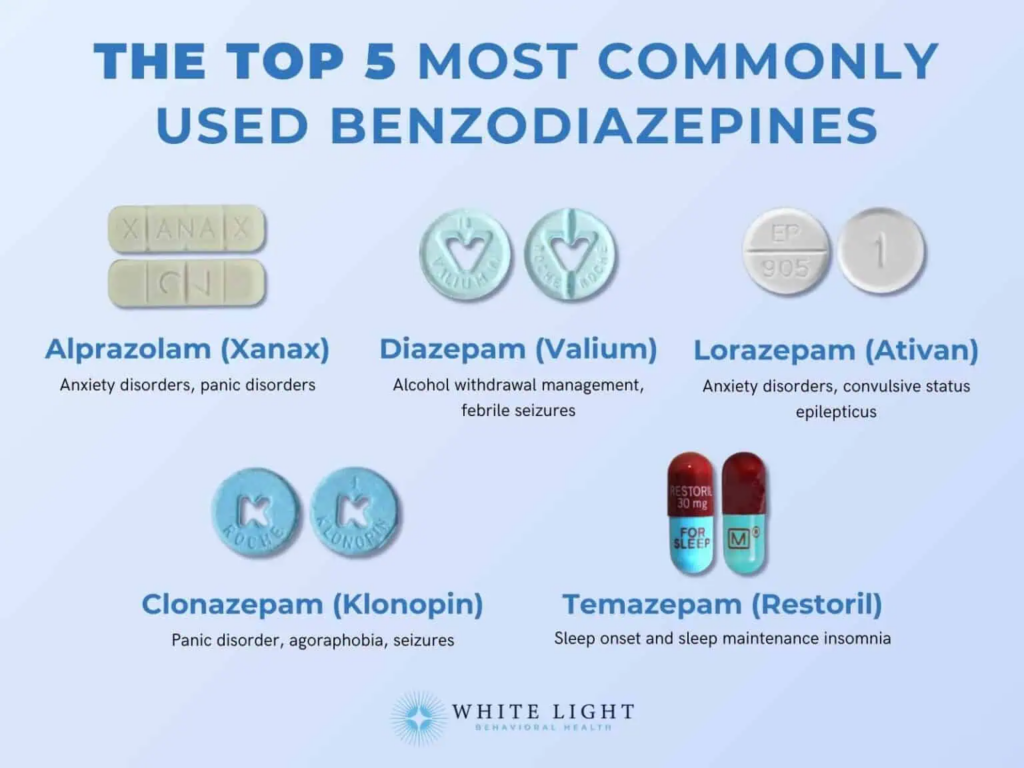
Furthermore, a 2023 study published in European Psychiatry reported that patients with anxiety disorders prescribed benzodiazepines were at a higher risk of developing substance use disorders compared to a matched cohort not prescribed these drugs. Chioma’s apprehension reflects a growing awareness of these issues and highlights the importance of exploring alternative treatments for anxiety, such as cognitive-behavioral therapy, lifestyle modifications, and other non-pharmacological interventions.
The Overwhelming Grip of Anxiety
If you’re fighting anxiety, or you’ve ever been in that place, I know you understand how overwhelming it can be. The case wasn’t any different for Chioma. She had long held a passion for caregiving and making a difference in people’s lives. But even with that purpose burning bright within her, she silently battled something far more personal, anxiety. “Anxiety was taking over me… I couldn’t help it at work or anywhere,” she shared.
And then came the guilt, the hidden culprit that quietly fueled her anxiety. I remember when she asked me,
“Does that mean that during those years I was feeding my anxiety? Does that mean that I let my emotions get the best of me? Like, I really don’t know what to do?”
Sometimes, anxiety has a way of making you question everything, your actions, your choices, and even your worth. When it feels like you’re not managing it, the weight becomes even heavier, amplifying self-doubt and confusion.
Chioma opened up about how she felt she hadn’t “cleared” with certain people, how guilt from unresolved past actions haunted her. She wanted to apologize to some, but the connections had already been severed. She couldn’t reach out, and this unresolved emotional weight left her battling invisible chains. Anxiety, in her words, made her feel like she was constantly trying to please others, putting everyone else first while losing herself in the process.
Finding Strength in Seeking Support
One of the bravest things anyone battling anxiety can do is reach out for help, and Chioma made that decision. It’s a choice many people shy away from, not because they don’t need help, but because admitting it feels like defeat. For Chioma, it was a turning point. Chioma reached out, and I’m grateful she did. Behind that message was someone determined to fight for her healing. It made me glad because, behind every article I write, I hope to inspire someone, in one way or another. That, to me, is what leaves a true legacy as a writer.
It’s heartbreaking to realize that not everyone who reaches out receives the care they deserve. Sometimes, people are met with silence. Other times, they’re given misguided advice, dismissed, or even judged. That, in itself, can worsen the condition. The next time someone reaches out to you for guidance on fighting anxiety, please help and advise them the right way. Don’t always consider anxiety pills as the first option. If you can’t genuinely advise, connect them with people who can, people who won’t judge them and will allow them to truly be themselves.
We talked. A lot. We tried things, adjusted, retried. Healing isn’t a straight line, it’s a spiral of attempts, setbacks, and small victories. I introduced her to mindfulness, gentle self-care routines, journaling, breathing exercises, and meditation. She was willing to try it all, learning to reconnect with herself and listen to her body without judgment. We didn’t force anything. What worked, we kept. What didn’t, we abandoned. Each step was about listening, to her needs, her rhythms, and her capacity. We leaned into progress, not perfection. Chioma began to experience the simple shift of reclaiming her peace. Slowly, she started to feel seen, not just by others, but by herself.
The Breakthrough
One of the most powerful moments in Chioma’s journey came when she realized she was gaining control over her life. She shared, “I started noticing I was gaining control over my life when I started being outspoken, placing people where they belong without feeling guilty, expecting worse from people, and moving on immediately.” It’s amazing how, in the process of healing, a simple shift in mindset can lead to profound change. Chioma had spent so much time before this trying to please others, doubting herself, and constantly wondering how people viewed her. But as she learned to trust herself and speak her truth, she felt liberated. “I experienced a feeling I have never had before,” she explained. And with that newfound freedom came a powerful sense of self-assurance.
Chioma also started noticing that although intrusive thoughts still occasionally came to her, they no longer had the power to control her. “My life is just normal. Though most of the time I do have intrusive thoughts, they don’t make any meaning to me. Allowing them to come and go without engaging with them makes me feel more at peace and safer.” This shift in how she managed her thoughts and emotions was monumental. She no longer felt trapped in the cycle of anxiety. Her confidence grew, not just in her personal life but in her work as well. Chioma had finally embraced her own worth, letting go of the guilt and self-doubt that once dominated her thoughts.
Living Beyond Anxiety

The reason I’m writing this piece is because Chioma recently reached out to share her incredible progress. In her message, she said, “I think I’m making huge progress about my mental state. I’m becoming better that sometimes I even forget I was once fighting anxiety. I feel I should tell my story.” This is a powerful reflection of just how far she had come in her journey toward healing. It is clear that the tools she had adopted have made a profound difference in her life.
But her journey didn’t stop there. Chioma says she continues to prioritize her mental well-being, making it an essential part of her daily routine. She understands now that healing is a continuous process, and it requires ongoing attention. Whether it’s through regular reflection, practicing gratitude, or maintaining open communication with herself, Chioma ensures she’s always in tune with her emotions and needs.
One of the most significant lessons Chioma learned along the way was the power of self-forgiveness. She realized that holding onto guilt and shame only made her anxiety worse. As she shared, “Coming out of anxiety is living another world altogether… I stopped judging myself.” This shift in perspective allowed Chioma to embrace her imperfections and accept herself fully. She learned that it’s okay to make mistakes, as long as you learn from them and keep moving forward.
Chioma’s journey is a powerful reminder that healing is possible, even when anxiety feels all-consuming. Her story is not just about overcoming the struggles of mental health but also about the strength it takes to seek help, be vulnerable, and commit to a path of self-care. She has proven that with the right mindset, a willingness to learn, and the courage to embrace different strategies, it’s possible to regain control of your life. It’s about understanding your own mind, trusting the process, and putting in the work to create the peace you deserve.
Having experienced anxiety firsthand as one of the many faces of mental health struggles, Chioma shared that she has now become more open, empathetic, and deeply willing to support others on their healing journey, embracing the role of a mental health advocate, because, in her words, she wouldn’t wish for anyone else to go through what she went through alone.
Chioma’s story is message to anyone silently battling anxiety or drifting into the shadows because of it. She wants you to know that you are not alone. Whether it’s through talking to someone, practicing mindfulness, setting healthy boundaries, or simply learning to be kind to yourself, there is a way forward. Healing doesn’t look the same for everyone, but with patience and persistence, it is possible.
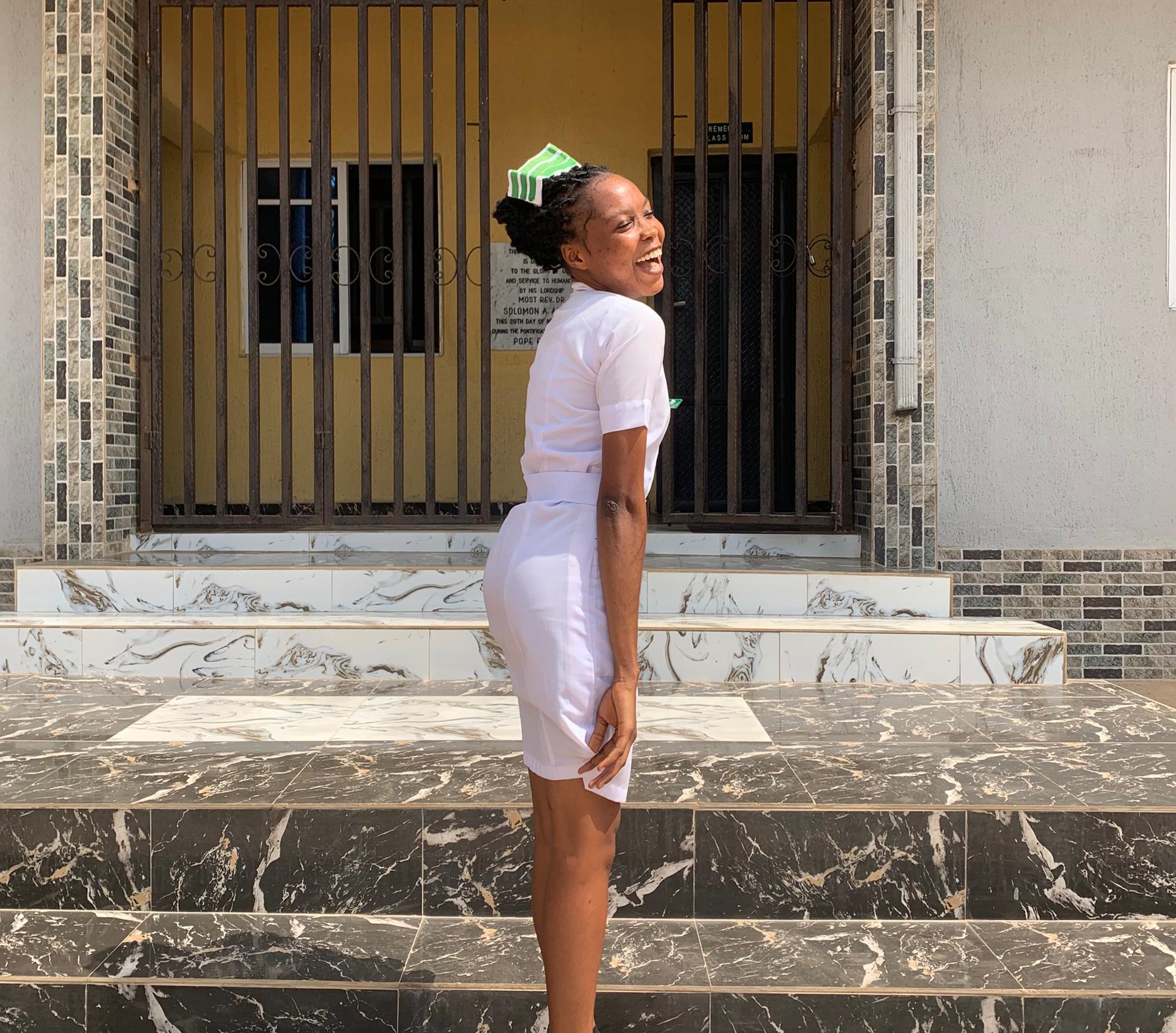
“Coming out of anxiety is like living in another world altogether… you will notice that those things you feared don’t really make any sense… you will always try to fight for yourself even when you’re the one at fault… that was when I knew that I never really liked me… when I came out of anxiety, I started having another feeling of myself that I had never really experienced before… I stopped judging me… even when you’re not happy, be sure to treat yourself to be happy… and remember, how you placed yourself is how people are going to see you… treat yourself with respect, people will respect you… never try to seek external validation from people to make you feel right…”
Ndubuisi Chioma
She hopes that by sharing her journey, someone out there who feels lost, overwhelmed, or alone might find the courage to reach out, to try something new, and to believe in their ability to heal. Support looks different for everyone, and so does healing. But what remains true is that anxiety is manageable, with the right support systems, honest self-reflection, and intentional habits. It’s about understanding your own mind, trusting the process, and putting in the work to create the peace you deserve.

- The Rise of Suicide Posts in Digital Spaces Reflects a Growing Mental Health Crisis - February 22, 2026
- How Kenya’s Silent Lifestyle Disease Crisis Is Reshaping Public Health - February 12, 2026
- The Rise of Lifestyle Diseases Emerges as a Crisis Among Kenya’s Youth - February 9, 2026