Men, There is power in vulnerability. When we become vulnerable, we take back our power from the things we are battling with.—Jairus Kibagendi, Psychologist & Founder, A Million Hugs
In the quiet corners of towns, in corporate offices, on rural village paths, and inside school classrooms — Kenyan men are suffering silently. Their struggles are real, but their voices are muted. Not because the pain is any less, but because the world has taught them to hide it. This silence has a price — addiction, emotional isolation, domestic violence, and suicide. Psychologist Jairus Kibagendi, based in Kisii and founder of A Million Hugs, has spent years listening to stories most men never tell. He has seen the impact of silence — and now, he is speaking out.
From Boys to Men: The Birth of Emotional Repression
“It doesn’t start later in life. It starts early,” Kibagendi explains, referring to emotional suppression in men. As a child grows, he is shaped not just by genetics but by ,“This tuning out and repressing emotions becomes their default way of dealing with problems,” Kibagendi adds, the emotional atmosphere of his upbringing — what psychologists call the interaction between nature and nurture. For most boys, this environment subtly but forcefully enforces one unspoken rule: Don’t show weakness. “The social construction that a man should not be vulnerable is a lie sold to boys,” Kibagendi says. So, what happens when a young boy cries and is told to “act like a man”? What happens when he is punished for expressing fear or sadness? He begins to repress his emotions, learning that silence is strength — that emotional honesty is weakness.“This tuning out and repressing emotions becomes their default way of dealing with problems,” Kibagendi addsWhere Are the Men? The Therapy Gap
In a country where mental health services are still growing, one group is noticeably missing: men. “In my entire career, I’ve handled very few cases of men coming for therapy,” Kibagendi reveals. Despite facing similar — if not more intense — emotional challenges, men avoid therapy at alarming rates. The stigma of appearing weak, fear of judgment, and deep cultural conditioning keep them away from therapy rooms and wellness events.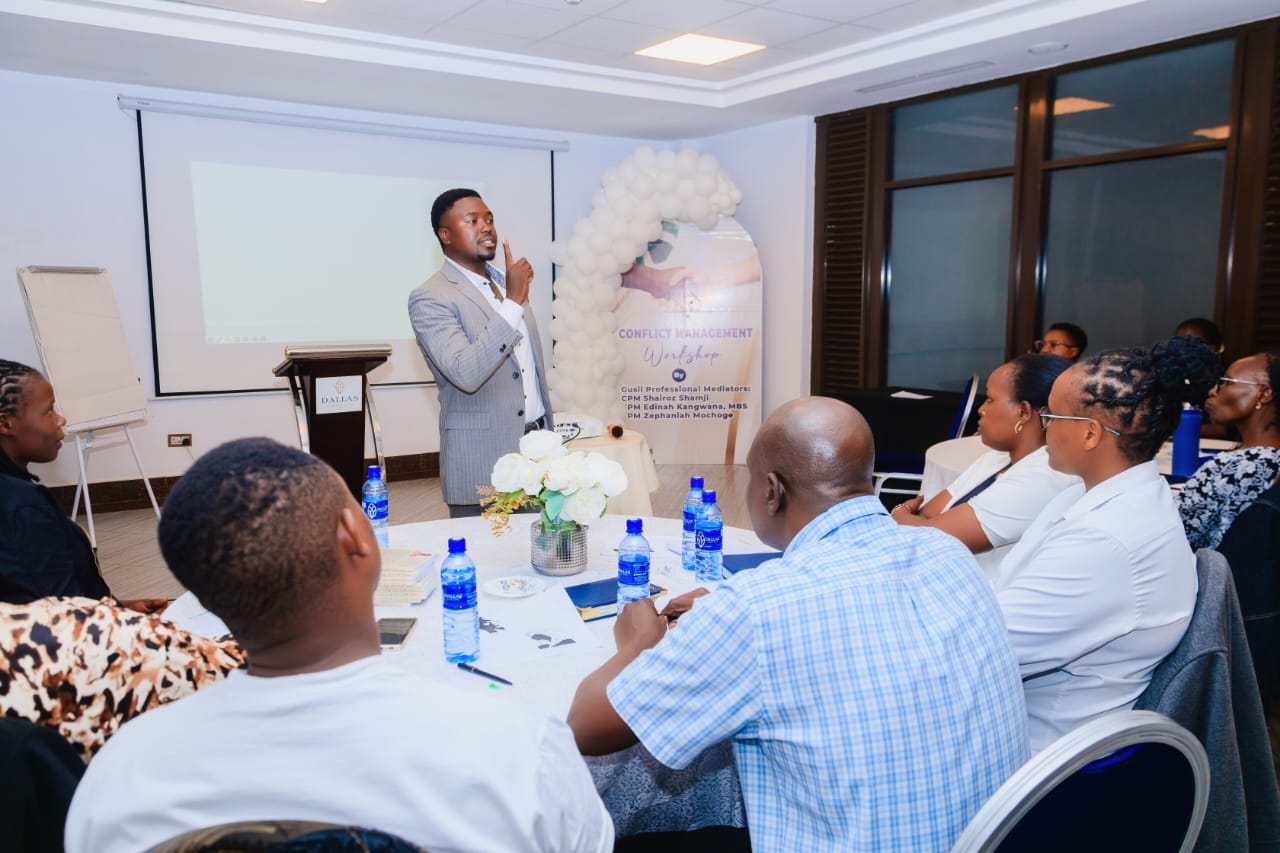
Escaping Reality: Addiction as a Coping Mechanism
With no safe outlet to talk, many men turn to destructive coping mechanisms.“Addiction is a silent pandemic,” Kibagendi warns.
From substance abuse to screen dependency and pornography addiction, more men are slipping into cycles of escapism — not because they are weak, but because they lack safe spaces to process their pain. “People are looking for a way to escape facing themselves. A way to escape meeting themselves.”
Kibagendi, who speaks frequently in high schools, sees this trend developing early. “Teenage boys are already getting addicted to pornography and masturbation at alarming levels,” he notes. This epidemic often spills over into nightlife behavior and substance use. “Walk into a club on any night and count heads — two-thirds of the patrons are men.”
Suicide: The Final Cry for Help
The silence doesn’t just lead to addiction — it leads to death. “Just this morning, I was called by a friend. One of our friends had tried to die by suicide yesterday.” The statistics are heartbreaking. While women may attempt suicide more often, men die by suicide more frequently — often using more lethal means. “The fundamental reason people want to die by suicide is not because they want to die — but because they want to end the pain,” Kibagendi says. The pain of unprocessed trauma. The pain of unmet expectations. The pain of being unheard.Emotional Absenteeism: The Unseen Father Wounds
Men silence ripples beyond the individual — it touches families, spouses, and children. “A lot of men are absent emotionally in their families,” Kibagendi says. “That opens wounds that lead to broken generations.” When fathers are emotionally unavailable, their children — especially sons — grow up without the emotional nurturing they need. “There’s what we call ‘father wounds’. When a father is not present emotionally, the child lacks optimal conditions for emotional growth.” This leads to generational cycles of emotional neglect, addiction, and brokenness.If we speak up, we begin our journeys. If we remain silent, we give our struggles the power to destroy us.
—Paul Isendi
Innovating Mental Health Access in Kenya
For Kibagendi, the way forward is innovation and outreach. “The field of counseling hasn’t grown enough in Kenya to be a lucrative business. Practitioners can’t just sit in offices and wait for clients.”He urges young psychologists to create programs that reach grassroots communities, slums, and pre-urban spaces. “Let’s be innovative. Build social media brands. Disseminate knowledge freely. Sometimes, you convert your audience into clients by helping them for free.” Kenya’s mental health infrastructure is still underdeveloped. Progress requires creativity, compassion, and community.“There is help out here. You are not alone. You can be listened to.” — Jairus Kibagendi
A Final Plea: To Every Man in Pain
As our conversation ends, Kibagendi’s voice softens — not with defeat, but with hope. “To every man out there — please, please, please. There is help. You’re not alone. You can be listened to.” Healing begins with one powerful step: acceptance. “Acceptance is the first step toward healing. Once you accept, then you can focus on what next.” “Sometimes people around you don’t know how to support you — because you’ve never been vulnerable with them.” “There’s power in vulnerability. When we become vulnerable, we reclaim power from the things that dominate us. When we keep silent, we give those things power to dominate us.”Men, Let’s Talk
Men, Let’s Talk. Let’s end the silence. Let’s challenge the stigma. Let’s break free from the chains of emotional crisis. The battle for mental wellness is not a women’s issue — it’s a human issue. It’s time we said it louder: Men, let’s talk.
Communication and Media Expert at FreeLance / Writer at EpicPulse Magazine
Hi, I’m Jibendi Paul Isendi.
I’m a communication and media expert by training but a storyteller at heart. I wear many hats—including Communication Strategist, Writer, Digital Marketer, and Media Consultant—all driven by one mission: turning ideas into impact, one story at a time.
When I’m not crafting campaigns or shaping brands, you’ll find me behind the camera as a Cinematographer, at my desk as a Graphic Designer or Editor, or on set as a Film Producer. Every frame, word, and strategy I create is intentional—because media isn’t just about visibility; it’s about meaningful connection.
I also handle Public Relations (PR)—because even the best stories need the right audience.
Ready to create something unforgettable together?
Email: paulisendi2018@gmail.com
Phone: 0743 099 850
I’m a communication and media expert by training but a storyteller at heart. I wear many hats—including Communication Strategist, Writer, Digital Marketer, and Media Consultant—all driven by one mission: turning ideas into impact, one story at a time.
When I’m not crafting campaigns or shaping brands, you’ll find me behind the camera as a Cinematographer, at my desk as a Graphic Designer or Editor, or on set as a Film Producer. Every frame, word, and strategy I create is intentional—because media isn’t just about visibility; it’s about meaningful connection.
I also handle Public Relations (PR)—because even the best stories need the right audience.
Ready to create something unforgettable together?
Email: paulisendi2018@gmail.com
Phone: 0743 099 850
Latest posts by Jibendi Paul Isendi (see all)
- Common and Costly Myths and Misconceptions in Mental Health - May 31, 2025
- Addiction and Mental Health: Vicious Cycle You Need To Know - May 30, 2025
- Mental Health Resources When You Need Help - May 29, 2025