Megan Kiragu is reshaping the conversation around men’s mental health, highlighting how societal expectations and stigma affect men’s emotional wellbeing.
As a psychology student and advocate, she brings both personal and professional perspectives to this important issue.
In this feature, Megan Kiragu shares her insights on why the current approach to men’s mental health needs to change, and how we can create a more open and supportive environment for men to seek help.
Megan Kiragu has long been committed to shifting how men’s mental health is perceived, combining her academic knowledge with lived experience and hands-on advocacy.
“I am currently pursuing a Bachelor’s degree in Psychology at USIU–Africa, where my academic work and lived experiences continue to shape my understanding of mental health, especially for young men.”
Megan Kiragu
Professionally, she is actively involved in mental health advocacy through research, peer support, and content creation, working to make psychological knowledge accessible and to create safe spaces where men can face emotional challenges without shame.
Her academic background at USIU has provided her with a strong foundation for understanding human behavior and emotional development.
Megan explains, “Studying psychology has provided me with insight into how cultural expectations influence men’s coping strategies and help-seeking behavior. Being in a multicultural environment has strengthened my appreciation for diverse lived experiences and helped me apply theory in a culturally sensitive way.”
This allows her to approach men’s mental health with empathy, develop practical strategies for awareness, prevention, and intervention, and advocate for male-sensitive support frameworks.
Megan’s commitment is also personal. She recalls, “During my studies, I encountered several personal interactions with male friends and peers who were struggling but felt unable to seek support. Hearing statements like ‘I don’t know how to talk about it’ made me realize how men are conditioned to internalize emotional pain. The weight they carry silently can be overwhelming.”
Witnessing this firsthand reinforced her dedication to creating safe spaces and advocating for early intervention. As she puts it, “Men, just like everyone else, deserve grace, empathy, and a safe place to simply be human.”
At the same time, Megan recognizes the limits of support. “In my day-to-day interactions with men, I put my school work into action and help where necessary. But, to be very honest, you cannot help someone who is not willing to be helped and not willing to put themselves first and seek assistance,” she reflects, highlighting the importance of individual responsibility alongside systemic change.
She emphasizes that while support is important, real change also depends on each person’s willingness to take action for their own well-being.
Challenges and Insights in Men’s Mental Health
In her interactions with men, Megan Kiragu has observed a common theme: many men struggle in silence.
“Although they experience emotional distress, they often avoid open expression because they fear appearing weak,” she notes. Language can also limit emotional expression, as many men find it difficult to name what they are feeling. Instead, emotions often show through behaviors such as withdrawal, irritability, or overworking.
Research supports Megan’s observation that men often struggle to name their emotions, instead expressing them through withdrawal, irritability, or overworking. A 2025 study published in Current Psychology found that “thought suppression strategies” act as a mediator between traditional masculinity ideals and externalized depressive symptoms in men. This means that many men, socialized to stay “strong,” push down difficult emotions instead of verbally acknowledging them, which can lead to stress, emotional blunting, and even somatic symptoms.
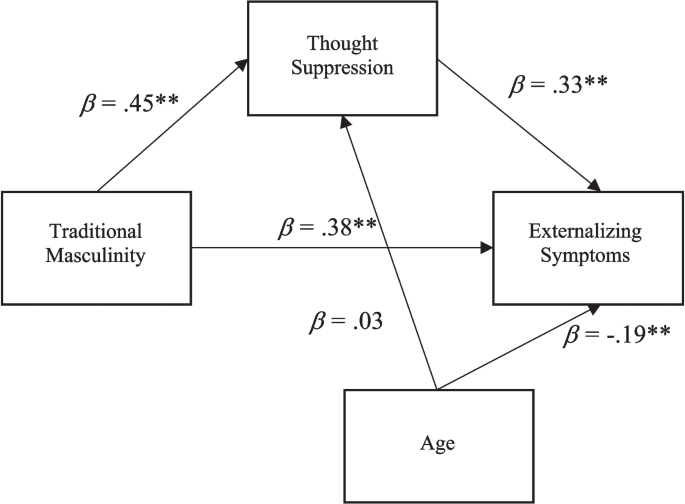
Scientific research now shows that emotional suppression is a common, measurable pattern among men shaped by deeply internalized norms.
Megan adds, “Some tend to be comfortable during one-on-one sessions or in anonymous spaces where they feel respected. Many express their pain indirectly through humour, distraction, or vague statements, which feels easier than directly naming the emotion. Despite this, when offered genuine empathy and confidentiality, men are often very receptive and grateful to share their experiences.”
Stigma remains one of the greatest barriers preventing men from seeking support. Megan explains, “The phrases men grow up hearing, ‘be strong,’ ‘don’t cry,’ or ‘man up’ teach them to suppress emotional expression. Seeking help then feels like failure rather than courage.”

She also emphasizes the role of education, noting that many men lack proper awareness of mental health resources and are not encouraged to attend sessions or events where vulnerability is welcomed. She highlights the need to create supportive spaces for men and to encourage emotional openness from a young age.
“We need to create spaces for men to be emotionally safe and respected, encourage them from a young age to express emotions freely without shame, and educate them on the importance of acknowledging their feelings.”
Megan Kiragu
Despite these challenges, Megan is optimistic about initiatives that are shifting attitudes toward men’s mental wellbeing. Social media has become a powerful platform for connection and awareness.
“Storytelling online creates space for people to share experiences, access support discreetly, and see that emotional expression is normal,” she says. She points to influencers like Thoguo (@cinqduex on TikTok), whose direct style challenges insecurities and encourages growth. “To those not used to blunt truths, his content might feel aggressive, but in reality, he is encouraging people to allow themselves to heal and showing how that makes life more manageable.”
Megan also highlights broader efforts, such as counselors using social media to share mental health information and events like Abel Mutua’s men’s conference, which offer men safe spaces to discuss challenges without judgment. Globally, campaigns encouraging men to speak up about their struggles have helped reduce stigma, and similar progress is slowly taking shape in Kenya.
Megan’s Vision for Men’s Mental Health
Looking ahead, Megan Kiragu envisions a Kenya where men can express emotions freely without being labeled weak, and where mental health care is accessible, normalized, and integrated into daily life.
“I imagine a society where boys and young men are taught emotional language early, and where fathers, brothers, and sons actively support one another emotionally.”
Megan Kiragu is already contributing to making this vision a reality. She engages in advocacy through educational content, participates in research on men’s help-seeking behavior, and takes part in awareness programs both on and off campus. Collaborating with peers, she helps create safe community spaces where men can speak openly.
“I want to create spaces where men feel safe to express themselves, while advocating, researching, and sharing knowledge that makes mental health relatable. If even one conversation helps a man seek support or feel understood, then that is the impact I hope to make.”
Megan Kiragu
Her aspirations extend to developing programming that promotes early intervention, emotional literacy, and affordable professional support. Megan’s vision is a roadmap for systemic change, aiming to transform the way men experience and access mental health support across Kenya.
It is really inspiring to see the work she is already doing and the vision she is steadily building, much like the other young medical and mental-health students we’ve featured here, who are using their skills to shape a healthier future. With voices like theirs leading the way, we have the potential to change the narrative around men’s health in meaningful and lasting ways.

- The Rise of Suicide Posts in Digital Spaces Reflects a Growing Mental Health Crisis - February 22, 2026
- How Kenya’s Silent Lifestyle Disease Crisis Is Reshaping Public Health - February 12, 2026
- The Rise of Lifestyle Diseases Emerges as a Crisis Among Kenya’s Youth - February 9, 2026

