At EpicPulse Magazine, we believe in the power of storytelling to inform, educate, and raise awareness about critical issues impacting our communities. Health is one of our key focus areas, as we strive to spark meaningful conversations and drive positive change. And today, we launch a special series on kidney failure and dialysis, a topic that holds deep personal significance for us.
Last year, we mourned the loss of our esteemed Founder and CEO, Mark Turuchiu, who passed away following a dialysis session. In his honor, we established the Health column, an ongoing effort to amplify health-related stories from Kenya and across the African continent. We begin this journey by focusing on kidney health, the ailment that claimed our CEO, recognizing the pressing need for advocacy and awareness in our society.
Chronic kidney disease (CKD) is a growing concern worldwide, with over 2 million people currently receiving treatment for kidney failure, though this number may represent only 10% of those who actually need treatment to live. In Africa, the burden is significant; for instance, schistosomiasis, a disease prevalent in sub-Saharan Africa, is responsible for approximately 150,000 deaths from kidney failure annually.
In Kenya, the situation is alarming. A study conducted at Kenyatta National Hospital revealed a notable prevalence of CKD among medical inpatients, highlighting the urgent need for enhanced screening and preventive measures. Furthermore, discussions have emerged suggesting that kidney failure may be surpassing traditional diseases like malaria, tuberculosis, and AIDS in mortality rates within the country, underscoring the critical need for focused attention on this health issue.
Through this series, we aim to educate, raise awareness, and highlight real-life stories surrounding kidney disease and treatment options available for those affected.
What is Kidney Failure?
The kidneys are two fist-sized organs that play a vital role in filtering waste, removing excess fluid, balancing minerals, and regulating blood pressure. When the kidneys lose their ability to function properly, waste and toxins build up in the body, leading to severe health complications.
Kidney failure, also known as end-stage renal disease (ESRD), occurs when the kidneys have lost 85–90% of their function, making medical intervention such as dialysis or a kidney transplant necessary for survival.
Causes of Kidney Failure
Kidney failure does not occur overnight; it is usually the result of prolonged damage caused by underlying health conditions. Over time, these conditions impair the kidneys’ ability to filter waste and maintain essential bodily functions. Some of the most common causes include:
1. Chronic Kidney Disease (CKD)
Chronic Kidney Disease is a progressive condition in which kidney function gradually declines, often due to long-term conditions such as diabetes and high blood pressure. These diseases damage the delicate blood vessels in the kidneys, reducing their ability to filter waste effectively. One of the biggest challenges with CKD is that it often goes undetected in its early stages. Symptoms may be mild or completely absent until significant kidney damage has already occurred, making early screening and management crucial.
2. Diabetes (Type 1 & Type 2)
Diabetes is the leading cause of kidney failure worldwide. Persistently high blood sugar levels damage the tiny blood vessels in the kidneys, impairing their ability to filter waste and leading to gradual kidney function decline.
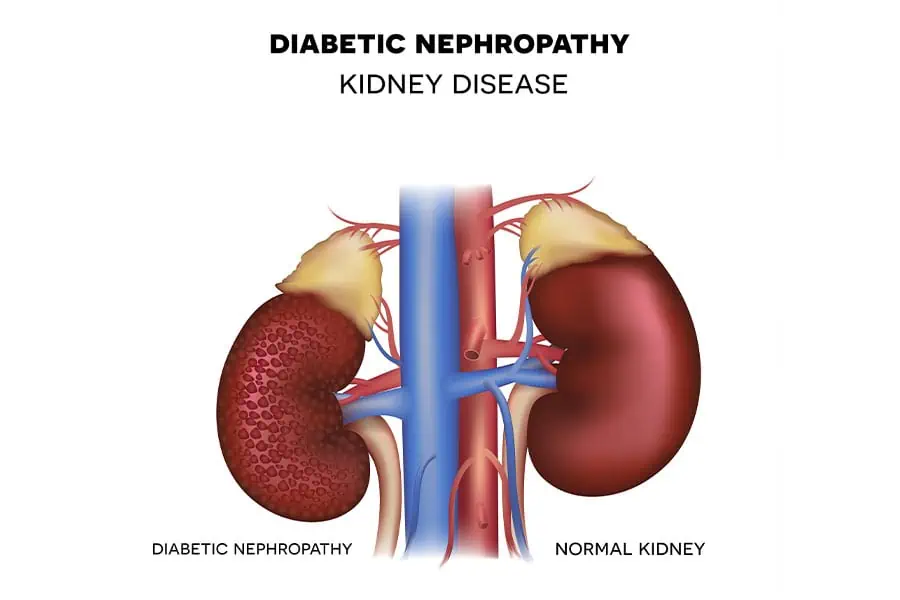
Diabetic kidney disease (diabetic nephropathy) is a serious complication of diabetes that affects the kidneys’ ability to filter waste, leading to chronic kidney disease (CKD) and, in severe cases, kidney failure.
Diabetes is a significant and growing health concern in Africa, with profound implications for kidney health. According to the International Diabetes Federation (IDF), approximately 24 million adults in the Africa region were living with diabetes in 2021, representing a prevalence of 4.5%. This number is projected to increase by 129% to 55 million by 2045, the highest anticipated rise among all IDF regions.
3. High Blood Pressure (Hypertension)
Hypertension is the second leading cause of kidney failure. It puts excessive strain on the blood vessels in the kidneys, leading to gradual damage and reduced filtering capacity over time.
4. Polycystic Kidney Disease (PKD)
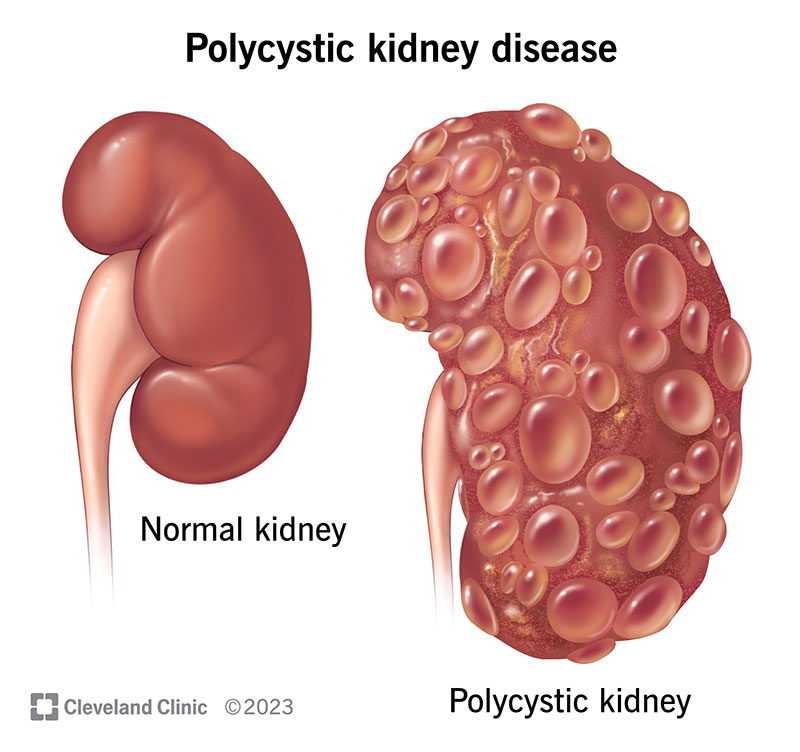
Polycystic Kidney Disease (PKD) is a genetic disorder in which fluid-filled cysts develop in the kidneys, causing them to enlarge and lose function over time. It can lead to high blood pressure, kidney infections, and eventual kidney failure.
5. Autoimmune Diseases (e.g., Lupus, IgA Nephropathy)
In autoimmune diseases, the body’s immune system mistakenly attacks the kidneys, leading to inflammation, scarring, and gradual loss of kidney function. Conditions like lupus and IgA nephropathy can cause long-term damage, increasing the risk of kidney failure.
6. Urinary Tract Obstructions
Blockages such as kidney stones, an enlarged prostate, or tumors can obstruct urine flow, leading to pressure buildup and kidney damage. If left untreated, these obstructions can cause infections and long-term kidney dysfunction.
7. Drug and Toxin–Induced Kidney Damage
Long-term use of certain painkillers like Non-steroidal anti-inflammatory drugs (NSAIDs), some antibiotics, and illicit drugs can harm kidney tissues. Additionally, exposure to heavy metals (such as lead or mercury) and certain herbal supplements may contribute to kidney damage over time.
Common Symptoms of Kidney Failure:
✔️ Fatigue and Weakness – Due to toxin buildup and low red blood cell production.
✔️ Swelling (Edema) – Fluid retention in the legs, feet, or face due to kidney inefficiency.
✔️ Changes in Urination – Foamy urine, frequent urination at night, or decreased urine output.
✔️ Shortness of Breath – Fluid accumulation in the lungs due to excess waste retention.
✔️ Loss of Appetite and Nausea – The body struggles to eliminate waste, leading to digestive discomfort.
✔️ Itchy Skin and Muscle Cramps – Imbalance of minerals like calcium and phosphorus.
✔️ High Blood Pressure – Poor kidney function contributes to difficulty in regulating blood pressure.
When is Dialysis Needed?
Kidney dialysis is a medical treatment that takes over the function of failing kidneys by filtering waste, excess fluids, and toxins from the blood. It becomes necessary when the kidneys lose their ability to perform these tasks on their own.
Dialysis is a life-saving treatment for individuals with end-stage kidney failure, where kidney function drops to a critical level (usually below 15% of normal capacity). At this stage, the body can no longer remove waste efficiently, leading to dangerous toxin buildup. Dialysis helps maintain balance in the body, preventing complications like severe fluid retention, high potassium levels, and metabolic imbalances.
Kidney failure is preventable in many cases, and early detection is key to improving outcomes. If you or a loved one are experiencing any of the symptoms mentioned above, seek medical advice as soon as possible.
At EpicPulse Magazine, we remain committed to sharing impactful health stories that empower individuals and communities across Kenya and Africa. Together, let’s raise awareness and improve kidney health for all.

- The Rise of Suicide Posts in Digital Spaces Reflects a Growing Mental Health Crisis - February 22, 2026
- How Kenya’s Silent Lifestyle Disease Crisis Is Reshaping Public Health - February 12, 2026
- The Rise of Lifestyle Diseases Emerges as a Crisis Among Kenya’s Youth - February 9, 2026
