Restoring Independence, One Small Victory at a Time
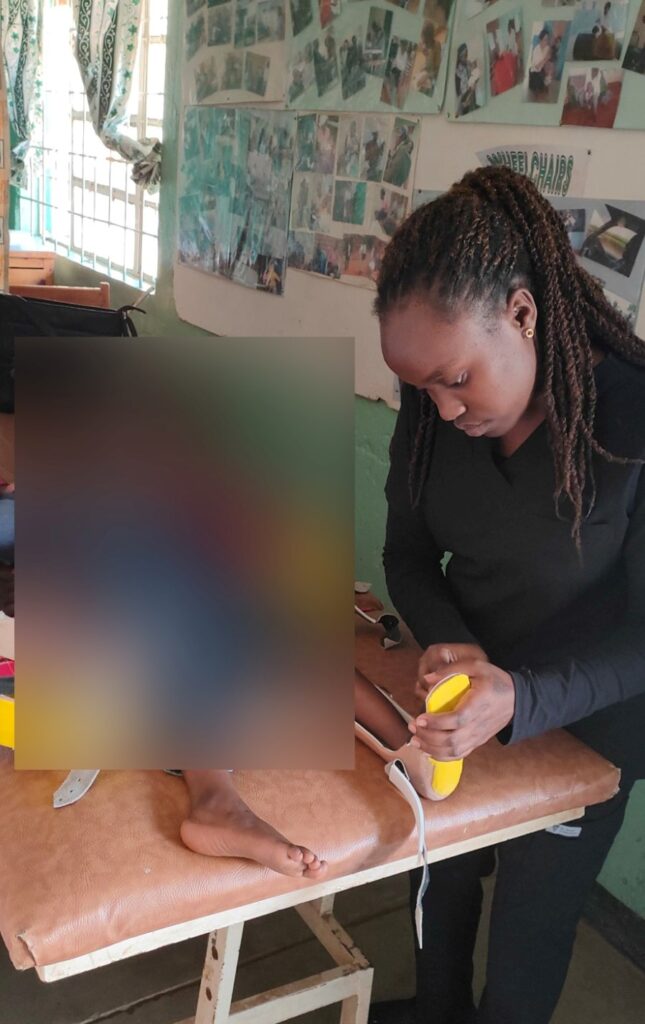
Joan Mutuku is on a mission to redefine occupational therapy, focusing on restoring independence through personalized care. Her approach has empowered countless individuals to reclaim their daily lives, one small victory at a time.
Occupational therapy might not be the first thing that comes to mind when you think about healthcare, but it’s one of the most transformative professions you’ll ever encounter. Picture this: a stroke survivor relearning how to button a shirt, a child with autism discovering joy in play, or an elderly person with Parkinson’s reclaiming their independence in daily routines. That’s the magic of occupational therapy — a profession that bridges the gap between physical health and living life to its fullest potential.
But wait, do you know what an occupational therapist does? Or, let’s start simpler: how many types of therapists can you name? Did you immediately think of a mental health therapist or counselor? If so, you’re not alone. Many people don’t realize there are therapists dedicated to helping individuals overcome physical, emotional, and social barriers to everyday living. Let’s explore the fascinating world of occupational therapy, a field that’s as practical as it is life-changing!
Where care extends far beyond the traditional and into the heart of what it means to truly live.
Occupational therapy (OT) plays a vital and often transformative role in helping individuals of all ages regain or improve the skills necessary for daily living. At its core, OT focuses on enabling people to perform everyday activities, or “occupations,” that are meaningful to them. This might include personal care tasks like dressing or cooking, as well as more complex activities such as returning to work or participating in social engagements. Occupational therapists work with clients to assess their abilities and develop personalized treatment plans that help them achieve independence and improve their quality of life.
Unlike traditional therapy, which centers on talking through issues, OT emphasizes re-engaging clients in meaningful routines to improve their overall well-being. By addressing how a person interacts with their environment and the activities that matter most, OT bridges the gap between mental health treatment and everyday functioning, empowering individuals to regain independence and lead fulfilling lives.
Occupational Therapy Insights from Joan Mutuku
Occupational therapy is more than just a profession—it’s a calling to transform lives through everyday activities that many take for granted. For Joan Mutuku, a fourth-year Occupational Therapy student at Jomo Kenyatta University of Agriculture and Technology, this journey has been nothing short of eye-opening. Her passion for working with children, coupled with her experiences in volunteering and fieldwork, has deepened her appreciation for the profession’s impact. In this article, she shares her journey, insights, and aspirations, redefining what it means to be an occupational therapist in a world where the simplest actions can make the biggest difference.
Finding Purpose in Occupational Therapy
For Joan Mutuku, the path to occupational therapy was not a straightforward one, it was a journey of discovery, curiosity, and a deep desire to make a difference in people’s lives. Initially, she knew she wanted a career in healthcare, but it wasn’t until she explored various options that she found her true calling in occupational therapy.
“My goal was to pursue a career where my skills could be helpful to others in health-related fields,” Joan shares. “After several consultations, I developed a deep interest in this field. I’ve never regretted my decision; instead, occupational therapy has broadened my perspective and constantly motivates me to help others.“
What drew her in the most was the profession’s unique approach to healing, going beyond hospital walls to help individuals regain independence in their daily lives. “While doctors focus on ensuring bodily systems function properly, occupational therapists go further by ensuring individuals can actively engage in their daily lives despite their conditions,” she explains.
Empowering Independence
Occupational therapists play a significant role in enhancing a patient’s quality of life by focusing on their ability to perform meaningful daily activities.
“The uniqueness of OT lies in its emphasis on function and participation rather than merely addressing diagnosis or symptoms.” —Joan Mutuku
Unlike other healthcare professionals who primarily address diagnoses and symptoms, OT emphasizes function and participation. “We help individuals restore or adapt their ability to do everyday tasks like cooking, dressing, or engaging in hobbies.” The journey of studying and practicing OT comes with both challenges and deeply fulfilling moments. “One of the most rewarding aspects is witnessing how interventions empower individuals to regain independence and achieve their goals,” Joan shares. However, she acknowledges the difficulties, from balancing academic theory with hands-on practice to addressing misconceptions about OT’s role in healthcare.
“However, studying OT can be challenging. Balancing academic theory with practical applications requires mastering complex concepts and developing clinical reasoning skills. Additionally, there is a need to address misconceptions about occupational therapy’s scope and significance within the broader healthcare system.”—Joan Mutuku
Client-Centered Care in Occupational Therapy
Occupational therapy (OT) has long been rooted in the principles of client-centered care, but its evolution in mental health practice has been transformative. The focus has shifted from a one-size-fits-all approach to a more nuanced, individualized framework, emphasizing the client’s unique experiences, preferences, and goals.
Historically, OT in mental health was primarily therapist-driven, with treatment plans based on generalizations about mental health conditions rather than the individual’s lived experiences. Over time, research, advocacy, and the growing recognition of mental health as a deeply personal journey have propelled the adoption of client-centered models.
“Initially, occupational therapy relied on standardized interventions and general protocols. Over time, models like the Canadian Model of Occupational Performance and Engagement (CMOP-E) and the Person-Environment-Occupation (PEO) framework have emphasized the importance of tailoring interventions to individual needs, preferences, and environments. Insights from psychology, sociology, and other disciplines have enriched this holistic approach.”—Joan Mutuku.
Challenges in Implementing Individualized Treatment Plans
While the shift toward personalized care has enriched OT practice, it is not without challenges.
1. Balancing Client Autonomy with Professional Expertise:
Therapists must strike a delicate balance between respecting the client’s preferences and making professional judgments about what is safe and effective. For example, clients may set goals that are too ambitious or misaligned with their current capabilities.
Ethics in Counselling: The principle of autonomy expresses the aspiration to protect the independence of those we support, enabling them to make their own decisions for their lives. It highlights respect for individual values and beliefs that can guide people to use their voice to express themselves and make choices.
2. Diverse Needs and Intersectionality:
Addressing the intersectionality of factors like socioeconomic status, cultural background, and trauma history requires therapists to adopt a flexible, creative approach, which can be demanding without adequate training or support.
3. Outcome Measurement:
Traditional methods of evaluating success in therapy often do not account for subjective client satisfaction or personal progress, making it harder to justify personalized approaches in institutional settings.
Managing Emotional and Physical Demands in Occupational Therapy
Working with patients facing severe injuries or chronic illnesses can be emotionally and physically demanding, which is why occupational therapists must prioritize self-care. Joan emphasizes the importance of “practicing mindfulness, setting professional boundaries, and seeking peer support” to maintain mental well-being. Additionally, training in trauma-informed care is crucial for understanding and managing the emotional toll of working with patients in distress. “Managing compassion fatigue is essential,” she adds, as it helps therapists remain effective without burning out.
Compassion fatigue is the emotional, physical, and psychological exhaustion that can result from prolonged exposure to the suffering of others. It often affects caregivers, mental health professionals, social workers, journalists covering distressing events, and advocates working in fields related to trauma and crisis.
Effective workload management, such as prioritizing tasks and collaborating with interdisciplinary teams, can alleviate stress. Joan highlights that “proper body mechanics during patient handling and regular physical activity are vital for maintaining physical well-being.” To further support therapists, advocating for environments with manageable caseloads and access to mental health resources is key to sustaining a fulfilling career in occupational therapy.
Overcoming Barriers to OT Practice in Kenya
Occupational therapy (OT) plays a critical role in promoting mental health and overall well-being, yet the practice faces significant barriers in Kenya. From restricted scopes of practice to systemic challenges in resource-limited settings, therapists must overcome complex barriers to deliver effective care.
In Kenya, the scope of OT practice is often misunderstood or undervalued, limiting the profession’s reach in primary healthcare systems. Many healthcare institutions view OT through a narrow lens, associating it primarily with physical rehabilitation while overlooking its integral role in mental health care and community support.
“I believe public awareness campaigns can help demystify the Occupational Therapy profession and highlight its wide-ranging benefits, encouraging referrals and collaboration from other healthcare providers.” — Joan Mutuku.
To enhance the recognition of occupational therapy and address the scope of practice restrictions, a multi-faceted approach is required, starting with advocacy at all levels of governance. Occupational therapists need to work closely with policymakers to integrate OT into national healthcare policies, ensuring it is acknowledged as a key component of primary healthcare. Joan emphasizes the importance of advocacy, noting that “occupational therapy must be included in community-based programs to showcase its value and broad impact.”
Advocating for increased government funding would provide resources for more OT programs, making them more accessible to underserved communities. Education plays a key role in fostering interdisciplinary collaboration, as “educating both communities and healthcare professionals about OT’s diverse roles can promote referrals and encourage cross-professional teamwork.” Joan believes that supporting research that demonstrates OT’s effectiveness in various healthcare settings will further solidify its place within healthcare systems and secure its long-term integration into essential care models.
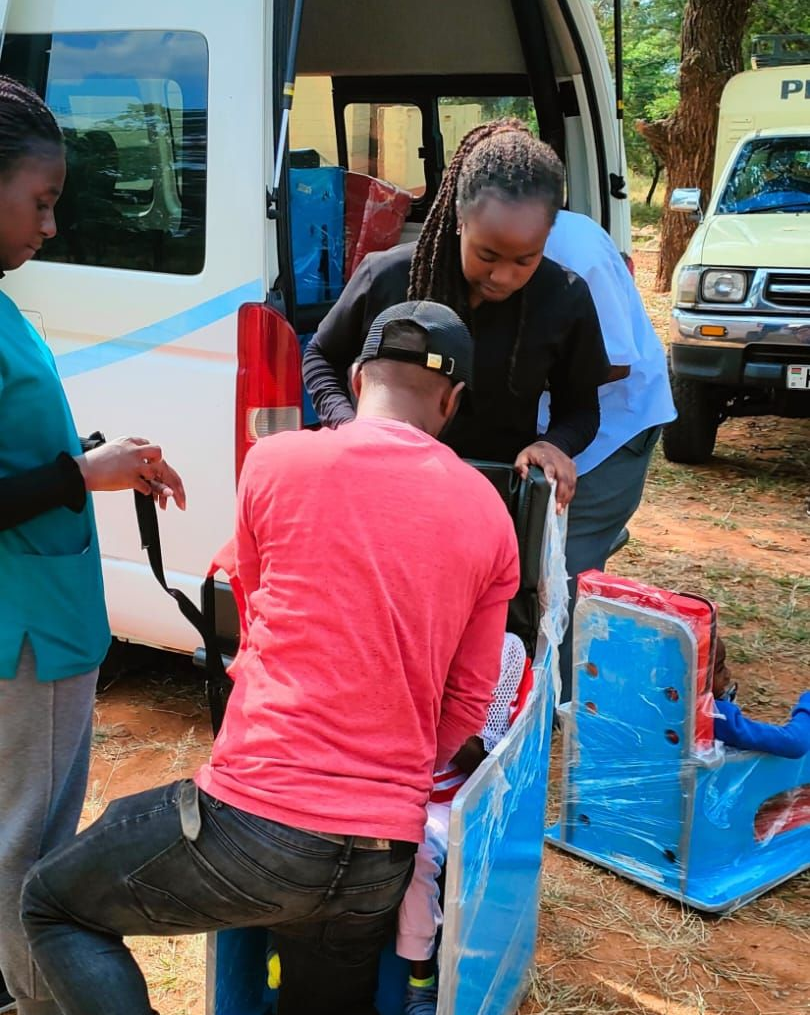
Overcoming Time Constraints in Occupational Therapy
The Challenge of Evidence-Based Practices
Occupational therapists often find themselves balancing a multitude of responsibilities across diverse care settings, and one of the most significant challenges they face is the limited time available to implement evidence-based practices. In pediatric, geriatric, and mental health care settings, the need for thorough assessments, individualized treatment plans, and ongoing patient engagement demands considerable time and attention.
However, the reality of overcrowded schedules, limited resources, and the fast-paced nature of healthcare can hinder the ability to fully dedicate time to these critical tasks. As a result, the quality of care can suffer, and therapists may struggle to keep up with the evolving needs of their patients.
To gain deeper insight into how occupational therapists address these issues, we asked Joan, and here is what she had to say.
- Pediatric Interventions: “Working with children, especially those with autism or developmental delays, requires thorough assessments, individualized planning, and continuous collaboration with families and educators.”Time is critical in creating tailored therapeutic interventions that align with a child’s specific developmental needs. Shortened time limits can compromise the ability to monitor progress and adjust interventions effectively. Streamlining assessment processes, integrating technology for virtual consultations, and involving multidisciplinary teams could maximize impact while saving time.
- Geriatric Care: Older adults with conditions like dementia or Parkinson’s disease often require ongoing therapy adjustments based on their evolving needs.“It’s not just about treating symptoms—it’s about continuously monitoring progress and making adjustments to ensure patients maintain independence in their daily lives.”Group therapy sessions or caregiver training programs can help share the load, offering consistent support and freeing up therapists’ time for more intensive one-on-one interventions.
- Community-Based Rehabilitation (CBR): Therapists working in CBR settings must engage with the broader community, which involves assessing local needs, training caregivers, and evaluating program success.“CBR requires time not just for direct therapy but for building relationships and understanding cultural and environmental factors that influence healing.” Creating community-driven programs and collaborating with local health workers can ensure sustainability, reducing the therapist’s time commitment while maintaining the quality of care.
- Post-Injury Rehabilitation: Patients recovering from strokes, traumatic brain injuries, or accidents require comprehensive assessments to determine their rehabilitation needs, followed by customized treatment plans.
- Mental Health Interventions: Time is a vital element in building trust with individuals facing mental health challenges. Therapy often involves a delicate, time-consuming process of understanding the root causes of mental health issues before beginning effective treatment.
“In mental health, establishing trust is half the battle. Without that, interventions won’t succeed.”—Joan Mutuku
“Recovery is not linear. Therapists must adapt continuously to the patient’s progress and provide support for both physical and emotional recovery.”—Joan Mutuku
Utilizing rehabilitation technologies or developing step-by-step recovery protocols can streamline the process, ensuring efficient use of therapist time while maintaining high-quality care.
Introducing brief, focused therapeutic models such as Cognitive Behavioral Therapy (CBT) or using digital tools for monitoring progress could help optimize time without compromising effectiveness.
A Call for Recognition
The invaluable work of occupational therapists like Joan, and countless others in the field, deserves not only recognition but also support from all corners of society. Their dedication to improving the lives of individuals, regardless of age, condition, or background, is nothing short of inspiring. We must acknowledge the critical role they play in our healthcare systems, especially in empowering people to regain independence, overcome challenges, and live meaningful lives.

A big thank you to Joan Mutuku for sharing her insights and to all occupational therapists who continue to make a profound difference every day. It’s time we collectively recognize and appreciate the transformative impact of occupational therapy on our communities. Let’s ensure that these professionals have the recognition, resources, and respect they truly deserve.
I’d love to leave you to contemplate with this quote:
“Occupational therapy is the art of transforming struggles into steps toward independence. It’s not the diagnosis that defines a person, but their ability to live with purpose despite it. Occupational therapy is not just about doing; it’s about becoming—helping individuals rediscover their ability to live fully.” — Carson Anekeya

- The Rise of Suicide Posts in Digital Spaces Reflects a Growing Mental Health Crisis - February 22, 2026
- How Kenya’s Silent Lifestyle Disease Crisis Is Reshaping Public Health - February 12, 2026
- The Rise of Lifestyle Diseases Emerges as a Crisis Among Kenya’s Youth - February 9, 2026
