Hypersexuality can, for some people, function as a form of self-harm, especially when sexual behaviour becomes a way to cope with emotional pain rather than an expression of desire.
Hypersexuality, also described as compulsive sexual behaviour, refers to patterns of sexual activity driven by distress, urgency, or emotional overload, where a person feels unable to regulate or stop the behaviour despite negative consequences. It’s not about having a high libido in this case, it’s about loss of control. It often involves compulsion, secrecy, and intense emotional overwhelm after the act.
Self-harm, on the other hand, includes any behaviour used intentionally or subconsciously to manage overwhelming feelings through causing oneself emotional or physical pain. While often associated with physical injury, self-harm also includes relational, psychological, and sexual behaviours used to regulate distress.
When these two concepts combine, the sexual behaviour stops being about pleasure or intimacy and becomes a coping mechanism for emotional numbing, regulating emotions, escape, or self-punishment. This is where the overlap forms: the individual uses sex in the same way another person might use cutting, drinking, or other compulsive acts, to soothe, suppress, or survive emotional pain.

How Hypersexuality Operates as Self-Harm
Hypersexuality, also known as compulsive sexual behaviour, involves an overindulgence or excessive preoccupation with anything related to sex. It can appear as persistent sexual fantasies, uncontrollable urges, or acting on those urges through self-pleasure, cybersex, multiple partners, pornography, or other sexual behaviours. What sets hypersexuality apart from “normal” sexuality is the distress and dysfunction it causes, these urges become central to a person’s life and can negatively affect health, relationships, work, and daily functioning.
According to “The Relationship between Childhood Maltreatment and Risky Sexual Behaviors: A Meta-Analysis,” childhood maltreatment, including sexual abuse, is significantly associated with higher rates of risky or compulsive sexual behaviors in adolescence and adulthood. The meta-analysis highlights that these behaviors are not driven by heightened sexual desire, but often emerge as attempts to cope with trauma, manage self-esteem, or regain a sense of control over one’s body.
Many people may not realize that hypersexuality can also be linked to past experiences of sexual violence or trauma. While the expected reaction might seem like sexual avoidance, many survivors of sexual violence tend to engage more in sexual activities to empower themselves by sex, something that disempowered them in the past. This sense of liberation can drive hypersexual behaviours, but these actions are rarely about genuine sexual satisfaction or pleasure. Instead, they often take on self-destructive patterns, leaving individuals isolated and suffering, especially in a society that stigmatizes open discussions about sex and sexuality.
Emotional numbing arises when sexual behaviour becomes a tool for silencing inner distress or managing overwhelming feelings. In moments of distress, a person may seek intense sexual activity not for pleasure, but to momentarily drown out anxiety, sadness, or overwhelming thoughts. The sexual act provides a brief escape from emotional pain, functioning much like other self-harming behaviours that aim to distract or shut down difficult feelings.
Self-punishment emerges when sex is used to reinforce negative beliefs about oneself. Individuals who carry shame, guilt, or a sense of unworthiness may engage in sexual encounters that leave them feeling degraded or unsafe. The behaviour becomes a way to “prove” their internal narrative that they do not deserve care or respect, mirroring how some forms of self-harm are driven by the need to confirm self-directed anger or self-blame.
Re-enactment of sexual trauma occurs when past sexual harm or emotional betrayal shapes current sexual patterns. Instead of healing, the person subconsciously revisits similar situations or dynamics, attempting to make sense of what was done to them or to regain a sense of control. This repetition is a trauma-driven cycle where the body and mind respond to unresolved wounds by recreating familiar harmful experiences.
Sensation-seeking plays a role when emotional numbness or dissociation becomes overwhelming. For someone who feels disconnected from their body or emotions, high-risk or intense sexual experiences can create a temporary surge of feeling. This need for stimulation mirrors other forms of self-harm that rely on strong physical or emotional sensations to break through emotional emptiness.
Compulsion overriding consent is when the drive to seek sexual release becomes so strong that the person’s true wishes, boundaries, or safety no longer guide their choices. The individual may find themselves engaging in situations they do not truly want or that leave them feeling violated afterward. The behaviour continues despite harm, guilt, or fear, just like other compulsive self-harming patterns where the urge takes precedence over personal wellbeing.
These mechanisms show how hypersexuality can function as a form of self-harm, not driven by desire but by the need to cope, survive, or escape.
The patterns described above mirror classic forms of self-harm in several ways. Hypersexual behaviour often happens in secrecy, driven by a loss of control that the person may not fully understand or feel able to interrupt. After the act, an emotional crash commonly follows, guilt, shame, or numbness, similar to what is seen after cutting or bingeing. Over time, the behaviour can escalate, pushing the individual into riskier or more extreme situations in the same way that other self-harm behaviours intensify.
This escalation may include choosing unsafe partners or environments, not because the person seeks danger, but because the compulsion grows stronger than their sense of safety or self-protection.
Psychologically, trauma plays a powerful role in shaping these patterns. Experiences such as childhood sexual abuse, emotional neglect, or betrayal in close relationships can alter how the brain links sexual behaviour with relief, survival, or control. When the body learns early that distress and sexual stimulation are connected, the adult response may repeat that pattern without conscious intent. The brain misinterprets sexual behaviour as a coping mechanism because it once served as a way to endure overwhelming experiences.
The shame cycle further reinforces this behaviour. Emotional pain or trauma triggers the urge to escape, leading to compulsive sexual behaviour that briefly numbs the distress. Afterward, guilt and shame intensify, creating even more emotional pain, driving the person back into the same cycle of relief and regret.
Biological factors strengthen this pattern as well: dopamine spikes during intense sexual behaviour reward the brain, even when the experience is harmful, and survival-driven stress responses make the behaviour feel necessary. These dynamics often overlap with depression, PTSD, borderline traits, or broader emotional dysregulation, where the person struggles to soothe themselves in safer ways.
This explains why someone who has experienced childhood trauma or trauma in past relationships, such as betrayal or emotional neglect, might repeatedly engage in sexual encounters in secrecy, even with partners who treat them poorly. They may use the act to numb anxiety, loneliness, or emotional emptiness. Afterward, they may feel intense shame and guilt, prompting them to isolate or punish themselves further, mirroring the emotional crash seen in cutting or bingeing.
Another person might escalate over time, moving from casual encounters to risky situations like unprotected sex or meeting strangers in unsafe environments, not out of thrill-seeking but because the compulsion has overtaken their sense of safety. Similarly, someone struggling with emotional dysregulation may engage in sex whenever they feel numb or dissociated, briefly feeling alive, only to return to the cycle of regret, reinforcing the shame and trauma loop described above.
Psychological, Trauma, and Life Contexts
Trauma can fundamentally rewire sexual response, particularly when it occurs during childhood or in formative relationships. Experiences such as sexual abuse, emotional neglect, or betrayal teach the brain to associate sexual activity with relief, control, or survival. In adulthood, these early patterns can resurface, often outside conscious awareness, leading individuals to use sex as a coping mechanism rather than as an expression of desire or intimacy. For some, this may include seeking extreme or even violent sexual experiences to feel anything at all, especially when dissociation or emotional numbness dominates. These behaviours are about attempting to access intense sensations that temporarily counter emotional emptiness.
In real life, hypersexual behaviour as a form of self-harm can appear in ways that are subtle but significant. Some individuals engage in sex primarily during moments of distress, using it to cope with overwhelming emotions, while others consistently choose unsafe or disrespectful partners. Detachment during sexual activity is common, where the person feels numb or disconnected from their body and emotions.
In certain cases, some women online have described preferring violent or extreme sexual encounters as a way to feel something, highlighting how trauma and emotional dysregulation can drive risky patterns. These behaviours are often overlooked due to cultural stigma, societal narratives around sexual freedom, dismissal of men’s sexual pain, moral framing of sexual behaviour, and general misunderstanding of what constitutes harm. Many people, even those close to the individual, may mistake these behaviours for choice, preference, or high libido, making recognition and support more challenging.
Gurman Kaur Chawla, in her article “Hypersexuality as a Form of Self-Harm,” said we’ve heard men say “troubled women are the best in bed,” which throws light on the sick mentality of some men who go around looking for women with a history of sexual abuse because they assume such women are “easy” or “sexually experienced.”
On the other side, comments from some women reflect a similar tension: Senator Karen Nyamu once said, “The only roughness we enjoy as women is in bed,” during a talk on gender-based violence, adding that violence in other areas of life is not acceptable. These statements together highlight how trauma, desire, and power can become dangerously entangled, and how these beliefs feed into hypersexual and self-harm patterns in ways that are rarely acknowledged.
Hypersexuality in Men: The Pressure to ‘Perform’ and Its Consequences
When we talk about hypersexuality and self-harm, the focus is often on women, but men are affected too. Recently, especially online, there has been increasing pressure pushing men to “perform,” despite the lack of a clear definition of what that truly means. Many tie it to performing sexually “perfectly” lasting long, being dominant, or satisfying their partner, which can place intense pressure on men.
Some feel a strong internal or external compulsion to engage in sexual activity repeatedly to prove themselves. When linked to trauma, emotional dysregulation, or low self-esteem, this pressure often becomes compulsive rather than desire-driven, mirroring patterns seen in self-harming behaviour.
For some men, this pressure manifests as self-punishment, pushing themselves into sexual acts even when they feel unsafe, exhausted, or emotionally unready. Failure to “perform” can trigger intense shame or self-criticism. Over time, the behaviour may escalate, with men taking greater sexual risks to meet perceived expectations. After sexual activity, an emotional crash frequently follows, guilt, shame, or numbness, similar to what occurs after cutting, bingeing, or other self-harming acts.
These cycles demonstrate how the compulsion to “perform” can function as a mechanism for coping with internal distress, rather than fulfilling sexual desire.
Societal and cultural narratives often equate masculinity with sexual prowess, creating ongoing pressure to constantly “perform.” Past trauma, whether childhood abuse, relational betrayal, or emotional neglect, can amplify this compulsive drive. Biological factors, like dopamine release during sexual activity, reinforce repeated behaviour even when harmful.
In real life, this may appear as engaging in sex despite emotional exhaustion or lack of desire, seeking multiple partners to validate sexual ability, or experiencing anxiety and depression linked to sexual performance. For many men, compulsive sexual behaviour under the pressure to “perform” acts as a coping mechanism, self-punishment, or a compulsive drive shaped by trauma and social expectations.
Consequences of Compulsive Sexual Behaviour and Support Pathways
Compulsive sexual behaviour as a form of self-harm can have profound emotional consequences. Individuals often experience shame, guilt, and depression, alongside a persistent loss of self-worth. While sexual activity may temporarily numb distress, this relief is only momentary and does not address the underlying pain. In fact, engaging in compulsive sexual behaviour can intensify feelings of emptiness or emotional numbness over time, while reinforcing existing trauma and self-directed harm. The temporary escape can create the illusion of relief, but the emotional pain often returns, sometimes even stronger, keeping individuals trapped in cycles of self-harm.
The impact extends deep into relationships and everyday life. People facing these patterns may struggle with trust, find it difficult to maintain healthy partnerships, or become vulnerable to exploitation and unsafe sexual situations. Emotional disconnection during sexual encounters can create further isolation, while escalating compulsive behaviour can worsen underlying trauma symptoms. These challenges affect daily functioning, social interactions, and overall well-being, meaning the effects of hypersexuality as self-harm are not confined to private moments, they ripple across many areas of life.

Supporting someone experiencing compulsive sexual behaviour requires an informed approach. Responses should prioritize curiosity and understanding rather than moral judgment; it is not always about moral failings, and we are often quick to judge. Many individuals engage in these behaviours as a way to cope or survive.
It is only by trying to understand the underlying emotions driving the behaviour, rather than focusing solely on the sexual acts themselves, that we can offer meaningful support and help break the cycle of harm.
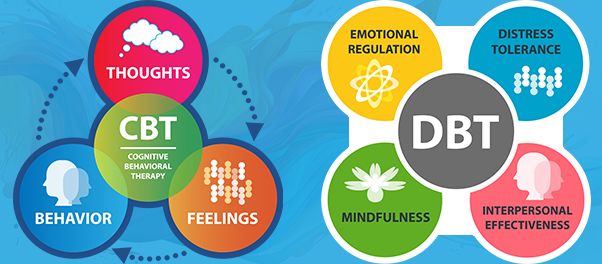
Trauma-focused therapy can help process past experiences safely, while emotion regulation strategies like Dialectical Behaviour Therapy (DBT), which teaches skills to manage intense emotions, tolerate distress, and improve interpersonal effectiveness, can provide tools to regain control and reduce compulsive behaviours.
Encouraging safer coping mechanisms, emphasizing positive sexual autonomy, prioritizing safety and consent, and gradually reducing harmful behaviours allows individuals to rebuild healthier sexual and emotional patterns while breaking cycles of self-harm.
Next time you feel the urge to turn to sex to deal with stress, shame, or emptiness, pause for a moment and ask yourself: “What am I really feeling right now? What do I actually need?” It might not be about wanting sex at all, it could be loneliness, anger, sadness, or just feeling numb. Try something that actually helps you feel grounded or cared for: talk to someone you trust, write it down, take a walk, or just breathe and notice what’s happening inside you.
Don’t beat yourself up if it takes time, every time you notice the pattern and give yourself a choice, you’re learning to take back control and care for yourself in a healthier way.

- The Rise of Suicide Posts in Digital Spaces Reflects a Growing Mental Health Crisis - February 22, 2026
- How Kenya’s Silent Lifestyle Disease Crisis Is Reshaping Public Health - February 12, 2026
- The Rise of Lifestyle Diseases Emerges as a Crisis Among Kenya’s Youth - February 9, 2026

