Victim blaming fueled by attribution bias is evident in high-profile cases like Brock Turner’s. In 2015, Brock Turner, a Stanford University student, was convicted of sexually assaulting an unconscious woman behind a dumpster. Despite the clear violation of her rights, the media and public opinion focused more on Turner’s promising future as a swimmer, with many suggesting that his life would be “ruined” by a lengthy prison sentence. The victim, on the other hand, faced questions about her own behavior, why she had been drinking, why she was alone, and why she hadn’t fought back more forcefully. The judge handed down a light sentence of just six months, arguing that a harsher punishment would negatively impact Turner’s future. This case is just but an example of how attribution bias can distort the way we view abuse, shifting blame from the perpetrator to the victim.
In Kenya, a similar phenomenon occurs at gender desks in police stations. Women who come forward as victims of domestic abuse are often turned away with advice to “go back and solve it with your husband.” Some officers even assume that the woman must have provoked the violence, or they place the burden of proof on her, often dismissing her claims as exaggerated. Victims of sexual violence are even questioned, “Why did you wear that?” “Why were you there alone?” “Why didn’t you report it sooner?” These actions may seem trivial, but they are grounded in a deeper cognitive bias that misattributes blame to the victim rather than the perpetrator.
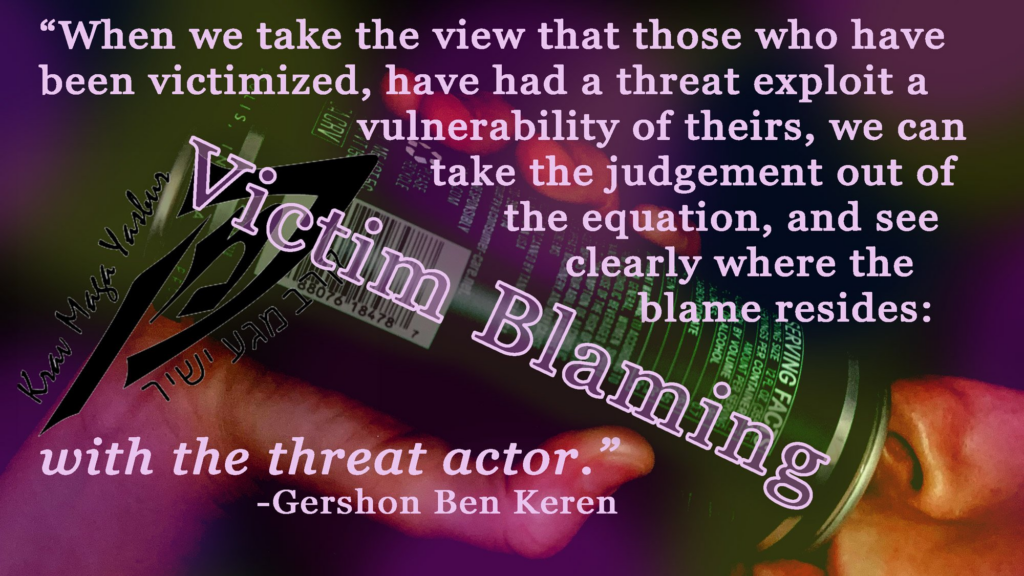
Victim blaming is the act of holding victims accountable for the crimes committed against them, while attribution bias refers to the tendency to misattribute responsibility for an event based on personal biases or assumptions, rather than objective evidence. Attribution bias refers to the tendency to explain a person’s behaviour by referring to their character rather than any situational factor. In these cases, instead of holding perpetrators responsible for their actions, society often turns the blame toward victims, questioning their behavior, circumstances or choices.
― Carson Anekeya
This issue matters because it is a reflection of systemic injustice, a societal pattern that not only protects perpetrators but also silences survivors. It influences how society views, responds to, and protects vulnerable people, perpetuating a cycle of shame and silence. I never fully understood this dynamic until I began working with International Justice Mission earlier this year. Having dealt with cases involving abuse against women and children, the horrors of modern-day slavery, and the critical need for the protection of vulnerable individuals from violence has been profoundly eye-opening.
This experience has stripped away any illusions, revealing the harsh realities and systemic issues that these individuals face daily. There is urgent need for greater awareness, prevention, and support systems to combat these injustices and safeguard the well-being of the most vulnerable members of our society; it starts with me and you, because the victim-blaming attitudes prevalent even in our own societies. The core question we must ask ourselves is: Why do people blame victims instead of the perpetrators?
The Cognitive Trap
Attribution bias is a mental shortcut our brains use to explain the causes of events, especially troubling ones. While it can help us process the world quickly, it often leads us to assign blame inaccurately, especially in emotionally charged or morally complex situations like abuse or violence.
In simpler terms, when something bad happens, our minds don’t like uncertainty or injustice. So, instead of acknowledging that bad things can happen to good people because of someone else’s cruelty, we try to find a reason, often by pointing the finger at the victim. It’s easier, more comforting even, to believe that victims must have “done something wrong,” because that implies the world is fair and we are still safe.
Let’s revisit the Brock Turner case.
Despite his conviction, many people struggled to accept that someone so “clean-cut” and “promising” could commit such a violent act. Here, several cognitive biases came into play:
Halo Effect: Because Turner was a Stanford athlete with no prior offenses, people assumed he had good character. This made it harder for many to believe he was capable of such violence. Turner’s “clean” image led people to assume he couldn’t have done something “truly bad.”
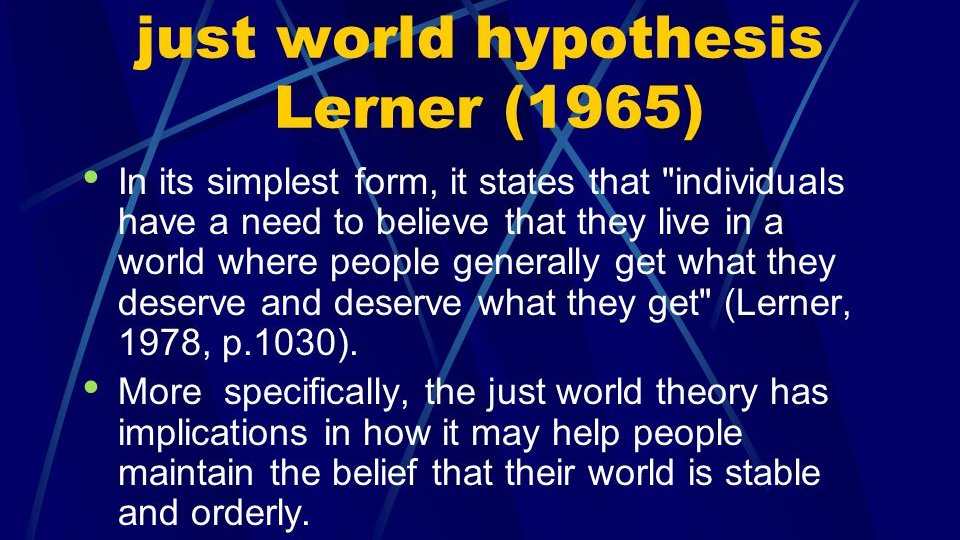
Just-World Hypothesis: This is the belief that people get what they deserve. So, if something bad happened to the victim, some subconsciously assumed she must have done something to invite it, perhaps drinking too much, or being in the wrong place at the wrong time. The belief that “bad things happen to bad people” led some to suggest the victim brought it on herself.
Revisit gender-based violence (GBV) cases in Kenya, especially those involving domestic abuse. Survivors are often met with suspicion or judgment at police stations:
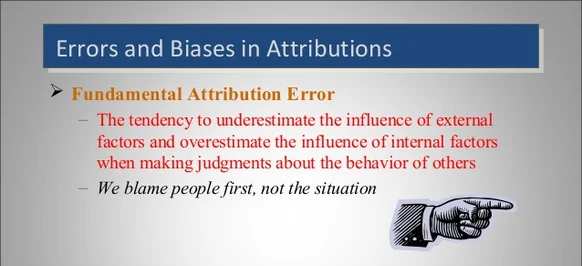
Fundamental Attribution Error: Officers and the public tend to blame the woman for her situation, assuming she must have provoked the abuse or stayed willingly, rather than recognizing the patterns of control and fear that define abusive relationships. Officers often attribute the victim’s suffering to her personality or actions rather than the abusive partner’s behavior.
Cultural Confirmation Bias: Deeply held beliefs in male authority and female submissiveness lead some to conclude that if a woman is being beaten, it’s because she failed to be obedient or respectful enough. Societal beliefs that normalize male dominance in relationships reinforce blaming women for “not being submissive enough.”
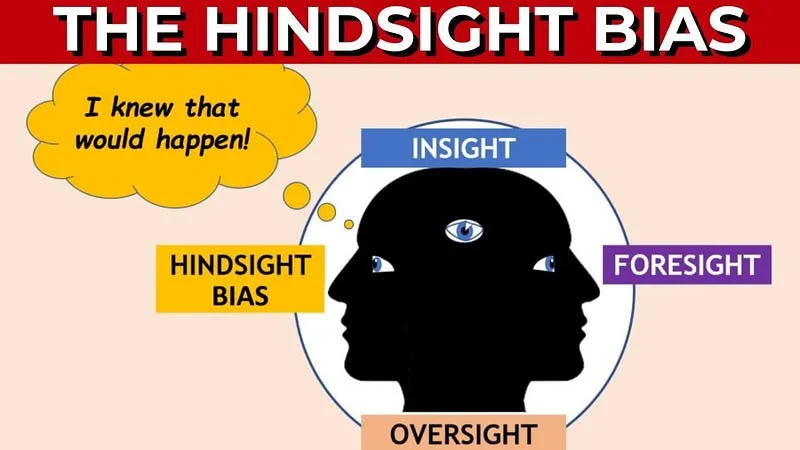
This cognitive trap becomes even more visible on social media. Platforms like Twitter and Facebook have become double-edged swords for survivors of sexual violence. While some use them to courageously speak out, others weaponize them to shame. Survivors are routinely met with intrusive and judgmental questions: “Why did you wear that?” “Why were you there alone?” “Why didn’t you report it sooner?” “Do you have any proof?” Two key biases are at play here. First is hindsight bias, the illusion that the outcome of an event was predictable all along. People tend to assume that the victim should have known the danger or should have acted differently, which conveniently ignores the complexity and unpredictability of real-life trauma.
Second is defensive attribution, a psychological defense mechanism. By blaming the victim, people convince themselves that such a fate couldn’t happen to them because they would have made better choices. Blaming the victim helps others feel safer, by distancing themselves from the possibility that the same could happen to them.
In many rural communities, when a teen girl reports abuse by a respected teacher or pastor, she often finds herself battling not just trauma, but disbelief. People may say she “misunderstood” or accuse her of seeking attention. Her youth and gender are subtly weaponized against her, casting doubt on her credibility simply because challenging an authority figure feels too disruptive. This reaction is shaped by two powerful biases. Authority bias makes people more likely to believe someone in a position of power, like a teacher or a priest, over a vulnerable teenager. Meanwhile, status quo bias leads communities to preserve institutional harmony rather than confront hard truths. Exposing abuse would mean confronting a trusted figure and admitting systemic failure, so instead, the victim is silenced, and the perpetrator protected.
In all cases above, our minds try to reduce moral discomfort by oversimplifying the narrative:
“If she didn’t fight back, she must have wanted it.”
“If she stayed, maybe it wasn’t that bad.”
“If he’s successful, he couldn’t possibly be guilty.”
But these mental shortcuts come at a high cost, they distort the truth, shield perpetrators, and burden victims with shame and silence. In trying to make sense of the world, we fall into a cognitive trap: mistaking comfort for clarity, and assumption for fact.
The Psychology Behind Victim Blaming
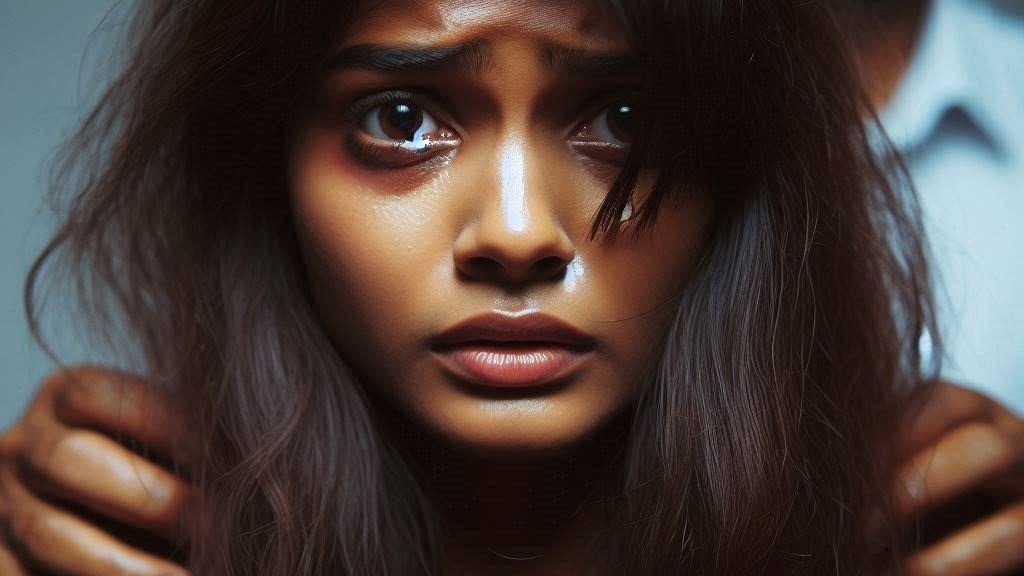
Victim blaming is often a subconscious defense mechanism. When we hear about abuse, our minds instinctively search for ways to distance ourselves from the pain, fear, and vulnerability such stories provoke. If we can convince ourselves that the victim did something wrong, we also convince ourselves that we are safe, because we would never make that mistake. This response is often rooted in denial. It’s painful to accept that bad things can happen to good people without warning. So, to reduce that discomfort, people mentally rewrite the script: “She must have led him on,” or “He must have done something to deserve it.” This helps them preserve their illusion of control.
Cognitive dissonance also comes to play, the inner tension that arises when we hold two conflicting beliefs. On one hand, we believe the world is just; on the other, we hear of injustice. To resolve that dissonance without shattering the “just world” belief, many people shift blame to the victim: “If she was hurt, maybe she did something to cause it.” It’s not logical, but it feels safer.
Cultural and social conditioning reinforce these mental shortcuts. From a young age, we’re fed narratives that link a woman’s worth to modesty, or a man’s strength to silence. We’re taught to question the violated instead of the violator. Over time, these norms shape our gut reactions, making victim blaming feel “natural” or even justified, when in reality, it’s a learned behavior that perpetuates injustice.
When Bias Becomes Harm
Attribution bias doesn’t just distort how we think, it shapes how survivors are treated in systems meant to protect them. When authorities, professionals, or communities blame victims, it leads to real-world harm: delayed justice, denied care, and prolonged trauma.
In the legal system, survivors often face disbelief or are put on trial themselves. Questions about their clothing, behavior, or past relationships are weaponized to discredit their accounts. In the medical field, victims of sexual or domestic violence may be met with skepticism or rushed assessments, especially if they appear “too calm” or “too emotional” revealing how misunderstood trauma responses can fuel bias.
Socially, victims can be ostracized, especially when their stories disrupt power structures. Think of a house help accusing her employer, or a refugee girl reporting abuse in a shelter. Their lack of status makes it easy for people to assume they’re lying, and hard for them to access support.
This harm is amplified at the intersection of gender, race, class, and ability. A poor, Black, or disabled survivor is more likely to be blamed or ignored because stereotypes work against them. In many places, a man reporting abuse may not be taken seriously, because our biases say men can’t be victims. In essence, the more marginalized the person, the more invisible their pain becomes.
Victim blaming; it’s a failure of systems. It re-traumatizes survivors, silences truth, and allows perpetrators to walk free.
Breaking the Bias
Challenging attribution bias begins with awareness. Once we understand that our minds are wired to simplify complex situations, often by blaming victims, we can start resisting that urge. But awareness alone isn’t enough. We need to actively unlearn harmful narratives and replace them with empathy, education, and accountability.
Trauma-informed education helps professionals, from police officers to doctors and teachers, recognize how survivors respond to trauma, and why it may not always look like what we expect. Empathy training encourages people to suspend judgment and listen deeply, creating safer spaces for survivors to speak. Across the world, legal systems are slowly integrating survivor-centered approaches, while mental health advocates are working to shift the cultural lens from blame to support.
Organizations like International Justice Mission (IJM) are at the forefront of this work, protecting people living in poverty from violence, exploitation, and slavery. Through their trauma-informed interventions and justice partnerships, they not only rescue survivors but also build systems that prioritize dignity and safety over doubt and dismissal.
On a personal level, we must ask: How do I respond when I hear a survivor’s story? Catching biased thoughts, like “why didn’t they leave?” or “what were they wearing?” is the first step. Instead of rationalizing the harm, pause and ask: Am I trying to make myself feel safe at their expense?
Sadly, nowadays, we treat someone’s attempt to explain more, as if it makes them suspicious. We’ve popularized the idea that the truth doesn’t need too many words, yet we fail to see how our own disbelief forces people to over-explain themselves just to be heard. Especially for survivors, this becomes a cruel paradox: speak too little, you’re lying; say too much, you’re trying too hard. We keep doubting survivor stories, scrutinizing them more than we scrutinize the harm itself. What do we expect when our society makes healing conditional on how well someone can narrate their pain? We must learn to believe survivors without demanding perfect storytelling. Not all pain is articulate. Not all trauma is tidy.
Dismantling victim-blaming culture is a shared responsibility. It calls on each of us to listen without assumptions, advocate without ego, and respond with compassion rather than critique.
At the heart of victim blaming lies a deep psychological need: the desire to believe the world is orderly and just. Our minds reach for explanations that preserve this illusion, “they must have done something to deserve it.” It’s a defense mechanism. But in protecting our comfort, we often abandon those who need us most.
This is why confronting attribution bias isn’t just a mental exercise, it’s a moral one. Survivors don’t need scrutiny; they need safety. They don’t need interrogation; they need to be heard. Behind every case of abuse or assault is a human being fighting to reclaim their dignity. And how society responds to that moment can either begin the healing, or deepen the wound.
You may say, “But what if they’re lying?” And yes, in any system, due diligence matters. But truth is not slow to reveal itself. Lies crumble under the weight of scrutiny, but a victim’s voice should never be silenced by default. When in doubt, we can choose to hold space instead of holding judgment.
So, here’s the question we must ask ourselves:
What if we believed survivors first, always?
Not with blind faith, but with the conviction that, in most cases, the truth will reveal itself in time. Because no one loses by extending compassion. But when we lead with doubt, we risk losing justice, dignity, and lives.

- The Rise of Suicide Posts in Digital Spaces Reflects a Growing Mental Health Crisis - February 22, 2026
- How Kenya’s Silent Lifestyle Disease Crisis Is Reshaping Public Health - February 12, 2026
- The Rise of Lifestyle Diseases Emerges as a Crisis Among Kenya’s Youth - February 9, 2026