Health Research Cloud (HeRC) is making health research accessible for everyone in Kenya and beyond. In a digital age overflowing with complex studies and medical jargon, we all need simplified research at some point, research that anyone can understand and use. HeRC is doing just that: breaking down health research so that no one misses key insights because of technical language.
The initiative was founded by David Mwania, a medical scientist and the team lead at HeRC. “HeRC is an initiative we launched earlier this year with a clear mission: to bridge the gap between complex research and real-world health impact,” says Mwania. He works alongside a passionate team of emerging medical professionals and research experts whose dedication and creativity continue to shape the organization’s journey.
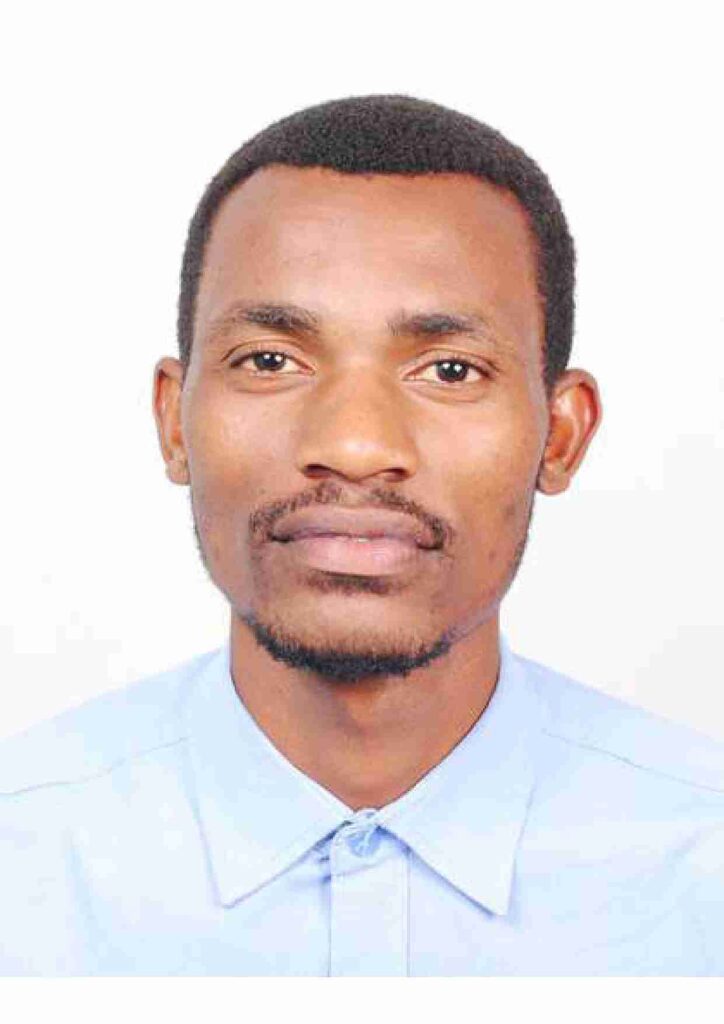
For this feature, we are honored to hear from HeRC’s Community Engagement Lead, Isho Ali, a medical student currently pursuing a Bachelor of Medicine and Bachelor of Surgery (MBChB) at the University of Nairobi. In this Men’s Mental Health Awareness Month, she shares the initiative’s journey, how they simplify men’s health research, and their vision for improving men’s health through research-driven action.
Health Research Cloud Redefining Health Research
Health Research Cloud (HeRC) is a youth-led initiative dedicated to simplifying complex health research into clear, relatable, and actionable knowledge.

“Our goal is to assist communities, healthcare professionals, and students in comprehending and using research findings in practical settings.”
Isho Ali, Community Engagement Lead, Health Research Cloud (HeRC)
To raise awareness of evidence-based practices, the team is currently organizing cooperative micro-projects, producing infographics, and simplifying content from recent public health studies.
“Our work integrates academic learning with real-world community engagement because many of us are students and young professionals in medicine, public health, and health communication,” Ali explains.
Looking ahead, HeRC hopes to expand into more interactive projects, such as online workshops and community events that connect science directly with people’s everyday lives.
HeRC’s mission, “to make health research accessible, understandable, and actionable,” is grounded in the belief that knowledge only makes an impact when people can connect with it. Ali highlights this approach, quoting Sir Mark Walport: “Science isn’t finished until it’s communicated.” At HeRC, this ideal captures the essence of their work and the team’s commitment to bridging the gap between research and the communities it serves.
The organization’s signature approach, the “Research Made Familiar” model, rests on three pillars: share, contextualize, and simplify. By using straightforward language, HeRC distills complex research into essential insights and applies them to real-world situations or regional health issues.
“Since most people, including legislators, medical professionals, and the general public, frequently lack the time or expertise to digest complex research papers, this strategy is essential for public health advocacy,” Ali notes.
By transforming research into practical knowledge, HeRC empowers individuals and communities to take an active role in promoting health.
Bridging the Gap — Simplifying Men’s Health Through the “Research Made Familiar” Model
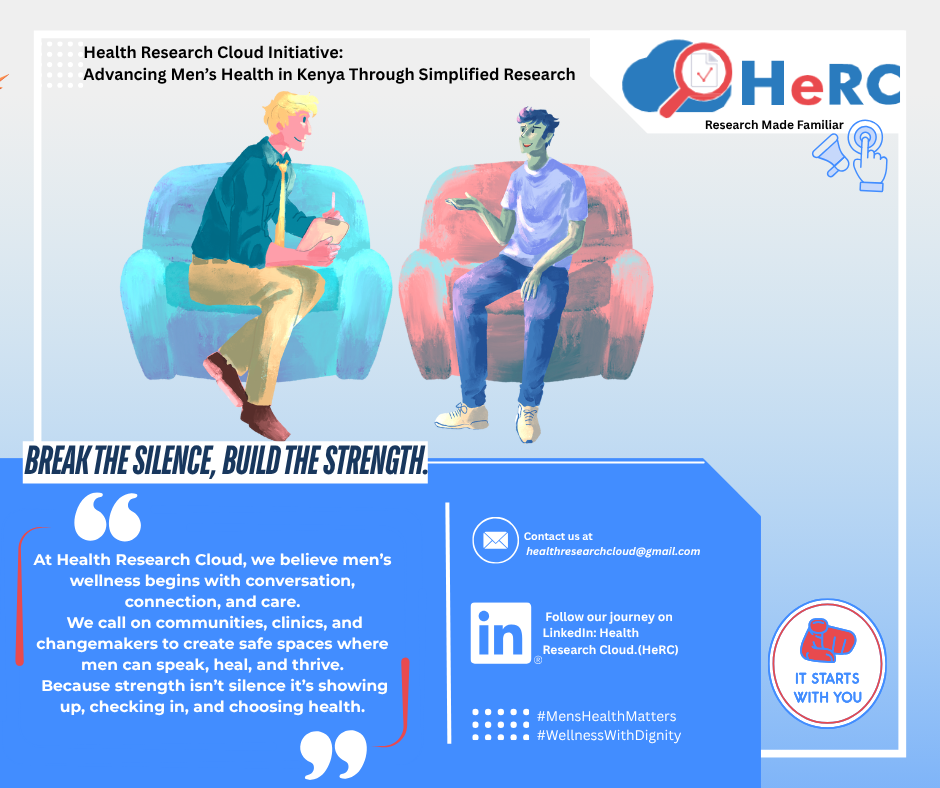
Men’s health awareness in Kenya often faces gaps in access to reliable information.
“By locating research and information on men’s health, including mental health, non-communicable diseases, and sexual and reproductive health, we fill this knowledge gap by converting it into easily understood articles, explainers, and infographics,” explains Isho Ali, Community Engagement Lead at HeRC. These resources are then shared on digital learning platforms and social media, where men are most active.
Looking ahead, HeRC aims to launch micro-led projects in collaboration with community health promoters to identify remote and under-investigated health conditions. “We can then publish findings and seek interventions to support these communities in a timely manner,” Ali adds. The initiative focuses on demystifying research, promoting discussions to combat stigma, encouraging early health-seeking behavior, and emphasizing preventive care.
When deciding which research topics to simplify, HeRC prioritizes studies that are locally relevant, address under-discussed health issues, are published by credible institutions, and align with current health campaigns or awareness months. “We also consider what our audience engages with most, topics like prostate health, mental well-being, and lifestyle diseases often get strong responses,” says Ali. The goal is to balance evidence-based accuracy with public interest and accessibility.
HeRC’s work has already started influencing public health awareness, behavior, and policy. Ali notes, “We realized that creating real impact requires stronger collaboration with key partners in men’s health, such as the Ministry of Health and the Kenya MenEngage Alliance. We are actively building these partnerships so our findings can translate into significant real-world change.”
One striking insight from their ongoing review on marginalized populations, Mapping Health Service Inequalities, is that men are often left out of treatment campaigns because work schedules or job locations keep them away from intervention sites. They also observed that men are less likely to access essential services such as WASH (Water, Sanitation, and Hygiene) and NTD (Neglected Tropical Disease) programs. “These insights will help reshape public health awareness and promote greater equity in Kenya by designing outreach that fits men’s daily realities,” Ali emphasizes.
Digital platforms and community-driven communication are central to HeRC’s strategy. “With Kenya projected to reach over 90% digital connectivity growth by 2030, digital platforms allow us to communicate research innovatively, through infographics and narrative summaries, reaching large audiences who can learn something useful in just a few minutes of scrolling,” Ali explains. Beyond digital reach, HeRC encourages community-driven communication, allowing youth to analyze and apply research in their local communities. “Research becomes something lived and shared rather than just read, thanks to this reciprocal engagement,” Ali concludes.
HeRC’s Vision to Shape the Future of Men’s Health Through Research
Looking ahead, HeRC envisions a future where men’s health in Kenya is no longer sidelined. “We plan to expand our impact by adapting our RMF (Research Made Familiar) model to highlight and simplify research on neglected male health issues such as mental health, occupational risks, and access barriers,” says Isho Ali, Community Engagement Lead at HeRC.
The initiative also aims to launch community-led micro-projects that raise awareness, promote early detection, and inform policy through clear, actionable insights. “Critically, we hope to build partnerships with organizations already engaged in men’s health advocacy to ensure that our simplified content reaches diverse audiences,” Ali adds.
Through this vision, Health Research Cloud (HeRC) seeks to make research understandable and transform it into a tool that actively shapes public awareness, drives preventive behavior, and contributes to equitable health outcomes for men across Kenya. It is inspiring to see such initiatives rise to serve the communities they work with, and in their rising, may many more initiatives emerge to build informed and health-aware societies in Kenya and beyond.

- The Rise of Suicide Posts in Digital Spaces Reflects a Growing Mental Health Crisis - February 22, 2026
- How Kenya’s Silent Lifestyle Disease Crisis Is Reshaping Public Health - February 12, 2026
- The Rise of Lifestyle Diseases Emerges as a Crisis Among Kenya’s Youth - February 9, 2026