Suicide in middle-aged men, often described as the forgotten demographic, is an issue psychologist Griffin Chege believes demands urgent attention.
Before focusing his lens on middle-aged men, Griffin’s advocacy began much earlier within the student community. As a Campus Ambassador for the Finding Me Community at Mount Kenya University, he co-founded mental wellness programs designed to create safe, empathetic spaces for students struggling with anxiety, depression, and academic pressure. The initiative offered peer support groups, wellness talks, and collaborations with counselors, making mental health support more accessible and less stigmatized on campus.

He was also recently featured in one of Finding Me’s articles, where he shared his own journey and the transformative impact of being part of a community that champions healing, dialogue, and shared stories.
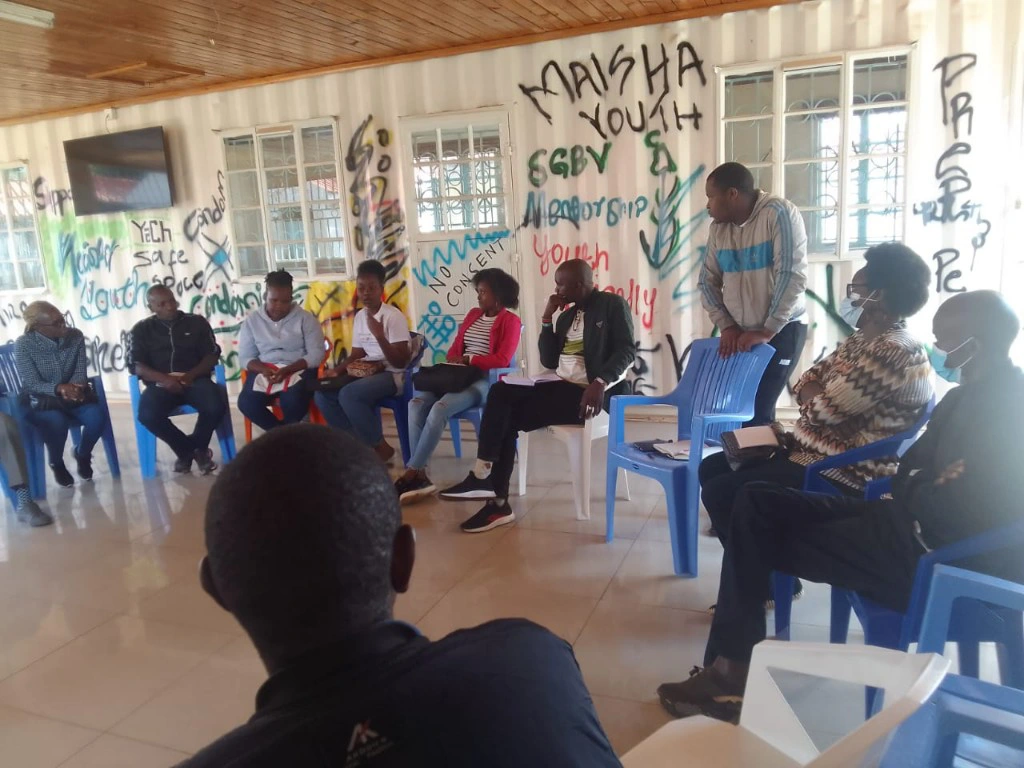
It is also important to note that Griffin Chege is a Suicide Prevention Community Peer Champion with Mental 360, where he leads support group sessions within his community. This role adds another layer to his advocacy, grounding his insights in direct, lived engagement with people facing mental-health challenges. It makes his contribution to this feature important, timely and relevant to the ongoing conversation on suicide awareness.
While public discussions typically highlight the struggles of young people or the elderly, men in their 40s and 50s remain largely absent from the conversation. In Central Kenya, about 80% of reported suicide cases are male, with many cases involving men aged 50 and above facing pressures like family breakdowns, financial strain, and social isolation. This forgotten demographic raises pressing questions: why are they suffering in silence, what unique pressures do they face, and how can society respond?
In this feature, Griffin offers his expert insight into why this group suffers silently and what can be done to address the crisis.
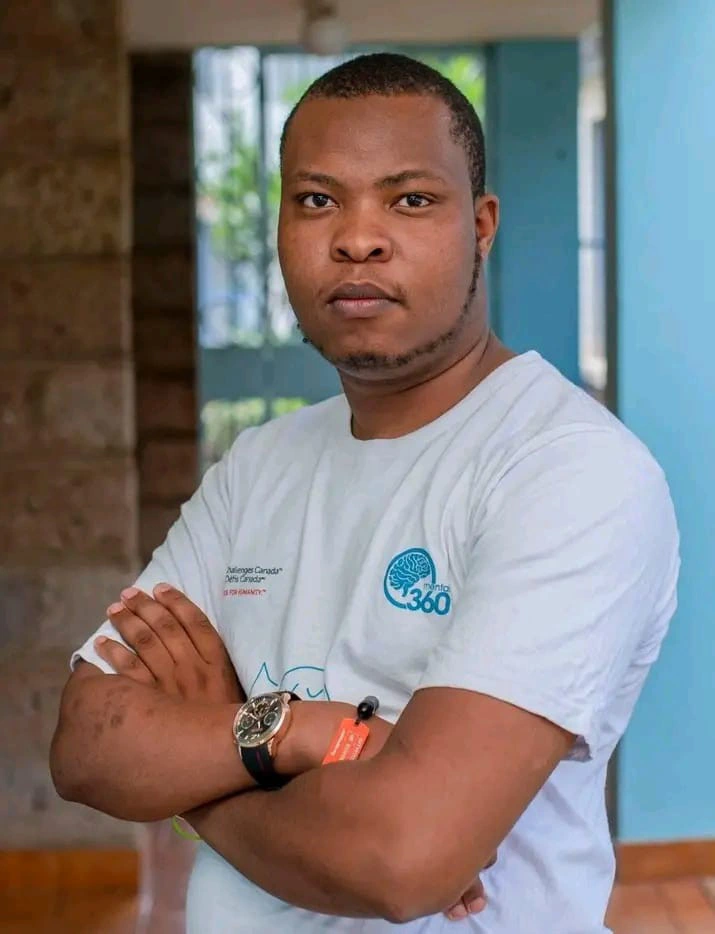
“I’m Griffin Chege, a mental-health advocate, community organiser, and public educator.”
Griffin Chege
Griffin Chege leads initiatives under the Nakujali Project, a platform dedicated to creating safe spaces, raising awareness, and providing psychosocial support for people living with or affected by mental-health challenges, including suicidal thoughts.
Through Nakujali, he has steered a wide range of interventions, school outreach programs that reach young people before their struggles escalate, workplace wellness initiatives that prioritize employees’ mental well-being, and community dialogues designed to break the silence around suicide.
But Griffin’s journey into advocacy is personal. In his mid-twenties, he silently battled depression and suicidal thoughts. “On the outside, I wore a brave face, but inside I was crumbling. Reaching out for support felt impossible because of fear and shame,” he recalls.
That turning point, when he realised silence was far more dangerous than vulnerability, reshaped his life. Later, when he met men in Nakujali spaces who mirrored his own story, he knew he had to use his lived experience as a beacon, to encourage openness, healing, and hope.
Why Middle-Aged Men?
“Middle-aged men” generally refers to men in the stage of life between young adulthood and old age. While there’s no universal consensus on the exact age range, most sources place it between 40 to 59 years old, though some extend it from the mid-30s to early 60s depending on health, psychological, or sociological context. In mental health and suicide research, this group often comes into focus because of the unique set of pressures they face: career stagnation or financial strain, family and caregiving responsibilities, and the identity shifts that come with aging or changes in status. Statistically, middle-aged men carry a higher risk of suicide compared to their younger counterparts, yet they receive less targeted attention in awareness campaigns.
In the Kenyan context, the burden for men in their 40s and 50s is especially heavy. Many are simultaneously paying school fees, providing for their families, caring for aging parents, and upholding the community’s traditional expectations of being the primary “provider.” These intersecting responsibilities create a silent strain that often goes unrecognized.
Globally, middle-aged men are sometimes called the “forgotten demographic” in suicide awareness because prevention efforts tend to spotlight youth, due to social media pressures and rising rates, or the elderly, who are vulnerable to isolation and declining health. Middle-aged men, by contrast, do not “fit the narrative.” Society views them as stable and dependable, which masks their struggles with depression, burnout, and hopelessness, leaving their needs unaddressed.
“Middle-aged men are one of the most at-risk yet least-discussed groups,” Griffin explains. In his work through Nakujali, he has seen how men in midlife shoulder enormous financial, professional, and family responsibilities, yet society rarely gives them permission to express vulnerability.
“From our listening sessions at Nakujali, we’ve seen recurring challenges: job loss or career stagnation, heavy financial burdens, relationship breakdowns, and health scares that remind them of their own mortality,” he notes.
Many are “sandwiched” between raising children and supporting aging parents, all while managing dwindling friendships and reduced community support. These overlapping burdens create a silent storm unlike what younger or older groups typically face.
Cultural expectations doesn’t make it any easier. “Men are taught from a young age to be strong, stoic, and unemotional,” Griffin shares. In Nakujali workshops, men often confess they fear being seen as weak if they voice their struggles. Phrases like wanaume ni ngumu (men must be tough) reinforce the silence, stifling honest conversations. Griffin himself recalls the difficulty of admitting, even privately, I’m not okay. That silence, he says, fuels isolation and raises the risk of suicide.
When it comes to seeking help, the barriers are both cultural and practical. “Many men tell us they don’t even know where to go for help, or they fear that admitting to suicidal thoughts will make them unreliable in the eyes of their families or employers,” he explains. Fear of stigma, job insecurity, limited time, and a lack of confidential, affordable services all create walls. Griffin understands this hesitation intimately. “I once believed opening up would make me look weak. But I later learned that help-seeking is actually an act of strength.”
Challenges & Gaps in Support
When asked whether society is failing middle-aged men in terms of mental health, Griffin Chege’s response is blunt: “Yes, absolutely. Mental-health systems are not tailored to middle-aged men.”
He explains that most existing services are clinical, formal, and self-referral based, precisely the kind of structures men are least likely to access.
“In Nakujali’s outreach, we’ve found that men prefer informal, practical support, workplace check-ins, peer-support circles, or conversations at community gatherings. Yet most services are formal, clinical, and require men to self-refer. Society hasn’t designed support in a way that speaks to how men actually seek help.”
Bringing attention to this overlooked demographic has not been easy. Communities often assume that mental health advocacy should focus on young people, leaving men in their forties and fifties invisible until tragedy strikes.
“At Nakujali, we sometimes struggle to attract men in midlife to join conversations until a crisis happens. Another challenge is funding, most mental-health grants are youth-focused, leaving programs for middle-aged men under-resourced.”
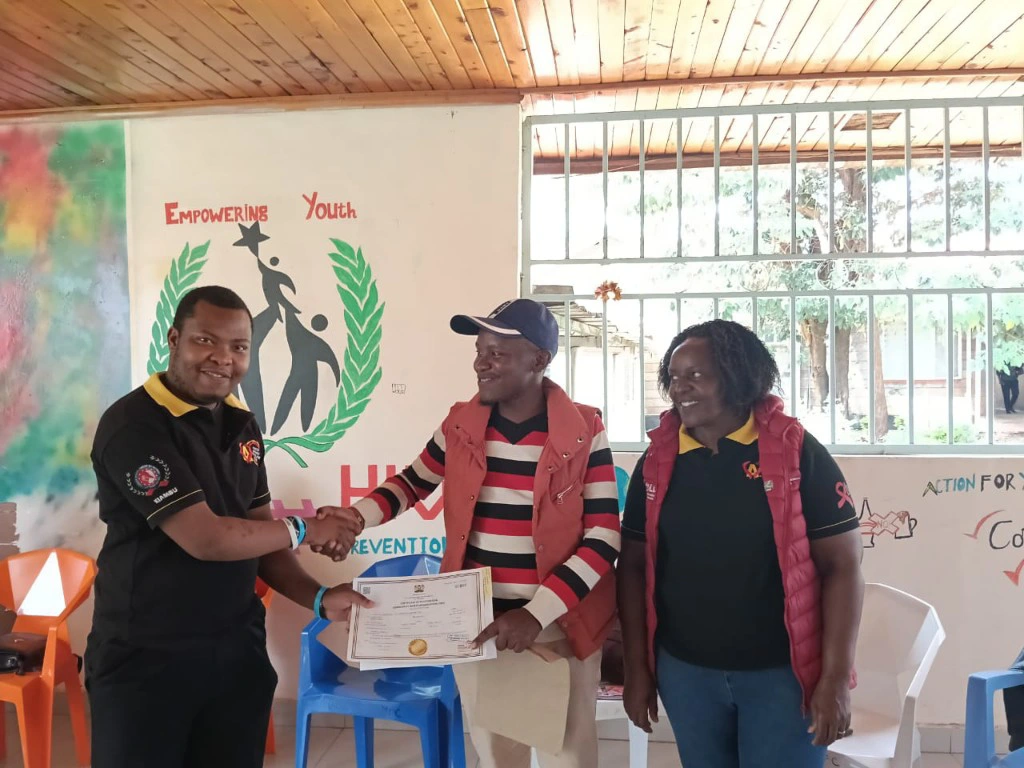
On a personal note, Griffin shares that vulnerability has been both a barrier and a tool: “Some people judged me for admitting I once struggled with depression and suicidal thoughts. But I’ve also witnessed how my vulnerability disarms others. In Nakujali forums, when I say, ‘I too have been there,’ the atmosphere changes. Men who were silent begin to open up, and that is when healing starts.”
To reshape suicide prevention, Griffin argues, society must “meet men where they are.” “That means embedding mental-health support in everyday spaces, barbershops, churches, sports clubs, and workplaces. At Nakujali, when we frame conversations around resilience, leadership, and responsibility, men are more willing to open up. Suicide prevention efforts need to rebrand help-seeking as an act of courage, strength, and responsibility.”
He emphasizes that families, workplaces, and communities must all play their part.
“Families need to normalize check-ins, not just asking about finances, but asking ‘How are you, really?’ Workplaces must recognize that mental health impacts productivity and provide confidential counselling and flexible support. Communities can use barazas, men’s groups, and faith-based settings to host safe conversations. Nakujali has seen how quickly stigma drops when men feel their culture and dignity are respected in these spaces.”
In Griffin’s view, suicide prevention for middle-aged men cannot remain an afterthought. It requires a collective cultural shift one that reimagines support as something men can embrace without fear.
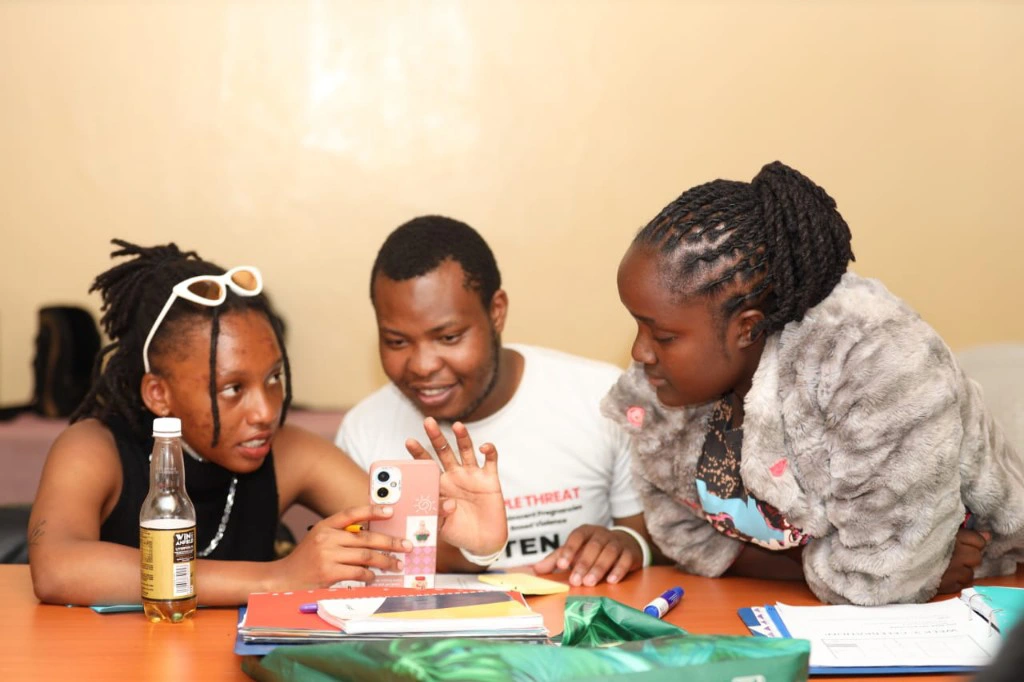
Griffin’s Vision for Middle-Aged Men
Griffin’s message to middle-aged men who may be struggling in silence:
“I know what it feels like to think silence is safer. I’ve been there, believing no one would understand, fearing that admitting pain would make me less of a man. But I learned that reaching out saved my life.”
Griffin Chege
He wants men to know that struggling does not erase their worth as fathers, husbands, or providers. “Reaching out is not surrender, it is survival. There are people and services ready to walk with you. Your life matters more than your burdens.”
If policymakers were to listen, Griffin’s message would be clear: the mental health of middle-aged men must become a national priority. He urges the integration of routine screening into primary healthcare, increased funding for grassroots initiatives such as Nakujali, and workplace policies that guarantee confidential mental health support. “This demographic carries the weight of families and economies, we cannot afford to keep ignoring them,” he stresses.
Looking ahead, Griffin envisions a future where suicide awareness is part of everyday life, not something only spoken of after tragedy. Through Nakujali, he hopes to see honest mental-health conversations happening in ordinary spaces, in homes, at workplaces, during barazas, and in churches, the very places where men already gather.
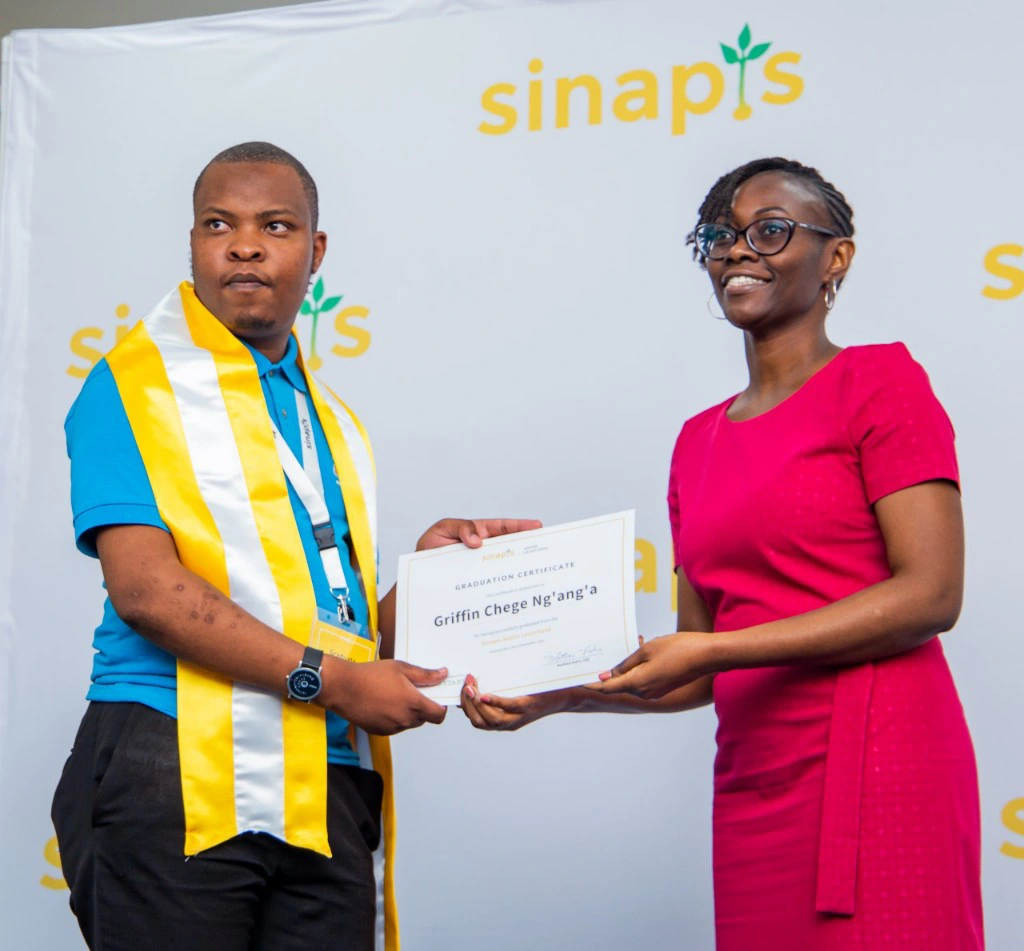
“I dream of an Africa that develops culturally grounded, community-led suicide prevention models that protect middle-aged men, turning silence into solidarity, and despair into hope.”
Griffin Chege
It is high time society turns its gaze to the mental health of middle-aged men, a demographic too often overlooked in favor of youth-centered initiatives. While supporting the young remains vital, we must also recognize and respond to the silent struggles carried by men in midlife.
In Griffin’s rising, may many more men find the courage to rise as well, to stand for one another, to create spaces of understanding, and to bring the kind of awareness that truly matters.

- The Rise of Suicide Posts in Digital Spaces Reflects a Growing Mental Health Crisis - February 22, 2026
- How Kenya’s Silent Lifestyle Disease Crisis Is Reshaping Public Health - February 12, 2026
- The Rise of Lifestyle Diseases Emerges as a Crisis Among Kenya’s Youth - February 9, 2026
