Dr. Patricia Wanjiru, is a recent medical graduate from the Bachelor of Medicine and Bachelor of Surgery program at Jomo Kenyatta University of Agriculture and Technology (JKUAT), and an innovative medical student interested in research and in fusing technology and medicine for a healthier tomorrow.
As the Co-Founder of Hyperexcision, a Pan African Organization for Health, Education and Research (POHER) 2025 Scholar, and an active volunteer with The Global Surgery Foundation, she has been featured in this article sharing insights on her journey as a rising medical innovator, her perspective on Kenya’s men’s health challenges, and her vision for advancing men’s health in the country.
The Rise of a Young Medical Innovator
Dr. Patricia Wanjiru, a recent medical graduate from the Bachelor of Medicine and Bachelor of Surgery program at Jomo Kenyatta University of Agriculture and Technology (JKUAT), is an aspiring physician-scientist passionate about strengthening health systems.
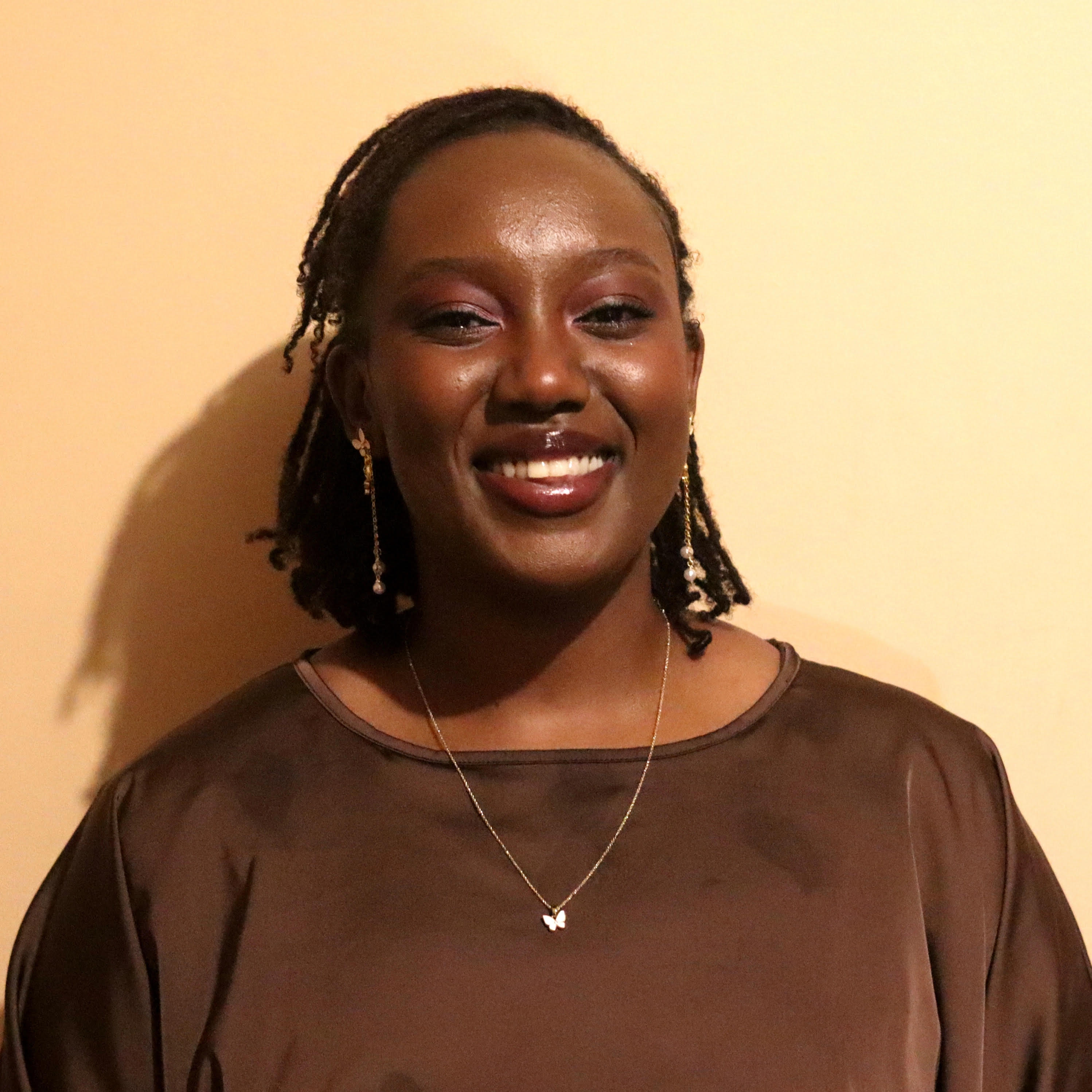
“I am Patricia Wanjiru, a recent medical graduate of the Bachelor of Medicine and Bachelor of Surgery program at Jomo Kenyatta University of Agriculture and Technology (JKUAT). I’m also an aspiring physician-scientist passionate about strengthening health systems.”
Dr. Patricia Wanjiru
She is currently focused on building her skills in research and implementation-focused health innovation, blending medicine with technology to create solutions that improve access to care.
Outside her professional and academic life, Dr. Patricia focuses on maintaining her wellbeing, using this season to rediscover balance while shaping the kind of doctor and leader she hopes to become. At the heart of her work is a drive to empower communities and reduce barriers between people and the healthcare they deserve.
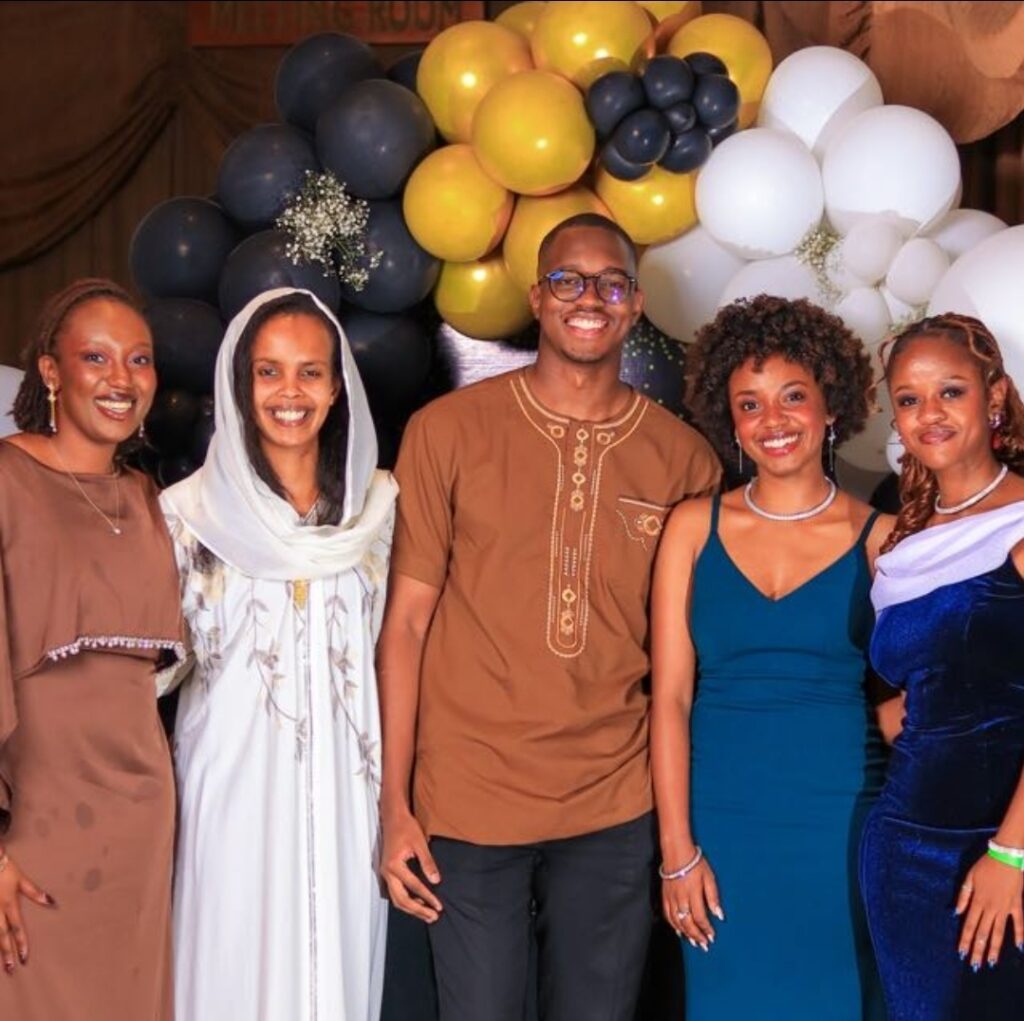
Her journey as an innovator took a transformative turn when she co-founded Hyperexcision, a platform that delivers practical, accessible medical education across the region. Patricia explains that this experience showed her the power of consistent knowledge-sharing and how young people can meaningfully improve healthcare delivery. You can check out the platform here: Hyperexcision
“Many clinical gaps can be solved by practicality and consistent knowledge-sharing. Building a platform (Hyperexcision) used by medical students across the region has shown me that young people can meaningfully shape the quality of healthcare delivery.”
Dr. Patricia Wanjiru
As a 2025 Scholar of the Pan African Organization for Health, Education and Research (POHER), Patricia has also sharpened her perspective on health advocacy through a systems lens, seeing how policy, community engagement, and grassroots initiatives work together to create lasting change. These experiences have encouraged her to think realistically about innovation, particularly solutions that strengthen primary care and preventive health.
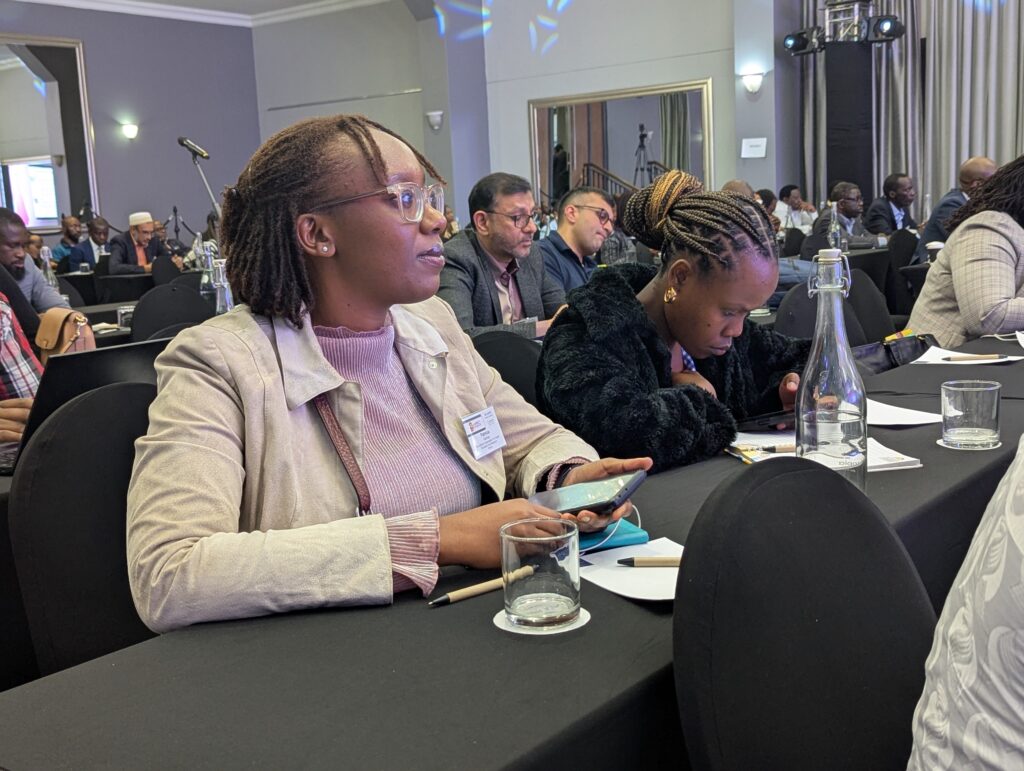
Dr. Patricia’s passion extends into the surgical field through her roles as a SURGhub Ambassador and volunteer with The Global Surgery Foundation. She believes surgery is inseparable from public health, noting that many surgical conditions disproportionately affect men in Kenya. Through her work, she strives to merge surgical education with community-focused public health messaging, aiming to demystify surgical conditions and empower men to seek timely care.
“I hope to demystify surgical diseases and empower men to seek timely care. Improving surgical outcomes begins long before the operating room with awareness, screening and early intervention,” she explains, highlighting the importance of awareness, screening, and early intervention as part of a broader health strategy, and also encourages earlier help-seeking in men, a behaviour that she believes we need to cultivate so men can access the immediate care when needed.
Inside Kenya’s Men’s Health Crisis
Dr. Patricia Wanjiru notes that men’s health in Kenya remains surrounded by silence, cultural expectations, and long-standing misconceptions. One of the most persistent barriers she highlights is the pressure many men feel to “power through symptoms” rather than seek help early.
Masculinity norms continue to discourage vulnerability, often pushing men to ignore health concerns until they become severe. This silence extends into sensitive areas such as reproductive health and mental health, where stigma makes it even harder for men to ask for support.
“There is also a lot of stigma around certain conditions, and issues like reproductive health or mental health are still not comfortably discussed. Many men still choose to delay care to prioritize family needs or due to the cost of healthcare.”
Dr. Patricia Wanjiru
In addressing this crisis, Patricia believes young medical professionals have an important role to play. Students and early-career healthcare workers are uniquely positioned to drive change, largely because they understand how their generation communicates, learns, and shares information. She emphasizes that young people can create “simplified, digital-friendly education tools” tailored to men, resources that speak plainly, reduce stigma, and meet people where they already are.
“We can also conduct research on the barriers men face when seeking healthcare, especially in underrepresented regions. Using social media as a health literacy platform is another effective way to spread awareness and build trust. I believe that we, as young people, have the creativity and digital leverage needed to reshape how men’s health is understood in Kenya.”
Dr. Patricia Wanjiru
By leveraging social media, conducting research in underserved communities, and building trust through relatable messaging, Patricia believes young professionals can help reshape how men perceive preventive care and health support.
Dr. Patricia Wanjiru believes the future of improving men’s health in Kenya depends on blending evidence, creativity, and community engagement.
“Research helps us understand the “why”; innovation helps us create the “how”; and volunteerism helps us reach the communities where change is needed most.”
Dr. Patricia Wanjiru
She emphasizes the need for solutions that are both data-driven and practical. Volunteerism completes the equation, enabling healthcare workers to reach communities directly and ensure that interventions actually meet the needs of the men they aim to serve.
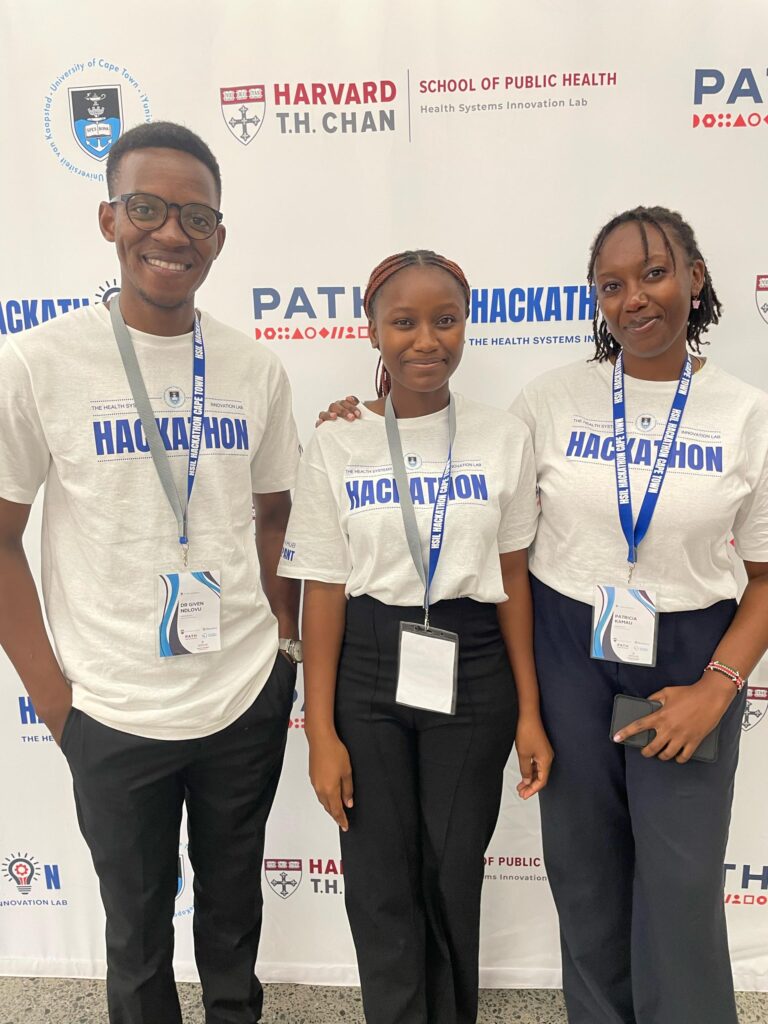
This blend of research, innovation, and hands-on service forms the backbone of Patricia’s approach to rethinking men’s health, an approach grounded in empathy, accessibility, and long-term impact.
Dr. Patricia Wanjiru’s Vision for Advancing Men’s Health in Kenya
Patricia envisions a future where men in Kenya feel fully empowered to take charge of their health, a future where seeking help and where preventive care is embraced rather than delayed. Her vision is grounded in simplicity and cultural transformation: a Kenya where “screening is normalized,” where mental health is openly discussed without stigma, and where men view healthcare as part of everyday life rather than a last resort.
To move this vision forward, Dr. Patricia is actively engaging in work that addresses both the clinical and social dimensions of men’s health. Through her involvement in community outreach and global surgery initiatives, she contributes to areas with significant male disease burdens, ensuring that education and awareness go hand in hand with clinical care. She is also advancing research focused on health literacy and health-seeking behavior, recognizing that understanding why men delay care is essential to changing the patterns that put them at risk.
Communication remains a central pillar of her mission. By amplifying health information through platforms that reach young people and local communities, Patricia works to make knowledge accessible, relatable, and actionable. Her goal is to help build a system where men’s health becomes a visible, national priority “not a hidden secondary issue,” but an integral part of Kenya’s broader health conversation.
“My vision is for a Kenya where men feel empowered to seek care, where screening is normal, health is openly discussed, and preventive care becomes part of everyday life. I am contributing to this through community outreach and global surgery initiatives, as well as advancing research focused on health literacy and health-seeking behavior.”
Dr. Patricia Wanjiru
In shaping this future, Dr. Patricia continues to blend advocacy, research, innovation, and community engagement, ensuring that men’s health receives the attention and care it has long deserved.
It is truly inspiring to see young medical professionals like Dr. Patricia Wanjiru advocate for health in ways that genuinely matter, bringing fresh energy, grounded vision, and real action into spaces that urgently need transformation. Just like the other young medical and mental-health students we’ve featured here, who are using their skills to shape a healthier future. With voices like theirs leading the way, we have the potential to change the narrative around men’s health in meaningful and lasting ways.
Her commitment to reshaping how men engage with healthcare, and her active contributions toward that vision, reflect the kind of leadership that strengthens communities and shifts national conversations.
In her rise, may many more rise with her, because through communication and intentional advocacy, we have the power to change the narrative and build a healthier future for all.

- The Rise of Suicide Posts in Digital Spaces Reflects a Growing Mental Health Crisis - February 22, 2026
- How Kenya’s Silent Lifestyle Disease Crisis Is Reshaping Public Health - February 12, 2026
- The Rise of Lifestyle Diseases Emerges as a Crisis Among Kenya’s Youth - February 9, 2026