According to a 2024 study by the Pew Research Center, the average young adult spends over 7.5 hours daily on screens, often switching between multiple apps, notifications, and content streams every few seconds. This constant digital stimulation is reshaping attention spans, making it harder for individuals to focus, process information deeply, and engage in sustained critical thinking. Research suggests that screen addiction is rewiring the brain’s cognitive pathways, reducing the ability to retain information and increasing dependency on instant digital gratification.

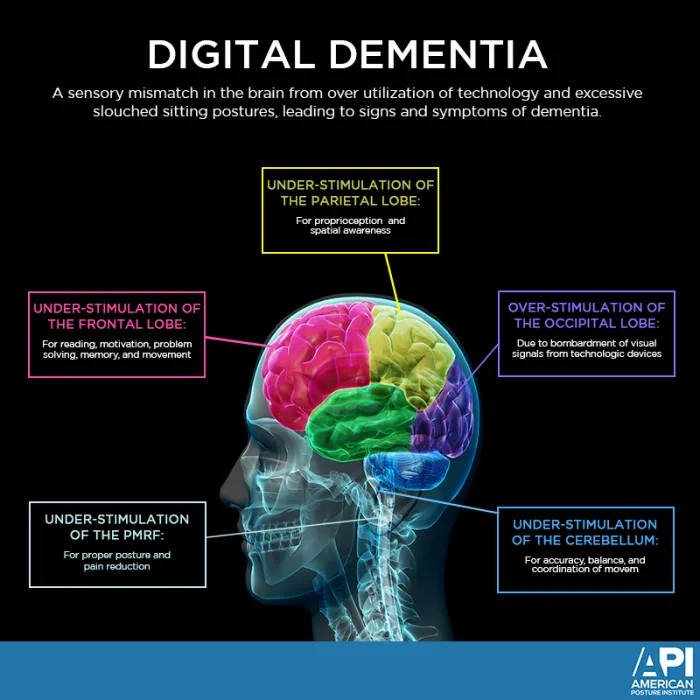
Top German Neuroscientist Manfred Spitzer coined the term digital dementia to describe the cognitive decline linked to excessive screen use. Digital dementia refers to cognitive decline and memory problems potentially linked to excessive reliance on digital devices, characterized by symptoms like forgetfulness and difficulty concentrating. It is not a formal medical diagnosis, but rather a concept suggesting that excessive use of digital technology, such as smartphones, computers, and tablets, can negatively impact cognitive function. This condition mirrors symptoms of early-onset dementia, including memory loss, reduced concentration, and impaired problem-solving skills.
While traditional dementia and digital dementia share cognitive impairments such as memory loss, reduced attention span, and difficulty with problem-solving, their causes and progression differ significantly. Traditional dementia, including conditions like Alzheimer’s disease, is primarily caused by aging, genetic factors, and neurodegenerative diseases that damage brain cells over time. In contrast, digital dementia is a self-induced cognitive decline resulting from excessive screen exposure, particularly through short-form content and digital multitasking. The excessive screen exposure, short-form content, and the increasing reliance on AI are negatively impacting cognitive function, particularly among young people, and what this means for the future of learning, memory, and mental well-being.
Our young people are going to grow up and not be able to function as adults.
One of the major cognitive issues associated with digital dementia is continuous partial attention, a state where the brain is constantly scanning for new stimuli but never fully focusing on one task. Continuous Partial Attention (CPA), a term coined by Linda Stone, describes the modern behavior of constantly dividing attention, scanning for opportunities, and staying connected, driven by a desire to not miss anything, rather than a conscious effort to be productive. This leads to shallow processing, making it harder to retain information in long-term memory. Another related phenomenon is neuroplasticity, the brain’s ability to adapt and reorganize itself based on repeated behaviors. While neuroplasticity is generally positive, excessive reliance on digital devices rewires the brain to favor quick, surface-level interactions over deep thinking. This weakens problem-solving skills, as young people become accustomed to instant answers rather than engaging in critical analysis and sustained mental effort.
Symptoms and Causes of Digital Dementia
Symptoms
- Memory impairment – Forgetfulness and difficulty retaining new information.
- Reduced attention span – Struggling to focus on one task due to constant scrolling addiction.
- Impaired cognitive function – Decreased problem-solving and critical thinking abilities.
- Difficulty with multitasking – Struggling to juggle multiple tasks effectively.
- Changes in communication and reasoning – Reduced ability to engage in deep, meaningful discussions.
- Mood swings and irritability – Increased frustration, anxiety, and emotional instability.
Causes
1. Over-reliance on devices for information storage – Why don’t people memorize phone numbers anymore like we used to? Why has Google Maps replaced our ability to remember directions? By outsourcing memory to devices, we are allowing our brains to weaken instead of strengthening them through recall and mental effort.
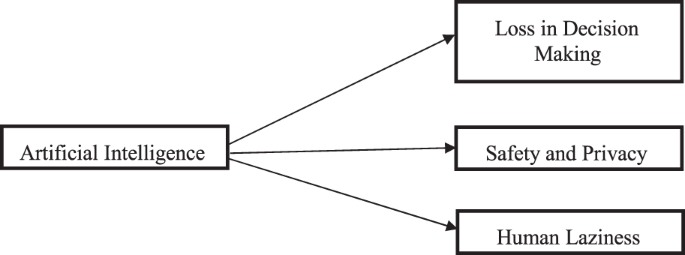
2. Over-reliance on AI – It’s concerning that students and young professionals depend on AI for everything, even sustaining normal conversations. Have we truly evolved for the better, or are we regressing cognitively? It seems we were far sharper before AI took over our thinking processes.
3. Excessive screen exposure, especially to short-form, dopamine-driven content (TikTok, Reels) – Endless scrolling on algorithm-driven platforms trains the brain to crave quick hits of pleasure, reducing the ability to focus on tasks requiring deep thinking.
4. Multitasking and fast information processing – Constant task-switching makes it harder to concentrate and absorb information fully. The more we divide our attention, the less efficient our brains become at handling complex thought processes.
5. Blue light exposure disrupting sleep cycles, affecting memory consolidation – Poor sleep weakens cognitive function, yet instead of reducing screen time, we rush to buy blue light blocking glasses. Are we really managing the problem the right way, or just masking the symptoms?
The Role of Technology and Emerging AI in Cognitive Decline
The Rise of Short-Form Content
Apps like TikTok, Instagram Reels, and YouTube Shorts have drastically changed how young people consume information. These platforms promote rapid, bite-sized content that delivers instant gratification, conditioning the brain to crave quick dopamine hits. As a result, attention spans are shrinking, and deep focus once necessary for reading books, analyzing complex ideas, or engaging in meaningful discussions, is becoming a rarity. Instead of immersing in long-form content such as a documentary that challenges the mind, many now struggle to engage with anything beyond a 60-second clip.
AI and Cognitive Offloading
The increasing reliance on AI tools such as ChatGPT, DeepSeek, Grok, Merlin, Perplexity, Gemini AI, Google, and smart assistants is leading to a phenomenon known as cognitive offloading. This occurs when we shift mental tasks such as problem-solving, memory recall, and even conversation, to digital tools instead of engaging our brains. While AI is useful, over-reliance can lead to intellectual laziness. When students let AI write essays, generate ideas, or even maintain discussions for them, they bypass the very cognitive processes that strengthen analytical thinking and creativity. Are we enhancing our intelligence, or simply outsourcing our brains?
Tech Addiction and Overstimulation
Modern technology is designed to keep us hooked. Endless notifications, infinite scrolling, and algorithm-driven content bombard the brain with constant stimulation, reducing our ability to focus on one thing at a time. This phenomenon, often linked to dopamine-driven feedback loops, trains the brain to seek immediate rewards, making sustained concentration increasingly difficult. The ability to sit with discomfort, work through complex problems, or engage in deep contemplation is fading as young minds become accustomed to fast, effortless digital gratification.
Brain Structure Changes
Scientific studies show that excessive screen time alters neural pathways, particularly in the prefrontal cortex, the region responsible for attention control, impulse regulation, and decision-making. Excessive screen time is known to alter gray matter and white volumes in the brain, increase the risk of mental disorders, and impaired decision making. MRI scans have revealed that prolonged digital exposure leads to a thinning of gray matter in areas linked to critical thinking and memory. This means that heavy screen users not only struggle with focus but may also experience long-term cognitive impairment. As technology continues to evolve, the question remains: Are we training our brains for the future, or rewiring them for decline?
How to Reclaim Cognitive Health
Reduce Screen Time
Set intentional limits on daily screen usage, especially for entertainment-driven short-form content. Avoid mindless scrolling on TikTok, Instagram Reels, and YouTube Shorts by replacing digital consumption with more engaging, mentally stimulating activities. Consider using apps that track and limit screen time to break the cycle of constant digital stimulation.
Cognitive Exercises
Train your brain like a muscle. Engage in deep reading, problem-solving games like chess and activities that challenge memory and critical thinking. Learning new skills such as a language or playing a musical instrument can also help strengthen neural connections and slow cognitive decline.
Mindfulness and Focus Training
Practicing deep work where you engage in distraction-free, focused tasks can help rebuild attention span. Meditation and mindfulness exercises improve concentration and train the brain to resist constant digital distractions. Simple habits like journaling or engaging in single-task activities can help restore cognitive endurance.
Improve Sleep Hygiene
Blue light from screens disrupts melatonin production, interfering with sleep cycles and memory consolidation. To improve cognitive function, limit screen exposure at least an hour before bedtime, avoid doom-scrolling in bed, and maintain a consistent sleep schedule. Opt for nighttime reading with a physical book instead of scrolling through a phone.
Encourage Real-World Interactions
Step away from screens and engage in face-to-face interactions. Social anxiety is a growing concern among today’s youth, many are really struggling to hold physical conversations or engage meaningfully with others. Socialization has become rare, and it’s even worse when it comes to interactions between different genders. We’ve normalized being antisocial to the point where everyone online talks about how socially awkward they are, yet no one is starting a conversation about what needs to change. It’s time to break the cycle. Step out of your comfort zone, and prioritize real-world connections. Spend time in nature, exercise, and explore hobbies that don’t require a screen. By reclaiming the lost art of in-person communication, we can restore cognitive balance, emotional well-being, and the fundamental human need for genuine connection.
The Future of Human Cognition
So, where do we go from here? We’ve seen how over-reliance on technology is reshaping our brains, shortening attention spans, weakening memory, and making deep thinking a struggle. AI, short-form content, and endless scrolling are rewiring how we process information. But have you ever stopped to ask yourself: Are we truly evolving, or are we just making ourselves dependent on machines? Technology is supposed to enhance human intelligence, not replace it. Yet, here we are, outsourcing even the simplest mental tasks to devices.
The truth is, we don’t have to reject technology, we just need to use it wisely. The key is balance. Are you controlling your tech habits, or are they controlling you? Be mindful of how much time you spend on screens, challenge yourself with brain-stimulating activities, and make real-world interactions a priority. Read more. Think deeply. Have face-to-face conversations. Your brain is your greatest asset, don’t let technology dull its potential. The choice is yours.

- The Rise of Suicide Posts in Digital Spaces Reflects a Growing Mental Health Crisis - February 22, 2026
- How Kenya’s Silent Lifestyle Disease Crisis Is Reshaping Public Health - February 12, 2026
- The Rise of Lifestyle Diseases Emerges as a Crisis Among Kenya’s Youth - February 9, 2026
