Clinical Research Key (CRK-NGO) is a leading research-driven health organization in Kenya working to strengthen early detection, awareness, and treatment pathways for cardiac Amyloidosis through research, capacity building, and community-focused interventions.
In this feature, we are honoured to interview John Heshmat Dawod, BPharm, MSc, the Founder and Chairman of Clinical Research Key, CRK-NGO, as he shares the organization’s journey, its growing impact in Kenya’s healthcare landscape, and the vision guiding their mission to address Amyloidosis and other overlooked Non-Communicable Diseases (NCDs).
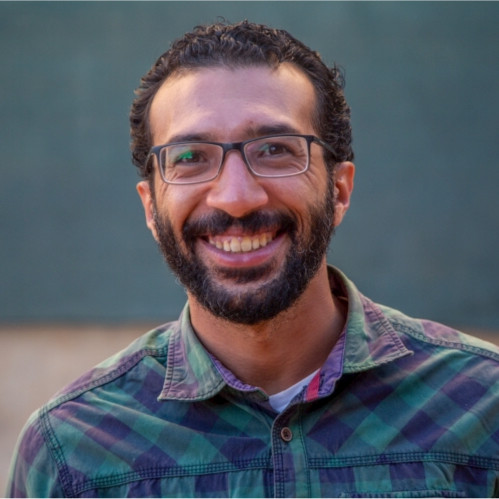
“I’m John Heshmat Dawod, Founder and Chairman of CRK Clinical Research Key (CRK-NGO), a nonprofit organization based in Kenya that pioneers inclusive healthcare solutions through research, education, and community outreach.”
John Heshmat Dawod, BPharm, MSc, Founder, Clinical Research Key
With a background in pharmacy and public health, and over a decade of experience strengthening access to care, he leads CRK’s strategic development, partnerships, and groundbreaking initiatives.
He highlights the establishment of the CliniQuest Research Site near Kibera, built to support both local and international clinical trials, and the launch of CRK Courses, Kenya’s first Continuing Professional Development (CPD) accredited e-learning platform, now serving over 15,000 healthcare professionals.
He also serves as the Principal Investigator for Kenya’s first national program on cardiac amyloidosis, (Quality Improvement Program on raising awareness and promoting early dianosis of ATTR cardiac amyloidosis).
This quality improvement program is independently sponsored by Global Bridges at the Mayo Clinic. The Kenya Cardiac Society (KCS) has adopted this quality-improvement CME as part of its educational material for members. Clinical Research Key also serves as the operational lead for amyloidosis initiatives, including awareness and education programs, as well as cardiac amyloidosis studies under the Kenya Cardiac Society Heart Failure Registry.
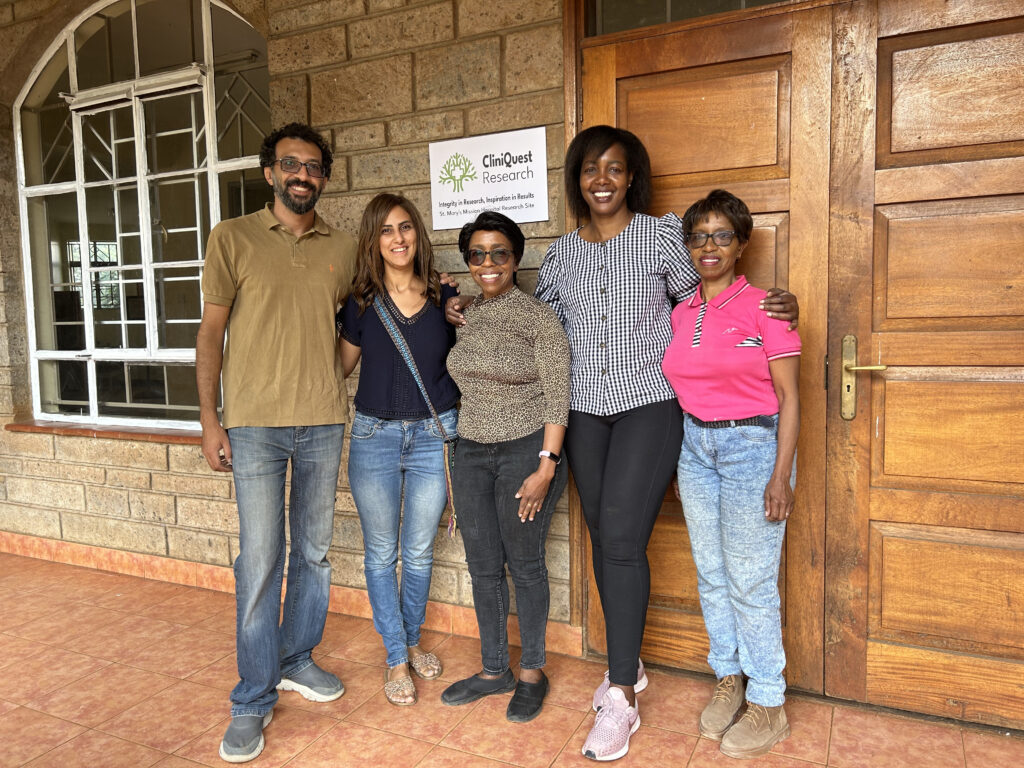
CRK-NGO’s work reflects its mission to advance health equity in Kenya through research, training, and lifesaving care that transforms children’s and communities’ futures. Guided by the vision of a healthier Kenya where every child and community can access quality care, benefit from research, and live with dignity, the organization is dedicated to solving real challenges facing underserved communities.
CRK-NGO also runs Diabetes Kenya, a national hub that strengthens diabetes care by bringing together research, data, and digital learning for health providers. This work supports their wider effort to improve NCD response across underserved communities. Looking ahead, the organization is developing Amyloidosis Africa, a pan-African space for clinicians and researchers focused on cardiac amyloidosis. It will centralize knowledge, data, and collaboration, an important step toward strengthening Africa’s leadership in tackling this overlooked disease.
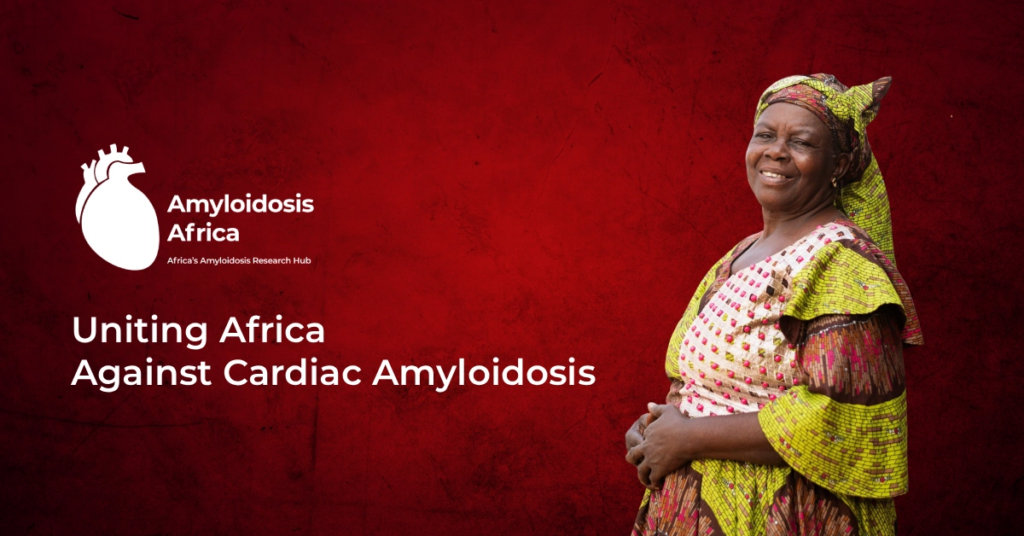
To support this mission, Amyloidosis Africa has also launched a LinkedIn page: Amyloidosis Africa, where they are building the first African network of cardiologists, heart failure specialists, echocardiography experts, nuclear imaging specialists, and other professionals involved in managing this disease. The page works alongside the upcoming website to build partnerships, raise awareness, promote early diagnosis, and advocate for African representation in cardiac amyloidosis clinical trials, especially given that African populations carry the highest risk.
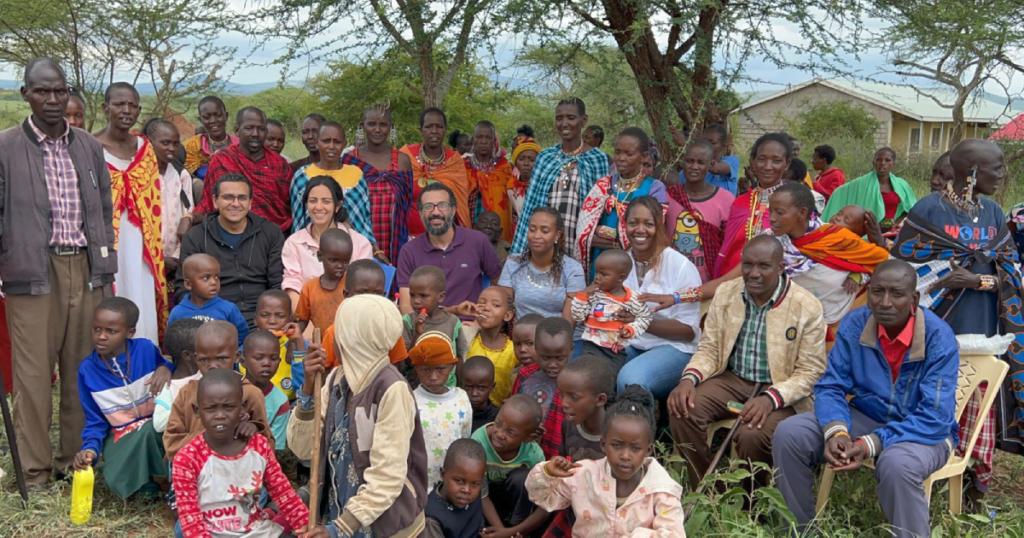
Located within St. Mary’s Mission Hospital, near Kibera, Africa’s largest informal settlement, CRK-NGO operates at the heart of health inequity. This proximity allows the team to design solutions that are ethical, practical, and informed by lived community realities. From conducting medical campaigns across Nairobi’s informal settlements to reaching remote areas like Maasai villages in Kajiado, CRK ensures healthcare truly reaches those who need it most.
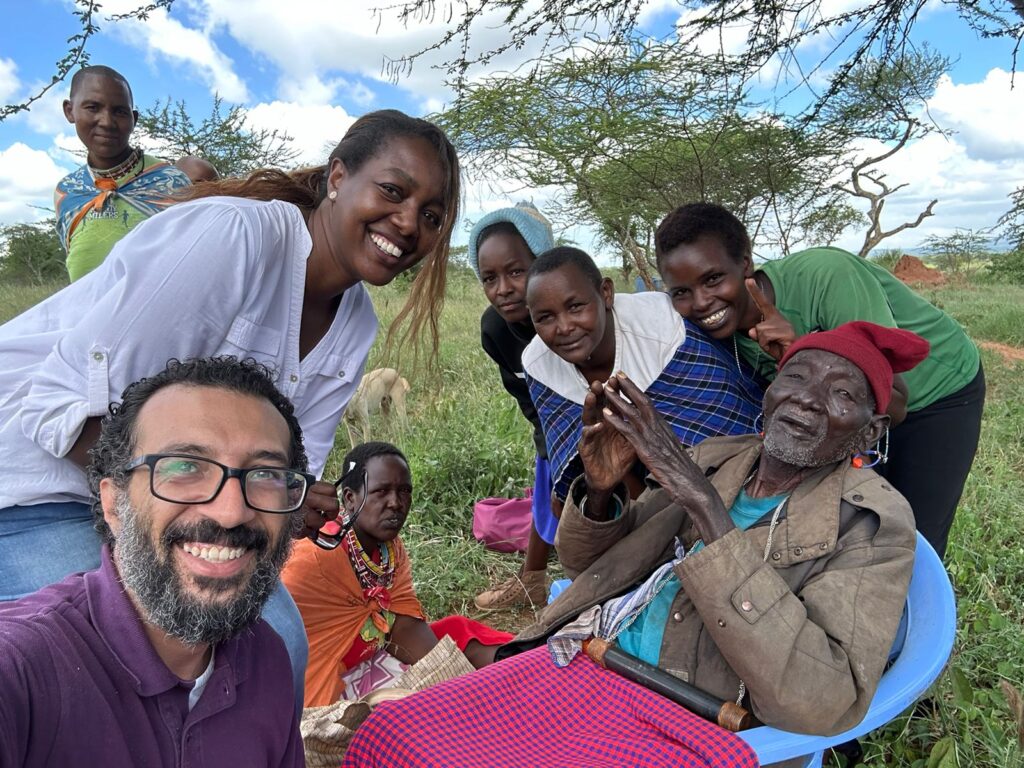
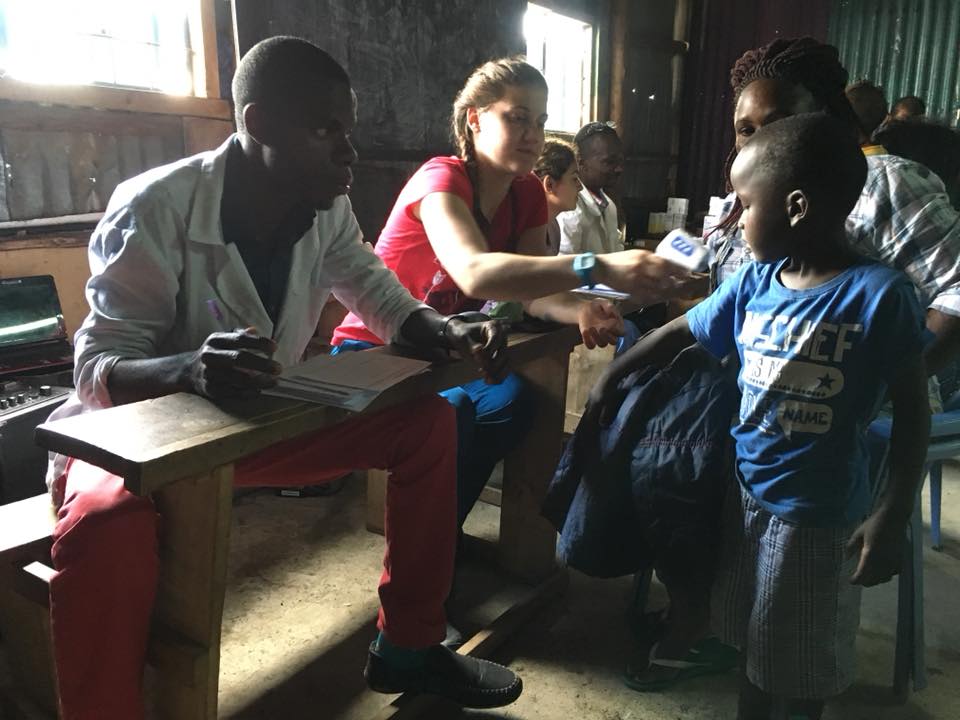
John Heshmat Dawod also notes that CRK-NGO’s impact is powered by a dedicated team of researchers, public health leaders, and community mobilizers who work at the heart of every initiative. He highlights professionals such as Dr. Christina Mwachari, Karen Kiranka, and Lydia Mikhael, who bring skill, compassion, and deep local engagement to the organization’s work.
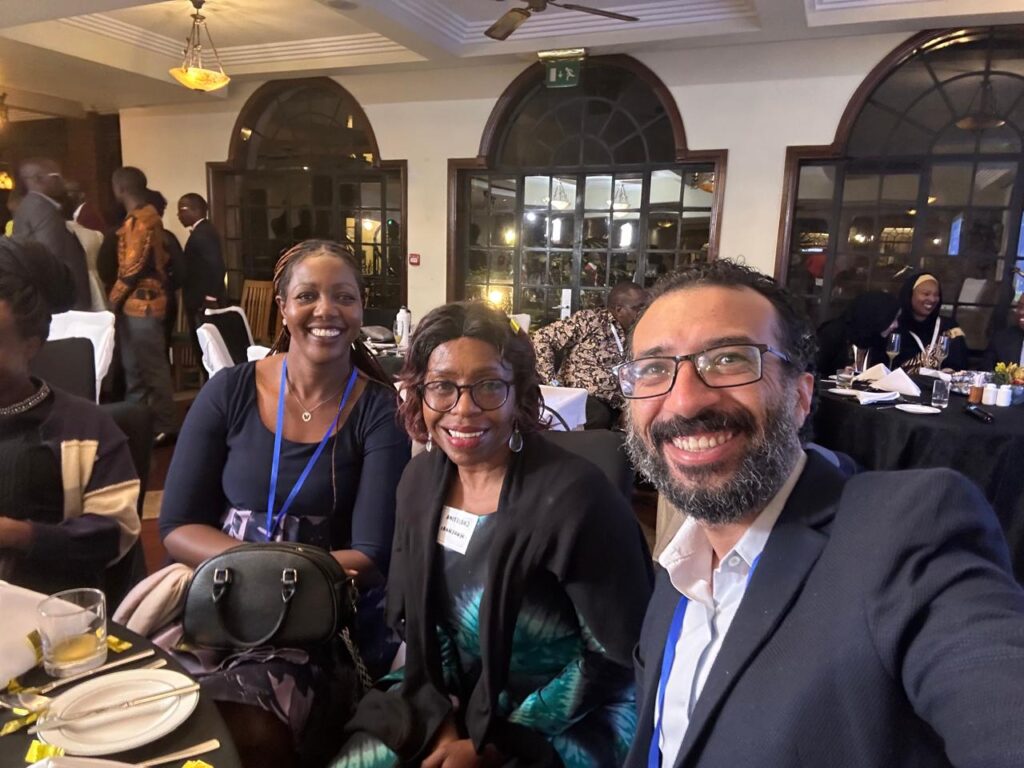
Their collective effort ensures that CRK’s projects remain grounded, effective, and closely connected to the communities they serve.
Understanding Amyloidosis
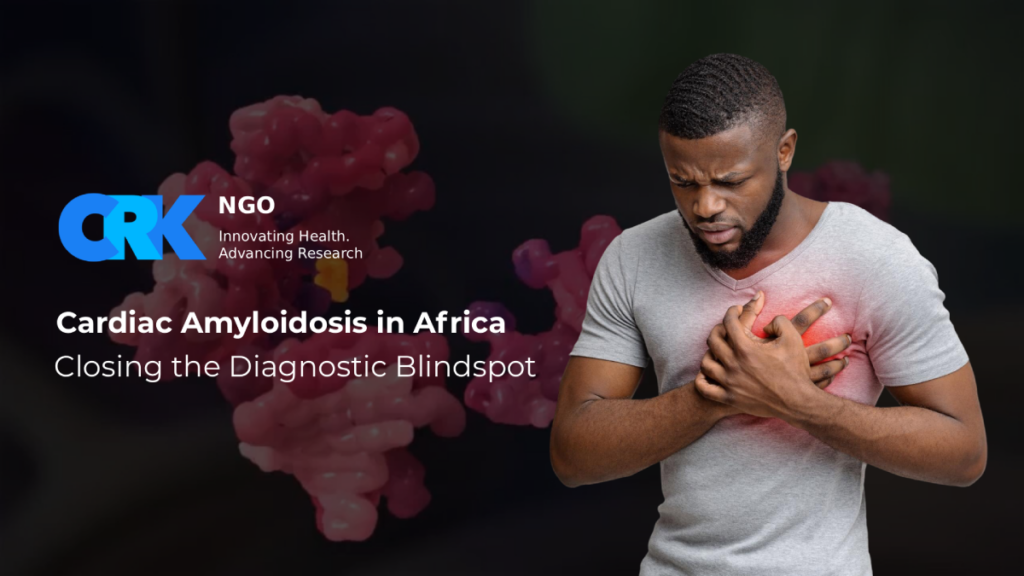
Amyloidosis is a complex group of conditions that occurs when abnormal proteins, known as amyloid, accumulate in vital organs such as the heart, kidneys, liver, or nerves. These deposits gradually interfere with how the organs function, leading to symptoms that may appear subtle at first but become increasingly debilitating over time.
Globally, amyloidosis is recognised as a serious chronic condition that fits within the broader spectrum of non-communicable diseases (NCDs). However, in Kenya, it has not yet been formally included in the national NCD classifications. This is why organisations like Clinical Research Kenya (CRK) are working to ensure rare and often overlooked conditions, such as cardiac amyloidosis, are integrated into Kenya’s NCD agenda through research, advocacy, and policy engagement.
One of the most serious forms is transthyretin cardiac amyloidosis (TTR-CA), which affects the heart and can lead to progressive heart failure. Although once considered extremely rare, global research now shows that TTR-CA may account for up to a third of cases of heart failure with preserved ejection fraction (HFpEF). The condition is particularly relevant to people of African ancestry due to the V142I genetic variant, which is most common in West African populations and may be more widespread across sub-Saharan Africa, including Kenya, than previously recognized.
In Kenya, where the burden of cardiovascular disease is rising, cardiac amyloidosis may be contributing silently to heart failure cases but remains largely underdiagnosed. Many patients are treated for more familiar conditions such as hypertension, yet the true underlying cause, amyloid deposits stiffening the heart muscle, goes unnoticed. Limited diagnostic capacity, lack of awareness, and the subtle nature of early symptoms make detection difficult until the disease is advanced.
John Heshmat Dawod, BPharm, MSc, the Founder and Chairman of Clinical Research Key advises that addressing this gap requires integrating cardiac amyloidosis screening into standard heart failure evaluations, investing in more accessible diagnostic tools such as pyrophosphate (PYP) imaging, and strengthening clinician awareness. While advanced treatments like tafamidis exist, affordability remains a major challenge across Africa. Yet with Kenya’s growing cardiac care infrastructure and increasing research capacity, the country is well positioned to lead Eastern Africa in recognizing and responding to this overlooked condition.
Early Signs of Amyloidosis Often Overlooked
In Kenya, early symptoms of amyloidosis, especially TTR-CA, are frequently mistaken for aging, stress, diabetes complications, or poorly controlled hypertension. Common but often ignored signs include:
- Persistent fatigue, even without strenuous activity
- Swelling in the legs or ankles (often seen as water retention)
- Shortness of breath, especially during light physical effort or at night
- Dizziness or fainting
- Unexplained weight loss
- Irregular heartbeat or palpitations
- Carpal tunnel-like symptoms, such as numbness in the hands
Because these symptoms develop slowly and resemble more familiar conditions, patients often seek treatment only when the disease has progressed significantly. As a result, many cases go misdiagnosed for years.
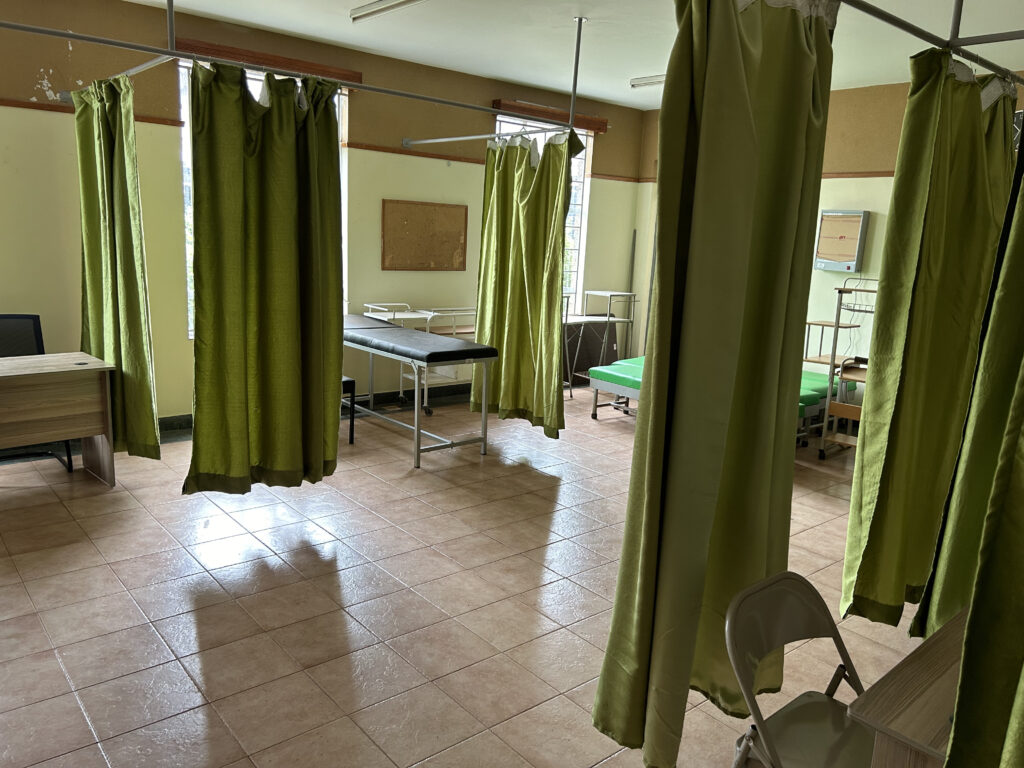
Clinical Research Key (CRK) is working to shift this trend by training frontline healthcare workers to recognize red flags, especially among older men and patients with long-standing hypertension that doesn’t respond well to treatment. By integrating amyloidosis awareness into routine cardiovascular screening, particularly in public hospitals and rural settings, the organization hopes to catch cases earlier, when interventions can make a meaningful difference.
Common Amyloidosis Misconceptions in Low-Resource Settings
One of the biggest misconceptions about rare diseases like amyloidosis is the belief that they “don’t affect Africans.” In many low-resource settings, health conversations focus almost exclusively on infectious diseases and common NCDs. As a result, rare conditions are often dismissed or considered a low priority for screening and investment.
“One of the most persistent misconceptions is the belief that rare diseases don’t affect Africans, that they are somehow “Western conditions” or only impact wealthy populations abroad. In low-resource settings like many parts of Kenya, health concerns are often narrowly focused on infectious diseases or common conditions like malaria and hypertension. This makes diseases like amyloidosis invisible both to the public and, sometimes, even to the health system.”
John Heshmat Dawod, BPharm, MSc, Founder, Clinical Research Key
Another myth is that rare diseases are untreatable or hopeless. While access to certain medicines remains a challenge, early diagnosis, lifestyle adjustments, and symptom-focused care can dramatically improve quality of life, even without curative treatment. In reality, the greatest risk comes from not knowing, not from the disease itself.
CRK-NGO is actively challenging these misconceptions through research, clinical education, and community engagement. Their goal is to ensure that rare diseases are not overlooked just because they are unfamiliar, and that every patient, regardless of background, has a fair chance at early detection and proper care.
Clinical Research Key’s Impact: Research, Outreach & Capacity Building
CRK Clinical Research Key (CRK-NGO) is at the forefront of Kenya’s response to cardiac amyloidosis and other cardiovascular-related non-communicable diseases (NCDs). By combining clinical research, healthcare training, community outreach, and digital innovation, the organization addresses systemic gaps in diagnosis and awareness, particularly among underserved populations.
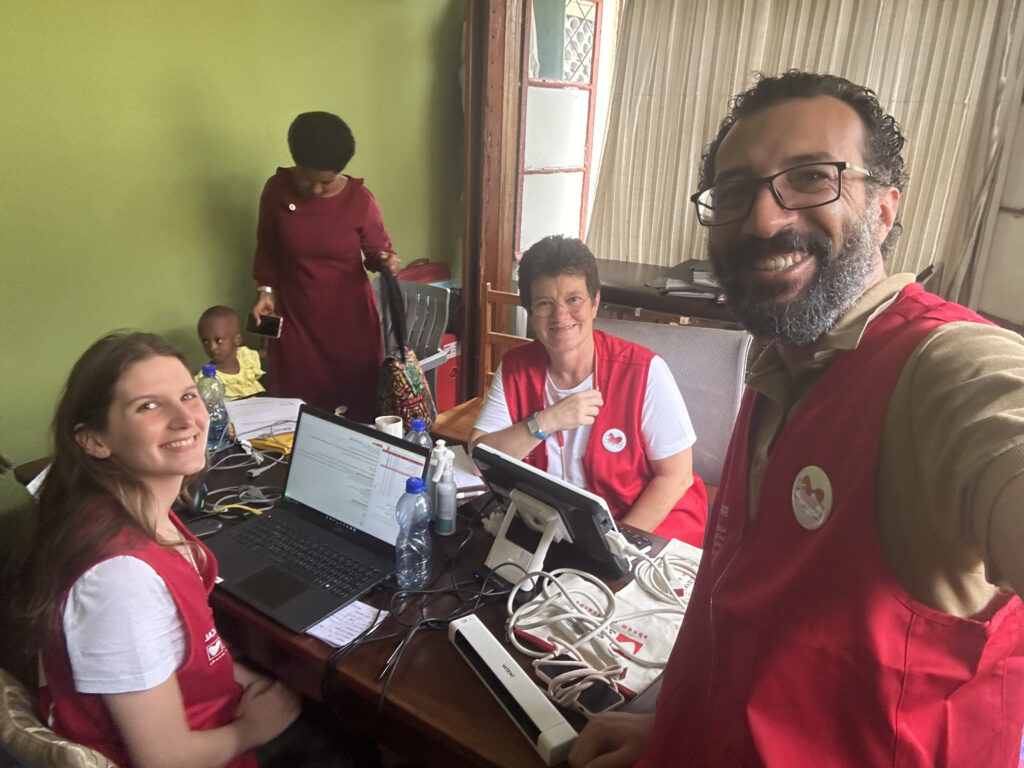
John Heshmat Dawod explains that CRK developed Kenya’s first national CME program on transthyretin cardiac amyloidosis (ATTR-CA) as part of their Quality Improvement Program, “Raising Awareness and Promoting the Early Diagnosis of ATTR Cardiac Amyloidosis in Kenya.” Delivered through CRK Courses Platform, the country’s leading CPD-accredited e-learning platform, the course has trained thousands of clinicians and has been endorsed by the Kenya Cardiac Society.
In parallel, CRK contributes to the Kenya Cardiac Society Registry Program, generating local data to guide clinical practice, policy, and health system strengthening. On the continental level, partnerships with PASCAR and other organizations are driving Africa’s first survey on cardiac amyloidosis, mapping awareness and diagnostic readiness across several countries.
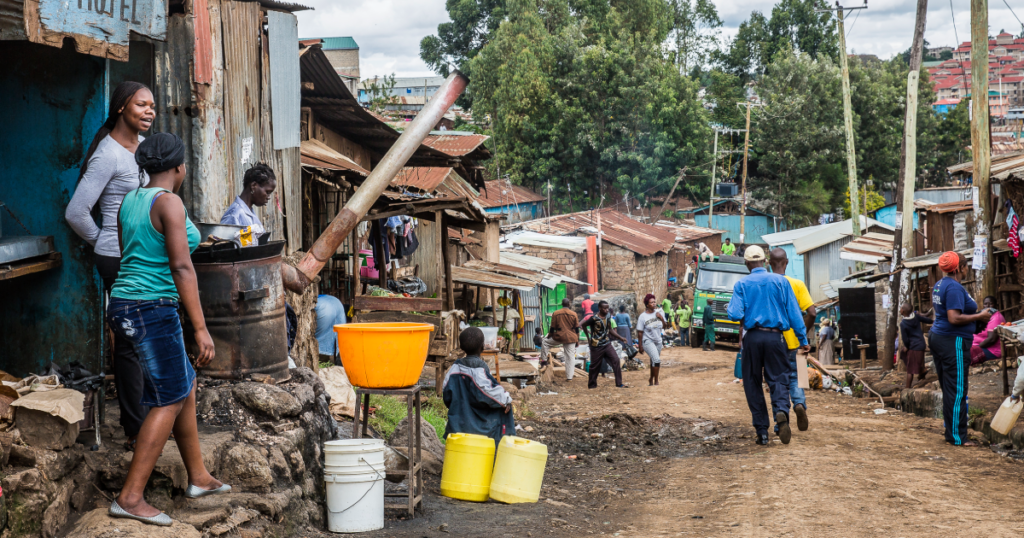
At the community level, CRK-NGO has conducted hundreds of medical campaigns across urban informal settlements like Kibera, Mathare, and Dandora, as well as remote areas such as Maasai villages in Kajiado. These outreach programs provide free screenings, health education, and referral services while also training hospital staff to build long-term capacity. Planned initiatives now aim to integrate cardiac amyloidosis screening, giving frontline providers the tools to detect rare diseases early, particularly in resource-limited settings.
“What makes CRK Clinical Research Key’s model effective is its integration: outreach feeds into research, research informs training, and training shapes care delivery.”
John Heshmat Dawod, BPharm, MSc, Founder, Clinical Research Key
Capacity building is central to CRK’s strategy. Through CRK Courses Platform, over 15,000 healthcare professionals have received training in areas ranging from cardiac amyloidosis to pharmacovigilance, diabetes care, oncology, and antimicrobial resistance. The platform blends self-paced learning with live webinars and interactive content, ensuring clinicians in both urban hospitals and remote clinics are equipped with practical skills.
CRK-NGO serves as the Kenyan ambassador for the Formation 5/5 mobile application, developed by Mécénat Chirurgie Cardiaque to help clinicians identify congenital heart diseases early in low-resource settings, while also collaborating with the organization to provide life-saving heart surgeries in France for African children who would otherwise have no access to specialized care.
Despite these successes, CRK faces significant challenges. Limited national data on rare diseases, gaps in infrastructure, and restricted funding make large-scale research difficult. Reaching remote communities requires complex logistics and significant resources. For patients with rare diseases like cardiac amyloidosis, access to specialized diagnostics and treatments, such as cardiac MRI, genetic testing, or tafamidis, is often unavailable or prohibitively expensive. Awareness gaps persist among both the public and healthcare providers, highlighting the critical role of ongoing education and advocacy.
In addition to these challenges, tafamidis, the only FDA-approved medicine for ATTR cardiac amyloidosis, remains extremely costly and is not always available in Kenya. While new global studies and clinical trials are working toward more affordable and effective treatment options, African populations, despite facing the highest risk, are still not well represented in this research. This makes the work CRK is doing even more important, especially in pushing for better access, stronger data, and greater inclusion of African patients in future trials.
“There’s also a persistent awareness gap, not just among the public, but within the medical community. Many frontline providers have never encountered a case of amyloidosis in their training. That’s why capacity building through platforms like CRK Courses Platform is so critical, but uptake depends on policy support, digital infrastructure, and time availability for already overstretched providers.”
John Heshmat Dawod, BPharm, MSc, Founder, Clinical Research Key
Despite these challenges, through innovation, partnerships, and community-centered approaches, CRK Clinical Research Key continues to transform these obstacles into opportunities. By linking research, training, and outreach, the organization is creating a sustainable model for early detection, care, and equity for both common and rare cardiovascular conditions across Kenya and beyond.
Clinical Research Key’s Vision for Strengthening Kenya’s Fight Against Amyloidosis
The time to act on rare diseases like cardiac amyloidosis is now. Rare diseases like cardiac amyloidosis often remain invisible in public health conversations, yet they silently affect thousands of Kenyans, many of whom suffer due to misdiagnosis or lack of access to specialized care. CRK Clinical Research Key believes that awareness, early detection, and inclusive healthcare strategies can change this reality.
To the public, John Heshmat Dawod, BPharm, MSc, the Founder of Clinical Research Key urges awareness and curiosity: rare doesn’t mean irrelevant. Symptoms such as persistent fatigue, unexplained weight loss, or shortness of breath, especially in older adults, could signal something serious. Early detection begins with knowledge, and communities can play a vital role by participating in outreach campaigns, sharing information, and encouraging timely medical evaluation.
To the Kenyan government and health policymakers, CRK-NGO urges stronger investment in diagnostic infrastructure, rare disease registries, health worker training, and the inclusion of conditions like amyloidosis in NCD strategies. They also ask for regulatory support to fast-track the registration and accessibility of life-saving medicines that are still unavailable in Kenya. John believes that with the right policy backing, Kenya can lead Africa in equitable rare disease care.
Partners and collaborators, including academic institutions, civil society, and donors, are also critical. CRK has the on-ground experience, research networks, and community trust to scale impactful programs, but scaling these programs requires sustained funding, cross-sector collaboration, and innovative support.
CRK envisions a future where Kenya is at the forefront of the global response to rare diseases. They believe that mainstreaming conditions like cardiac amyloidosis into the national NCD agenda is essential, through national registries, strengthened referral networks, workforce training, and equitable access to diagnostics and treatments across all healthcare facilities.
“My vision is for a Kenya where rare diseases like Amyloidosis are understood and addressed, where early diagnosis is routine, access to treatment is equitable, and research and community engagement drive real change. I am contributing to this through training healthcare workers, expanding clinical trials, and building platforms that connect clinicians, researchers, and communities across Africa.”
John Heshmat Dawod, BPharm, MSc, Founder, Clinical Research Key
CRK-NGO is actively making this vision a reality. The organization is:
- Training thousands of frontline healthcare workers via CRK Courses Platform, including Kenya’s first CME on ATTR cardiac amyloidosis.
- Launching AI-powered diagnostic research to enable early, accurate screening even in remote hospitals.
- Collaborating with national and continental societies like the Kenya Cardiac Society and PASCAR to build evidence through surveys and regional data.
- Establishing Amyloidosis Africa, a pan-African knowledge hub connecting clinicians and researchers to unify efforts across borders.
- Engaging in public education and medical campaigns to bring awareness beyond clinics and into communities.
- Initiating Kenya’s first clinical trials on cardiac amyloidosis, addressing critical gaps where African populations are underrepresented in global research.
Through these initiatives, Clinical Research Key is creating a sustainable, community-driven model for rare disease care. The organization focuses on empowering communities, building African research capacity, and ensuring that every patient, regardless of location or resources, has a fair chance at timely diagnosis and quality care.

- The Rise of Suicide Posts in Digital Spaces Reflects a Growing Mental Health Crisis - February 22, 2026
- How Kenya’s Silent Lifestyle Disease Crisis Is Reshaping Public Health - February 12, 2026
- The Rise of Lifestyle Diseases Emerges as a Crisis Among Kenya’s Youth - February 9, 2026