Cervical cancer remains a pressing threat, and according to Registered Clinical Officer Ceciliah Mahugu, early detection and effective cervical cancer care in Kenya can mean the difference between life and loss.
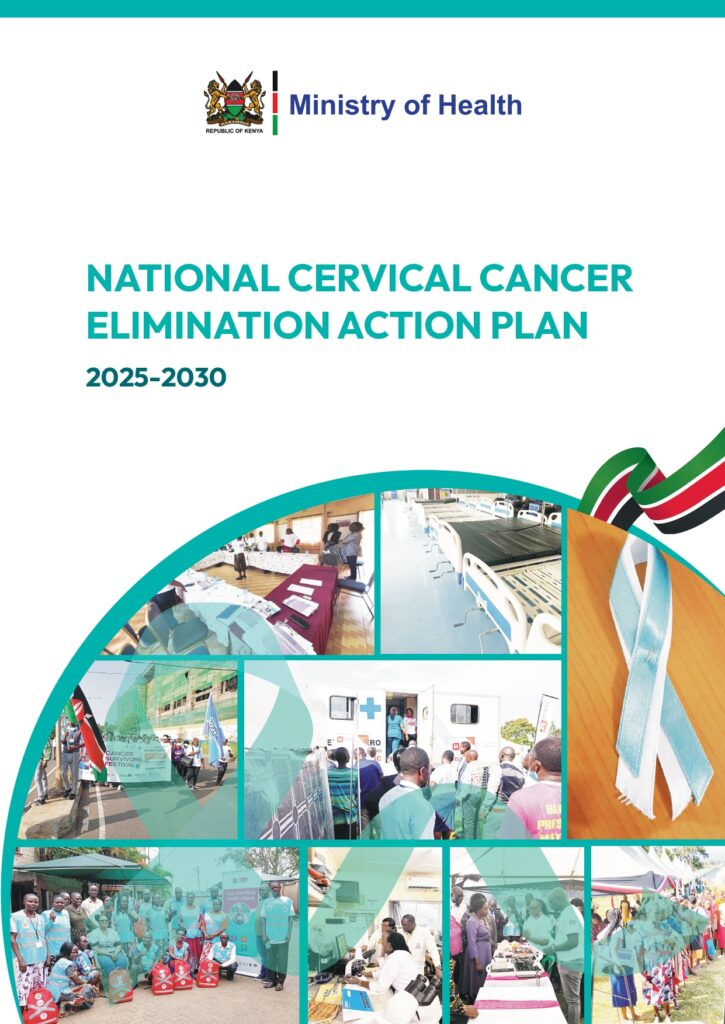
Cervical cancer remains one of the most urgent public health challenges facing Kenyan women, consistently ranking as the second most common cancer among women nationwide and responsible for thousands of deaths each year. According to the GLOBOCAN 2022 study, as referenced in Kenya’s National Cervical Cancer Elimination Action Plan 2025–2030, Kenya records an estimated 5,845 new cases and about 3,600 deaths annually, a burden driven in part by delayed diagnosis and limited access to screening and follow‑up care.
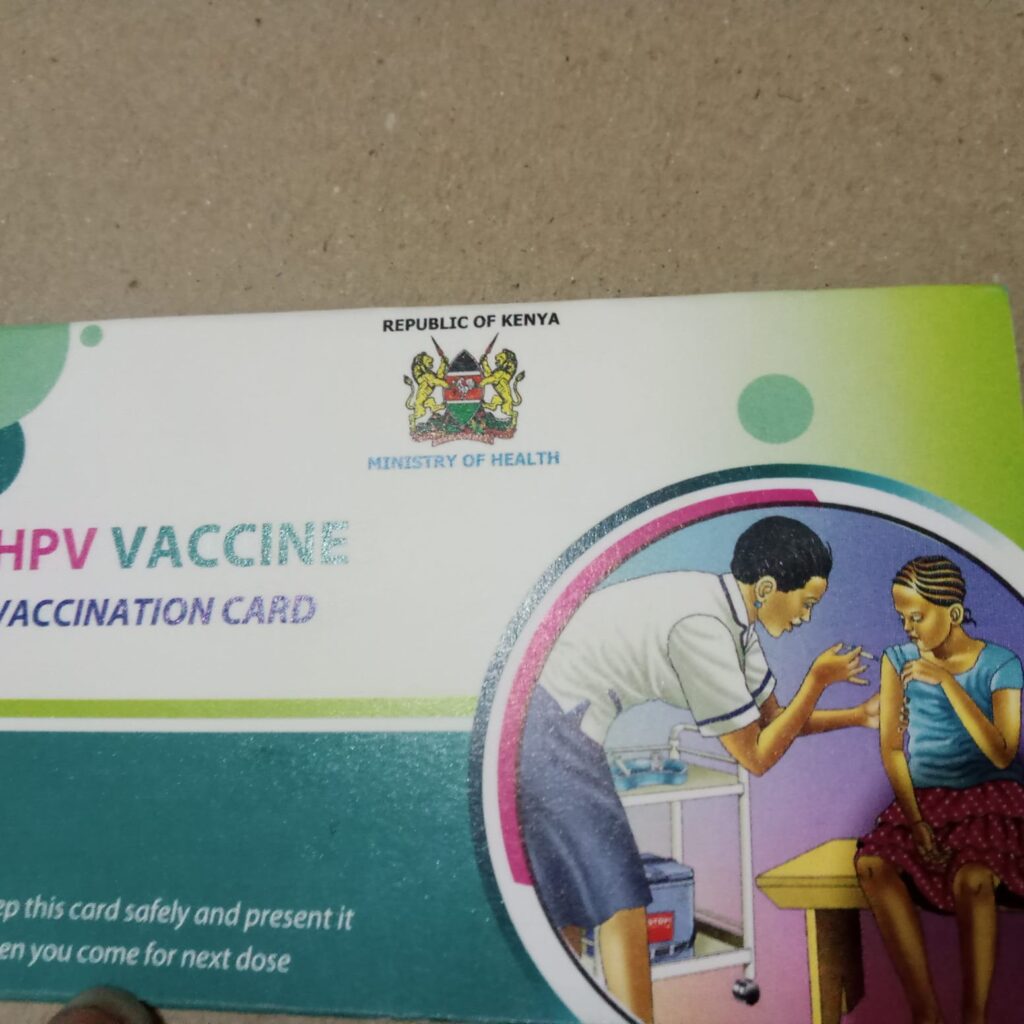
Despite being highly preventable through human papillomavirus (HPV) vaccination and early detection, uptake of cervical cancer screening services remains low, recent national data indicate screening prevalence at around 16–17 percent among women of reproductive age. Recognizing these gaps, Kenya’s Ministry of Health, in partnership with the World Health Organization, has launched a National Cervical Cancer Elimination Action Plan (2025–2030) aimed at accelerating prevention, expanding access to high‑performance screening tests, and strengthening treatment pathways across all 47 counties.
In this feature, I had the privilege of speaking with Ceciliah Mahugu, a Registered Clinical Officer with 13 years of experience, who is deeply passionate about cervical cancer screening, treatment, and HIV care. She emphasizes that early detection and effective care can save countless lives, while also highlighting the challenges Kenyan women face in accessing screening and follow-up services. Drawing from her experiences in both clinical care and community advocacy, Ceciliah shares her vision for improving cervical cancer prevention and care across the country, showing the opportunities to enhance health outcomes and the urgent need for wider awareness and accessible services.
“My work is centered on strengthening cervical cancer prevention and treatment services, mentoring healthcare providers, and building systems that ensure women in underserved communities can access timely and quality care,” Ceciliah explains. As the Clinical Lead at Brave Hearts Cancer Foundation, a charitable trust dedicated to cancer awareness, prevention, and patient support, she also dedicates her time to empowering women and families with the knowledge they need to take charge of their health.
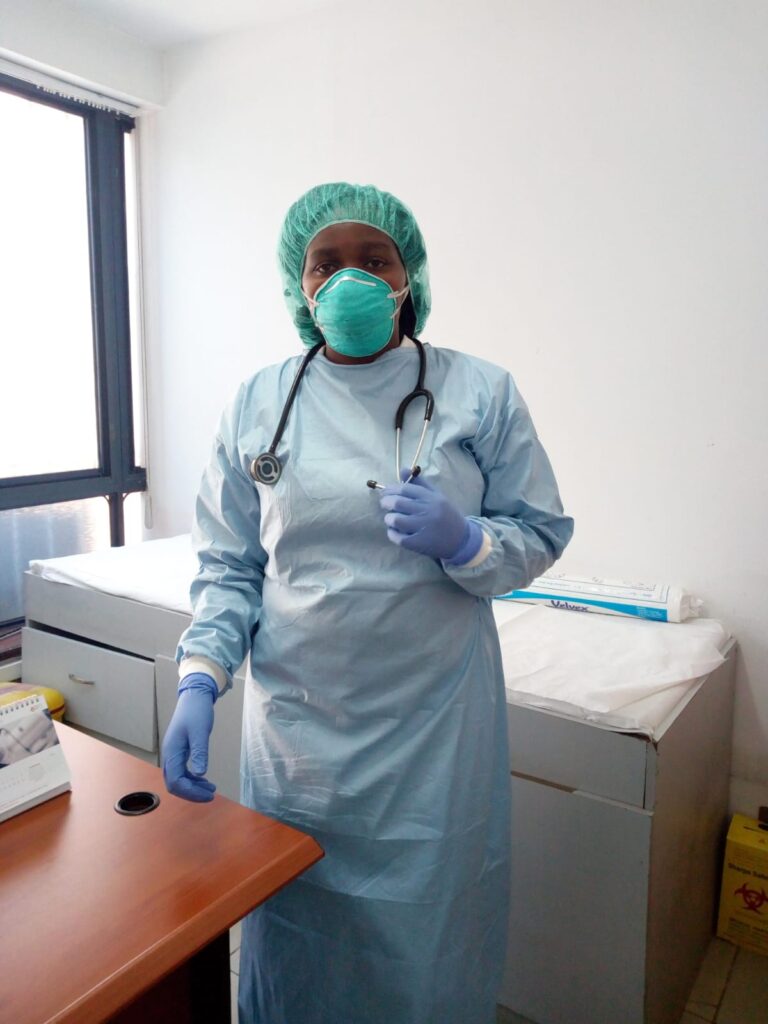
“I am the Clinical Lead at Brave Hearts Cancer Foundation, a newly registered charitable trust dedicated to cancer awareness, prevention, and patient support. My expertise includes screening procedures, managing precancerous lesions, collecting biopsy samples, and ensuring effective linkage of patients to appropriate treatment pathways.”
Ceciliah Mahugu
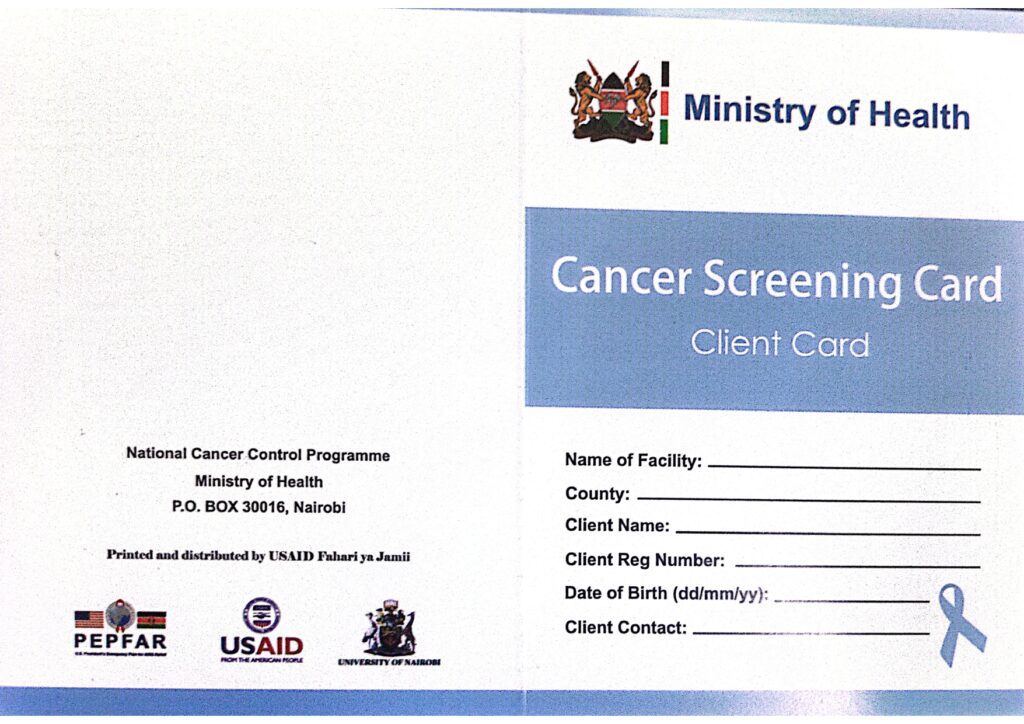
On the clinical side, Ceciliah describes cervical cancer screening as “a simple but life-saving procedure that helps us detect changes in the cervix before they develop into cancer.” Screening in Kenya typically involves Visual Inspection with Acetic Acid (VIA), Pap smears, or HPV testing to identify precancerous lesions early, which can then be treated promptly to prevent progression to invasive cancer. VIA remains the most widely available method at county and primary health facilities, while Pap smears and HPV testing are usually accessible in urban and referral centers, though coverage remains uneven.
Ceciliah reports that beyond the clinical benefits, early detection through screening empowers women to take control of their health, helps reduce the burden of advanced disease, and minimizes the emotional and financial strain on families and the healthcare system. Efforts like hers aim to improve both survival rates and overall well-being for women across Kenya.
From Awareness to Impact: Barriers, Follow-Up, and High-Risk Populations
Ceciliah Mahugu reports that many Kenyan women face a combination of fears, myths, and practical barriers that prevent them from going for cervical cancer screening. “Many women worry that the procedure will be painful, embarrassing, or that a positive result automatically means they have cancer,” she explains. Misconceptions are widespread, some believe cervical cancer only affects older women, that screening can cause infertility, or that it is unnecessary if one feels healthy.
Practical challenges, including long distances to health facilities, financial constraints, and competing family responsibilities, further limit access.
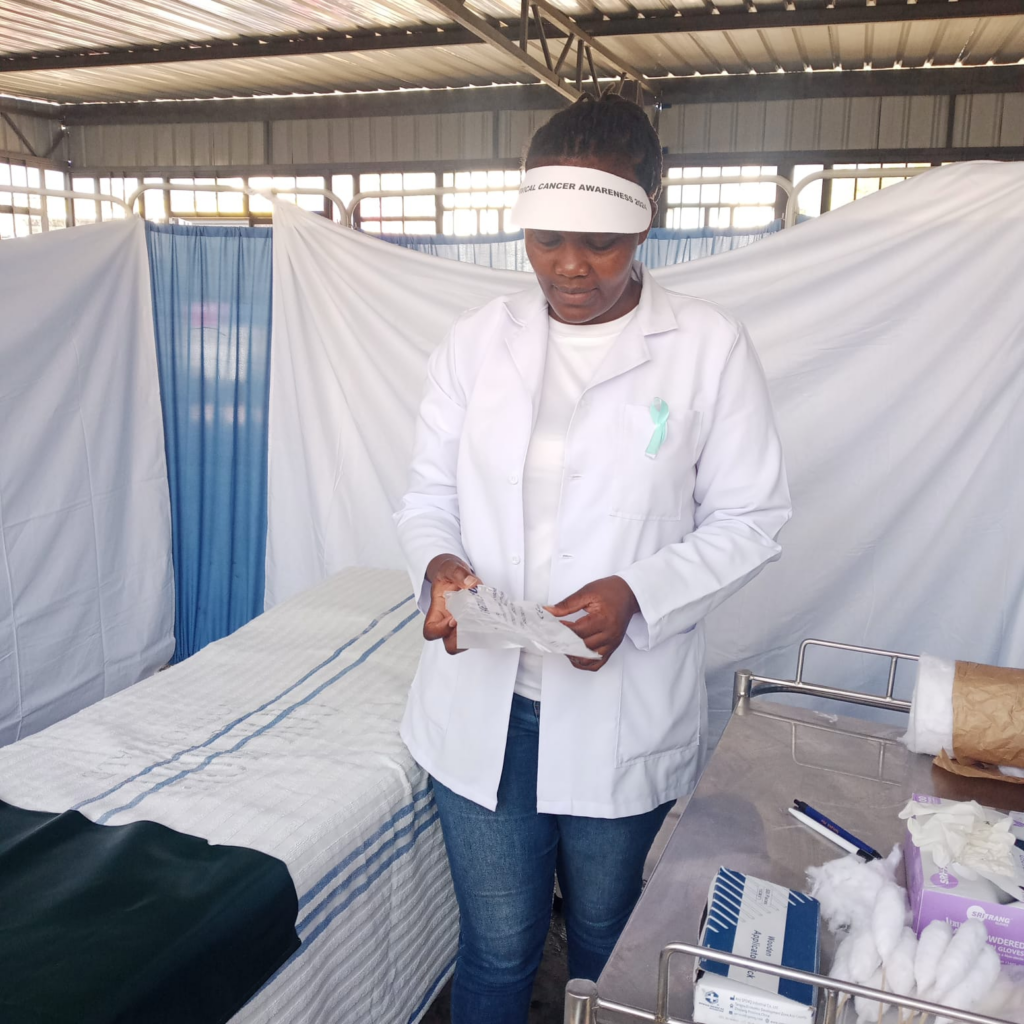
To address these concerns, Ceciliah focuses on education, empathy, and accessibility. She conducts health education sessions to demystify screening, explaining that it is quick, safe, and can prevent cancer before it develops, using relatable language to build trust. At Brave Hearts Cancer Foundation, she advocates for integrating screening into existing maternal and child health services, making it more convenient for women. Most importantly, she emphasizes that early detection saves lives and reduces the burden on families. “By combining medical expertise with community engagement, we will help women overcome fear and see screening as an act of empowerment rather than a threat,” she adds.
You might be wondering what happens when a woman tests positive for cervical cancer during screening. Ceciliah Mahugu explains that there is a structured pathway to ensure timely care. Precancerous lesions which are abnormal changes in cervical cells that are not yet cancer but can develop into it if untreated, may be treated the same day with cryotherapy or thermal ablation. These lesions are most often caused by infection with the Human Papilloma Virus (HPV), and early detection through screening tests such as Pap smears or HPV DNA tests allows them to be managed before they progress.
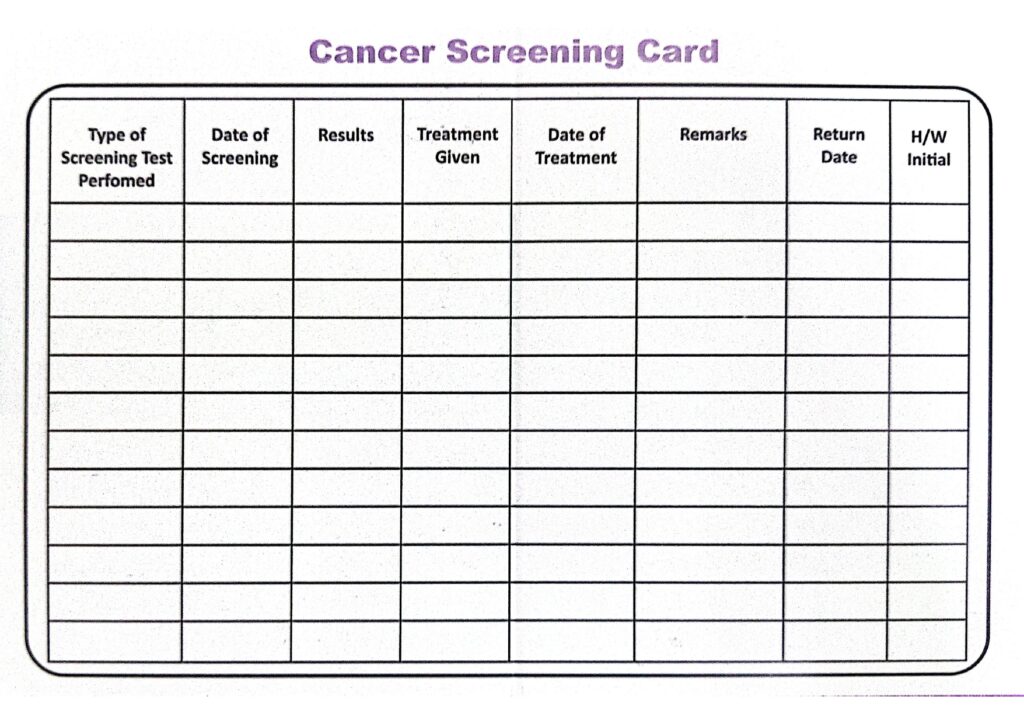
More advanced or suspicious cases are referred to county referral hospitals or specialized cancer centers for colposcopy, biopsy, and further treatment. Follow-up visits are scheduled, and supportive care is provided throughout the process. “Screening is not a one-time event, it is part of a continuum, from detection to treatment and follow-up.” Ceciliah notes.
Ceciliah highlights the importance of screening for women living with HIV, who face a higher risk of cervical cancer due to immune system compromise.
“HIV weakens the immune system, making it harder for the body to clear high-risk strains of the human papillomavirus (HPV), which is the main cause of cervical cancer. As a result, precancerous lesions progress more quickly, and the disease tends to present at younger ages among women living with HIV.”
Ceciliah Mahugu
In Kenya, where both HIV and cervical cancer are major public health challenges, this combination creates a double burden. Women living with HIV often face stigma, limited access to specialized care, and competing health priorities, which can delay screening and treatment. That is why national guidelines recommend more frequent screening for HIV-positive women, often annually, compared to every 3–5 years for HIV-negative women.
As a clinician, Ceciliah emphasizes that screening is not just about detecting disease, it is about giving women living with HIV the chance to live longer, healthier lives.
“We integrate cervical cancer screening into HIV care programs, so that women can access both services in one visit. This approach reduces barriers, ensures early detection, and strengthens the continuum of care. By prioritizing screening for HIV-positive women, we protect one of the most vulnerable groups in our communities.”
Ceciliah Mahugu
Ceciliah Mahugu reports that improving cervical cancer care requires collaboration across communities, county governments, and health workers. She explains that communities play a key role in raising awareness, dispelling myths, and encouraging women to seek screening, with leaders, women’s groups, and peer networks helping to normalize screening and support follow-up.
County governments provide resources and infrastructure, integrate screening into maternal and child health programs, fund training and outreach, and strengthen referral systems to ensure women receive timely care. Health workers deliver screenings with empathy, offer counseling, guide patients through referrals, and stay updated on best practices and new technologies like HPV testing.
As we can see, we all have a role to play in reducing the burden of cervical cancer and saving lives. Communities, governments, and health workers each contribute to awareness, access, and care, but the fight also starts at a personal level. What are you doing in your own life to help prevent cervical cancer and support women’s health in your community?
A Vision for Stronger Cervical Cancer Prevention in Kenya
Ceciliah Mahugu envisions a system where every woman in Kenya, regardless of location or economic status, has access to timely, affordable, and high-quality cervical cancer screening and treatment. She identifies three key pillars for achieving this vision: expanding access, integrating services, and sustaining community trust. Expanding access means scaling up screening methods like VIA and HPV testing to reach women in rural and underserved areas, while ensuring treatment options such as cryotherapy and thermal ablation are available at county facilities.
Integrating services involves embedding cervical cancer screening into existing programs, including maternal and child health and HIV care, so women can receive comprehensive care in a single visit. Sustaining trust relies on continuous community education and engagement to dispel myths, reduce stigma, and encourage women to return for follow-up care.
She reports that through her work as a Clinical Officer and her leadership at Brave Hearts Cancer Foundation, she is actively contributing to this vision. Her initiatives include leading outreach programs that bring screening closer to communities, training health workers to deliver screening and treatment with empathy and professionalism, and establishing referral linkages so that women who screen positive are guided seamlessly through the healthcare system. Additionally, she advocates for policy support and resource allocation at both county and national levels to strengthen the infrastructure and ensure long-term sustainability.
“I envision a Kenya where every woman, regardless of where she lives or her economic status, has access to cervical cancer screening and treatment services. I am actively contributing to this vision through community outreach, training health workers, strengthening referral systems, and advocating for supportive policies. My goal is to see cervical cancer become a preventable disease in Kenya, and I am working to make this vision a reality.”
Ceciliah Mahugu
Ceciliah’s work is guided by a clear, long-term vision to see cervical cancer become a preventable disease in Kenya. By strengthening early detection and promoting timely treatment, she is contributing to a shift from late-stage response to prevention-focused care. Her efforts support a future in which women are informed, supported by the health system, and far less likely to lose their lives to a disease that can be prevented.

- The Rise of Suicide Posts in Digital Spaces Reflects a Growing Mental Health Crisis - February 22, 2026
- How Kenya’s Silent Lifestyle Disease Crisis Is Reshaping Public Health - February 12, 2026
- The Rise of Lifestyle Diseases Emerges as a Crisis Among Kenya’s Youth - February 9, 2026

