Agnes Nthusa lost her mother to cervical cancer at fifteen, and that loss became the spark for a lifetime of advocacy, dedicating her life to preventing others from facing the same pain.
Cervical cancer continues to claim the lives of thousands of women in Kenya, Africa and globally, often silently and preventably. Its impact reaches far beyond the individual, tearing families apart, straining health systems, and disrupting communities. Every loss is felt, emotionally, socially, and economically, reminding us that this is not just a health issue, but a societal one. It is in this fight that advocates like Agnes Nthusa dedicate their lives to prevention, awareness, and hope, turning personal tragedy into a mission that affects us all.
In this feature, during this Cervical Cancer Awareness Month, I was privileged to interview Agnes Nthusa, a Global Health Leader, Women’s Health Advocate, and Digital Health Expert. Currently working with the Clinton Health Access Initiative on cancer prevention and health system strengthening, driving impact in early detection and prevention of cervical cancer. Beyond her professional work, she creates spaces where women and girls can access information, support, and hope. One example is the initiative she founded, Binti Afya Initiative Africa, a movement that provides a safe, vibrant space to inform, inspire, and advocate for women’s health across Africa.
In this feature, she shares her experiences, insights, and the work she is doing to fight cervical cancer in Kenya, Africa, and globally.
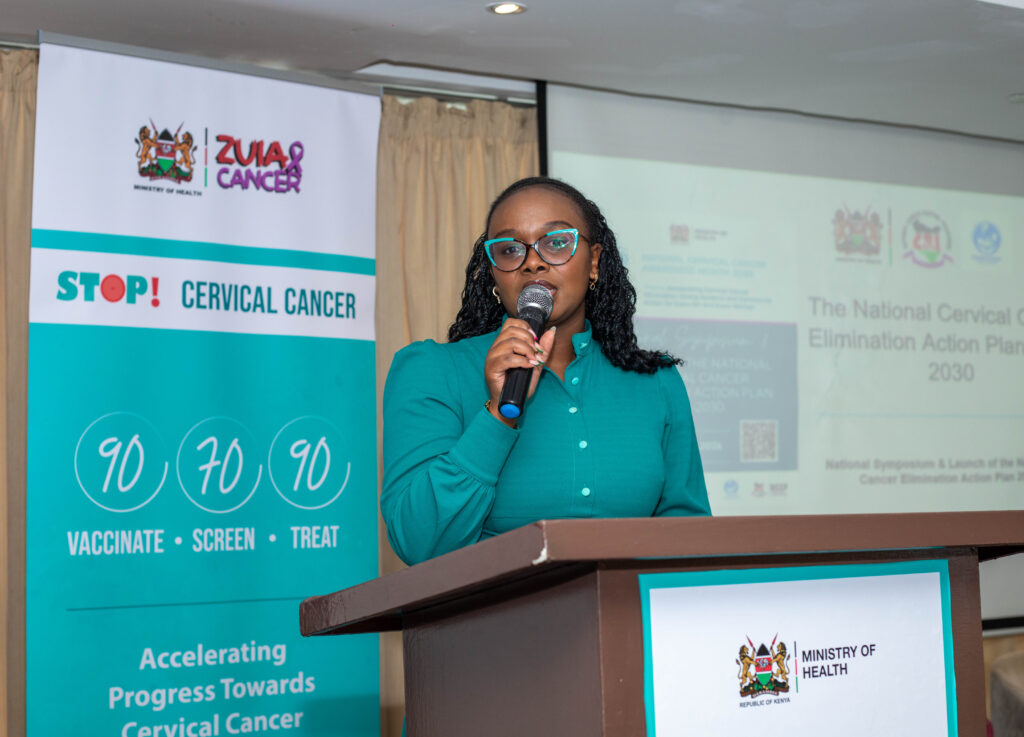
“I’m a public health practitioner and cervical cancer advocate, but before anything else, I’m someone whose life was shaped by this disease. I lost my mother to cervical cancer when I was fifteen, and that loss turned into purpose.”
Agnes Nthusa
Agnes Nthusa: Leading the Fight Against Cervical Cancer
Agnes Nthusa’s work in cervical cancer prevention goes beyond advocacy, ensuring leadership, connection, and African voices shape global health decisions. As the International Papillomavirus Society (IPVS) Country Ambassador for Kenya and Lead of the Regional Working Group in Africa, she plays a critical role in bridging local and international efforts, making sure that evidence-based strategies are adapted to the realities on the ground. In addition to this, Agnes works with the Clinton Health Access Initiative, focusing on cancer prevention and strengthening health systems to improve access to life-saving services.
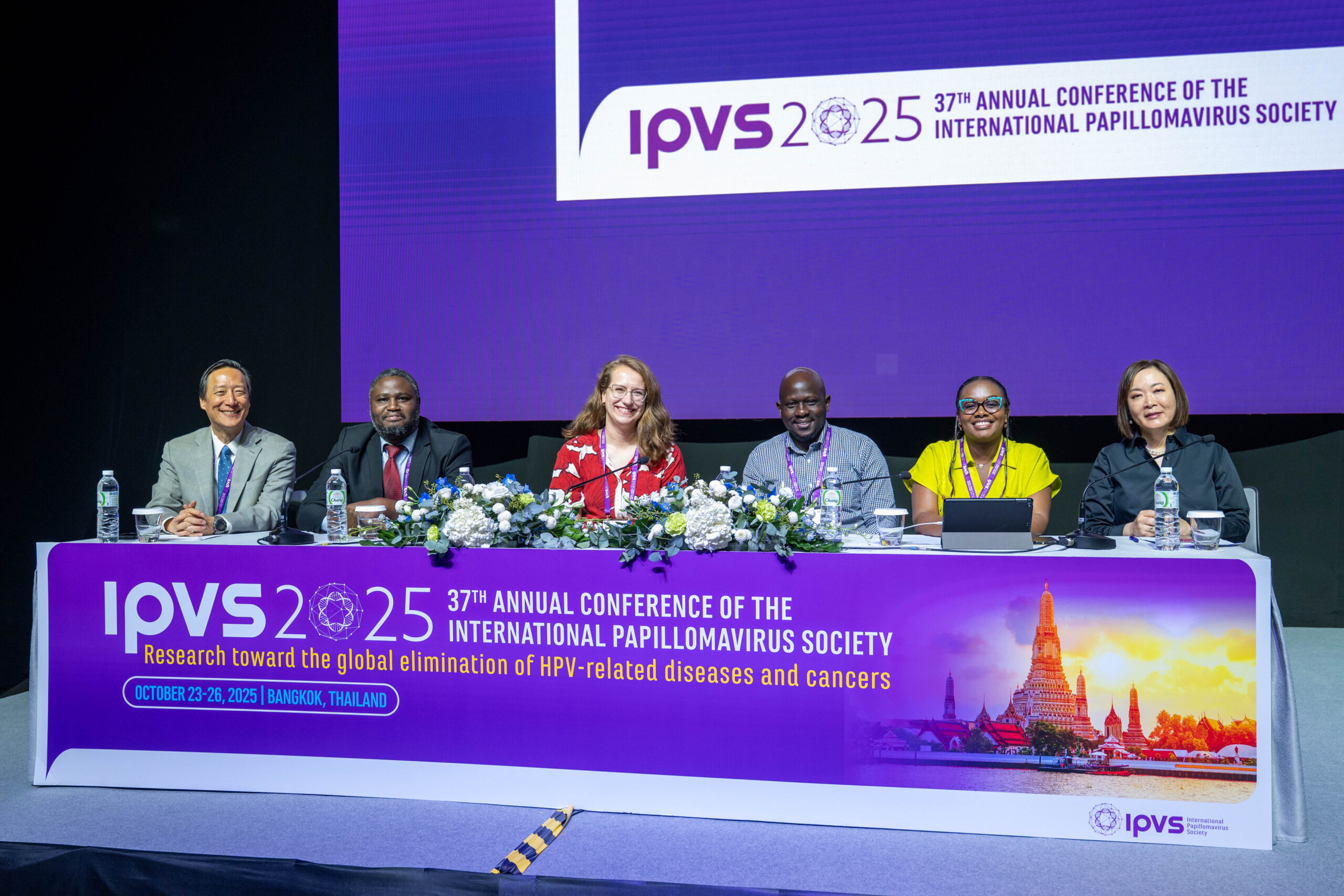
“I help bring African voices into global HPV conversations and bring global evidence back home in a way that actually works. It matters because Africa carries the highest burden of cervical cancer, yet we’re often left out of decision-making. This role helps change that.”
Agnes Nthusa
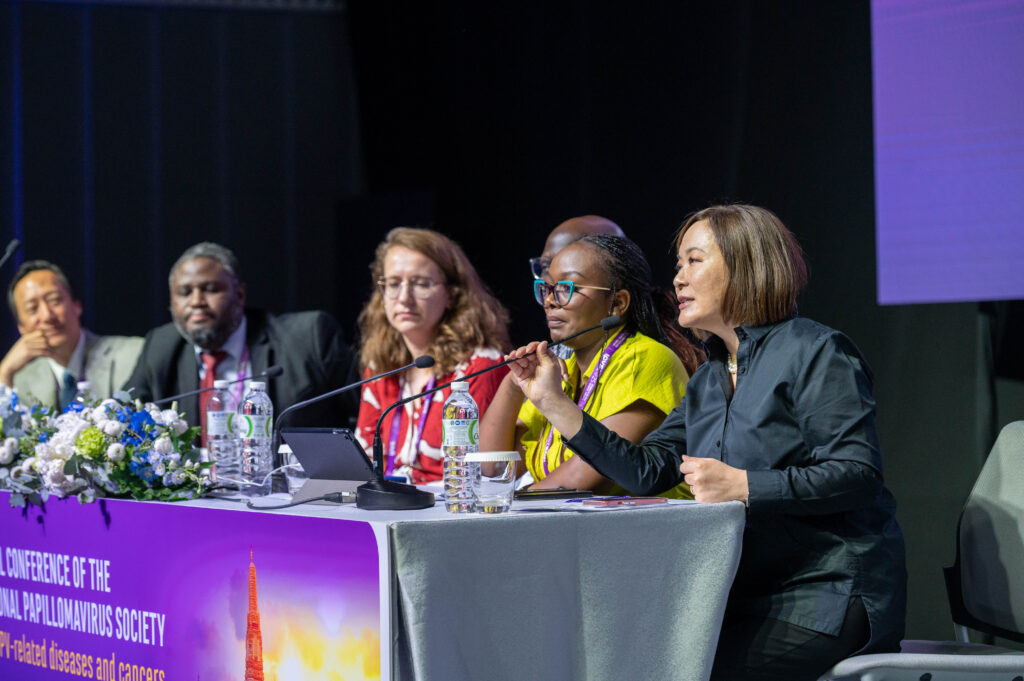
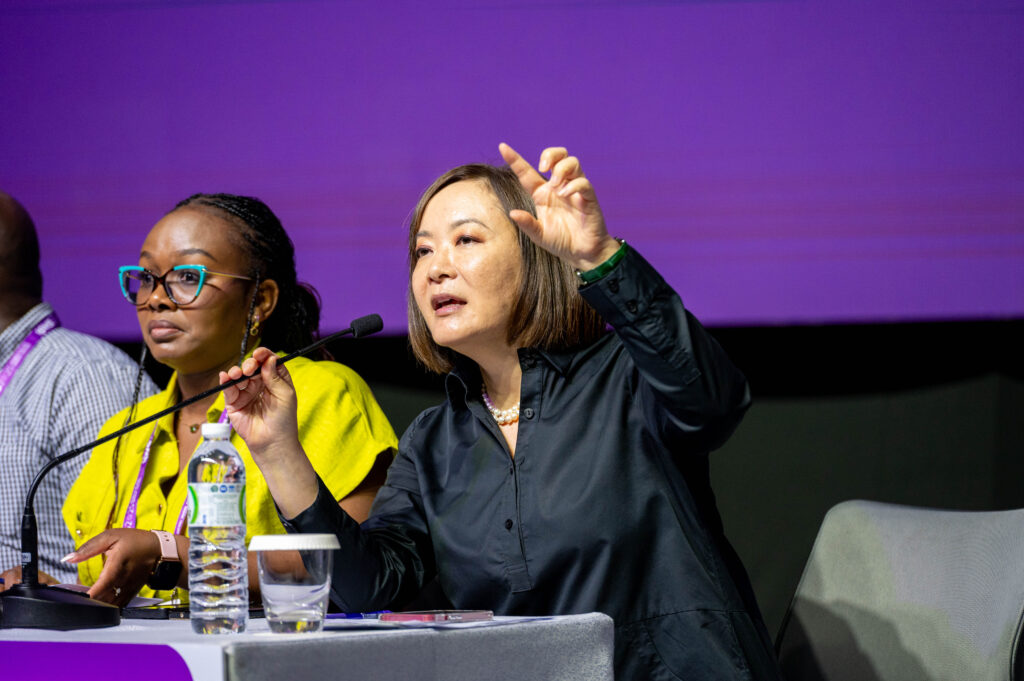
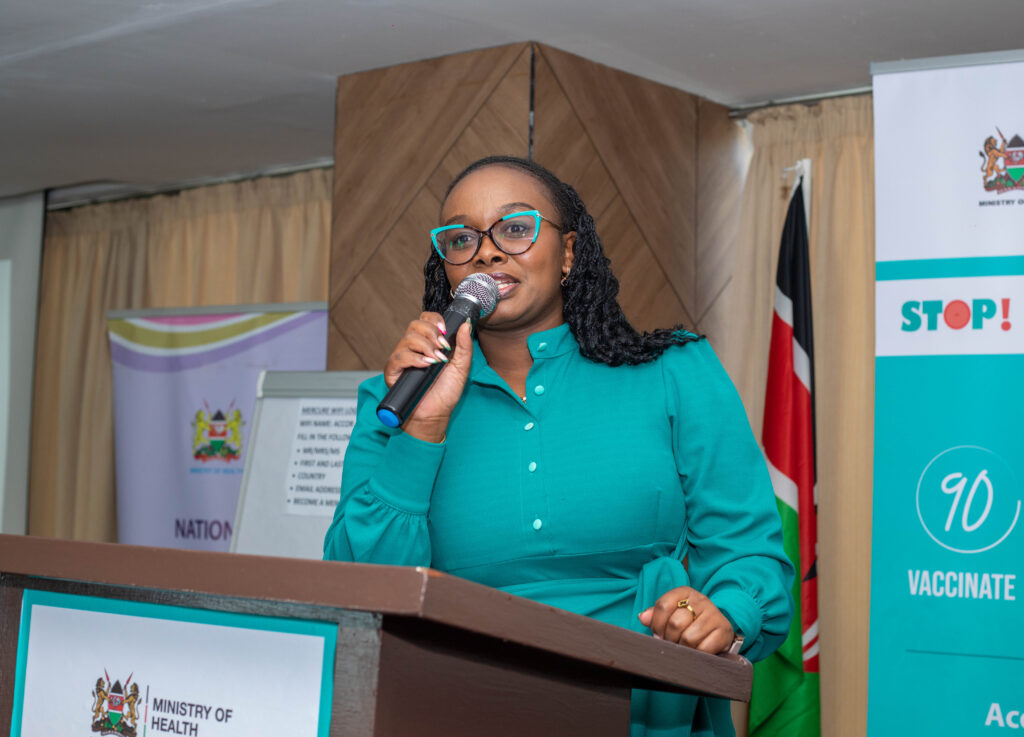
Agnes Nthusa’s work in cervical cancer prevention extends beyond advocacy, it includes shaping policies that drive real impact. She contributes directly to Kenya’s National Cervical Cancer Action Plan 2025–2030, helping translate evidence into strategies that improve access to vaccination, screening, and treatment. Reflecting on discussions raised in my recent article, “Beyond Kenya’s 2025–2030 Cervical Cancer Elimination Plan: Who Is Accountable for Results?”, Agnes is one of the leaders helping raise these critical questions through policy advocacy, ensuring that the plans are not just formulated but actively implemented and translated into real change for women and girls.
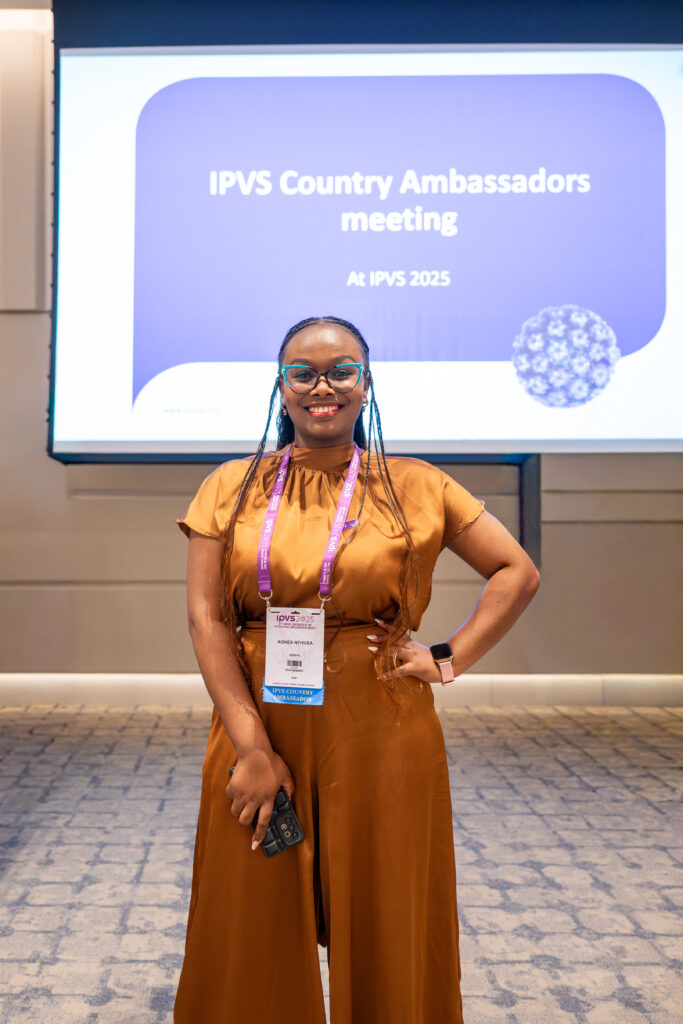
Through this work, Agnes ensures that policy, advocacy, and practical interventions are not only informed by data but also shaped by the needs of the communities most affected. Her leadership demonstrates how advocacy at both regional and global levels can translate into real-world impact for women and girls across Africa.
Challenges and Opportunities in Prevention
Despite progress in cervical cancer prevention, significant barriers still prevent women and girls in Kenya from accessing HPV vaccination and screening services. Agnes Nthusa points to awareness as one of the biggest gaps: many women only hear about cervical cancer when they are already sick. Coupled with limited financing, overstretched health systems, and missed opportunities for vaccination, access remains uneven. As she explains, “The issue isn’t resistance, it’s inequity. It’s not that communities don’t care, it’s that services don’t always reach them in a timely, consistent way.”
Silence, stigma, and misinformation further complicate prevention efforts. Cervical cancer is often linked to shame, sexuality, and fear, keeping women quiet and parents hesitant. Agnes notes, “I’ve seen women delay screening because they’re afraid of the results, and families reject vaccination because of fertility myths. Until we normalize these conversations, prevention will always struggle.” Addressing these cultural barriers is essential to increasing uptake of both screening and vaccination.
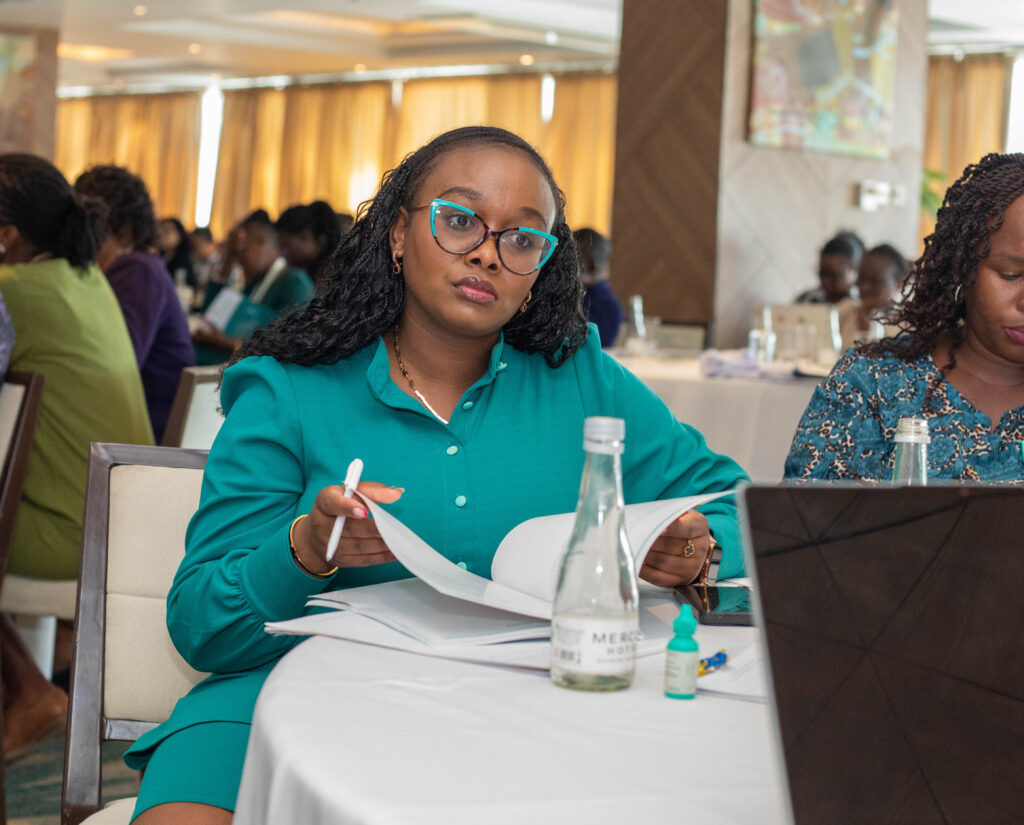
These obstacles affect many women, and studies have consistently shown their impact. In my previous article, ‘The Cost of Silence in the Fight Against Cervical Cancer,’ I highlighted how stigma, fear, and misinformation prevent women from seeking life-saving prevention and treatment. Multiple studies in Kenyan communities reinforce this reality. For instance, the 2021 qualitative study ‘Barriers and Facilitators to Cervical Cancer Screening in Western Kenya’ (Journal of Cancer Education) found that fear of pain, embarrassment, low awareness of HPV and cervical cancer, and discomfort discussing reproductive health significantly reduce screening uptake among women and healthcare providers in Migori County.
Similarly, the 2022 study ‘Developing a Framework to Describe Stigma Related to Cervical Cancer and HPV in Western Kenya’ (BMC Women’s Health) reported that discriminatory attitudes, assumptions about promiscuity or infidelity, and lack of clear understanding about HPV and cervical cancer contribute to internalized stigma that discourages women from seeking screening or treatment.
Policy shifts and community engagement offer hope for improving access. Kenya’s recent transition to a single-dose HPV vaccination schedule is particularly significant. “It’s a game changer. One dose means fewer missed girls, lower costs, and simpler delivery, especially in hard-to-reach areas,” Agnes says. However, she emphasizes that policy alone is not enough. Engaging men, families, and communities is crucial: “When men understand that cervical cancer prevention protects families, not just women, everything shifts. Prevention becomes a family and community issue, not just a women’s issue.”
With the right combination of policy, awareness, and community support, cervical cancer prevention in Kenya can become more equitable and effective.
Agnes Nthusa’s Vision: A Future Free from Cervical Cancer
Agnes Nthusa sees the fight against cervical cancer not just in Kenya, but across Africa, as a shared mission. Drawing on lessons from other countries, she emphasizes the importance of integrating HPV vaccination into routine health services, using self-sampling to expand screening, and leveraging digital tools for follow-up care.
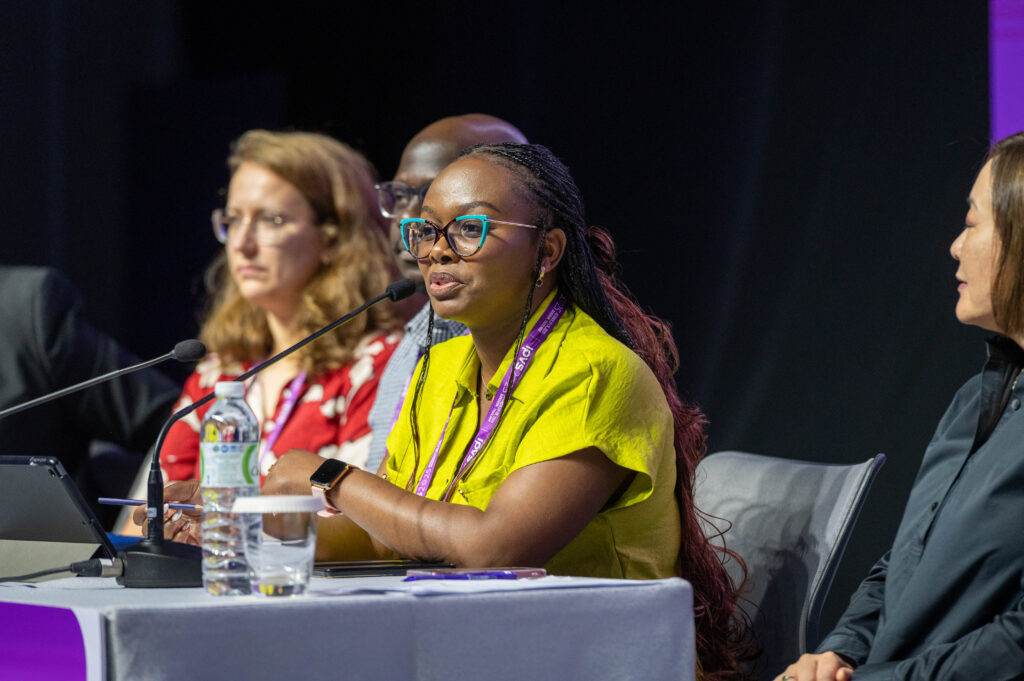
“Africa has solutions, we just need to scale and share them. Peer learning across countries is also powerful; we don’t need to reinvent the wheel.”
Agnes Nthusa
Agnes’s emphasis on learning from global experience reflects what other countries are doing to strengthen cervical cancer prevention. In Rwanda, a national HPV vaccination programme introduced in 2011 for girls around age 12 has achieved high coverage and now uses electronic tracking systems to monitor vaccine delivery and follow‑up care at all primary health levels.
In Côte d’Ivoire, nearly 90 % of cervical screenings have shifted to self‑testing, where women collect their own samples, making screening more accessible and culturally comfortable, especially for women living with HIV.
Meanwhile, digital health platforms like DHIS2 Tracker are being used in Burkina Faso and Côte d’Ivoire to send routine screening and follow‑up notifications via SMS, helping reduce losses to follow‑up after HPV testing. These examples show how combining vaccination, self‑sampling, and digital tools can expand access and engagement in different health systems around the world.
Looking ahead, Agnes envisions a Kenya where cervical cancer is no longer a source of fear but a preventable reality. She imagines a future where vaccination is normal, screening is routine, and no woman dies because care arrived too late. She contributes to this vision through policy work, including Kenya’s National Cervical Cancer Action Plan 2025–2030, regional leadership with IPVS, and grassroots advocacy.
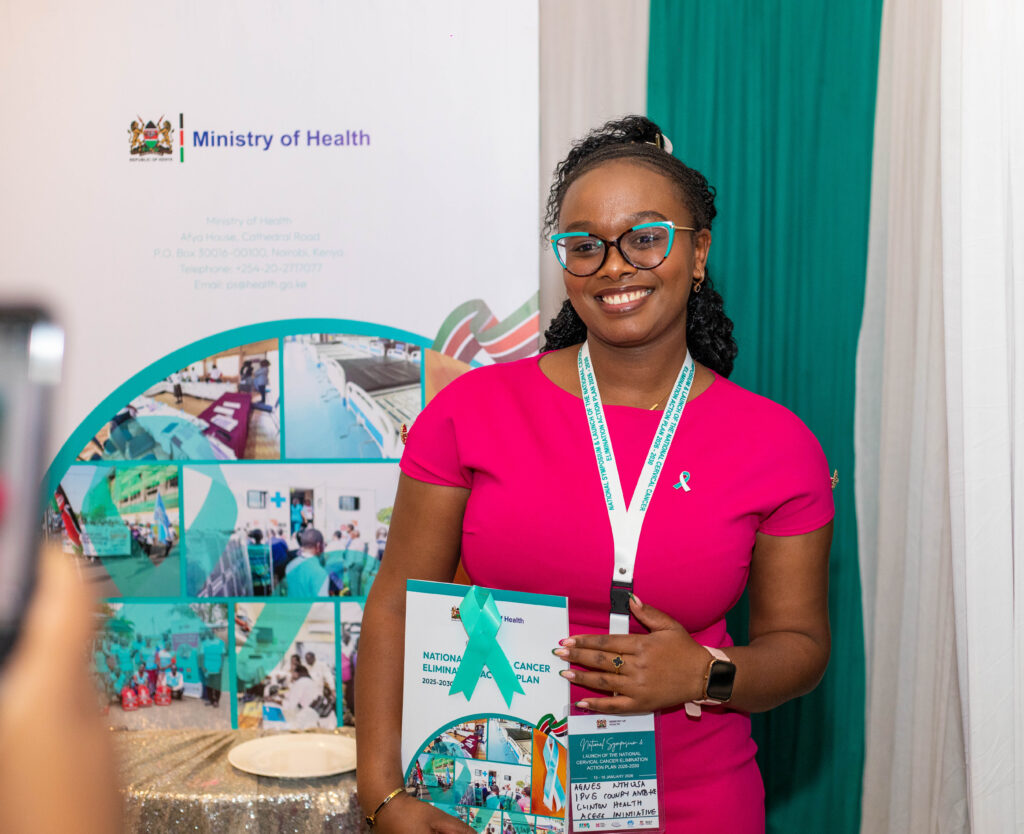
“I want a Kenya where cervical cancer is something we prevent, not fear; where vaccination is normal, screening is routine, and no woman dies because care comes too late. I’m contributing through policy work, regional leadership with IPVS, and grassroots advocacy.”
Agnes Nthusa
As we reflect on the perspectives of global and emerging health experts like Agnes Nthusa, it becomes clear that meaningful progress against cervical cancer is only possible through dedicated leadership, collaboration, and advocacy. In her rising, may many more champions emerge, women and men committed to prevention, awareness, and equity, working together to ensure no one faces this disease alone.
We all have a role to play, from policymakers to communities, in turning vision into action. Let us all act so that a future free from cervical cancer is not just imagined, but realized. So, what will your role be in making this future a reality?

- The Rise of Suicide Posts in Digital Spaces Reflects a Growing Mental Health Crisis - February 22, 2026
- How Kenya’s Silent Lifestyle Disease Crisis Is Reshaping Public Health - February 12, 2026
- The Rise of Lifestyle Diseases Emerges as a Crisis Among Kenya’s Youth - February 9, 2026