Patrick Kuria, MScN (Oncology), RN, is a distinguished oncology nurse specialist and lecturer at Kirinyaga University, where he shapes the next generation of healthcare professionals. As the CEO and practicing oncology specialist at Noka Medical Centre Hospital and a researcher with the Integrated Cancer Research Foundation of Kenya, he brings together teaching, bedside care, and evidence-driven research.
A graduate of Kenyatta University, where he earned both his Bachelor of Science in Nursing and Master of Science in Nursing (Oncology), Kuria is committed to translating academic knowledge into better outcomes for patients and stronger training for health professionals.
In this feature, he shares his insights on balancing the science and practice of oncology, and why this integration is vital for the future of breast cancer care in Kenya.
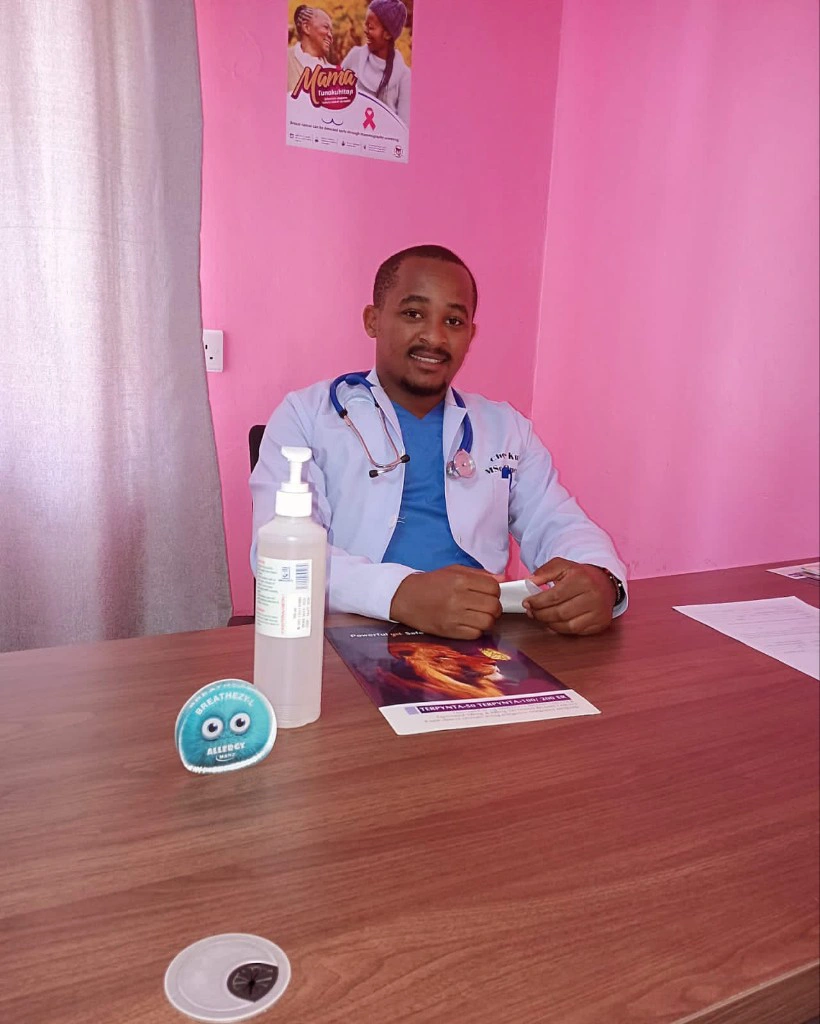
A Journey Into Oncology
Cancer, as Dr. Patrick Kuria reflects, is not just a medical condition, it is a human crisis that affects patients, families, and entire communities. His decision to pursue oncology was not accidental but born out of moving encounters during his early training.
“Cancer reaches out to individuals during the most critical times of their lives, patients, families, entire communities. It was during my early training that I was surprised by the extent of suffering that could have been prevented with earlier diagnosis, improved systems, and caring treatment.”
What attracted him was the unique blend of science, long-term therapeutic relationships, complex decision-making, and public health impact that oncology offers.
“Oncology was attractive as it is a field that integrates science, long-term therapeutic relationships, complex decision-making, and public health. I desired to be at the crossroads: to alleviate suffering at the bedside, educate the next generation, and engage in research that transforms practice.”
Patrick Kuria, MScN (Oncology), RN
He notes that specific patient stories, individuals whose outcomes could have been vastly different with earlier interventions or stronger support systems, cemented his decision. These encounters shaped his professional journey and deepened his lifelong dedication to improving cancer care in Kenya.
Teaching, Practice, and Research
As a lecturer at Kirinyaga University, Dr. Patrick Kuria views oncology education as more than just passing on medical knowledge. His approach blends science with empathy, ensuring students graduate ready to face both the technical and human sides of cancer care. He focuses on building a strong scientific foundation in cancer biology, staging, and treatments, but insists that the learning is only complete when paired with exposure to real-life challenges.
“Educating oncology at Kirinyaga University implies a compromise between knowledge and empathy,” he explains. To achieve this, he uses case-based learning, simulations, and clinical rotations that expose students to the difficult realities of resource constraints, ethical dilemmas, and the emotional toll of care. This clinical realism is paired with deliberate teaching of non-medical skills such as communication, cultural competence, and psychosocial support, including how to deliver bad news and manage symptoms. Reflection and mentorship, he adds, allow students to process the emotional weight of oncology practice and build resilience for their future careers.
In his practice at Noka Medical Centre, Patrick has seen the challenges patients face come sharply into focus. Many present late, often with advanced disease, while diagnostic tests and treatments remain financially out of reach for a majority, “mammography, biopsy, immunohistochemistry), surgery, chemo and targeted therapy are costly and are not always fully available.” Rural patients, in particular, are forced to travel long distances for care, often losing income in the process. “Stigma and misinformation still play a big role,” he notes, pointing out that cultural fears discourage many from seeking help early.
These struggles underline why research is central to Patrick’s work with the Integrated Cancer Research Foundation of Kenya. “The future of breast cancer care in Kenya is being determined by research.” He highlights how local studies are informing more practical solutions, from task-sharing and patient navigation to decentralized diagnostic services. “Research gives us context-appropriate answers,” he says, adding that it also shapes awareness campaigns by uncovering barriers to care and stigma drivers.

The Integrated Cancer Research Foundation of Kenya (ICRF) is a Nairobi-based non-profit founded in 2018 with a clear mandate: to tackle Kenya’s cancer burden through evidence-based research, outreach, and system strengthening. Its mission spans basic and translational cancer biology, cancer health literacy, computational approaches, and public awareness campaigns. ICRF works closely with universities, teaching hospitals, community groups, and government stakeholders to train young researchers, roll out community outreach in remote areas, and build capacity in diagnostics and clinical resources. Among its recent projects are a landscape review of cancer research in Kenya, efforts to improve health literacy through online stories, and studies exploring how outreach and diagnostic services can be decentralized to reach rural populations. By connecting research with on-the-ground outreach, ICRF helps ensure that insights and data don’t stay in labs but translate into better awareness, faster diagnosis, and more equitable treatment.
Patrick explains that context-appropriate solutions in breast cancer care are only possible when research is rooted in local realities. Epidemiological studies and risk profiling, for instance, guide screening programs that are tailored to Kenyan populations rather than borrowed wholesale from abroad.
Operational research has led to practical models such as task-sharing, patient navigation, and decentralized diagnostic services, approaches that make care timelier and more accessible. Implementation science is testing how evidence-based interventions, like point-of-care testing or hub-and-spoke pathology networks, can be integrated into Kenyan health systems. Clinical and translational studies, though limited, are exploring responses to treatment and the feasibility of lower-cost regimens or biosimilars.
At the community level, research is uncovering stigma drivers and shaping more effective awareness campaigns. Together, these strands of inquiry are informing policy, scaling innovations, and moving breast cancer care toward solutions that truly fit Kenya’s context.
Bridging his multiple roles is not without its challenges, but Patrick sees immense value in uniting theory and practice. For him, this process happens through what he calls “translation and immersion.” He often leads evidence-based teaching rounds where students and junior staff discuss research and immediately apply it to existing patients.
Collaboration is another pillar. Through interprofessional education, he brings together nurses, surgeons, oncologists, pathologists, and radiographers to model teamwork in patient care. He also co-develops locally adapted clinical pathways and protocols, ensuring that evidence is not just theoretical but operationalized in day-to-day care.
Quality improvement projects, such as ward-level audits on time-to-diagnosis, allow students and clinicians to work side by side, turning learning into measurable change. And because communication is as critical as technical skill, Patrick uses simulations of difficult conversations followed by debriefings. These, he explains, help trainees combine competence with compassion at the bedside.
“When students can connect what they learn in the classroom to what they see at the bedside, the knowledge truly comes alive.”
Patrick Kuria, MScN (Oncology), RN
Challenges and Systemic Gaps in Cancer Care
Despite growing awareness, late diagnosis remains one of the most pressing challenges in Kenya’s breast cancer response. Many patients only seek help when the disease is already advanced, which limits treatment options and survival outcomes. According to Dr. Patrick Kuria, several factors drive this trend, limited knowledge of warning signs, stigma and fear, the high cost of assessment, poor referral systems, and a lack of accessible screening facilities.
“General awareness campaigns are not enough. Communities need very specific education on breast awareness, what to look out for and when to seek care.”
Patrick Kuria, MScN (Oncology), RN
He believes practical steps can change the trajectory: engaging community health workers, churches, workplaces, and media to deliver targeted messages; strengthening primary care so clinicians are equipped to perform breast exams and make timely referrals; and subsidizing diagnostics through government or partner-supported vouchers. Improving pathology turnaround times and introducing patient navigators would also reduce delays and minimize loss to follow-up.
For Patrick, policy transparency remains vital, as it ensures that resources go into the most high-yield strategies such as clinical breast exams and customized mammography for high-risk groups.
How Oncology Nursing Bridges Medical and Human Needs
At the center of patient care are oncology nurses, whom Patrick describes as the backbone of holistic support. Their responsibilities extend far beyond administering chemotherapy; they manage symptoms, monitor complications, and provide wound and lymphedema care.
“Oncology nurses coordinate between specialists, social services, and community resources. They advocate for patients, and their real-world insights are critical for improving systems.”
Patrick Kuria, MScN (Oncology), RN
Equally important is their role as educators and counselors, preparing patients and families for side effects, promoting adherence, and guiding self-care. They also shoulder psychosocial support, recognizing distress, facilitating referrals, and attending to cultural and spiritual needs.
As coordinators, oncology nurses connect specialists, primary care, social services, and community resources, ensuring that care remains continuous and comprehensive. Patrick emphasizes that their contributions do not end at the bedside, through advocacy and research, nurses bring real-world insights into quality improvement, influence policy, and champion patient-centered reforms.
Their role in bridging medical and non-medical needs makes them indispensable in advancing cancer care in Kenya.
Policy Promises vs. Financial Reality
Affordability, however, remains a systemic barrier. Cancer care in Kenya is still out of reach for many families. Patrick argues that bold policy changes are needed: public financing or inclusion of breast cancer treatment in national insurance benefits; subsidies and price controls for essential drugs; and investment in pathology and imaging networks with reliable turnaround times.
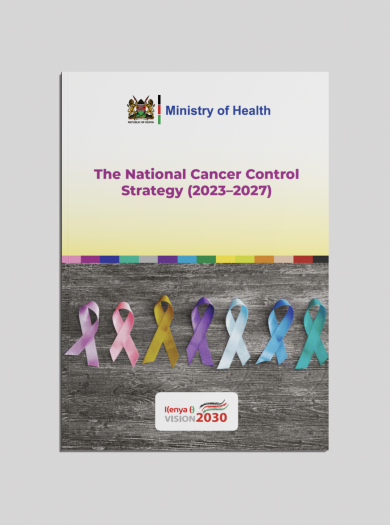
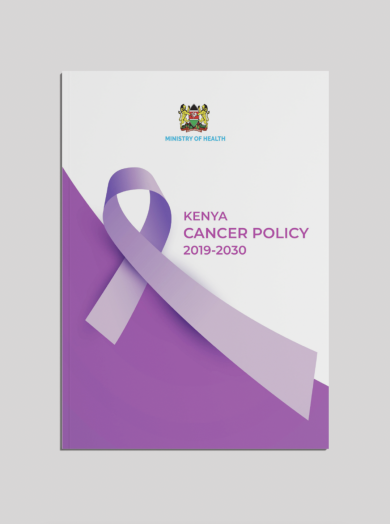
Affordability is more than just a challenge, it is a systemic fault line. Despite the commitments outlined in the Kenya Cancer Policy 2019–2030 and the National Cancer Control Strategy 2023–2027, cancer care continues to receive a disproportionately small share of Kenya’s national health financing, despite the sector’s needs running much higher. Current allocations remain around 0.4 percent of the health budget, a figure that falls far short of what’s needed to guarantee affordable diagnostics, timely treatment, and financial protection for patients.
With such a small slice of the budget, many families face catastrophic out-of-pocket costs for breast cancer care, which often include multiple diagnostics, surgery, chemotherapy, support services and follow-up care. Until the budget allocation increases substantially, along with smart policies to ensure those funds are well used, treatment will remain out of reach for far too many Kenyan women and men.
Expanding multidisciplinary cancer centers and outreach clinics would make services more geographically accessible, while patient navigation and social support programs, covering transport, accommodation, and income protection, would shield families from financial ruin. “Cancer registries and data systems must also guide planning and resource allocation,” he adds, stressing the importance of evidence-based policymaking.
Patrick also challenges the notion that breast cancer is solely a women’s issue, stressing that men have an equally critical role to play. “When men are educated, they can support the women in their families to seek early care, help with transport or finances, and confront stigma head-on,” he explains.
He is also keen to raise awareness of male breast cancer, pointing out that “men are rare carriers of breast cancer; however, when clinicians and men themselves are aware of it, it is easier to detect it at an early stage.” While the condition is much more common in women, men also have breast tissue, which means they too can develop the disease. Because of the widespread belief that breast cancer only affects women, many men may not recognize early warning signs or seek medical attention in time. This lack of awareness often leads to late diagnoses, when treatment is more difficult. Recognizing that men, though rarely affected, can still be carriers helps ensure that the disease is detected and treated earlier, improving outcomes.
Beyond family support, he emphasizes the importance of involving men in community education so that breast cancer is understood as a shared challenge rather than solely a women’s issue. He adds that male community leaders, religious figures, and policymakers can strengthen advocacy by pushing for increased funding and stronger cancer control programs.
The Future of Breast Cancer Care in Kenya
For Patrick Kuria, the next decade carries both urgency and hope. He envisions a Kenya where breast cancer is no longer a disease caught too late, but one routinely detected at earlier stages thanks to strong community involvement, informed primary care, and affordable diagnostic pathways.
“Earlier detection has to become our norm. When women and men can access low-cost tests at their local facilities, and when stigma no longer silences them, we begin to save lives before the disease progresses.”
Patrick Kuria, MScN (Oncology), RN
Patrick believes decentralisation will be a game-changer. Instead of a few overburdened urban hospitals, he sees regional centres fully equipped for surgery, chemotherapy, and radiotherapy, with outreach clinics ensuring patients in rural areas receive the same standard of care. At the core of these services, he notes, oncology nurses will play an even greater role: not just administering treatment, but also leading survivorship programs, offering psychosocial support, and coordinating community follow-up.
Another priority is making Kenya’s cancer care system smarter and more sustainable through local research. Patrick stresses the need for strong data systems and research-to-policy loops that allow evidence gathered on the ground to directly shape national decisions on treatment, financing, and resource allocation.
He is equally clear that affordability cannot be overlooked. “We must protect families from catastrophic costs,” he says, advocating for national insurance schemes to include essential cancer services and for safety nets to cushion vulnerable households.
Ultimately, Patrick’s vision extends beyond hospitals and policies. He dreams of a society where survivors are empowered to become educators, advocates, and changemakers, helping to dismantle stigma and influence the very systems that serve them.
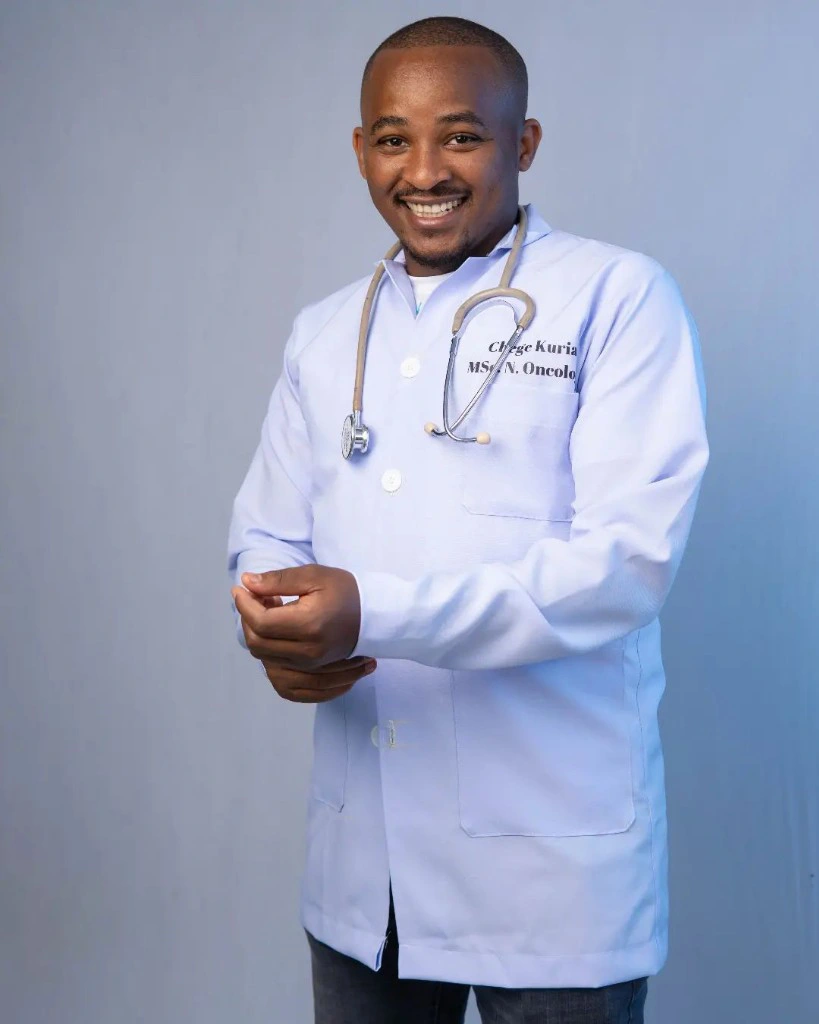
“With political will, specific investments, workforce development and community partnerships, Kenya can truly transform the story of breast cancer. The next decade holds the power to change the fate of countless women and men living with the disease.”
Patrick Kuria, MScN (Oncology), RN
It is inspiring to see voices like Patrick Kuria take center stage, driving both awareness and clinical practice with equal passion. His journey reflects the power of expertise anchored in empathy, and his rising influence is a reminder that Kenya needs many more such champions.
In a country where information can be the difference between life and death, experts who step forward to demystify cancer and advocate for better care are indispensable.
May Patrick’s work spark a new generation of oncologists, nurses, researchers, and advocates determined to give breast cancer awareness the urgency and visibility it truly deserves.

- The Rise of Suicide Posts in Digital Spaces Reflects a Growing Mental Health Crisis - February 22, 2026
- How Kenya’s Silent Lifestyle Disease Crisis Is Reshaping Public Health - February 12, 2026
- The Rise of Lifestyle Diseases Emerges as a Crisis Among Kenya’s Youth - February 9, 2026

