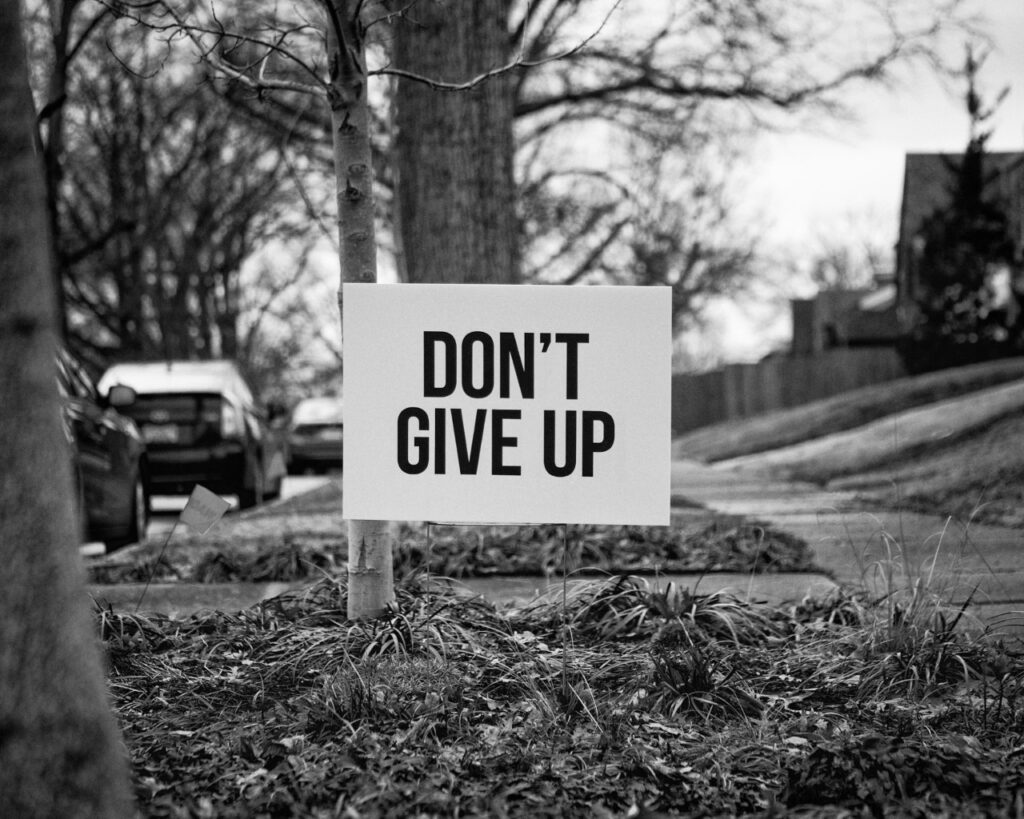
A Story of Hope During Suicide Prevention Month
The morning sun cast long shadows across Nairobi’s Karen suburb as Misty Wanjiku stared at her reflection in the bathroom mirror of their three-bedroom house. The woman looking back at her seemed like a stranger—hollow eyes, forced smile, designer handbag slung over her shoulder ready for another day at her marketing job in Westlands. On the outside, she was the picture of middle-class success. On the inside, she was drowning.
For months, the weight had been building. The pressure to maintain appearances, the mounting bills despite her decent salary, the failed relationship that had left her questioning her worth, and the constant comparison to her seemingly perfect friends on social media. Each day felt like pushing a boulder uphill, only to watch it roll back down.

“Misty, utakula breakfast?” her mother called from the kitchen, the familiar scent of mandazi and chai wafting through the house.
“Sina njaa, Mom,” she replied, her voice barely above a whisper. She hadn’t had an appetite in weeks.
As she boarded the matatu to town, Misty found herself in the familiar spiral of dark thoughts. The conductor’s jokes that usually made passengers laugh felt distant and muffled, like hearing underwater. She pressed her face against the window, watching Nairobi rush by—the hawkers at traffic lights, children in school uniforms, office workers hurrying to their jobs. Everyone seemed to have purpose, direction. She felt invisible, worthless, like the world would be better off without her.
The intrusive thoughts had started small—fleeting moments of “what if I just disappeared?” But lately, they had become more specific, more planned. She had researched methods online during sleepless nights, written goodbye letters she never sent, and even calculated how much her life insurance would leave her family. The signs were all there, screaming silently behind her polished exterior.
Her phone buzzed. A text from her colleague Grace: “Meeting in 10. Where are you?”
Misty stared at the message, feeling the familiar panic rise. Another day of pretending, another day of wearing the mask. She began typing her resignation, then deleted it. Started writing an excuse, then deleted that too. Finally, she typed something she had never typed before: “I’m not okay.”
Grace’s response came immediately: “OMG, where are you? I’m coming.”
But as their matatu got stuck in the notorious Nairobi traffic jam near Uhuru Park, something unexpected happened. The elderly woman sitting next to her, wearing a colorful kitenge and radiating the warmth that Kenyan grandmothers seem to possess naturally, noticed Misty’s tears.
“Mtoto wangu,” she said softly, “kuna shida?”
Misty had built walls so high that even her family couldn’t see over them, but something about this stranger’s genuine concern broke through. The words tumbled out—the loneliness, the hopelessness, the exhaustion of pretending everything was fine.
The woman listened without judgment, nodding knowingly. “You know,” she said, “my grandson went through something similar. He’s a banker, drives a nice car, lives in Kileleshwa. But inside, he was dying. We almost lost him.”
She reached into her handbag and pulled out a worn piece of paper with phone numbers. “These people saved his life. And mine too, because I couldn’t bear to lose him.”
On the paper were crisis helpline numbers: Kenya Red Cross counselling services, Befrienders Kenya, and the Ministry of Health’s mental health helpline. “There’s no shame in asking for help, mrembo. Even the strongest trees need support during storms.”
When Grace found Misty at the office later, she didn’t see the polished marketing executive. She saw her friend—vulnerable, exhausted, but finally ready to stop pretending. They talked for hours, and Grace shared her own struggles with anxiety and depression after her divorce the previous year.
“I thought I was protecting everyone by keeping it inside,” Misty confessed. “But I was just protecting the problem.”
That afternoon, with Grace sitting beside her for moral support, Misty made her first call to a counsellor. Her voice shook as she spoke, but each word felt like removing a stone from the wall she had built around herself.
The journey wasn’t instant or easy. Misty learned that depression doesn’t discriminate—it affects successful professionals, loving parents, and vibrant young people alike. She discovered that many Kenyans, especially in middle-class families, suffer in silence due to stigma and the pressure to “keep up appearances.”
Through counselling sessions at Nairobi Hospital’s mental health clinic and support from organizations like BasicNeeds-Ghana Kenya, Misty began to understand her triggers. She learned healthy coping mechanisms, practiced self-compassion, and slowly rebuilt her sense of purpose.

Months later, Misty stood before a group of young professionals in a Westlands conference room, sharing her story. The audience was captivated—here was someone who looked like them, lived like them, and had faced the same pressures they faced daily.
“The signs were everywhere,” she told them. “I stopped enjoying things I loved—football matches with friends, Sunday family dinners, even my favorite TV shows. I was constantly tired but couldn’t sleep. I withdrew from people, started giving away my belongings, and couldn’t see any future for myself. But I hid it all behind designer clothes and fake smiles.”
She shared the warning signs everyone should know: persistent sadness, loss of interest in activities, changes in appetite or sleep patterns, feelings of worthlessness, withdrawal from friends and family, and especially, talking about wanting to die or having no reason to live.
“If you recognize these signs in yourself or someone you love, please reach out,” Misty emphasized, displaying a slide with local resources:
Kenya Crisis Helplines:
– Kenya Red Cross: 1199
– Befrienders Kenya: 0722 178 177
– Ministry of Health Helpline: 0800 720 719
– Chiromo Lane Medical Centre: 0700 000 121
Where to Get Professional Help:
– Nairobi Hospital Mental Health Unit
– Mathare National Teaching & Referral Hospital
– Chiromo Lane Medical Centre
– BasicNeeds-Ghana Kenya offices
– Kenya Association for the Mentally Challenged (KAMC)

“That day in the matatu, a stranger’s kindness saved my life,” Misty concluded, her voice strong and clear. “But it was my decision to accept help that changed everything. You matter. Your life has value. And there are people waiting to help you find your way back to the light.”
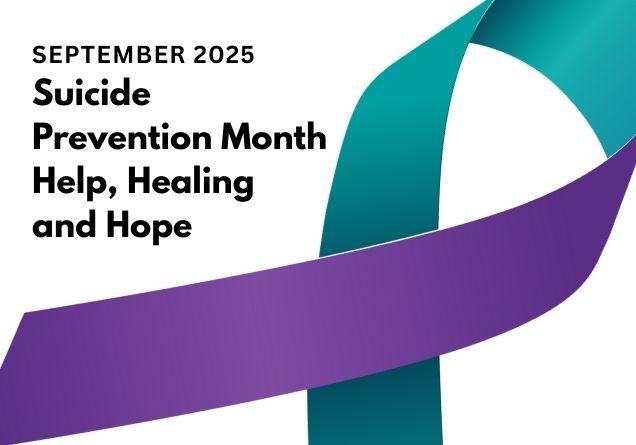
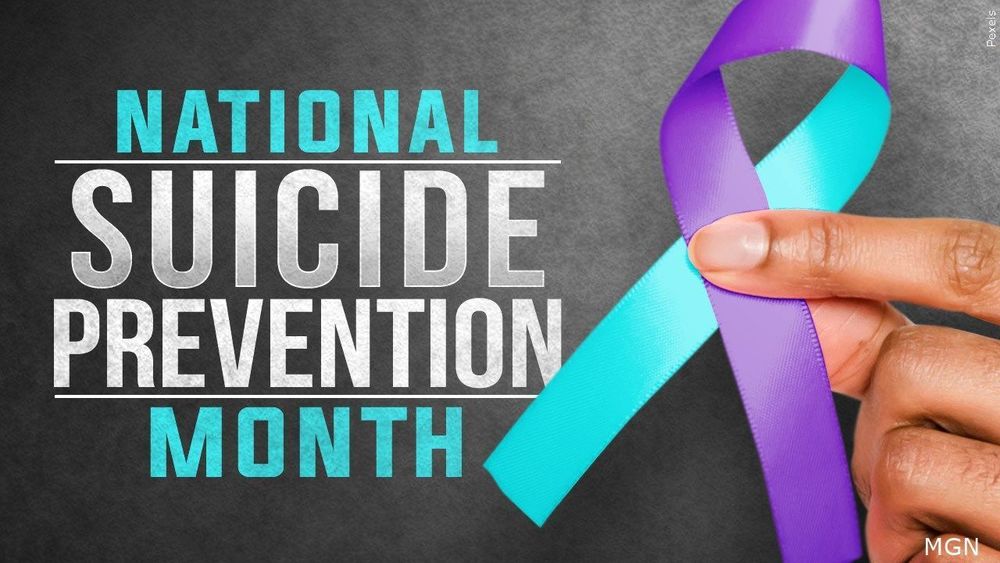
As September—Suicide Prevention Month—reminds us annually, mental health struggles touch every community, every social class, and every family. In Kenya’s bustling middle-class neighborhoods, behind the gates of our comfortable homes and successful careers, people are fighting silent battles.
But stories like Misty’s show us that hope exists. Recovery is possible. And sometimes, all it takes is one person caring enough to ask, “Kuna shida?” and another person brave enough to answer honestly.
If you’re reading this and feeling like Misty did that morning, remember: the matatu of life sometimes gets stuck in traffic, but it will move again. You just need to stay on board long enough to reach your destination.
Your journey matters. Your life matters. Help is available.
“If you or someone you know is struggling with thoughts of suicide, please reach out to one of the helplines listed above. You are not alone.”

- Must-Watch Movies Releasing in 2026: Your Complete Enterta1nment Calendar. - February 11, 2026
- World Tropical Diseases Day: The Silent Suffer1ng of 1.6b Lives. - January 31, 2026
- The El Molo Tribe: Kenya’s Last Fisher People Fight1ng for Survival on Lake Turkana’s Shores - January 30, 2026
