Barbra Oduor is quickly emerging as a rising voice in campus mental health. As a first-year student at Kenyatta University, she is already turning personal experiences into advocacy, determined to create safe spaces and support systems for her peers. While most students are still finding their footing, Barbra is breaking the silence around mental wellbeing from the ground up, using her story to inspire hope and encourage others to speak out.
Finding Her Why

For Barbra Oduor, advocacy isn’t just a passion, it’s personal. Before stepping onto the campus of Kenyatta University, she faced moments of deep discouragement, times when giving up seemed like the only option. “I realized how important it is to have someone remind you that you’re not alone,” she reflects, a lesson born from her own struggles.
Those struggles weren’t small. Rejection, failure, and the weight of others’ opinions once pushed her into a season of depression. “It wasn’t easy to rise above it,” Barbra admits, “but supportive teachers, mentors, and faith helped me heal.” That period, though painful, became the foundation of her advocacy. Today, as a first-year student, she wants to ensure that other students don’t suffer in silence the way she once did. Her mission is to offer hope, encouragement, and the reminder that struggling does not mean standing alone.
“That experience made me realize how powerful encouragement and support can be. It gave me a passion to make sure others don’t suffer in silence the way I did.”
Barbra Oduor
Breaking the Silence – Understanding Stigma on Campus
For many students, mental health is a conversation too heavy to have. “Most people hide what they’re going through because they’re scared of being labeled or judged,” Barbra observes. She explains that even in a university setting, where ideas and voices flourish, admitting to struggling can feel like stepping into the spotlight of scrutiny. “It’s easier to smile on the outside while the inside is quietly breaking,” she says, capturing the silent battles many endure.
Barbra points out that stigma is often rooted in misunderstandings. “People assume that if you struggle mentally, you’re weak or incapable,” she says. “But struggling doesn’t mean failure, it means being human.” She believes that the lack of open dialogue, combined with cultural pressure to appear strong, traps students in isolation. “We celebrate achievements and milestones loudly, but emotional struggles are whispered or ignored,” she adds, noting how this imbalance fuels shame rather than support.
Breaking that cycle is at the heart of Barbra’s advocacy. “I want to show students that it’s okay to speak up, even if it feels risky,” she says. Her approach is not just about talking, it’s about listening, sharing stories, and turning vulnerability into connection. By doing so, she hopes to make mental health conversations feel less like confessions and more like community, where students realize they are never truly alone.
Life as a Student Advocate

Campus life, Barbra notes, is often painted as exciting and full of freedom, but for many students, it comes with hidden pressures that weigh heavily on mental health. “Academic deadlines, financial struggles, and the social pressure to fit in can feel relentless,” she says.
Entering university is a major life transition, often accompanied by academic, social, and emotional stressors. Research shows that first-year students are particularly vulnerable to anxiety and depression due to sudden independence, new social environments, and performance pressures.
According to “Understanding Mental Health Among University Students in Kenya”, a 2025 cross-sectional study involving 1,424 students at Pwani University, first-year students recorded the highest rate of mental health conditions at 40.7%, significantly higher than students in other academic years. The study highlights key contributing factors such as academic transitions, adapting to new social environments, and the challenges of independence.
Barbra’s early advocacy targets this critical period, aiming to provide support when students are most at risk.
For first-year students especially, the transition can be isolating, new surroundings, unfamiliar routines, and the constant feeling of needing to prove oneself. The pressures Barbra describes, academic, social, financial, and digital, intersect to create what psychologists call “chronic stress exposure.” Students adjusting to a new environment often lack established coping networks, which makes feelings of inadequacy and isolation worse.
On top of that, social media amplifies comparison, making even small achievements feel inadequate. “I’ve seen friends silently struggle because they feel they’re always behind or not measuring up,” she admits.
Social media magnifies insecurities by presenting a curated version of peers’ lives, which can distort students’ perception of reality. Psychologists note that constant exposure to these “highlight reels” increases feelings of inadequacy and fuels anxiety, especially in those already struggling with self-esteem. Barbra’s awareness of this dynamic allows her to address it directly in her advocacy, encouraging students to seek connection and perspective beyond online comparison.
Barbra draws strength from three pillars that guide both her personal wellbeing and her advocacy: faith, support, and hope. “Faith reminds me I am never truly alone, even in my lowest moments,” she explains. She credits her mentors and family for providing guidance and encouragement when she needed it most. “Support gave me the courage to rise again, and hope keeps me moving forward, showing me that no difficult season is permanent,” she adds.
Starting small, Barbra has already begun transforming her awareness into action. She speaks at student gatherings, shares tips and encouragement on social media, and dreams of organizing mental health talks and support groups across campuses. “Even peer-to-peer conversations can make a huge difference.”
She says she is after creating consistent opportunities for students to feel seen, heard, and supported, and to normalize conversations about mental wellbeing.
Vision for Change
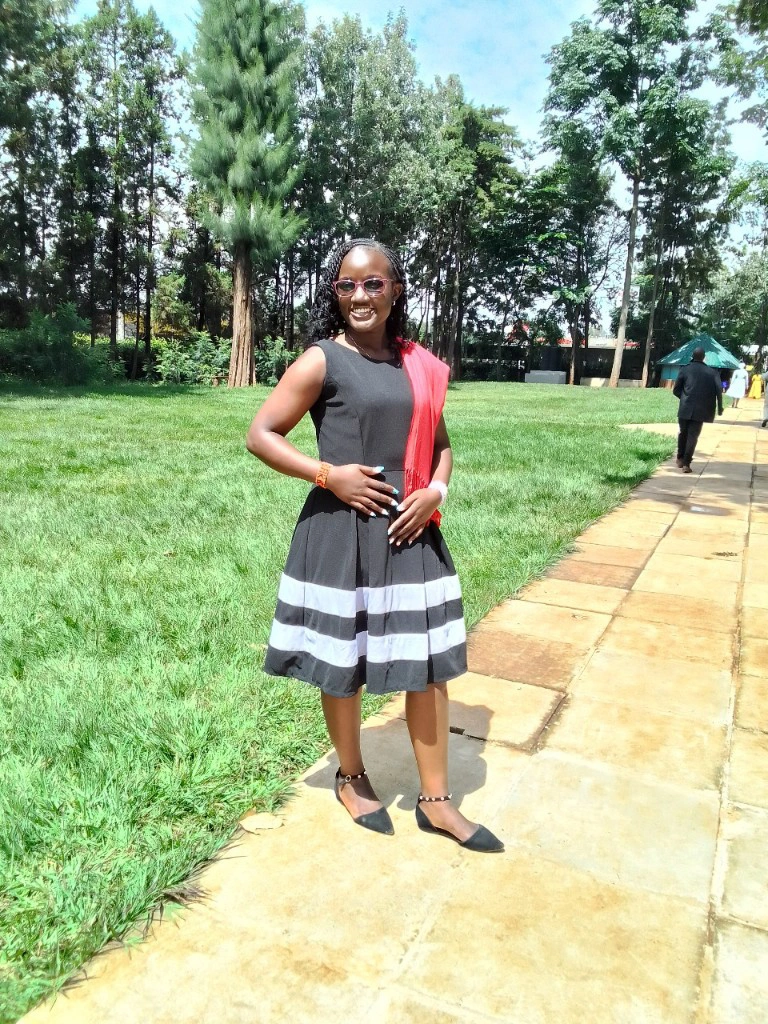
For Barbra, the ultimate goal of her advocacy goes beyond raising awareness, it’s about creating lasting impact. “I want students to feel seen, heard, and understood,” she says. “Their story matters, and they are not alone. If I can help even one person open up, choose hope, or decide not to give up, that’s a success to me.” Every conversation she starts, every story she shares, is a step toward making mental health discussions a normal part of campus life.
Looking ahead, Barbra envisions a future where her influence stretches far beyond her own campus. She hopes to lead initiatives that reach schools, universities, and communities across the country. “I’d love to work with organizations that focus on mental health, to ensure more young people can access support,” she explains. Her dream is to break the silence and stigma so that asking for help is no longer difficult or shameful, but a natural and encouraged step for every student.

“My dream is to break the silence and stigma, to make it normal for students to say, “I need help,” and to actually get the support they need. That’s the kind of change I want to contribute to.”
Barbra Oduor
Barbra Oduor’s journey is a powerful reminder of the impact young voices can have in shaping mental health advocacy. While her path is just beginning, it is inspiring to see her take bold steps to break stigma, create support, and raise awareness on campus. As she rises, may many others be encouraged to claim these spaces and continue the work, so together we can change the narrative around mental health. We will be here to support her, and all emerging advocates, every step of the way.

- The Rise of Suicide Posts in Digital Spaces Reflects a Growing Mental Health Crisis - February 22, 2026
- How Kenya’s Silent Lifestyle Disease Crisis Is Reshaping Public Health - February 12, 2026
- The Rise of Lifestyle Diseases Emerges as a Crisis Among Kenya’s Youth - February 9, 2026


