Our churches, over time, become part of who we are. They shape our routines, our values, even our sense of identity. And because of that attachment, we often find ourselves defending them, sometimes blindly.
In fact, in a recent post I came across, someone wrote: “???????????? ???????????? ???????????? ???????????????? ???????????? ???????????????????????? ???????????????? ????????????.” At the time, I would have disagreed. But now, I completely understand. Sometimes people don’t walk away from faith; they walk away from wounds inflicted in places they once called home.
The post captured:
“There are stories we don’t often hear in church services. Stories of people who once sat in the front row… who served, prayed, worshiped, but one day, they were just… gone.
Some of us looked at them and said:
“They backslid.”
“They got offended easily.”
“They weren’t rooted enough.”
“They chose the world.”
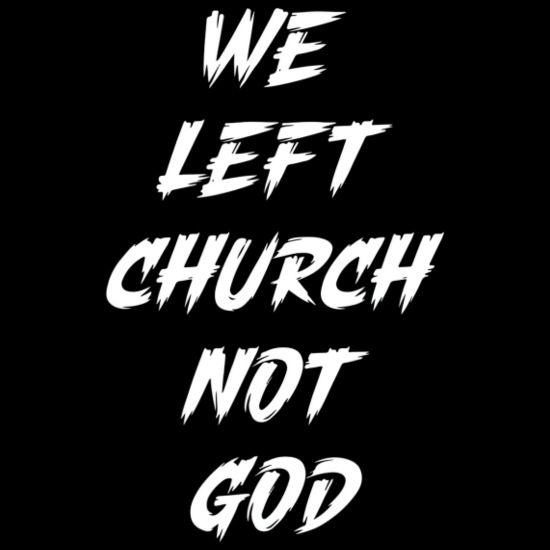
For the longest time, I dismissed people who said, “We left the church but not God.” I thought they were running away from accountability. But recently, something opened my eyes. Perhaps it is wiser to listen to those who say they’ve been hurt rather than rushing to judge them. After all, there may be a story, a wound, or even a perfect explanation behind what you just saw.
For a long time, I used to dismiss those who said: “I left the church, but not God.” I thought they were just making excuses. But recently, while interviewing a young lady for an upcoming investigative feature, her story hit me. And perhaps it struck harder because it involved a church I have long admired. I never thought people from such a place could hurt anyone. Maybe my thoughts were biased, clouded by my own admiration and limited experience. But the truth is, it could be the same with any church you go to or hold in high regard.
Life placed me in front of a story that shook me, tore down my assumptions, and left me asking questions I had never dared to confront. If the church is supposed to be a sanctuary, why do some walk away with deeper scars than they came with? If people leave, are they betraying God, or have we betrayed them first?
During our conversation, she asked me: “Are you Adventist? I usually see you posting Sabbath songs,iIt’s when I’m thinking of leaving the church.”
I wasn’t quick to ask why, maybe that silence meant everything.
Her story opened my eyes. She was raised in a staunch SDA family, attended an SDA high school, and had been a committed church member, even serving as a deaconess. For years, she faithfully lived out the doctrines. But behind the faith façade was a darker story.
What would you say to that? Would you tell her to “pray more”? Would you remind her of doctrines? Or would you stop and listen?
When Family Becomes Judge and Jury
Her troubles began at university in 2020. Like many campus students, she experimented, went out with friends, had drinks, sometimes tried things. One weekend her sister found alcohol in her house and saw her dressed in trousers. That moment became the evidence: “She has changed. She must be lost. She must be mad.” Her lifestyle, it was all too far from what their family expected of a staunch Adventist daughter.
That single moment triggered a chain of events. Within hours, family members had been called. They confronted her, insisted they wanted to “take her somewhere.” She resisted. When she declined, they forcibly tied her up, branding her “mad.” She was taken against her will to Kenyatta National Hospital.
What followed was the longest night of her life. Overdosed with drugs, restrained, and treated as though she had no right to decide for herself. The family’s perception of her “madness” became the justification for her suffering. She never consented, her family signed off on everything, even holding her down during forced treatment.
When they realised the damage from the drugs had become irreversible, she was transferred to Mathari National Teaching and Referral Hospital. There, she faced even harsher conditions. Multiple hospitalizations followed. And every time, her family insisted, “she belongs there.”
What do you call that? Discipline? Correction? Or betrayal disguised as love?
She told me her life was altered forever. Her brain changed, her dreams disrupted, all with the blessing of her own family. And what hurt the most? That this was a family rooted in a church she had loved and served with loyalty. In the end, she felt betrayed by the very people she thought would be her last resort.
Often, I’ve seen people online posting quotes that try to dismiss friendships, statements like “your friends will leave you, but your family is all you have.” But that is not always true. Not if your family perceives you as ‘mad’. For her, family was not the safe haven everyone claims it to be. This should remind us that, under the right circumstances, anyone can betray you.
Listening to her, I asked myself: Can Adventists do such? Can Catholics really be capable of this? What about Pentecostals, or even any other church I’ve admired from afar? I had always believed that church members, of all people, should atleast uphold kindness and care. But I learned something: people choose to sin differently, depending on what’s convenient for them. Don’t be naive like me. What I’ve come to understand is this, it’s never about the church, it’s about the people. And me and you, we are the people. So don’t do right because of the church; do right because of who you are.
If you’re still very defensive of your church rather than reflecting on what you’re doing at a personal level, there’s a possibility you just haven’t witnessed the other side. Don’t wait to get there to start questioning. And if you ever do, let it not break you.
I’ve come to learn that our decisions are sometimes biased when something we love doesn’t go against our will. We’ll always defend our church, always dismiss the voices of those who were hurt. But let me tell you, it’s real. If you haven’t witnessed it, don’t be too quick to judge others who have.
People choose to sin differently, depending on what’s convenient for them.
And isn’t that true of all churches? Don’t we defend our denominations when things look neat, and dismiss the stories of those who have been wounded? How many times have we thought: “They must be exaggerating… my church isn’t like that.” But what if it is?
Maybe the real question is: Do we love our churches more than we love people?
Humanity Before Doctrines

We pride ourselves on doctrines. We measure one another by who keeps the Sabbath, who prays enough, who dresses “appropriately.” But tell me, what good is Sabbath-keeping if your heart is cruel? What good is modesty if your soul cannot show mercy?
What if the greatest commandment isn’t in how perfectly you follow the rules, but how tenderly you treat the broken? What if being holy is not about appearing righteous, but about refusing to crush someone who is already bleeding?
So, to those of us who still go to church, I ask: Are you living humane? Or just following doctrines?
Humanity is about how we treat people, the kindness we show, the compassion we extend, the love we live out daily. Doctrines, on the other hand, are rules, teachings, and traditions that guide belief and practice. They have their place, but without humanity, they are empty. At the end of the day, what really matters is not how perfectly we follow church teachings, but how we care for others. Because long after sermons are forgotten, it’s the love we gave, or failed to give, that will be remembered.
Because, if according to you, being a good person in the eyes of the law means observing the Sabbath day and following doctrines to the letter, yet your actions destroy others, you’re just a sinner in pretense.
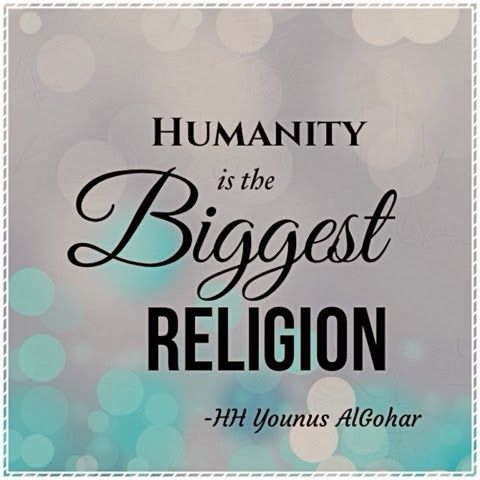
I’m not here to tell you to leave the church, that’s not the point. What I want to remind you is that humanity is the greatest religion of all. Let it come first in everything you do. Titles, doctrines, and denominations may differ, but kindness and compassion are universal. At the very least, we can choose to be human, and that is where true religion begins.

- The Rise of Suicide Posts in Digital Spaces Reflects a Growing Mental Health Crisis - February 22, 2026
- How Kenya’s Silent Lifestyle Disease Crisis Is Reshaping Public Health - February 12, 2026
- The Rise of Lifestyle Diseases Emerges as a Crisis Among Kenya’s Youth - February 9, 2026