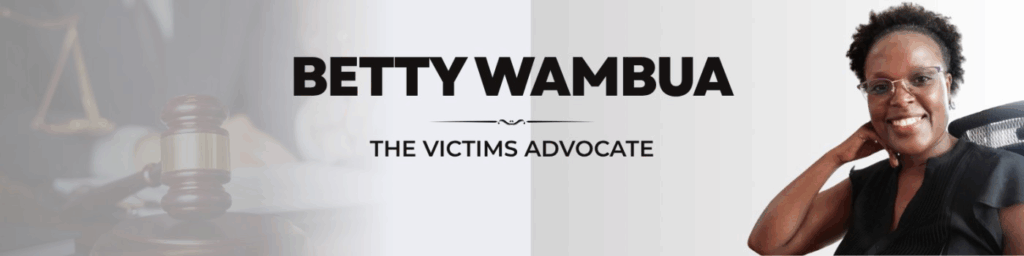
Betty Wambua, known as “The Victim’s Advocate,” is changing Kenya’s justice narrative. Through years of legal practice and survivor-centered advocacy, she has become a powerful voice for the unheard. Her work bridges the courtroom and the community, where justice meets humanity.
Becoming “The Victim’s Advocate”
For Betty Wambua, the title “The Victim’s Advocate” is more than a professional label, it is a calling rooted in conviction.
“I like the title because that’s what I do. I advocate for survivors within the criminal justice system. Over the last few years, this identity has shaped how I approach litigation, policy reform, and institutional engagement. I am very passionate about amplification of the survivor’s voice in the criminal justice process, as survivors are central to the process.”
Betty Wambua, “The Victim’s Advocate”
This identity hasn’t merely shaped Betty’s legal work, it has become its foundation. In courtrooms and at policy tables alike, she has consistently championed a survivor-centered approach to justice.
“More often than not, survivors are treated as passive spectators,” she explains, “yet they are the ones who set the wheels of justice in motion when an atrocity is committed against them.”
Betty’s approach to litigation, reform, and institutional engagement is shaped by commitment to dignity and accountability. Her work cuts across prosecution, advocacy, and policy, always driven by one core principle: the survivor’s voice must not be sidelined.
“Whether I’m appearing in court, advocating for victims’ rights or supporting policy and legislative reforms, I center the lived experiences of survivors and ensure their rights are upheld with sensitivity, respect, and accountability.”
In this phase of her work, Betty remains actively involved in building a justice system that listens, evolves, and prioritizes dignity. Her voice is not only amplifying others, it’s disrupting the silence.
The Fight for Justice: SGBV, Strategy, and Systemic Change
When asked about the defining moments in her legal journey, particularly in prosecuting and litigating SGBV cases, this is what Betty had to say,
“Survivors deal with traumatic experiences differently, and it is important not to generalize their experiences or offer one-size-fits-all solutions,” she explains, “For instance, survivors of Conflict Related Sexual Violence (e.g Post – election violence), have very different needs from survivors of Intimate Partner Violence and Femicide. Children who have gone through defilement will experience the ordeal differently from those who have been trafficked for sexual exploitation, whether physical or online.”
From courtroom battles to quiet consultations, Betty has come to understand that justice is not always defined by prosecution alone.
“I have supported survivors who wanted to go to a full trial so as to see their abuser held accountable in court. But others want something different. Some do not even want to report, so that they can protect their privacy and avoid re-traumatization. It is therefore important to ask survivors what justice actually means to them.”
She urges others in her field to ask survivors what justice means to them. The answers may vary, but each one must be respected.
“Survivors must be meaningfully involved in identifying and shaping solutions to the challenges they face. Their lived experiences offer critical insights into the gaps within the system. When we centrer survivors’ voices in advocacy, litigation, policy and legal reform, and service delivery, we ensure that responses are more effective, respectful, survivor-centered, and grounded in real needs.”
Among the pivotal moments in her legal journey was the passing of the Victim Protection Act (2014), a landmark law that redefined survivors’ place in Kenya’s criminal justice system.
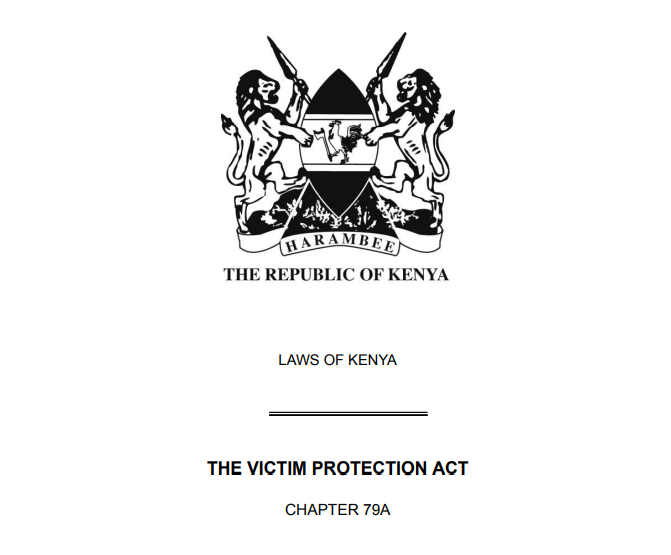
“The Act firmly established the right for victims to participate in criminal proceedings in a more prominent role,” Betty notes. “The courts have affirmed this position in many cases, specifically in the case of Joseph Lendrix Waswa vs Republic [2019] eKLR the Court of Appeal held that victim participation is not incompatible with the right of a fair trial of an accused person or with the exercise of the prosecutorial powers of the DPP and the case of Leonard Maina Mwangi vs Director of Public Prosecutions & 2 others (2017) eKLR where the High Court stated that the participation of victims is a non-derogable right under Article 25 of the Constitution’.”
In essence, this means survivors are no longer expected to remain silent observers in cases that deeply affect them. The law recognizes their right to be heard, not just as witnesses, but as participants with a stake in how justice is pursued. In landmark cases like Waswa and Leonard Maina Mwangi, the courts affirmed that involving victims more meaningfully in criminal proceedings doesn’t undermine the accused’s right to a fair trial, it enhances the pursuit of justice as a whole.
Confronting Victim-Blaming Through Policy and Practice
Victim-blaming remains one of the most persistent barriers to justice in SGBV cases. When asked how we can dismantle this harmful culture, both at the policy level and within communities, Betty stresses the need for a trauma-informed criminal justice system. “There are many survivors who do not report because they are afraid no one will believe them or support them through the process,” she explains.
This is why recent efforts have focused on promoting victim-sensitive approaches: from proper interviewing protocols during investigations to protecting survivors’ dignity in court. Preventing re-victimization requires training justice actors, police, prosecutors, and judicial officers, to recognize implicit bias and adopt survivor-centered language at every stage.
As I once wrote,
Carson Anekeya
That culture, of denial and deflection, is what policies, practices, and conversations like Betty’s aim to disrupt.
But Betty Wambua also challenges us to look beyond policy. “Dismantling harmful narratives is not just about courtrooms, it’s also about culture,” she says.
“At the community level, people still ask why she was out late, what she was wearing, or why he didn’t fight back. When the survivor is male, society mocks him for not being ‘man enough.’”
This pervasive victim-blaming culture is often fueled by attribution bias, the psychological tendency to assign blame based on personal or cultural assumptions, rather than facts. (I explored this in detail in a previous article titled “How Attribution Bias Fuels Victim-Blaming”).
Changing laws is one step; shifting mindsets is another. The fight against victim-blaming must take root in our conversations, our media, our schools, in the everyday spaces where attitudes are formed and passed on. Addressing victim-blaming requires more than legal reform; it demands a cultural shift in how we talk about and respond to survivors.
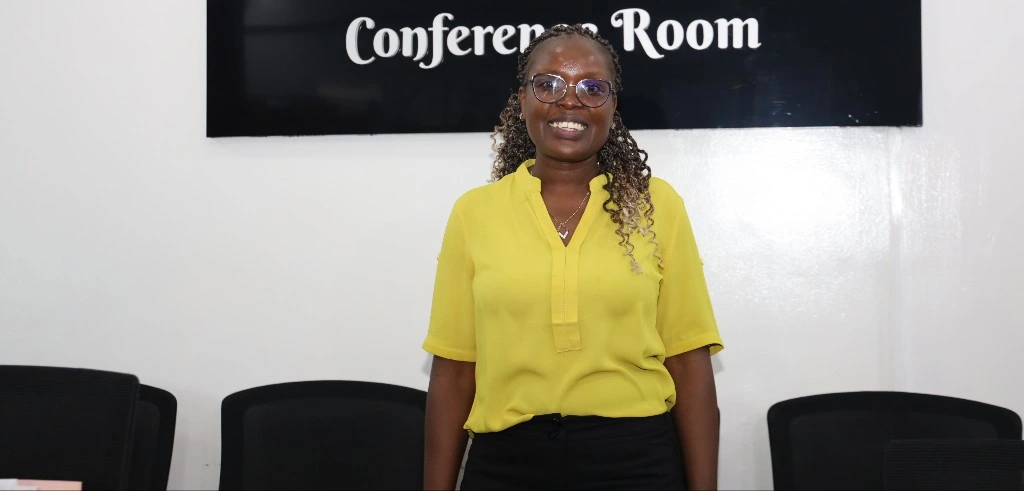
“At the community level there is need for community awareness especially on how sexual violence is perpetrated and the effect it has on the survivors. Research has shown that most perpetrators of sexual violence are known to the survivors, most often people they trusted.
In addition, the offence takes place in privacy, hence the victim blaming because the community judges the victims based on where and when the offence was committed, how they were dressed, or how the perpetrator has presented himself to the community.
In cases of physical assault and similar cases the community still finds reason to blame survivors. She was not submissive, she answered back, she comes home late, the list is endless. When the survivor is male, society mocks him for not being man enough, hence minimal reporting by male survivors. It is therefore important for the community to understand that SGBV cannot be justified at all costs.”
Victim-blaming, she emphasizes, remains one of the most corrosive elements of justice systems and social response. She believes multi-level reform is essential, from sensitizing justice actors to launching survivor-informed community awareness programs.
“We need a trauma-informed criminal justice system, across the entire chain, from reporting to medical examinations and courtroom procedures,” Betty urges.
Systemic Gaps in the Justice Process
Having previously served as a prosecutor and now as victims’ counsel, Betty Wambua has witnessed both the progress and persistent gaps in how the justice system engages survivors. One of the most pressing challenges, she notes, is the legal status of survivors within criminal proceedings. “The adversarial nature of our criminal procedure rules and evidence laws didn’t originally anticipate victims as active participants,” she explains.
This began to shift with the enactment of the Victim Protection Act in 2014. Since then, courts have affirmed that survivors are not just witnesses for the prosecution, they are rights-holders who deserve meaningful participation in the process.
Still, structural barriers remain. “Access to justice is a real concern,” Betty adds. Many courts and medical facilities are located far from where survivors live, particularly in rural and marginalized urban areas. The burden of covering medical fees, transportation costs, and time away from work often falls on the survivor, forcing many to choose between pursuing justice or meeting basic needs.
“Access to justice is still a luxury for many. Courts and medical services are often miles away, especially in rural or marginalized urban areas. Survivors are required to pay for medical services, and to cater for their own expenses to record witness statements, attend court hearings, and follow up on the proceedings. This means that some survivors have to choose between seeking justice and putting food on the table.”
Betty Wambua, “The Victim’s Advocate”
Despite the challenges, Betty acknowledges key strides that have made the justice process more survivor-centered. “One of the major breakthroughs is that survivors are no longer required to pay fees for obtaining a P3 Form,” she explains, a result of successful Public Interest Litigation led by International Justice Mission and other civil society organizations. Police stations now host Gender Desks staffed by specially trained officers, and some hospitals have established dedicated GBV recovery units offering immediate medical care and counseling.
The legal framework has also evolved. “The Children’s Act of 2022 introduced stronger protections for child victims and witnesses,” Betty notes, highlighting the inclusion of child-friendly justice processes. Additionally, several courts have begun allowing survivors, particularly children, to testify via video link, reducing trauma and logistical burdens. However gaps remain. “…but most survivors do not have access to the necessary technology to facilitate court attendance.”
Betty Wambua also points out a glaring imbalance in the system: “Unlike accused persons, there is no established pro bono legal aid scheme for survivors who can’t afford representation, hence some give up on pursuing accountability due to lack of legal support.” she says.
Psychosocial support is rare. The emotional toll is just as severe. “Psychosocial support is rarely available, so most survivors go through proceedings without the counselling or emotional care they need,” she adds.
Compounding the issue, safe shelters are few and far between, leaving survivors vulnerable to further harm or retaliation. While civil society organizations have stepped in to fill some of these gaps, offering free legal aid, temporary shelter, and psychosocial services, the demand far outweighs the available resources. “There’s still a serious gap,” Betty says. “And until those structures are strengthened, justice will remain out of reach for too many.”
Justice Delayed, Justice Denied
Another persistent hurdle is the slow pace of the justice system. “The wheels of justice grind very slowly,” Betty notes, pointing to the backlog of cases and frequent adjournments that characterize many courtrooms. For survivors, this delay is more than an inconvenience, it’s retraumatizing. “It causes fatigue, deepens the trauma, and makes the process financially draining. Sometimes survivors give up their pursuit of justice midway, before they ever see a verdict,” she explains.
In response, the Judiciary has established specialized courts to fast-track cases involving sexual and gender-based violence, and some courts now dedicate specific days to hear SGBV matters. The year 2023 saw the launch of at least five SGBV courts across of the country to specifically deal with SGBV cases. The courts were opened in Siaya, Kisumu, Kibera and Makadara law courts, the latter two being in Nairobi.
“The Judiciary has, however, established several specialized courts to ensure speedy trials, and some courts now have special days dedicated to SGBV cases. The Office of the Director of Public Prosecutions has also dedicated a specialized division to handle SGBV cases. However, even with these interventions, these cases still take long to conclude.”
A Survivor-Centered Future
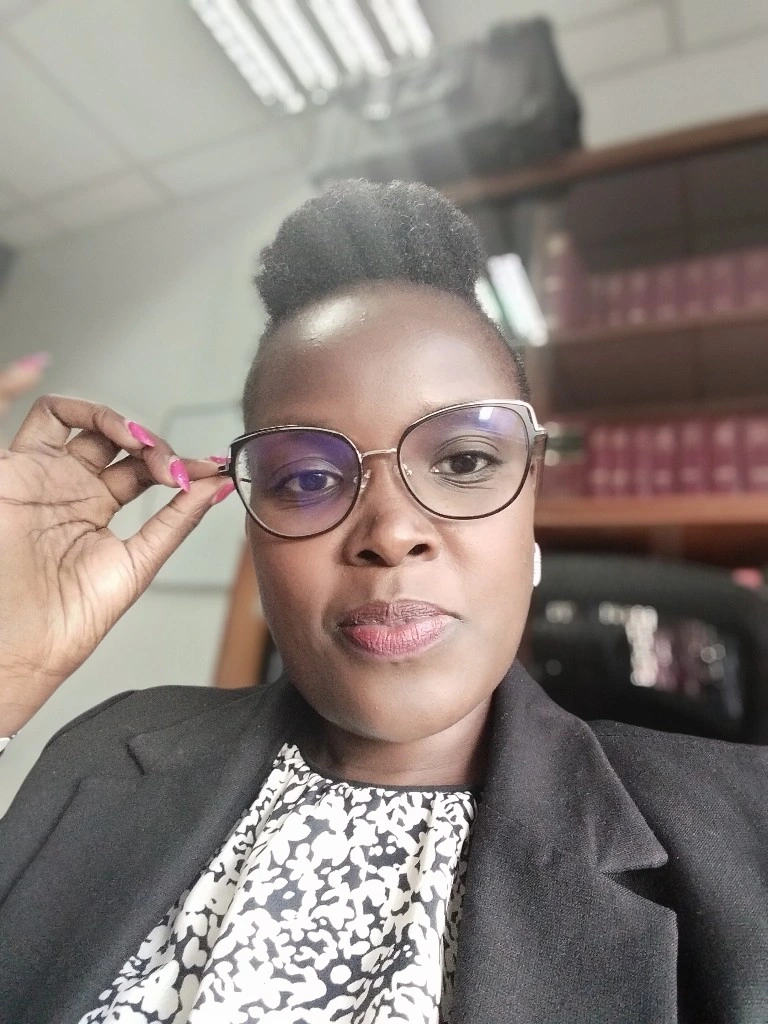
As Betty Wambua looks ahead, her vision is clear: a justice system that does more than punish, one that restores, empowers, and listens.
“My vision is a justice system that embraces meaningful victim participation, prioritizes healing, and supports survivors in their pursuit for justice. A system that recognizes that survivors are not passive victims but key stakeholders in the criminal justice process.”
Betty Wambua, “The Victim’s Advocate”
To her, transformation is not just legal, it’s human. It’s about reframing survivors not as subjects of pity or silence, but as central agents in their own healing and justice journeys.
Looking into the next decade, Betty places her hope in the full operationalization of the Victim Protection Act, a law she already helped bring to life.
“I hope to see the Victim Protection Agency and the Victim Protection Trust Fund fully functional. The fund is critical, it’s meant to support urgent medical treatment, psychosocial care, and help victims attend court.”
Her vision also includes meaningful compensation for survivors within the criminal trial process, as already provided for in the Act, a shift that would signal true accountability and redress.
As Betty Wambua continues to advocate for survivors in courtrooms and legal corridors, her work serves as both a challenge and an invitation. In her rising, may many others rise, to listen, to speak, to act.
Justice is not the work of lawyers alone; it is the responsibility of every one of us.
Me. You. All of us.
So, ask yourself: What am I doing? Are we challenging harmful norms when we hear them? Are we listening when someone gathers the courage to speak? Are we creating space, safety, dignity?
Because one day, it could be your sister. Your brother. Your child. It could be you.
So start now, advocate as you would want to be advocated for. Do for others what you would pray is done for you when your voice trembles, or is taken. That is the justice we must all defend.

- The Rise of Suicide Posts in Digital Spaces Reflects a Growing Mental Health Crisis - February 22, 2026
- How Kenya’s Silent Lifestyle Disease Crisis Is Reshaping Public Health - February 12, 2026
- The Rise of Lifestyle Diseases Emerges as a Crisis Among Kenya’s Youth - February 9, 2026

