When Yvette Regina shared a brief reflection online about her past relationship, it read like a light-hearted memory. But beyond its simplicity was something deeply familiar to anyone who’s ever loved someone living with a chronic condition. On July 1, 2025, she wrote about dating a boy who frequently suffered from migraines, and how that quietly turned her into a seeker of remedies, a silent caregiver, and someone who had to learn how to love in the presence of invisible pain.

Yvette Regina
That single post inspired this feature. It opened a window into the lesser-seen reality of relationships affected by chronic migraines, conditions that interrupt daily life, emotional connection, and even how intimacy is expressed. Having been diagnosed with chronic migraines in 2022, I really connected with the post. It spoke to a kind of pain I know well, hard to put into words and even harder to deal with in a relationship.
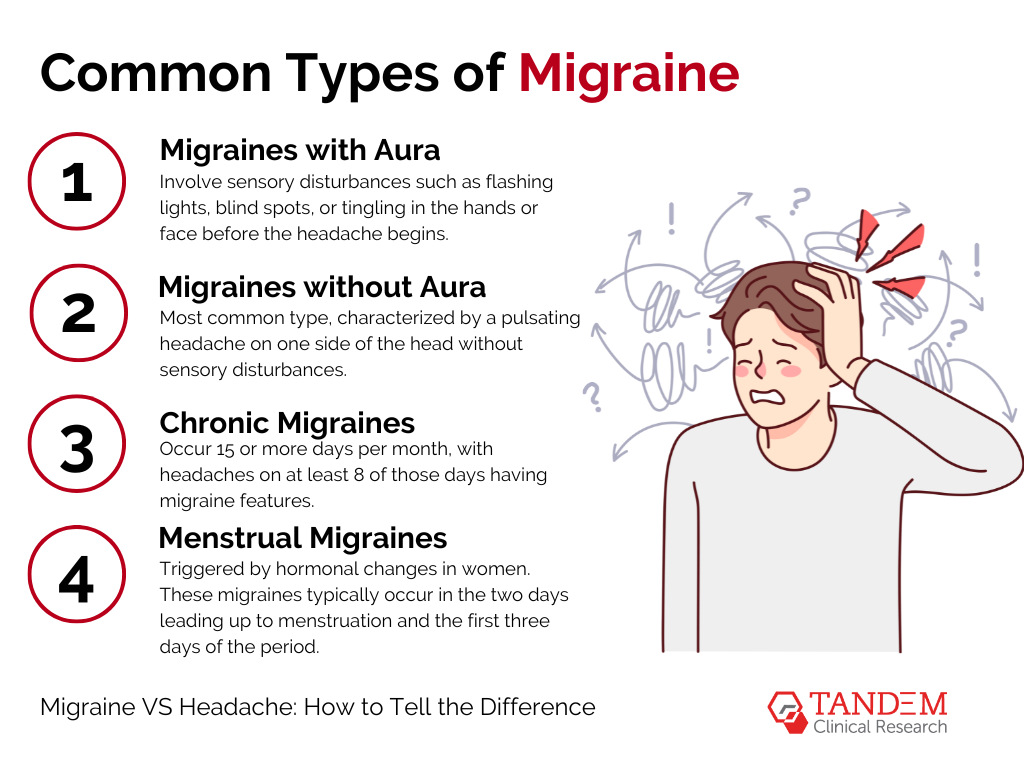
According to the Global Burden of Disease 2021 (GBD 2021) analysis, published in The Lancet Neurology in March 2024 and still the most recent worldwide update, migraine now affects about 1.16 billion people. With the world population sitting just over 8 billion in 2025, that works out to roughly 1 in 7 people living with migraine today. Migraine is the most disabling neurological disease among children and adolescents, and second after stroke among adults.
The World Health Organization’s 2024 headache‑disorders fact‑sheet echoes that scale: headache disorders touch 40 % of humanity, and migraine accounts for the largest single share of that figure, driving enormous disability in every region.
This article traces Yvette’s experience from the moment she first recognized her partner’s migraines were more than just headaches, through the emotional and practical weight of caregiving, to the wisdom she now carries about what it truly means to be present for someone in pain. In telling her story, we also honour the quiet endurance of those who support loved ones through illnesses the world often fails to see.

When Pain Introduces Itself
In the early stages of love, what many now call the talking stage, we often share dreams, music tastes, favorite foods, and sometimes even our childhood wounds. But rarely do we speak of the invisible illnesses we carry. Migraines. Depression. Anxiety. Bipolar. Chronic fatigue. The kind of things that don’t come up on a first date but quietly shape how we live, love, and show up in relationships. Perhaps it’s fear of burdening the other person too soon. Perhaps it’s the assumption that we’ll manage. But in truth, many of us enter love partially concealed.
It wasn’t any different for Yvette Regina. When she began dating him, migraines weren’t part of the conversation. There was no “by the way” disclosure, no warning. Instead, the truth surfaced slowly, episode after episode.
“At first, I just thought he was having headaches,” she recalls. “But he kept having them over and over… and then I was like, oh, you get migraines. And he was like, yeah, I do.” It was only after several months, and several canceled evenings, that she realized these weren’t just headaches but full‑blown migraines that arrived unannounced and left him flattened. “I came to learn about it gradually through the episodes,” she explains, the discovery more a slow accumulation of clues than a formal disclosure.
Her response was instinctively practical. “I asked him what he does when he gets the headaches,” Yvette says. “Does it help if he’s seen a doctor? Maybe it’s not just a headache.” The answers were discouraging: He was prescribed painkillers that offered little relief. A clinic visit that yielded nothing more than stronger analgesics, no deeper investigation. No scans. No diagnosis. Still, she didn’t retreat. What unsettled her most was watching him retreat to a dark room, flinch at light, shrink from the scent of a meal just cooked.
“It wasn’t something I sat down and decided, like, ‘Yeah, I need to support him,’” she admits. “But I didn’t like how it was making him feel… he was in pain, lying down, missing out. Even smells, noise, light, everything was irritating.”
It wasn’t overwhelming, she insists, but it stayed with her. She wanted to help. She wanted to understand.
Those early episodes marked the quiet pivot point in their relationship. They also revealed the first truth of loving someone with chronic migraines, pain seldom arrives with a clear name tag, and the people who witness it must learn its language one episode at a time.
Living the Migraine Rhythm
Living with someone who experiences chronic migraines is a rhythm few understand, until you’re in it. There’s no predictability, no calendar to warn you when pain will come knocking. One moment you’re planning an evening catch-up, and the next, you’re left reading between silences, waiting out another darkened room. For Yvette Regina, this rhythm became part of how she showed up in love, curiously, and at times, helplessly.
When Yvette realized that the migraines were a constant in her partner’s life, not just an occasional disruption, her instinct was to act. “That’s why I was researching different ways that have worked for people,” she recalls. She threw herself into learning: alternative remedies, shared experiences, home-based hacks.
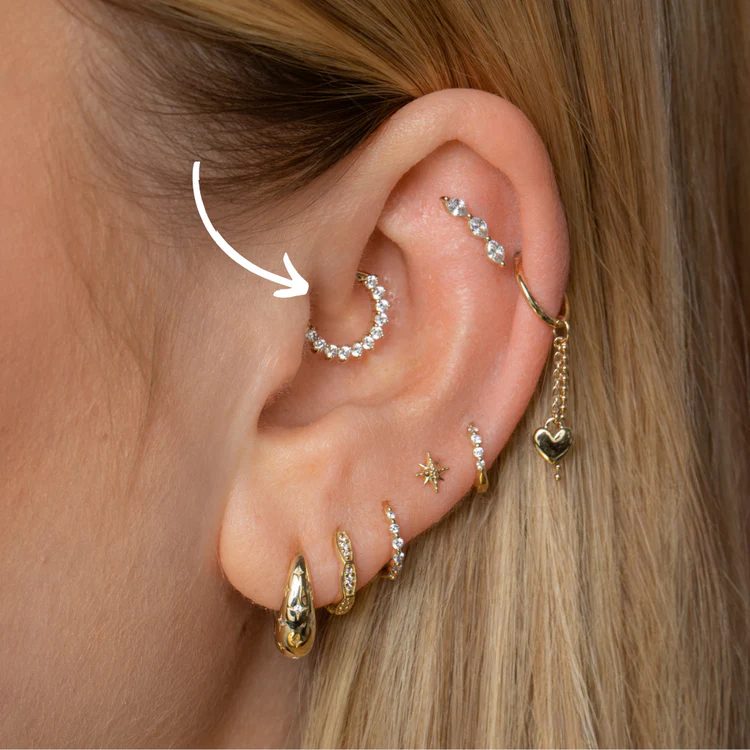
He once considered getting a daith piercing, a pressure point on the ear said to help some migraine sufferers. “He kept saying he would,” Yvette remembers, “but I think he was scared of the pain.” While he never went through with it, the two of them explored countless other ideas: “He used to wrap a cold towel on his head, and when he’d get the aura that a headache was coming, he’d take painkillers. They didn’t really stop the pain, but they reduced it.”
Online, others chimed in with their own coping mechanisms. In the reply thread to Yvette’s post, the comment section became a mini support group. One user wrote:
“Mimi I have had them all my life… kuna cure kweli? I can only manage them or try to avoid obvious triggers like certain smells and certain lights.”
Another added: “Soaking your feet in water, relieving pressure in your head by tying something on it, amitriptyline, migraine caps, daith piercings, ice cubes on the eyes… even salty water!”
Reading that mention of amitriptyline reminded me of the medications I’ve been using myself, Rizatriptans, amitriptyline, and MGR-10. I don’t take them daily; not just because of the side effects, but because accessing them isn’t always easy. These aren’t over-the-counter fixes, you need a physician’s prescription, and even then, the cost or availability can be a challenge.
Yvette echoed these thoughts, saying:
Yvette Regina
“Some migraines have underlying causes that, if treated, go away, but most don’t have a clear cause. The daith piercing has a high success rate, but you can still try other DIY methods. Check the replies, I forgot to add a migraine cap; that works for some people too.”
The migraine cap has become a go-to relief tool for many living with chronic headaches. Designed like a snug, stretchable hat or wrap, it covers key areas affected during an attack, the forehead, temples, eyes, and back of the head. Inside, gel packs provide cooling therapy that helps numb nerve pain, reduce inflammation, and constrict blood vessels, all of which are linked to migraine symptoms.

Covering the eyes is especially important for those with light sensitivity (photophobia), a common migraine trigger, while compressing the head can ease the throbbing and pressure many experience. Though it isn’t a cure, its simplicity, reusability, and drug-free nature make it a helpful option for people looking to manage pain naturally or alongside medication.
Note;
It’s important to note that the remedies shared here are not medical advice, but personal coping strategies and DIY suggestions exchanged among individuals who live with migraines or care for someone who does. For example, the daith piercing is an ear piercing that passes through the innermost cartilage fold (the crus of the helix) and is often done with a hollow needle and a captive bead ring. Some believe it may help with migraines or anxiety due to its proximity to pressure points, but there is currently no scientific evidence to support these claims.
And if you’ve tried some of these strategies and they haven’t worked for you, don’t lose hope. What brings relief to one person may not work for another. Migraines are deeply personal, and so are the ways we cope with them. It’s also important not to impose remedies on others just because they worked for someone else. As well-intentioned as advice can be, remember: we operate differently. Our bodies, triggers, and thresholds are not the same, and that’s okay. Care begins with listening, not prescribing.
If you or someone you love is struggling with migraines, please consult a qualified medical professional. These shared approaches offer insight into how people try to survive the pain, not certified solutions.
This crowd-sourced ecosystem of care showed just how many people are going through the same invisible storm, often alone, often improvising.
Helpless Hands and Heavy Hearts
Despite her research and efforts, Yvette often found herself in an emotional grey zone, wanting to help, but unsure how. “Yes, a lot of times I felt helpless,” she confesses. “That’s why I was doing the research. I didn’t know what else to do.”
There’s a certain pain that comes from watching someone you love suffer in silence. Especially when your only tools are Google searches and gentle presence. When the pain comes, words rarely soothe. The helplessness lingers like an unanswered question: Am I doing enough?
When Communication Falters
As the migraines became more frequent, their ripple effects began to alter the dynamic of the relationship itself. “They did affect our relationship dynamic,” Yvette says. “Especially communication.”
Most of his episodes struck in the evening, when conversations would normally flow, when plans would be made or laughter shared. “Just know he’d be unreachable,” she explains. “He’d say we’d do something, and then he couldn’t follow through because he had a really bad headache.”
The unpredictability chipped away at consistency. Sometimes, even leaving the house wasn’t an option for him. Though Yvette doesn’t explicitly say the migraines affected intimacy, the implication is there, in cancelled dates, in long silences, in the emotional weight of learning to expect the unexpected.
The Quiet Reality of Loving Someone in Pain
Yvette’s story reveals the invisible labor of love: the kind done behind closed doors, in hushed tones, with Google tabs open at 2 a.m. It’s the work of adjusting your language, your hopes, your tempo. Of learning that sometimes, being there is the only remedy that matters, even when you can’t take the pain away.
As her words remind us, caring for someone with chronic illness doesn’t always come with grand gestures. Sometimes, it means understanding when they don’t call back. Sitting through silence. Staying soft when the world goes dark.
Lessons Love Teaches
Migraine pain was never the villain in Yvette Regina’s story. It was the uninvited house guest that rearranged plans and dimmed the lights, yes, but it didn’t end the relationship.
I know you might want to ask… did they break up because of the migraines? The answer is NO. In fact, that’s something she wants to be clear about.
This came after a user commented under her post, “So you fixed everything but the relationship? ”
To which Yvette replied:
“???? the relationship didn’t need fixing but he did and I didn’t have the expertise for that.”
The chronic migraines did not write the ending.
“Long distance did, different cities, different schedules, I was going back home, and he was staying behind. There were also other issues… things he was going through personally. But the migraines weren’t what ended us.”
Yvette Regina
Life, not illness, pulled them in separate directions. The migraines, if anything, had shown them both what showing up looked like.
And that matters. Because so often, chronic illness gets unfairly cast as the wedge that drives people apart. But real relationships, especially those that stretch through pain, are rarely that simple. Sometimes, love holds on through the ache… and still doesn’t make it.
What stayed with Yvette was a new understanding of care. “Sometimes you just sit there and be present,” she reflects. “Not everything needs fixing. Sometimes your partner just needs you in the room.” That realisation shifted her idea of love from problem‑solving to quiet accompaniment, an insight many caregivers learn the hard way.
What the experience gave Yvette, however, was a deeper understanding of what care actually looks like.
“Sometimes I can just sit and be there. Not even to help. Just to be there. Because not all the time does help… help.”
Yvette Regina
She learned to stop trying to fix things with quick solutions, and instead started learning the quiet art of presence.
Carson Anekeya
She also wants people to understand what migraines really are. “They’re not just headaches,” she explains. “They affect someone’s whole life, their energy, their ability to show up, everything.”
The lesson she passes on is simple: believe invisible pain, don’t belittle it, and resist the urge to prescribe before you understand. A tender presence often speaks louder than a dozen DIY cures. A gentle challenge, be patient with unseen struggles, love without the need to fix, and recognise the quiet strength that holds together relationships touched by chronic illness.
Yvette Regina’s Take

Yvette has lived through the long nights, broken communication, the last-minute cancellations, and the quiet, half-whispered check-ins in dark rooms. She knows the emotional weight of loving someone in pain, how it shapes your words, your timing, your patience. When asked what she would share with someone just beginning that journey, her response is honest, grounded in lived experience:
“There’s a good chance every piece of advice you’re about to give, they’ve already heard, maybe even tried. So don’t give up, but don’t lecture either. Keep searching for what helps, see a specialist if you can, and most of all, just be there.”
Yvette Regina
Being there, she emphasises, is not a passive act. It means showing up when the pain is loud and the conversation is quiet. It means fetching water or medication without being asked, turning down the lights, guarding the silence. It means understanding that migraines steal more than hours; they drain energy, colour, joy, and they do it over and over again.
“Don’t rush to fix, your presence might be the most healing thing.”
Yvette Regina
That kind of presence requires emotional steadiness: the willingness to stay soft even when you feel helpless, to keep loving when no cure is in sight. It recognises that caring is not a race to solutions but a practice of patience, of standing beside someone’s pain without making it about your own discomfort.
So if you find yourself loving someone through chronic migraines, remember Yvette’s counsel: stay, soften, listen. Keep looking for what eases the pain, but know that your steady presence is already medicine. Most times, when we’re unsure of how to help, we feel like we’re not doing enough, but don’t let that feeling lie to you. You’re already doing enough. Being there, consistently, is one of the most powerful forms of care. And when the room is dark and the world has gone quiet, let your love be the light that does not flicker.

- The Rise of Suicide Posts in Digital Spaces Reflects a Growing Mental Health Crisis - February 22, 2026
- How Kenya’s Silent Lifestyle Disease Crisis Is Reshaping Public Health - February 12, 2026
- The Rise of Lifestyle Diseases Emerges as a Crisis Among Kenya’s Youth - February 9, 2026