Mental health myths are more than just misunderstandings — they’re silent killers. From assumptions about who needs therapy to misinformation on treatment, these misconceptions fuel stigma, prevent healing, and cost lives. As mental health cases continue to surge globally and locally, experts warn that it’s time to debunk the harmful narratives shaping how people view psychological care.
Psychologist Jairus Kibagendi, founder of A Million Hugs, a Kenyan-based mental wellness organization, says these myths create barriers to help. “We are looking at therapy from the wrong lenses,” he says. “People think therapy is only for those who are psychotic. That’s not the case. Everyone needs therapy — even those who seem normal.”

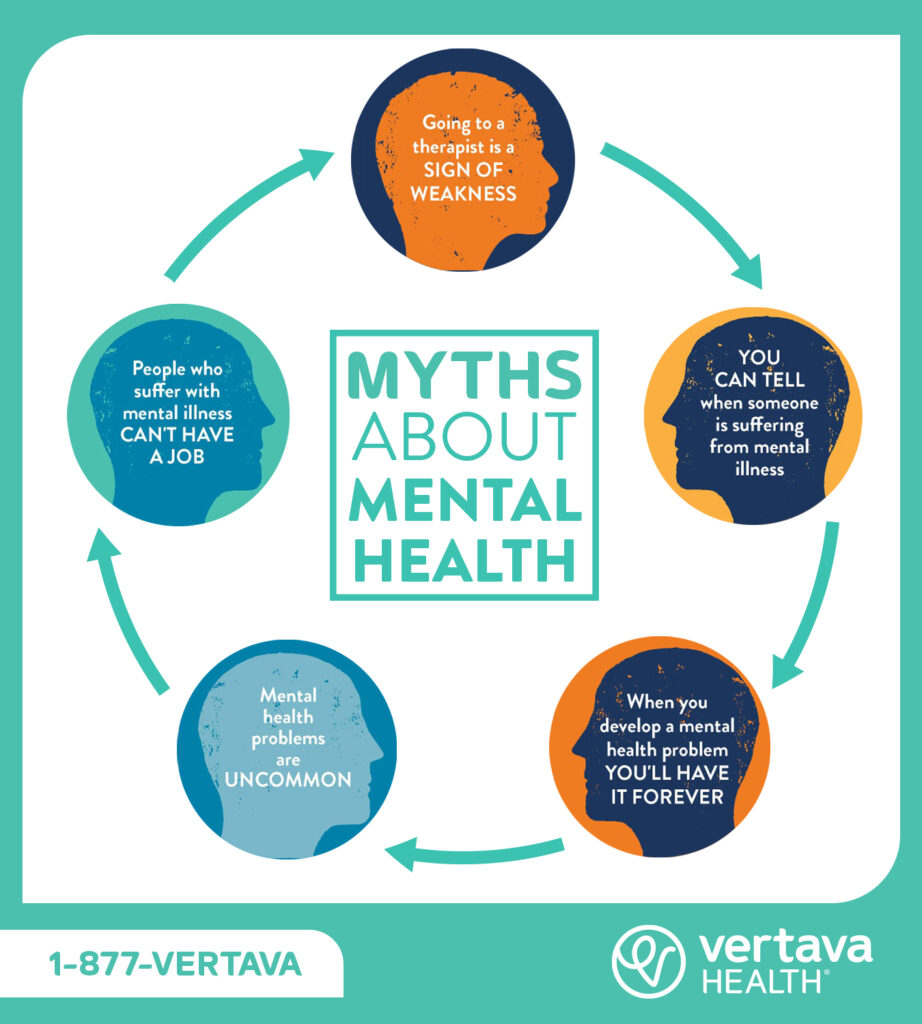
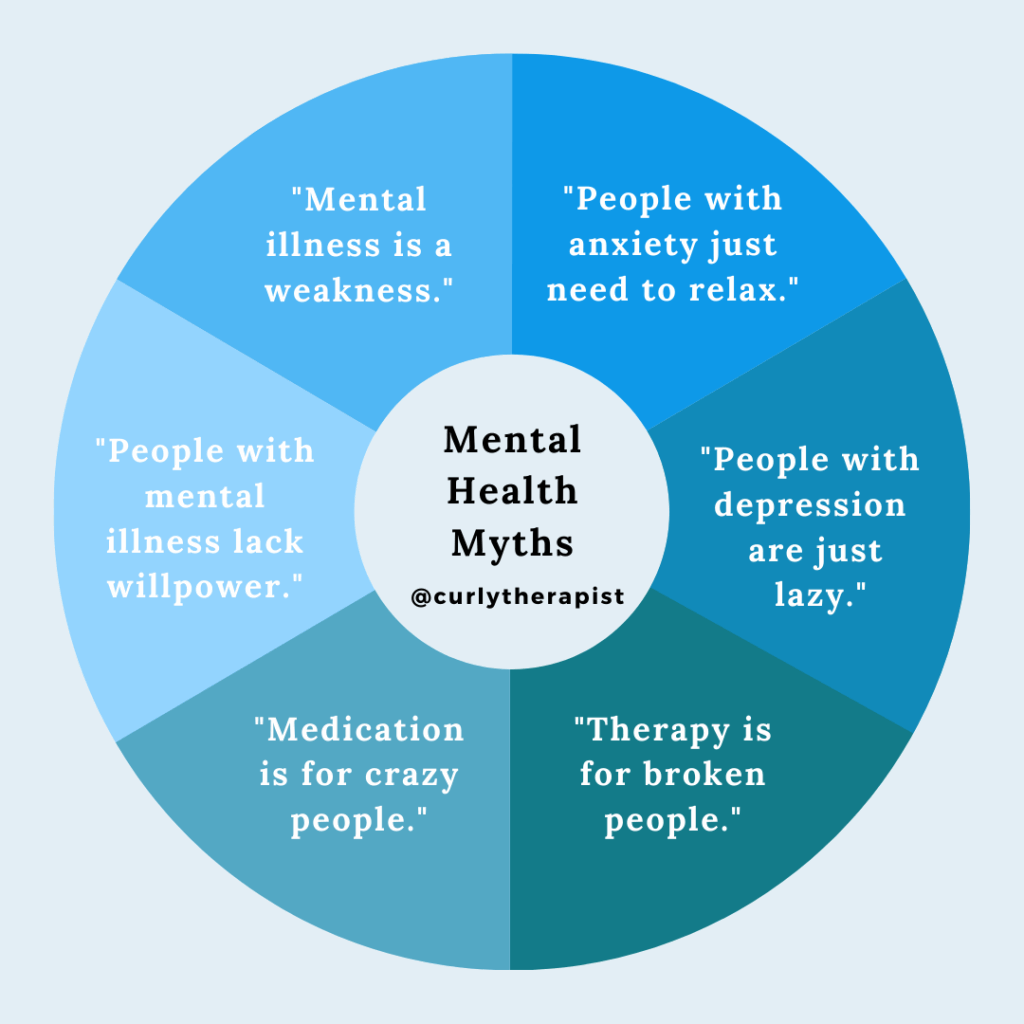
Myth 1: Only “crazy” people need therapy
One of the most persistent mental health misconceptions is the belief that therapy is only for people with extreme or visible psychological disorders. Kibagendi challenges this stigma directly:
“It’s not just people picking litter or looking dirty on the street who need help. Therapy is for everyone — to heal past traumas, deal with personal struggles, and grow.”
This myth leads many to delay seeking help until their symptoms become unmanageable. But according to mental health professionals, early intervention can prevent conditions like anxiety and depression from escalating to clinical levels. Therapy is not a last resort; it’s a tool for emotional hygiene and personal development.
Myth 2: Mental health issues are rare
Contrary to popular belief, mental health disorders are not uncommon. The World Health Organization (WHO) estimates that one in four people globally will experience a mental health issue at some point in their lives (WHO, 2022). In Kenya, this translates to over 12 million people — a figure likely underestimated due to under-reporting and lack of mental health literacy.
Kibagendi emphasizes that post-pandemic stress has worsened this crisis:
“Since COVID-19, we’ve seen a rise in cases. Suicide rates are alarming — globally, one person dies by suicide every 40 seconds. In Kenya, depression is now the number one mental health killer.”
Still, myths about rarity keep the conversation silent. Mental illness is far more prevalent than society acknowledges.
Myth 3: Taking medication is enough
Another common misconception in mental health is that psychiatric medication alone is sufficient treatment. While medication can stabilize symptoms — particularly in conditions like schizophrenia or major depressive disorder — it doesn’t address underlying emotional wounds or thought patterns.
“Many patients go to psychiatrists, get drugs, and go back home without healing,” Kibagendi notes. “But the emotional triggers remain. Without therapy, that becomes a maladaptive way of coping.”
Mental wellness requires a dual approach: psychiatric care when necessary, and psychological therapy (talk therapy or counseling) to develop healthy coping strategies. Misunderstanding this balance can lead to relapse or long-term dependency on medication.
Myth 4: Online therapy tools and self-diagnosis are enough
As the digital world expands, many are turning to chatbots, self-help blogs, and YouTube videos for psychological support. While these tools can be helpful for basic guidance or emotional first aid, Kibagendi warns against over-relying on them.
“Some people go online, dig deep into the internet, and end up self-diagnosing,” he explains. “Then they buy over-the-counter drugs without a proper referral. That can be dangerous.”
Mental health is personal and complex. While digital resources may offer insights, professional evaluation remains crucial. Kibagendi encourages people to know where online help starts — and where it should end.
Myth 5: Therapy is too expensive
One of the biggest myths in mental health care is that therapy is unaffordable. While private sessions can be costly, especially in urban areas, affordable and even free resources are increasingly available.
“There are hotlines you can call for free,” Kibagendi says. “Organizations like Befrienders Kenya and Red Cross offer free psychological support. County hospitals also have therapists you can see with just a health insurance card — and some charge as low as 500 shillings per session.”
Additionally, platforms like A Million Hugs host weekly mental wellness conversations and community engagements, providing safe spaces for emotional growth and education.
Myth 6: Men shouldn’t express vulnerability
Gender stereotypes fuel another dangerous misconception — that seeking mental health help is a sign of weakness, especially for men. According to global data, men are significantly more likely to die by suicide than women. Many cases stem from untreated depression due to internalized stigma and societal pressure to “stay strong.”
“More men are dying by suicide because they feel they can’t speak out,” Kibagendi warns. “We must normalize men going to therapy.”
Mental strength includes vulnerability. Re-framing emotional openness as courage, not weakness, is key to tackling this crisis.
Myth 7: There is no help available
Despite growing mental health challenges, many still believe there’s nowhere to turn. But Kenya is seeing a slow but steady increase in services, from government interventions to grassroots initiatives.
Kibagendi acknowledges gaps in implementation:
“We have strong policy documents like those from the Mental Health Taskforce. The problem is implementation. We need better data, stronger follow-through, and more community-based solutions.”
Still, the presence of government helplines, nonprofit hotlines, and affordable clinics across the country is a sign of progress. What’s needed now is awareness — and the political will to scale interventions.
“Everyone needs therapy. Even when you’re looking like your normal, you need therapy.” — Jairus Kibagendi
Shifting the Mental Health Narrative
The myths and misconceptions surrounding mental health are not just outdated — they are dangerous. They stop people from seeking help, misguide those already suffering, and perpetuate a cycle of silence and shame. But as voices like Kibagendi’s continue to rise, so too does hope.
Breaking mental health myths starts with education, access, and empathy. Whether through community forums, online awareness, or honest conversations, dismantling these misconceptions is the first step toward healing — not just for individuals, but for society at large.
Mental health isn’t a crisis for ‘other people’—it’s a shared reality we all navigate, often in silence.”
— Paul Isendi Jibendi

I’m a communication and media expert by training but a storyteller at heart. I wear many hats—including Communication Strategist, Writer, Digital Marketer, and Media Consultant—all driven by one mission: turning ideas into impact, one story at a time.
When I’m not crafting campaigns or shaping brands, you’ll find me behind the camera as a Cinematographer, at my desk as a Graphic Designer or Editor, or on set as a Film Producer. Every frame, word, and strategy I create is intentional—because media isn’t just about visibility; it’s about meaningful connection.
I also handle Public Relations (PR)—because even the best stories need the right audience.
Ready to create something unforgettable together?
Email: paulisendi2018@gmail.com
Phone: 0743 099 850
- Common and Costly Myths and Misconceptions in Mental Health - May 31, 2025
- Addiction and Mental Health: Vicious Cycle You Need To Know - May 30, 2025
- Mental Health Resources When You Need Help - May 29, 2025