At just 23 years old, Roseanne Wanjiru Kariuki is already emerging as a powerful voice in Kenya’s mental health space. A counseling psychologist in training, Roseanne is currently in her final stretch at her education institution, where she will graduate in about five months. Her story into mental health advocacy, as she reflects, did not begin with a bold plan or a defining decision, it was a quiet calling that revealed itself over time.
“Becoming the Voice”
“When I think about it, my journey into mental health advocacy started unconsciously back in high school. I would find myself talking about mental health and encouraging others to speak up whenever they had issues. Those around me saw me as a safe space.”
Roseanne Wanjiru Kariuki
This early pattern of being a confidant, a listener, and a source of reassurance set the tone for what would become her life’s work. It wasn’t until after high school, during a period filled with voluntary work and community outreach, that the pieces began to come together.
“Before joining university, I was engaged in quite a lot of voluntary work and outreach programs in the community while I was trying to figure out what I would like to pursue. Coincidentally, psychology was one of my selections in high school but then again, very unconsciously.”
Roseanne Wanjiru Kariuki
During her volunteer experiences, she found herself naturally drawn to one-on-one interactions. Engaging with individuals from different walks of life and listening to their stories stirred something in her, a deeper sense of purpose.
“It was through these encounters that I felt a strong calling to study psychology, driven by a desire to walk alongside others as they journey through their inner and personal challenges.”
Roseanne Wanjiru Kariuki
Now, Roseanne Wanjiru Kariuki is living out that calling in a tangible way. She currently interns at an organization that supports survivors of gender-based violence, an organization that provides free medical and psychosocial support to survivors of gender-based violence (GBV). As a Counseling Psychology Intern, Roseanne plays a critical role in offering trauma-informed counseling to survivors who have experienced sexual, physical, psychological, or emotional abuse.
She also holds weekly counseling sessions with high school students, creating safe spaces where young people can express their struggles, fears, and hopes. It’s a role she carries with grace and reverence.
“Being able to walk with teenagers through their struggles and see their resilience unfold has been quite inspiring.”
Roseanne Wanjiru Kariuki
From quietly being a trusted friend in school corridors to working with GBV survivors and vulnerable youth, Roseanne Kariuki’s journey into mental health advocacy has been marked by intention and evolution. She may have started unconsciously but today, her presence in the field is anything but accidental. She is becoming the voice she once needed and the voice so many others are now finding strength in.
“The Heartwork of Helping”
Everyday Advocacy in Conversations that Matter
For Roseanne Wanjiru Kariuki, advocacy doesn’t always look like standing on a stage or writing policy. Sometimes, it’s as quiet and courageous as picking up the phone when a friend calls in distress, or listening without flinching when someone finally gathers the courage to say, “I’m not okay.”
She vividly remembers one such moment. A friend was caught in a spiral of prolonged sadness and emotional withdrawal. The weight of hopelessness hung heavy, and nothing seemed to make sense to her. Roseanne, rooted in both friendship and training, responded with empathy and the quiet steadiness that defines her approach.
“She did not quite understand this and where it was stemming from but all she was aware of was how much it was affecting her. She was constantly feeling sad, hopeless and unwanted. I handled the situation with a lot of empathy, respect and understanding. I used some of my skills in psychology training to help her process and explore her thoughts, feelings and experiences. This helped her feel better since she felt like she had someone who she could turn to for support.”
What followed was a temporary relief for her friend, a reminder that she wasn’t alone. But Roseanne knew that being both a psychologist and a close friend could blur essential boundaries. So, once the immediate crisis settled, she made an ethical decision.
“When things got easier for her,I suggested that she should consider seeing another psychologist. Why? The fact that we have a dual relationship limits me to helping her. Being both a friend and a psychologist can blur boundaries and potentially do more harm than good. There is a risk of compromised objectivity, unmet expectations and emotional entanglement. Referring her to another psychologist was an ethical decision and a necessary one to ensure we preserve the integrity of our friendship.”
Roseanne’s grounded understanding of mental health advocacy: it’s not only about helping, it’s about helping responsibly. She knows the cost of emotional entanglement, and that true care sometimes means stepping aside so healing can continue in safer, more structured spaces.
What makes people feel safe confiding in her in the first place?
“I think my answer is simple,” she says, “Listening.”
“Listening without judgement, listening without interruption, listening actively. All people want is to be heard. I believe that I offer a calm-non judgemental presence.”
Roseanne Wanjiru Kariuki
Even before her formal training, Roseanne had always been someone others turned to. Her ability to hold space calmly, patiently, without rushing to fix, created a sense of refuge for many. It’s not a strategy. It’s a way of being.
“I try to meet people where they are, validating their feelings and allowing them to express themselves freely. Over time, I’ve learnt that safety often comes from simply being present… from creating a space where someone feels seen, heard, and respected.”
But even the strongest empath must acknowledge their limits. When we asked Roseanne if being a safe space ever felt overwhelming, this is what she had to say:
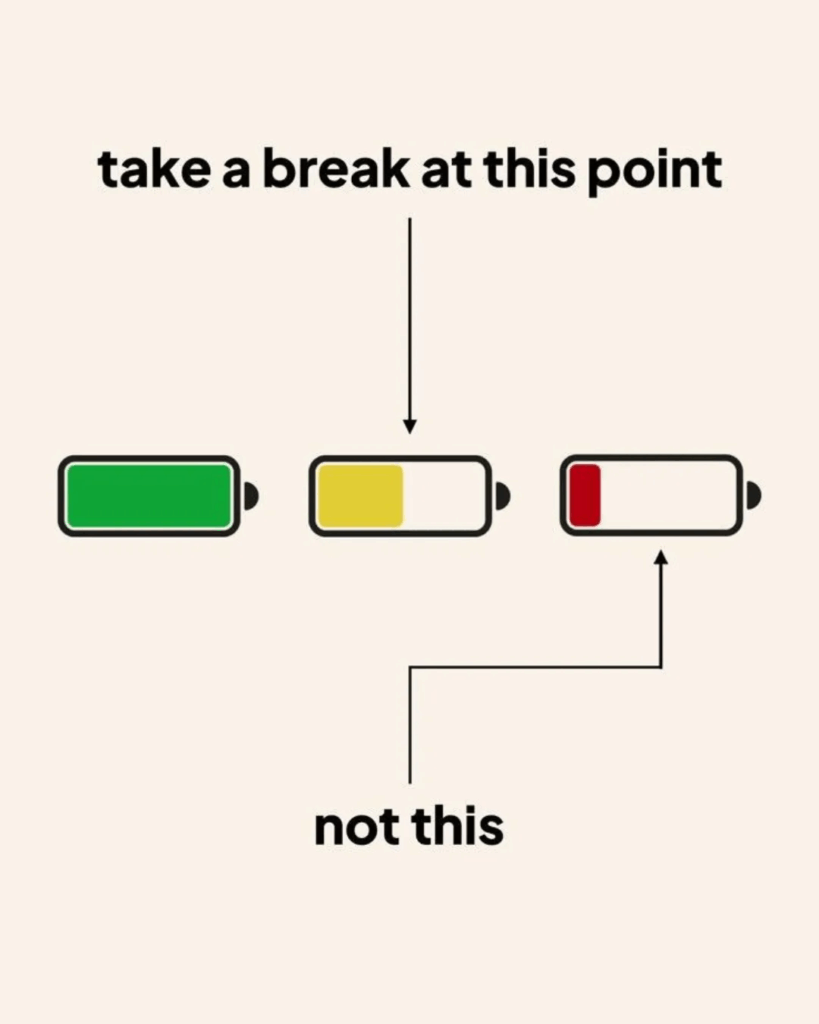
“Yes, most definitely. At the end of the day, I am still human. It can be draining, especially when I am going through my own rough patches.”
In her story, we see the delicate dance of giving and guarding, the mental health advocate as both a vessel and a boundary-setter. Roseanne’s advocacy isn’t confined to professional spaces. It pulses through everyday conversations and silent comforts. This, truly, is the heartwork of helping.
Everyday Psychology
Roseanne doesn’t just speak about mental health, she embodies the principles of good mental health support in the everyday moments that matter. Whether it’s a friend in crisis or a family member misinformed about suicide, she finds herself constantly drawing from the well of her classroom knowledge and lived experience.
“Active listening, learning how to truly listen without interrupting, judging, or jumping to advice, has transformed how I show up for my friends,” she explains.
From reflecting feelings back to others so they feel seen, to using basic CBT (Cognitive Behavioral Therapy) tools informally, like gently helping someone notice and challenge their negative thought patterns, Roseanne integrates psychological concepts into her personal interactions. She also finds grounding techniques especially helpful for friends battling anxiety or moments of emotional overwhelm, often applying lessons learned from both her classes and her internship work.
Yet mental health advocacy doesn’t stop at being a good friend. It often means challenging myths and confronting misinformation, sometimes in intimate spaces like the family dinner table.
“I’ve been doing a lot of psychoeducation on suicide,” Roseanne shares. “It’s included conversations with my family and community, especially as part of my senior project.”
Through these exchanges, she’s helped debunk myths about suicide and suicide ideation, using clear language and compassionate facts to bring awareness to a misunderstood issue.
Still, this work isn’t without resistance. Speaking about mental health, especially in African communities, often comes with pushback.
“In our culture, mental health struggles are often seen as weakness,” she says. “I’ve had my experiences minimized, dismissed, or simply misunderstood.”
But rather than withdraw or react defensively, Roseanne takes a different route, and she says it seems to work.
“I approach these conversations with empathy and using relatable language and real-life examples to build understanding. Instead of confronting resistance directly, I often plant seeds through small, consistent conversations ,while respecting where others are in their journey of understanding. To my surprise, I have seen shifts in openness overtime ,especially in my family, particularly my father.”
Roseanne Wanjiru Kariuki

Online Advocacy: Psych with a Sprinkle of Roses Page
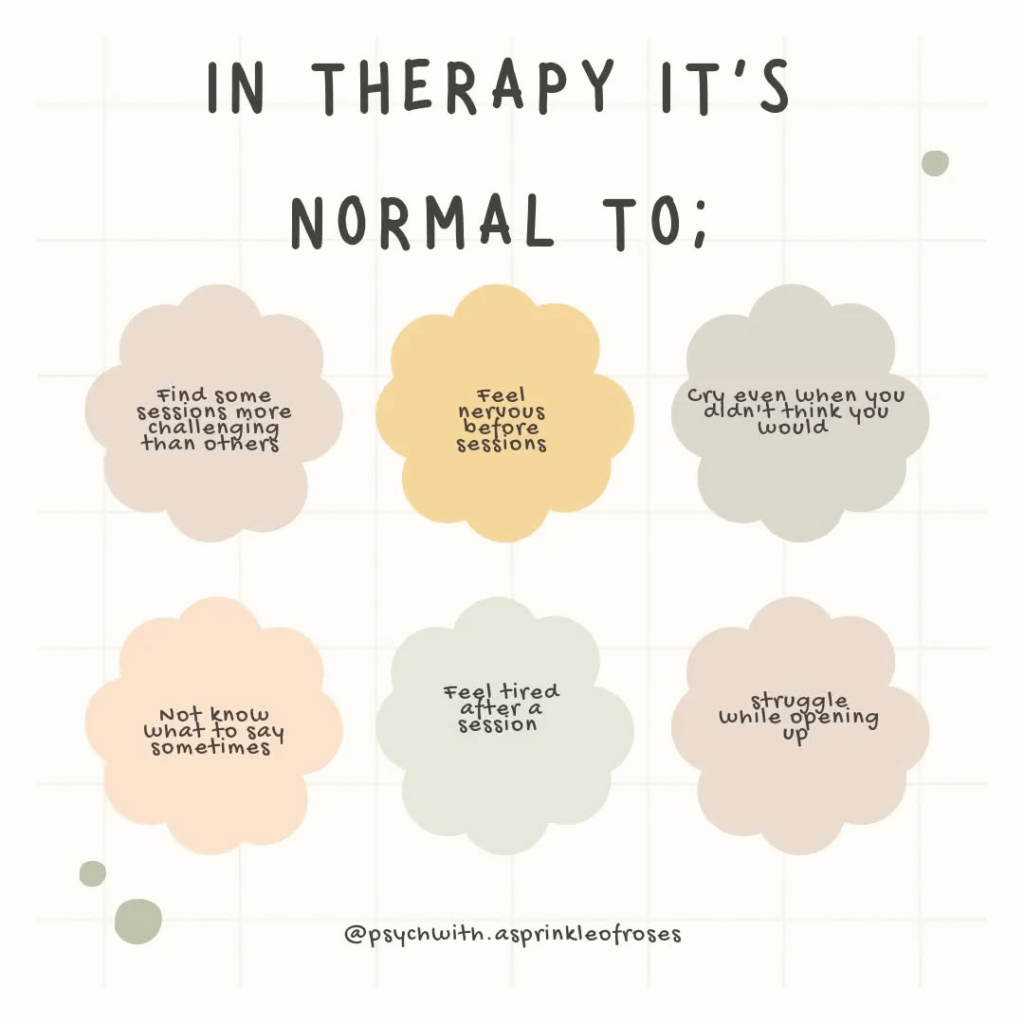
For Roseanne, social media is a tool for transformation. Through her Instagram page, Psych with a Sprinkle of Roses, she has cultivated a space where education meets empathy, and followers can engage with mental health content that feels both accessible and affirming.
“On my Instagram page, Psych with a Sprinkle of Roses, I share counseling tips, self-care strategies, and psychoeducational posts. The feedback has been really encouraging. People say the content simplifies psychological concepts and makes them feel seen and supported.”
Roseanne Wanjiru Kariuki
This response shows the tangible impact of digital advocacy, not just in clicks or likes, but in the quiet messages from followers who open up, ask questions, or feel a little less alone because of something she posted. This shows the real-time impact of mental health education online.
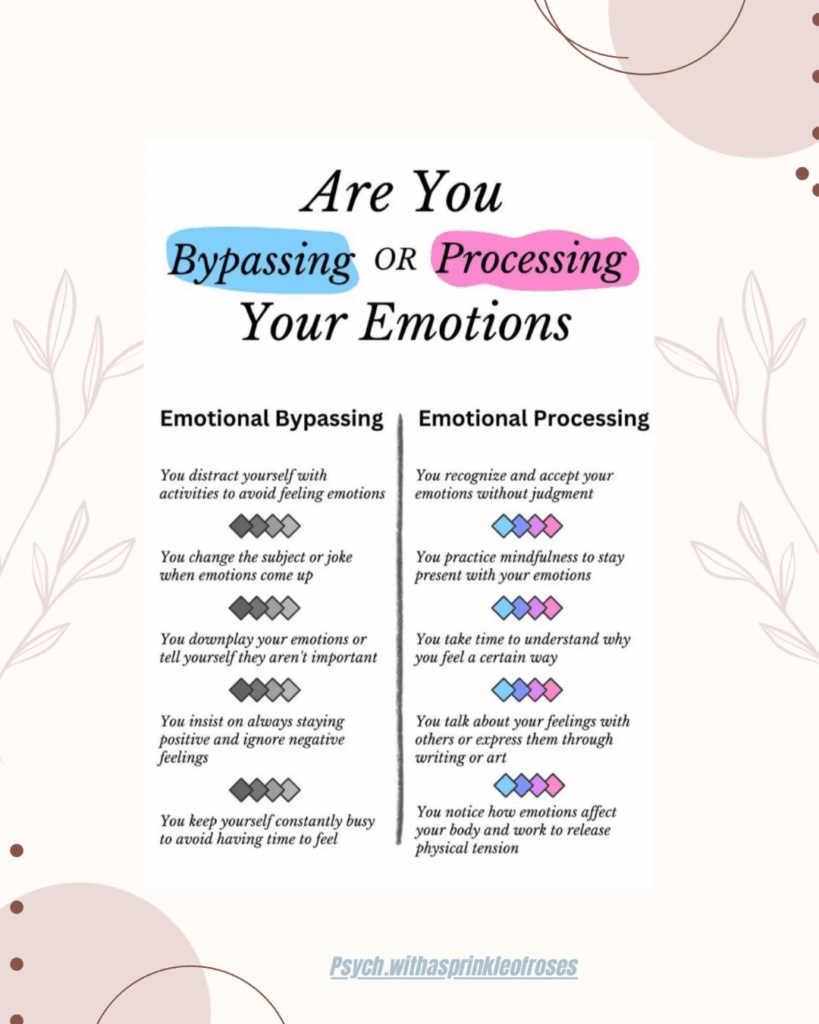
Her digital mission is to bridge the gap in mental health understanding, especially among youth.
“I want to reach young adults who might not have immediate access to therapy. They can see my content as they scroll online, resonate with it and pick up a bit of information that might help them. I hope they see something in my content that resonates, informs, or encourages them.”
Her posts are often love letters to those sitting in silence, reminding them that their pain is valid and their healing is possible.
Roseanne also acknowledges this openness comes with its own emotional tightrope: How much do you share without overexposing your inner world?
“It’s a constant learning process. On one hand, I value honesty and real conversations, especially when it comes to mental health, so I try to show up online in a way that is true to what I believe. Vulnerability has power. However, I am very aware that I cannot pour from an empty cup, so I have learnt to be intentional about what I share and when I share it”
Roseanne Wanjiru Kariuki
Rooted and Rising
In a world where mental health work often happens in the shadows, Roseanne Wanjiru Kariuki stands in rooted in purpose and rising with every story she holds.
What keeps her showing up, day after day?
“Honestly, it’s the people. The quiet messages like ‘I really needed to hear that today,’ or witnessing a client take a brave step forward in their healing, those moments carry me.”
Roseanne Wanjiru Kariuki
For Roseanne, the work is personal, powerful, and profoundly human. She shows up offline because she has seen, firsthand, how life-changing compassionate, non-judgmental support can be. And she shows up online because she knows not everyone has access to that support.
“If my content can offer even a little bit of encouragement, education, or validation, then it’s worth it. Mental health work feels like purpose to me. It’s not always easy, but it feels right.”
Roseanne Wanjiru Kariuki
Her peers have noticed. Some respond with curiosity, others with gratitude, many with courage.
“I have had people reach out just to say ‘ I have never thought of mental health like this before, thank you for sharing’. Others have opened up about their own struggles for the first time, simply because they felt safe and seen. It’s becoming less of a taboo topic and more of something we all acknowledge and prioritize, even in small ways. Some peers have even said how it has changed how they relate to others, or how they show up for themselves. That kind of ripple effect means a lot to me.”
Roseanne Wanjiru Kariuki’s Revolution of Mental Health Advocacy
When asked what message she’d share with the world, as a young psychology student reshaping mental health narratives, her words land a quiet revolution:
“Being a young psychology student reshaping mental health narratives means holding space for both hope and pain. It means sitting with stories that are often silenced and choosing to listen anyway. It means choosing to show up for others and for ourselves, even when the conversations are hard. It is about gently reminding people that they are not alone, they are not broken, they are not too much.”
Roseanne compares mental health not to something we fix, but something we tend to, like a garden, gently, consistently, with care.
“Reshaping mental health narratives is not about having all the answers, it is about asking better questions, being present with people even when they feel like they are messy and challenging the idea that we have to suffer quietly. It is about showing that mental health is not something we ‘fix’ it is something we tend to, like a garden, slowly, gently, with care.”
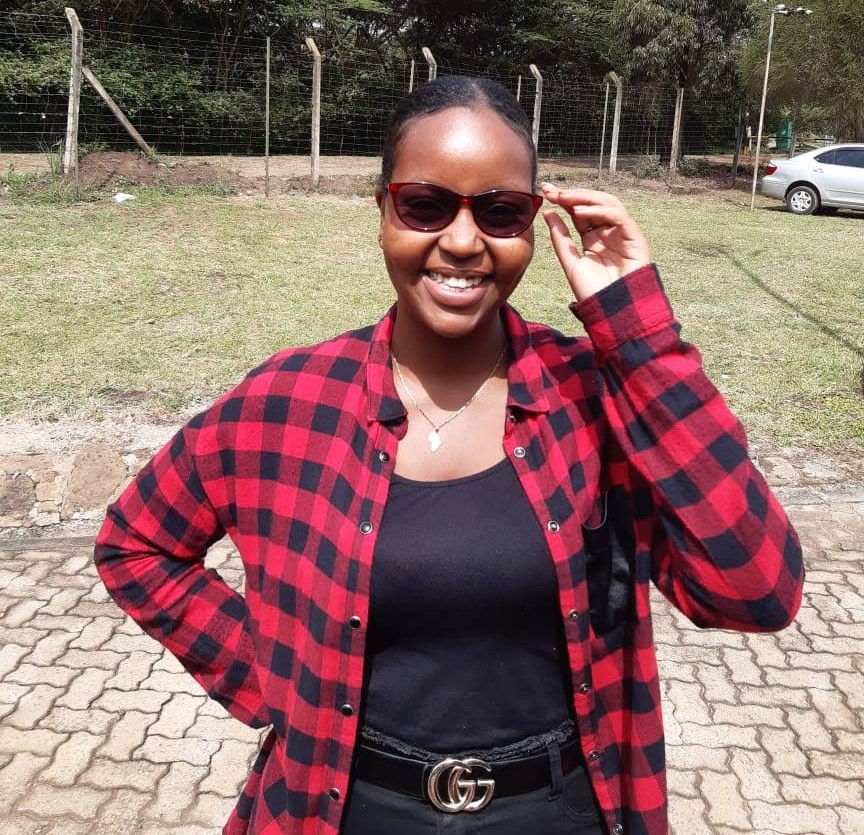
Roseanne Wanjiru Kariuki to Psychology Students
“We don’t need to be perfect to be part of the healing. We just need to show up, with open hearts, willing to learn, and committed to making space for the truth, even when it’s uncomfortable.
Roseanne Wanjiru Kariuki
This is how change begins.
And I believe we are already part of the change.”
In doing so, Roseanne sets the pace for other young psychology students. By walking this path, she creates a ripple effect. And may many rise, empowered to advocate, to listen, to hold space, and to remind others that healing is possible.

- The Rise of Suicide Posts in Digital Spaces Reflects a Growing Mental Health Crisis - February 22, 2026
- How Kenya’s Silent Lifestyle Disease Crisis Is Reshaping Public Health - February 12, 2026
- The Rise of Lifestyle Diseases Emerges as a Crisis Among Kenya’s Youth - February 9, 2026

