Knee pain is common. It’s easy to dismiss — especially when you grow up hearing, “It’s probably just salt,” or “Everyone feels that after exercise.” For years, I believed those explanations. I adjusted, endured, and kept quiet. Until I couldn’t anymore.
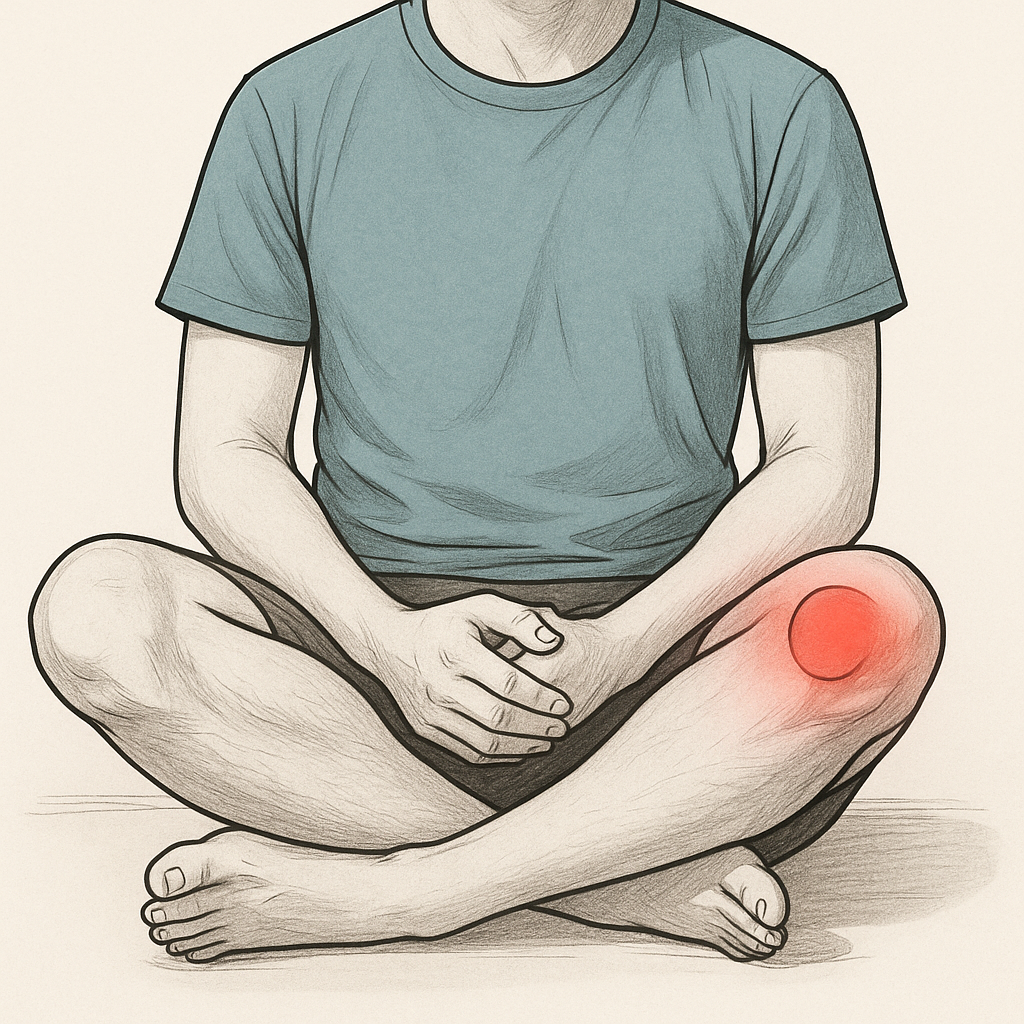
My diagnosis came recently: bipartite patella — a condition I had never even heard of until a doctor explained it to me, X-ray in hand. For the first time, there was a name for the sharp pain, the swelling, the weakness. And with that name came both relief and the need to tell this story.
This isn’t the type of piece I usually write. If you’ve read my work in Epic Pulse Magazine, you know my voice often leans into celebrity and creatives profiling kind of articles — rarely into the personal. But this time, the personal felt necessary.
What follows is a deep dive into a rare knee condition, told through both medical facts and lived experience. It’s for anyone who’s ever felt ignored by their own body, or worse — dismissed by others for describing something they can’t quite name.
Because sometimes, diagnosis isn’t just a medical event — it’s a form of justice.
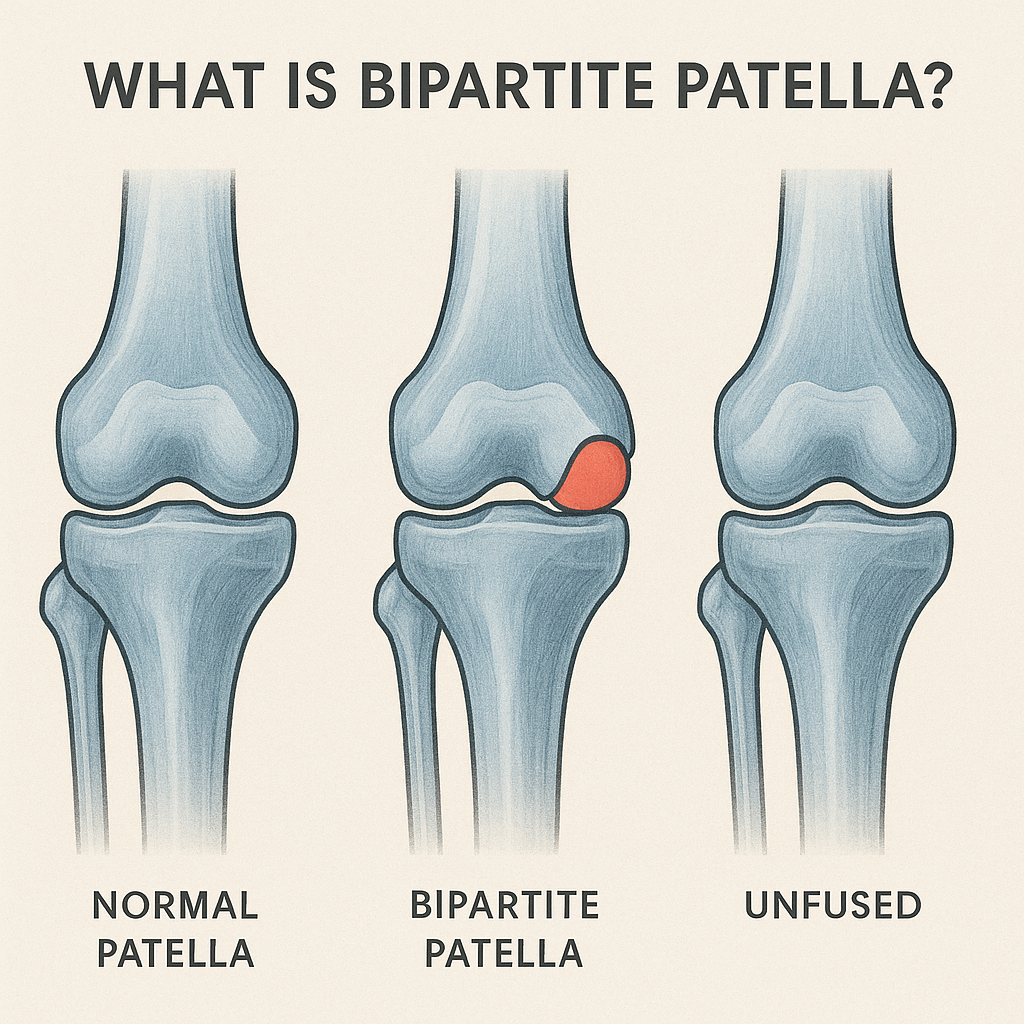
What is Bipartite Patella?
Bipartite patella is a condition where the kneecap (patella) fails to fuse into a single bone during childhood development. While many people have it and don’t even know, in some cases, like mine, it causes significant pain, swelling, and restricted movement
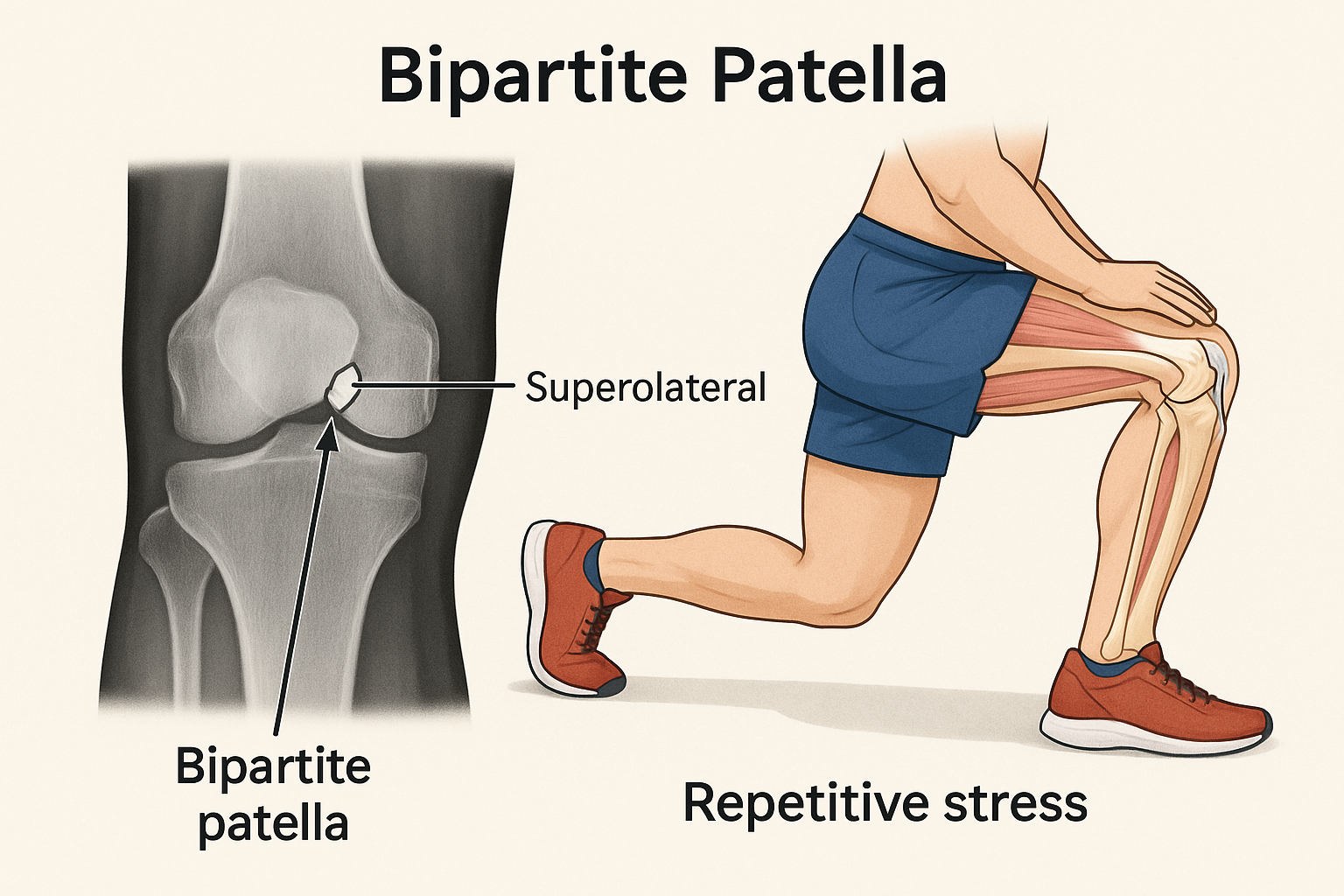
There are three main types, classified based on where the unfused bone segment sits. Mine was the type that sits on the lower outer part — visible in my X-ray like a shadow underneath the main kneecap.
I’ve known pain my whole life. From around age 10, I felt something wasn’t right. In primary school, PE lessons and punishments that involved kneeling or squatting were pure agony. I never complained; I thought everyone else felt the same.
In high school, it got worse. Cross-legged sitting, especially during assemblies or in the field, made my knees feel like they were about to give out. People said I took too much salt. I believed them.
Later, in college, the pain would flare whenever I squatted. Still, I endured. But it was during my time in dean school when things escalated beyond what I could bear. Long hours sitting on mats, praying, kneeling — the pain became unbearable. There were days I’d cry just trying to stand.
The morning I fell — that was my turning point. After a painful trip to the bathroom, my legs gave up. I collapsed, my knees hitting the floor with a thud. It wasn’t just pain anymore. It was real fear.
That same day, I insisted on seeing a doctor. During the examination, I told him something I had noticed over the years: my patella moves too much. Like, unnaturally. He confirmed it was abnormal and ordered X-rays. The images showed it clearly — a second bone below my kneecap.
The doctor explained that normally, those bones are supposed to fuse in early life. But since I’m now in my twenties, the chances of that happening are next to none. I finally had an answer.
I remember just feeling relieved. I wasn’t pretending. I wasn’t exaggerating. I wasn’t being dramatic. There was finally a word, a reason, a form of justice.
From that moment, small changes started to shape my daily life:
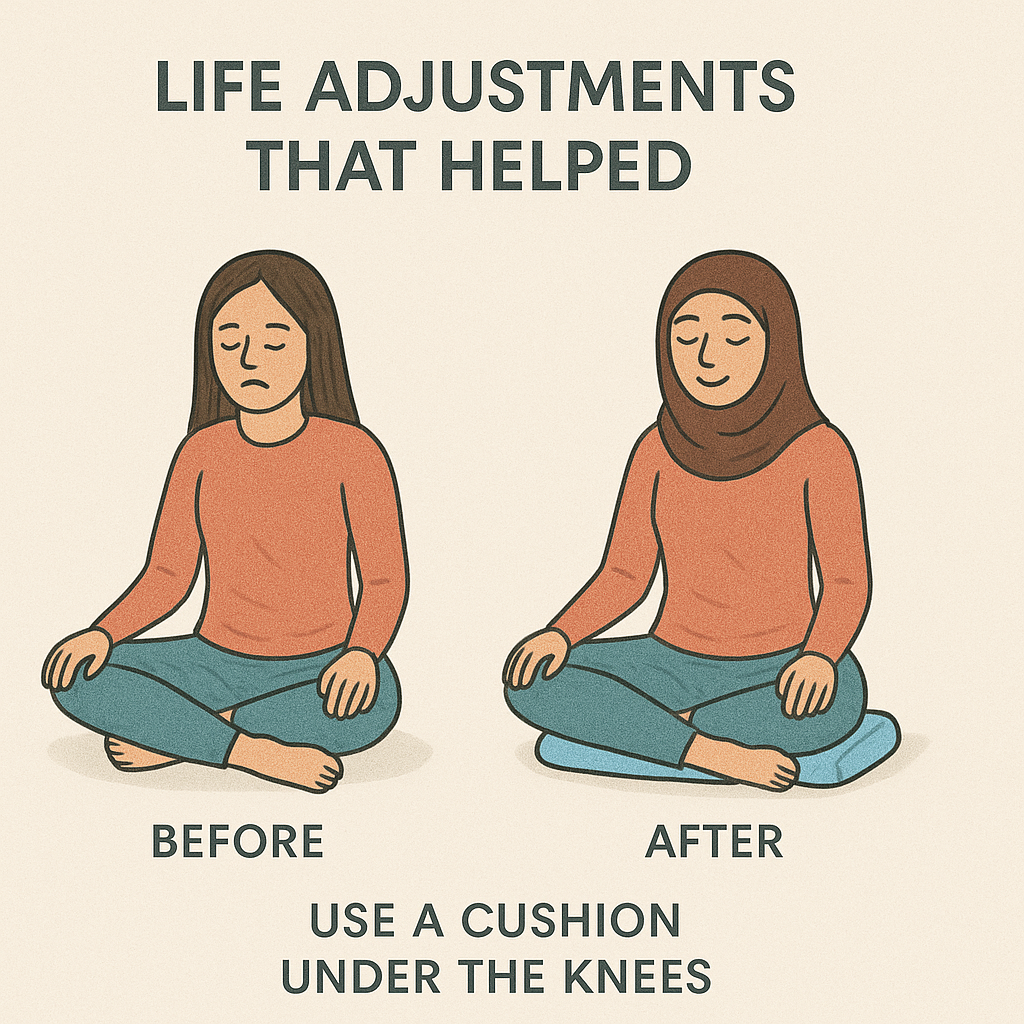
Posture & Prayer: I stopped sitting cross-legged. I now sit normally whilst using a cushion under the knees and pray with more caution. When kneeling, I take it slow, with care and gentleness.
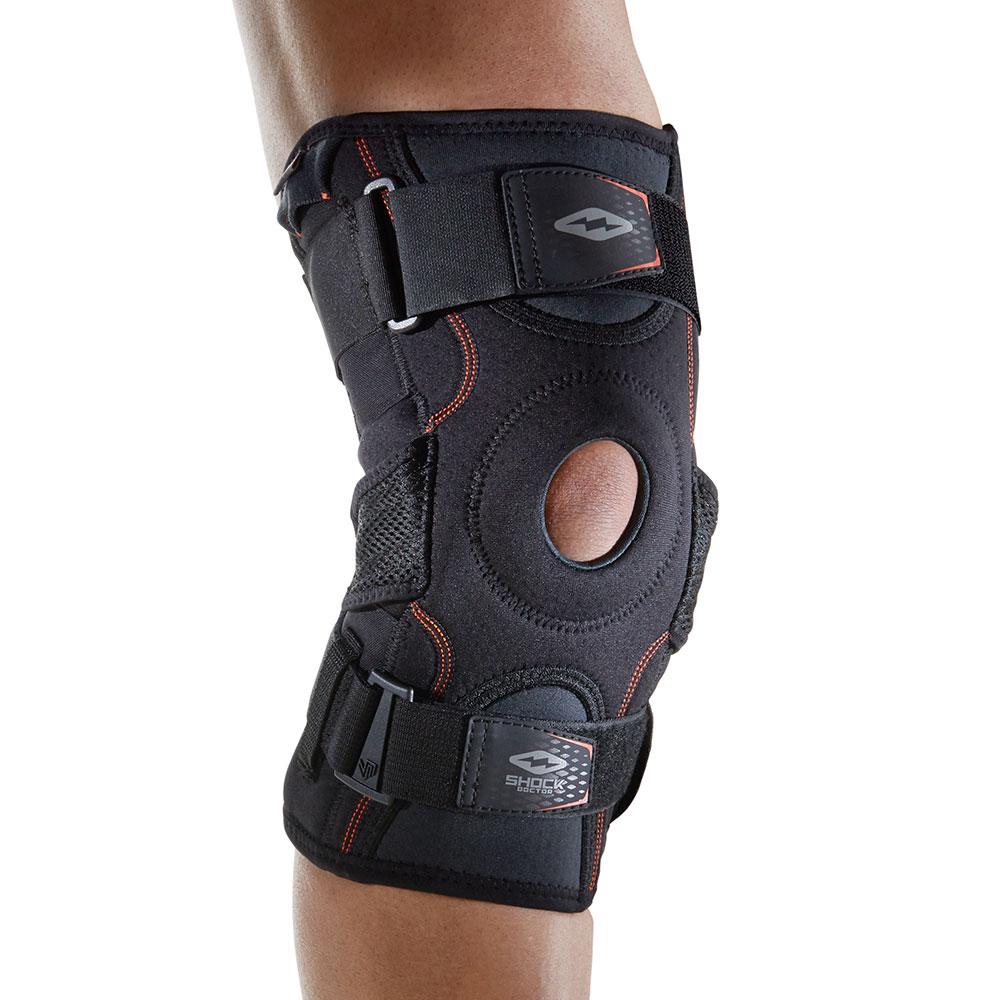
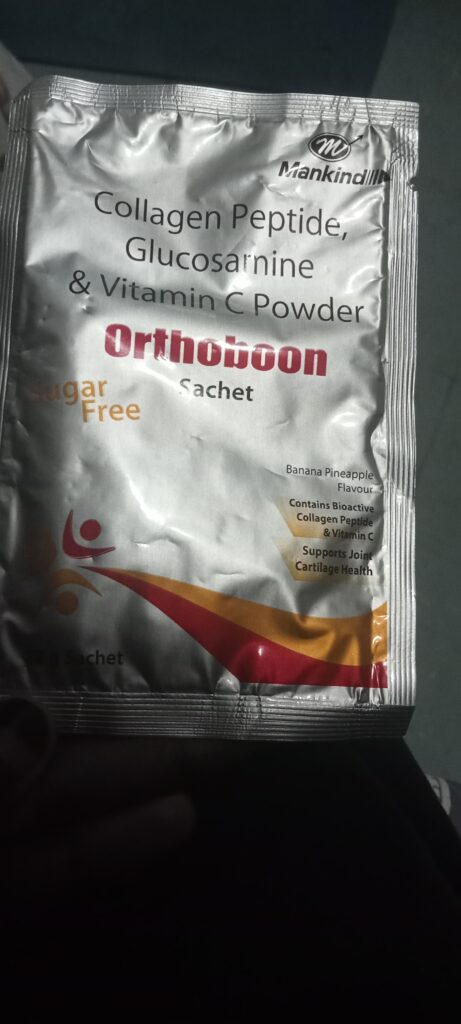
Support Tools: I now use knee braces religiously. They hold my knees together and ease movement. I apply pain relief gels, take anti-inflammatory medication, and even drink collagen supplements daily.
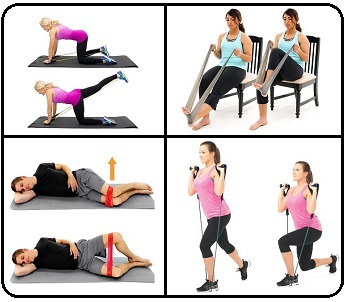
Stretching & Walking: I’ve learned what kinds of gentle stretches and movements help me feel better — and what activities to avoid.
Lessons I’ve Learned
Pain doesn’t have to be visible to be real.
Trust what your body is telling you.
Silencing yourself only delays your healing.
Validation isn’t a luxury — it’s a necessity.
I never expected to write something like this. But if my experience gives even one person the push to listen to their pain, speak up, or seek help — then it’s worth every word.
Because telling our stories is part of healing too.

- Threads of Power: Inside the World Of Sophie Kinya - June 24, 2025
- From Dismissal to Diagnosis: My Journey with Bipartite Patella - May 21, 2025
- Beyond the Code: Patricia Muriira’s Inspiring Journey in Tech - May 20, 2025