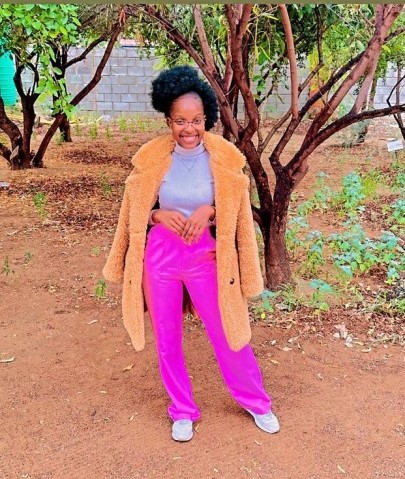
Meet Koketso Nakiso Somolekae, from Botswana, a recent graduate of Boitekanelo College with a BA in Counselling, Class of 2024. She is passionate about mental health, youth empowerment, and community development. At 25 years old, Koketso is already taking steps to bring wellness into the lives of others in practical and meaningful ways.
In our special feature on Psychology and Counselling Students Who Are Changing the Mental Health Narrative, we shine a light on inspiring young voices driving change from the ground up.
In this edition, we spotlight Koketso Nakiso Somolekae, a young counselor and mental health advocate from Botswana. Get to know what she’s involved in and the impact she’s already making as she creates safe, inclusive spaces for emotional healing and support.
“I am Koketso Nakiso Somolekae, a 25-year-old Motswana woman passionate about mental health, youth empowerment, and community development. I hold a BA in Counselling from Boitekanelo College, class of 2024.”
Koketso Nakiso Somolekae
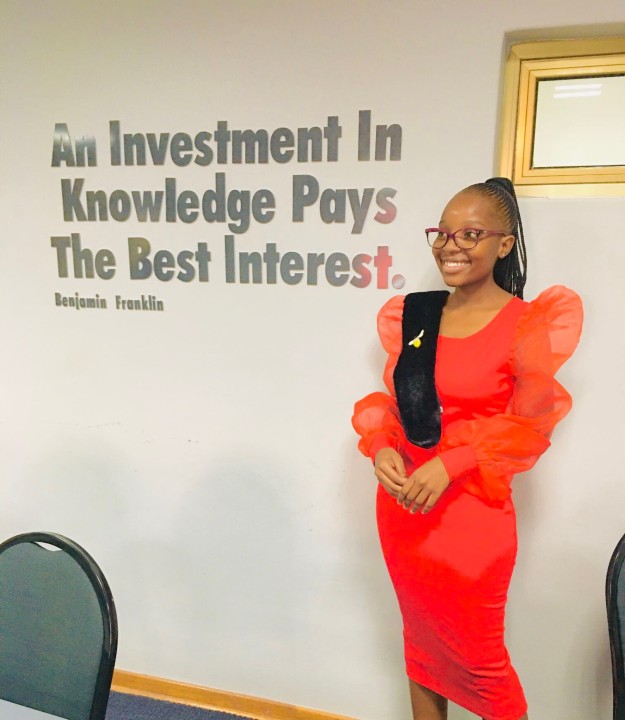
Currently, she is organizing a Fun Day for learners with special needs at a local school as part of Mental Health Awareness Month. The day will include outdoor games and activities, aimed at spreading joy, promoting inclusion, and encouraging emotional well-being among the students.
Her journey into mental health advocacy began with a simple but strong desire, to understand the human mind and help people deal with life’s challenges. This curiosity and compassion eventually grew into a deep commitment to create safe spaces where people feel heard, supported, and empowered to care for their mental health.
“I’ve always believed that mental well-being is the foundation of a healthy society. This belief inspired me to pursue counseling and to become actively involved in civic engagement and various mental health and wellness programs across Botswana.”
Koketso Nakiso Somolekae
Koketso’s time at Boitekanelo College played a big role in shaping this journey. The counselling modules gave her both academic grounding and emotional insight.
“My time at Boitekanelo College was transformative and deeply aligned with my passion for mental health. The counseling modules were thoughtfully designed, resonating strongly with my desire to understand and support others. What truly made a difference were the lecturers, who often took on roles beyond just teaching they were like mentors and parents. I want to give a special shoutout to the BC Counseling Department, led by Mr. Mosarwane. He was one of the lecturers who believed in me even when I doubted myself. His caring approach challenged me to push my limits, always encouraging me to become one of the best products of Boitekanelo College.” she says his mentorship pushed her to grow and prepared her to step confidently into the field.
She shares that the department provided her with countless opportunities to grow and learn, shaping her not just as a skilled counselor but also as a confident individual. This growth prepared her to make a meaningful impact in mental health advocacy and support.
Through the support she received, Koketso developed a clear sense of who she wants to be, a counselor and advocate who creates change by listening, showing up, and holding space for others. With her roots grounded in community, youth empowerment, and civic duty, Koketso continues to create safe, inclusive spaces where people feel heard, supported, and empowered to care for their mental well-being.
The Power of Safe Spaces: Why They Matter
Safe spaces are at the heart of Koketso Nakiso Somolekae’s mental health advocacy. For her, these spaces are places of trust, respect, and genuine connection where people can be their true selves without fear.
“Growing up, I realized many people really need safe spaces but often struggle to find them or are afraid to share important parts of themselves. This fueled my passion to create and promote safe spaces, especially for youth and marginalized groups. I believe that by filling this gap, we can encourage healing, open dialogue, and stronger mental wellness in the communities we serve.”
Koketso Nakiso Somolekae
Koketso has been part of several supportive spaces in Botswana, bringing her counseling skills and advocacy to diverse settings. She volunteered with Mebala Youth Studios, offering counseling support to people of different ages. She also led wellness sessions with the Wikimedia Community User Group Botswana, working with educators and volunteers.
Her voice has been heard on bigger platforms too: as a panelist during Botswana’s 16 Days of Activism Against Gender-Based Violence, she shared insights on supporting survivors and reducing stigma.
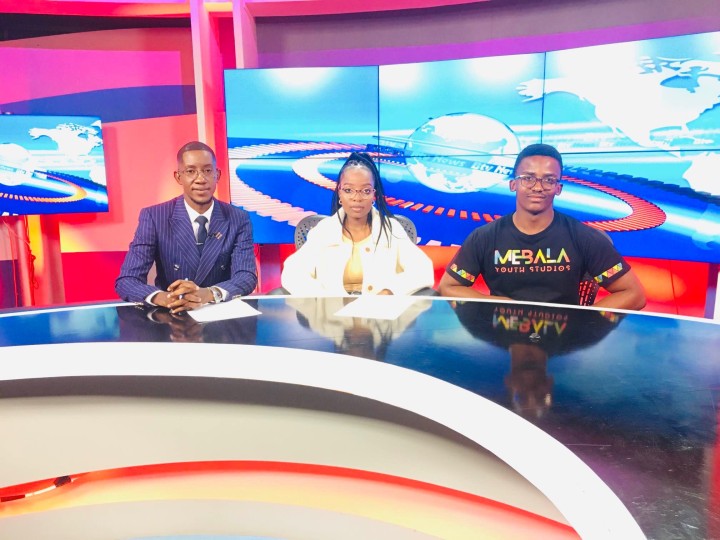
She also appeared on BTV’s Itshireletse segment alongside the Botswana Police Service, advocating for mental wellness in public safety.
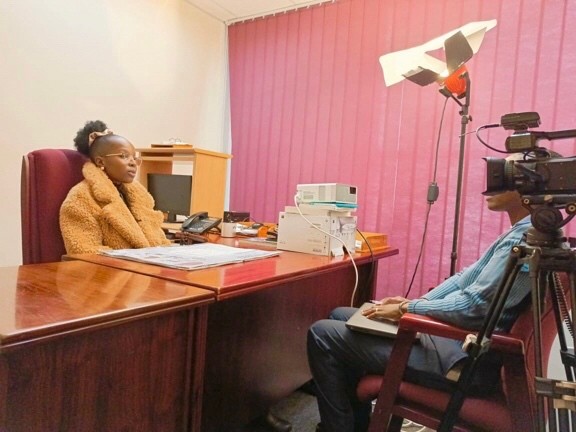
In the past, she contributed to a workshop on Loss and Damage with the Botswana Society for Human Development, addressing mental health challenges faced by nature-based tourism workers affected by climate change.
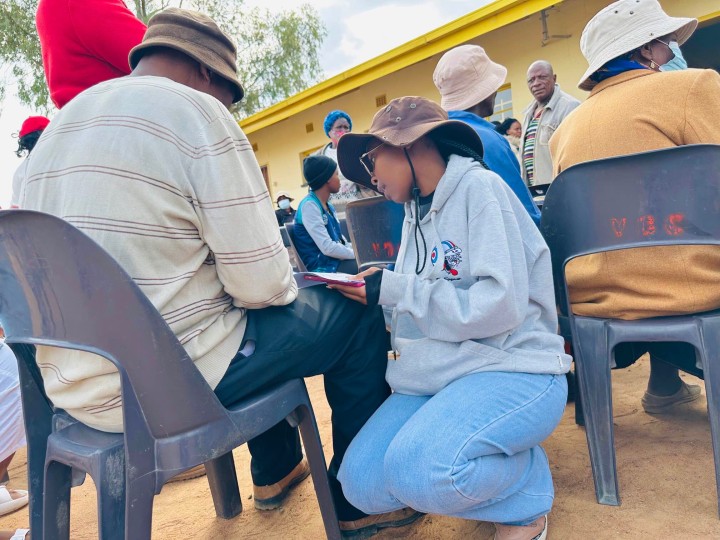
What makes a space truly safe, Koketso says, is that young people feel heard and supported without judgment. “It’s not just about comfort, it’s about freedom to be vulnerable. Many think safe spaces mean everything is easy or perfect, but really, it’s about acceptance and being met with empathy instead of shame.”
Koketso believes that many people misunderstand the idea of safe spaces, often thinking they’re just about comfort. But she emphasizes that true safe spaces are about creating the freedom to be vulnerable without fear, a place where people can be their full, honest selves and still feel supported. “What many people get wrong about safe spaces is assuming they’re only about comfort when in reality, they are about freedom to be vulnerable without fear.“
This misunderstanding often happens because society tends to reward strength and composure while discouraging open displays of pain or uncertainty. Many people, especially youth, hold back because they fear being judged, labeled, or misunderstood. Vulnerability is seen as weakness, so even when spaces claim to be supportive, people hesitate to fully open up unless they feel genuine trust, empathy, and safety.
“Too often, people hold back because they feel like they’re exposing the “dark” or broken parts of themselves. But safe spaces are about being accepted as you are, flaws and all, being met with empathy rather than shame.”
Koketso Nakiso Somolekae
This reminds me of a recent post I shared after a moment of deep reflection on how much people fear vulnerability. The post simply asked,

“When did surviving become something to be ashamed of?”
Carson Anekeya
It speaks to how we’ve been conditioned to hide our scars. Too often, people hide their pain, not because they’re weak, but because the world has taught them that vulnerability is something to fear. Which should never be the case.
Her Approach to Healing Through Expression, Art & Empathy
Koketso Nakiso Somolekae is also recognized for her unique approach to healing through art. As an Art Therapy Facilitator, she uses creativity to help others express emotions that are often hard to put into words. We asked her how art therapy shapes the way she supports emotional healing. For Koketso Nakiso Somolekae, it’s a lifeline for those who find words hard to reach. She explains that creative expression offers a safe, non-verbal way for people to release emotions and process difficult experiences.
“Through drawing, painting, or other creative methods, individuals often discover a voice they didn’t know they had. Art becomes a mirror for their inner world helping them feel seen, understood, and validated without needing to say a single word.”
Koketso Nakiso Somolekae
When asked about challenges in her work, Koketso acknowledges her luck in being supported by receptive organizations and communities so far. “Thankfully, I haven’t faced significant resistance so far. I’ve been fortunate to work with individuals, teams, and organizations that truly value mental health and understand the importance of creating supportive spaces. The environments I’ve engaged in have been receptive, collaborative, and open to the work I do.” She is realistic, understanding that resistance can arise, and prepares herself emotionally and professionally to face such moments with empathy and resilience, “Of course, I remain mindful that challenges may come, and I continuously prepare myself emotionally and professionally to navigate them with resilience, empathy, and a solutions-oriented mindset.”
Her approach centers on collaboration and staying solution-focused, always keeping the well-being of those she supports at heart.
Ripple Effect Shaping the Future
Koketso’s vision extends beyond personal healing to building a stronger, more empathetic community. She shares keen observations on recognizing emotional struggles among peers, practical advice for creating peer-led support systems, and her aspirations to shape inclusive mental health advocacy on a broader scale.
Recognizing Emotional Struggles with Sensitivity
According to Koketso, subtle signs that someone might be struggling emotionally often go unnoticed, withdrawal from social activities, sudden mood shifts, loss of interest in things once enjoyed, or changes in sleep and eating patterns. These quiet signals can speak volumes about a person’s inner state. She stresses the importance of approaching peers with empathy and respect, encouraging young people to ask simple but powerful questions like, “How can I support you right now? “This gives the person agency to define the kind of help they need,” more than offering quick fixes, she emphasizes the power of being present, listening without judgment and providing steady, caring companionship.
― Carson Anekeya
Advice for Emerging Peer Advocates
For students and recent graduates eager to start peer-led healing spaces, Koketso advises beginning with passion and purpose. “Start by identifying a specific area of mental health that you’re genuinely passionate about whether it’s anxiety, grief, trauma, or building self-esteem. Passion fuels purpose, and clarity will guide your actions. From there, be the change you want to see.” She encourages focusing on a mental health area that resonates personally, whether anxiety, grief, trauma, or self-esteem, and to start small by gathering a few committed peers. Creating a safe, consistent environment rooted in compassion and openness is key. She reminds future advocates that they don’t need all the answers; what matters most is showing up authentically and being willing to learn. “You don’t need to have all the answers; what matters most is showing up with compassion and a willingness to learn.” Collaborating with professionals or community leaders can provide valuable guidance and support. Healing spaces flourish when they are intentional, inclusive, and deeply empathetic.
Koketso Nakiso Somolekae’s Vision
Looking forward, Koketso envisions mental health initiatives that leave no one behind. She is currently working to register an NGO dedicated to supporting marginalized groups such as people with disabilities, cancer patients, tertiary students, and the unemployed, each facing unique emotional and psychological challenges. Through tailored programs and counseling, she aims to meet these needs with care and intention.
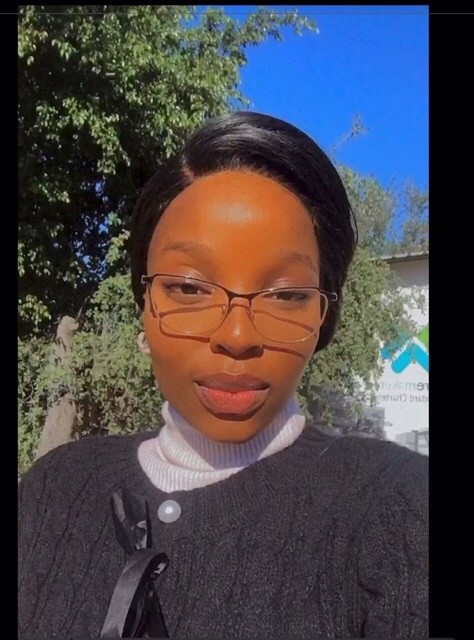
Koketso Nakiso Somolekae is open to partnerships and sponsorships from organizations that share this vision. Connect with her on LinkedIn here. She dreams of building a mentally resilient and emotionally safe society where no one feels invisible in their pain. With every circle she holds and every story she honors, Koketso plants seeds of healing that ripple through Botswana, Africa, and beyond. And in doing so, may she rise, and may her light make way for many more.

- The Rise of Suicide Posts in Digital Spaces Reflects a Growing Mental Health Crisis - February 22, 2026
- How Kenya’s Silent Lifestyle Disease Crisis Is Reshaping Public Health - February 12, 2026
- The Rise of Lifestyle Diseases Emerges as a Crisis Among Kenya’s Youth - February 9, 2026