
In recognition of Mental Health Awareness Month
Bipolar disorder is a complex mental health condition that affects approximately 45 million people worldwide. Often misunderstood and stigmatized, this disorder creates significant challenges not only for those diagnosed but also for the family members, friends, and caregivers who support them. This article aims to provide a comprehensive understanding of bipolar disorder, explore current treatment and management strategies, and highlight the often-overlooked impact on caregivers.

What is Bipolar Disorder?
Bipolar disorder, formerly known as manic-depressive illness, is a chronic mental health condition characterized by extreme mood swings that include emotional highs (mania or hypomania) and lows (depression). These shifts in mood, energy, activity levels, and the ability to carry out day-to-day tasks can dramatically affect a person’s life, relationships, and overall functioning.
Types of Bipolar Disorder
Bipolar I Disorder: Defined by manic episodes that last at least seven days or by manic symptoms so severe that immediate hospital care is needed. Depressive episodes typically last at least two weeks. Mixed episodes featuring both manic and depressive symptoms are also possible.
Bipolar II Disorder: Characterized by a pattern of depressive episodes and hypomanic episodes (less severe than full mania) without full-blown manic episodes.
Cyclothymic Disorder: Involves periods of hypomanic and depressive symptoms lasting for at least two years (one year in children and adolescents), but the symptoms don’t meet the criteria for hypomanic or depressive episodes.
Other Specified and Unspecified Bipolar and Related Disorders: These categories include bipolar disorder symptoms that don’t match the three categories listed above.

Common Symptoms
During a manic episode, a person may experience:
Feeling abnormally upbeat, jumpy, or wired, Increased energy, activity, and restlessness, exaggerated sense of well-being and self-confidence, decreased need for sleep, racing thoughts and rapid speech, poor decision-making (excessive spending, risky sexual behavior), psychosis in severe cases.
During a depressive episode, symptoms may include:
Persistent feelings of sadness, emptiness, or hopelessness, loss of interest in previously enjoyed activities, sleep disturbances (insomnia or sleeping too much), fatigue and decreased energy, changes in appetite and weight, difficulty concentrating and making decisions, thoughts of death or suicide.
Causes and Risk Factors
Genetic factors: Bipolar disorder tends to run in families, suggesting a strong genetic component. Research has identified several genes that may increase susceptibility.
Brain structure and function: Studies using brain imaging technologies show that the brains of people with bipolar disorder may differ slightly from those without the condition.
Environmental triggers: Traumatic events, significant stress, physical illness, or substantive life changes may trigger initial episodes in vulnerable individuals.
Neurochemical factors: Imbalances in neurotransmitters (particularly dopamine, serotonin, and norepinephrine) appear to play a significant role.
Is There a Cure for Bipolar Disorder?
Currently, there is no known cure for bipolar disorder. However, it’s crucial to emphasize that bipolar disorder is a highly manageable condition. With appropriate treatment, support, and self-management strategies, many people with bipolar disorder lead fulfilling, productive lives. The goal of treatment is to effectively manage mood episodes, reduce symptoms, and improve quality of life.
Management Approaches
Medication typically forms the foundation of bipolar disorder treatment:
Mood stabilizers like lithium and valproate help prevent mood swings and reduce the severity of episodes. Antipsychotics may be prescribed during acute manic episodes or as maintenance treatment. Antidepressants are sometimes used cautiously (usually alongside mood stabilizers) to treat depressive episodes. Anti-anxiety medications may be used short-term to help with anxiety or sleep problems. Finding the right medication regimen often requires patience and close collaboration with healthcare providers, as individual responses vary significantly.
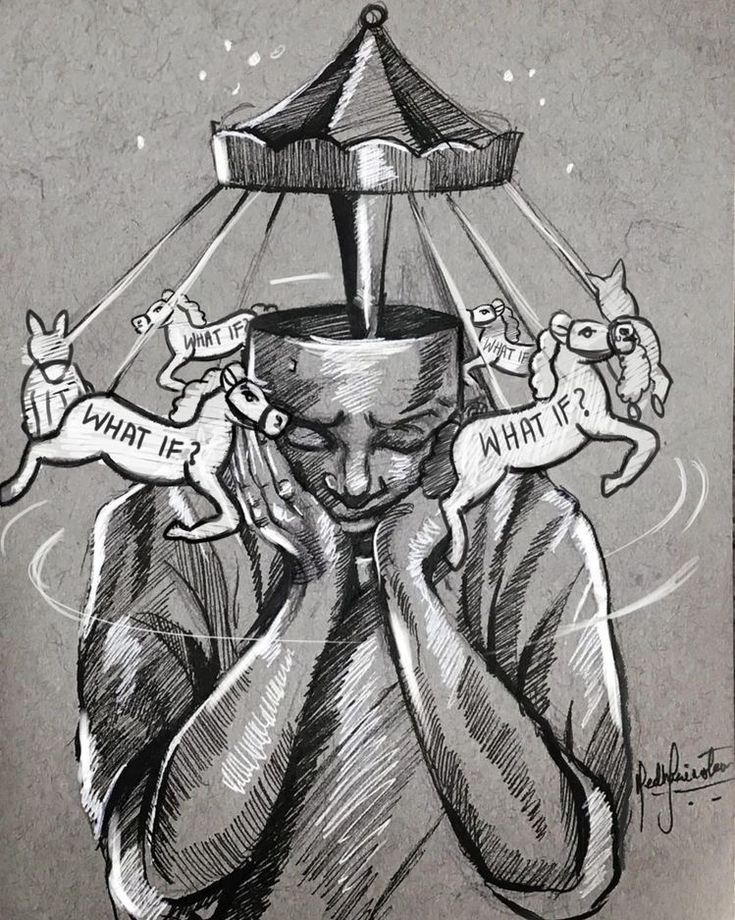
Psychotherapy.
Cognitive Behavioral Therapy (CBT) helps identify and change negative thought patterns and behaviors that may trigger or worsen mood episodes.
Interpersonal and Social Rhythm Therapy (IPSRT) focuses on stabilizing daily routines and resolving relationship problems that may trigger mood episodes.
Family-Focused Therapy involves family members to enhance family coping, improve communication, and provide education about the disorder. Psychoeducation helps individuals and families better understand bipolar disorder, recognize warning signs, and develop coping strategies.
Lifestyle Management
Consistent lifestyle habits play a crucial role in managing bipolar disorder like:
Regular sleep schedule: Maintaining regular sleep-wake cycles is particularly important, as sleep disruptions can trigger mood episodes.
Stress management: Practices such as mindfulness meditation, yoga, or other relaxation techniques can help manage stress levels.
Regular physical activity: Exercise has been shown to help stabilize mood and reduce symptoms of both depression and anxiety.
Healthy diet: While no specific diet is recommended for bipolar disorder, overall nutrition affects mental health and medication effectiveness.
Routine monitoring: Tracking moods, sleep patterns, and other symptoms helps identify early warning signs of mood episodes.
Avoiding alcohol and recreational drugs: Substance use can interact negatively with medications and trigger or worsen mood episodes.
Advanced Treatment Options
For individuals who don’t respond adequately to standard treatments, several options may be considered:
Electroconvulsive Therapy (ECT) can be highly effective for severe episodes of mania or depression, particularly when rapid response is needed.
Transcranial Magnetic Stimulation (TMS) uses magnetic fields to stimulate nerve cells in the brain and may help depression symptoms.
Ketamine and Esketamine are newer treatments showing promise for treatment-resistant depression in bipolar disorder.

The Impact on Caregivers
Caring for someone with bipolar disorder presents unique challenges that are often underrecognized. Caregivers-whether parents, spouses, children, or friends-frequently experience significant emotional, psychological, and sometimes financial strain.
Challenges Faced by Caregivers
Emotional burden: Witnessing a loved one experience extreme mood states can be emotionally exhausting and distressing.
Unpredictability: The episodic nature of bipolar disorder means caregivers may never know what to expect, creating chronic stress and anxiety.
Role adjustments: Caregivers often take on additional responsibilities during episodes, from managing finances to coordinating treatment.
Social isolation: The demands of caregiving, combined with potential stigma around mental illness, can lead to social withdrawal.
Financial strain: Medical expenses, potential loss of income (both the person with bipolar disorder and possibly the caregiver), and other costs can create financial hardship.
Relationship changes: The dynamics between the person with bipolar disorder and their caregiver can shift dramatically, particularly during mood episodes.
Secondary trauma: Witnessing self-harm, suicide attempts, or psychosis can be traumatic for caregivers.
Supporting Caregivers
Recognizing that caregivers need support in their own right is essential for the well-being of both the caregiver and the person with bipolar disorder.
Education and information: Understanding bipolar disorder, its treatments, and what to expect can help caregivers feel more empowered and less helpless.
Support groups: Connecting with others who share similar experiences provides emotional support and practical advice.
Respite care: Arranging for temporary relief from caregiving responsibilities allows caregivers to rest and recharge.
Self-care practices: Encouraging caregivers to maintain their own physical and mental health through regular exercise, adequate sleep, and relaxation techniques.
Professional support: Individual therapy or counseling can help caregivers process their emotions and develop coping strategies.
Setting boundaries: Learning to establish healthy boundaries protects caregivers from burnout while still providing necessary support.
Crisis planning: Developing clear plans for handling crises reduces anxiety and improves outcomes during emergencies.
Building a Collaborative Care Model
Research consistently shows that outcomes improve when treatment involves collaboration between healthcare providers, the person with bipolar disorder, and their caregivers. This collaborative approach might include:
Family psychoeducation: Structured education programs for both patients and families about bipolar disorder, its management, and what to expect.
Shared decision-making: Including caregivers (with the patient’s consent) in treatment discussions and decisions.
Communication strategies: Developing clear channels of communication between healthcare providers and caregivers.
Early intervention planning: Creating protocols for identifying and responding to early warning signs of mood episodes.
Recovery-oriented approaches: Focusing on strengths, personal goals, and quality of life rather than just symptom management.
Breaking the Stigma
Despite growing awareness, bipolar disorder remains stigmatized, which can prevent people from seeking help and increase the burden on both patients and caregivers. Fighting stigma involves:
Education: Correcting myths and misunderstandings about bipolar disorder.
Language: Using person-first language and avoiding terms that reduce people to their diagnosis.
Media portrayal: Challenging stereotypical or sensationalized portrayals of bipolar disorder in media.
Open dialogue: Creating safe spaces for discussing mental health challenges honestly.
Advocacy: Supporting policies that improve mental health services and protections.

Bipolar disorder presents significant challenges for those diagnosed and their caregivers, but it’s important to emphasize that effective management is possible. With appropriate treatment, support systems, and self-management strategies, people with bipolar disorder can lead stable, fulfilling lives.
Equally important is recognizing and addressing the needs of caregivers, who play a crucial but often underappreciated role in the management of bipolar disorder. By supporting caregivers through education, resources, and their own mental health services, we improve outcomes not only for them but for the people they support.
As we observe Mental Health Awareness Month, let’s commit to expanding our understanding of bipolar disorder, supporting research for better treatments, advocating for improved mental health services, and creating compassionate communities where both those with bipolar disorder and their caregivers can thrive.
Note: This article provides general information and should not replace professional medical advice. If you or someone you know is experiencing symptoms of bipolar disorder or having difficulty managing the condition, please consult with a qualified healthcare provider.

- Must-Watch Movies Releasing in 2026: Your Complete Enterta1nment Calendar. - February 11, 2026
- World Tropical Diseases Day: The Silent Suffer1ng of 1.6b Lives. - January 31, 2026
- The El Molo Tribe: Kenya’s Last Fisher People Fight1ng for Survival on Lake Turkana’s Shores - January 30, 2026
