Psychologist Wandia Wanjau, 28, is a Nairobi-based professional dedicated to mental health care, currently serving with Mending Minds Foundation. Also part-time working with Brain Psyche Merchants. Specializing in Child and Adolescent Psychology, she works to provide therapeutic support and mental health education to young people grappling with trauma and personal struggles. Alongside her professional role, she volunteered with SOS Children’s Villages International, offering emotional support to vulnerable children and families. A graduate of United States International University (USIU), Wandia combines her clinical expertise with her passion for creative writing and singing, which she often uses as tools for emotional release and storytelling.
Despite being a dedicated mental health professional, Wandia is candid about living with depression and anxiety, something many might not expect from someone in her field. This feature article centers on her story to break the myth that mental health professionals are immune to struggles. By sharing her own experience, Wandia highlights the crucial truth that even those who help others heal also need healing themselves.
When the Personal Becomes Clinical
Wandia’s journey with mental illness began long before she ever stepped into a therapy room as a professional. Her first encounter with depression came at just 15 years old, when she found herself constantly overwhelmed by low moods and frequent crying spells. Concerned, her parents sought professional help, and she was taken to see a psychiatrist, a step that quietly marked the beginning of her relationship with mental health, not only as a patient but eventually as a practitioner.
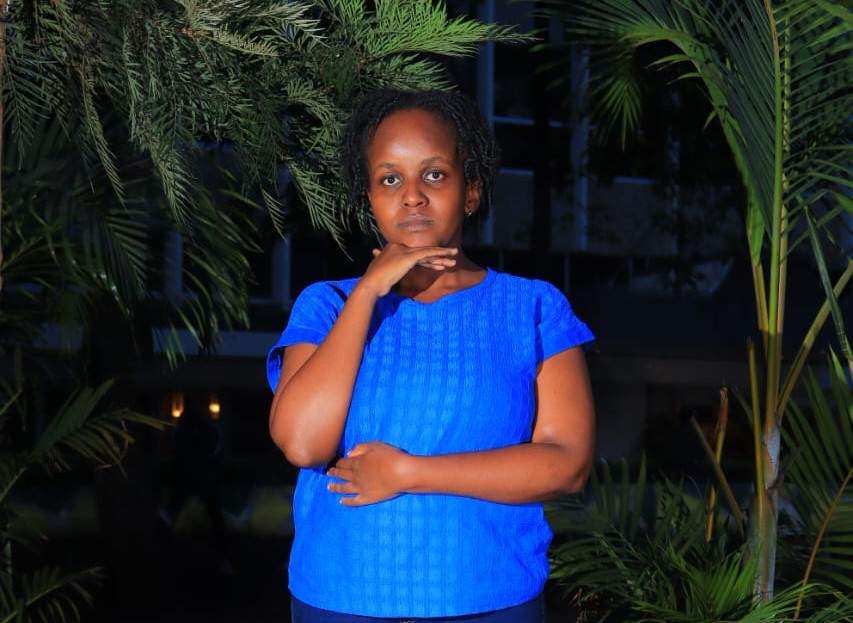
Years passed, and Wandia pursued her education, entered the professional world, and became the one others turned to for support. Later in 2024, that familiar heaviness returned, this time with deeper exhaustion, disrupted sleep, and persistent emotional turbulence. “I was crying often, my energy levels were low, and I had trouble sleeping,” she recalls. These signs pushed her to seek psychiatric support once again. It was then that she received a formal diagnosis of depression and anxiety.
For Wandia, the diagnosis brought both clarity and contradiction. Here she was, a trained psychologist, offering coping strategies to others, now confronting the very terrain she had studied.
“Honestly, it was humbling. It made me realise that no matter how much you understand the theory, it doesn’t shield you from actually going through it.”
Psychologist Wandia Wanjau
One thing Wandia emphasizes with deep conviction is this: knowing the theory doesn’t exempt you from the reality. It’s a truth she believes more people, especially those within the mental health space need to acknowledge. As professionals, there’s often silent pressure to remain composed, to always be the helper. But Wandia challenges this narrative, urging fellow practitioners to regularly check in with themselves, to acknowledge their own emotional burdens, and seek support when needed. She also calls on the public to look out for mental health professionals too, not just as service providers, but as human beings. “We’re trained to hold others, yes,” she says, “but sometimes we may be silently breaking while doing it.”
Her experience serves as a powerful reminder that mental illness doesn’t discriminate. It can touch anyone, regardless of knowledge, training, or title. And for Wandia, it deepened her empathy as a bridge to connect more honestly with those she serves.
Holding Space While Needing It Too
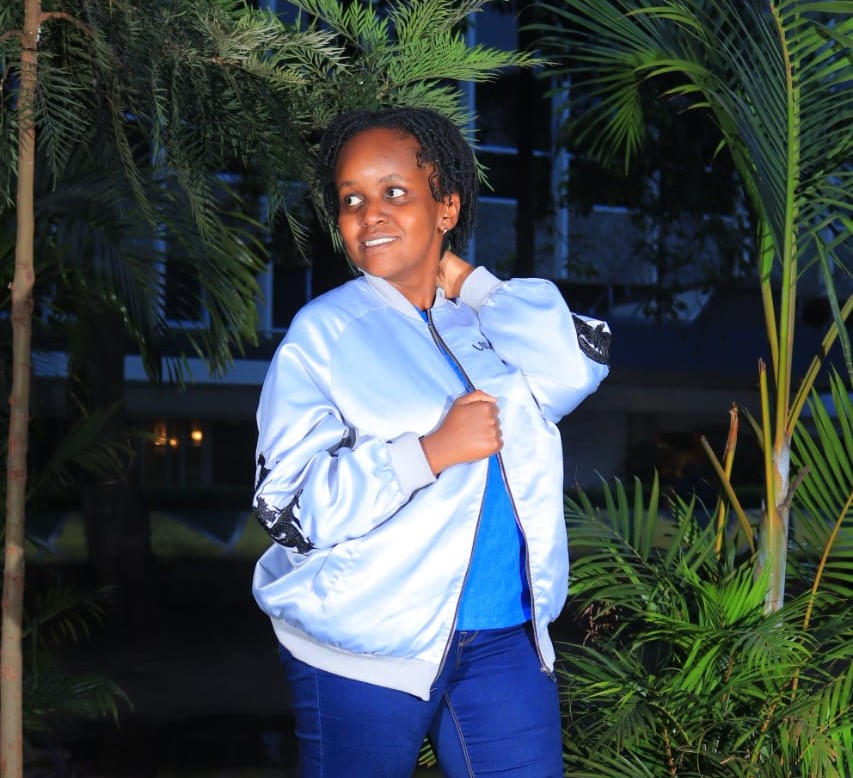
Being a therapist who also lives with mental illness is a quiet paradox, one that Wandia Wanjau lives through with both intention and vulnerability. While society often places mental health professionals on a pedestal of constant strength, Wandia reminds us that therapists, too, carry wounds. “I go for personal therapy sessions,” she shares candidly, noting that healing is not something she simply recommends, it’s something she actively practices. Her personal toolbox includes journaling, meditation, exercise, and confiding in trusted friends and family members. These are lifelines that allow her to refill her cup in a profession that constantly asks her to pour into others.
Though she is currently taking a break from active practice, Wandia is learning to draw clear lines between her professional responsibilities and personal healing. When she resumes, she plans to limit her client hours and prioritize rest, especially during evenings and weekends. “I’ve learned that boundaries are not barriers,” she explains, “they’re bridges back to myself.”
For Wandia, balance isn’t about perfection, it’s about presence. Knowing when to show up for others, and when to turn inward and tend to her own needs. Her story reflects a larger truth many professionals often shy away from: you can be a healer and still need healing, and that doesn’t make you less capable, it makes you more human.
Therapists Are Human Too: The Myths We Must Unlearn
In one of the most powerful truths she shares, Wandia Wanjau urges the world to rethink its assumptions: Being a mental health professional living with mental illness does not mean that they are immune to stress or life’s challenges.
“I wish that people would understand that being a mental health professional does not mean that we are immune to stress or life’s challenges.”
Psychologist Wandia Wanjau
The world often sees therapists as endlessly composed, immune to emotional turbulence, and fully equipped to deal with anything life throws their way. But Wandia reminds us that the title of ‘psychologist’ doesn’t grant invincibility. It grants knowledge, yes, but not immunity. Mental illness does not discriminate based on profession, and even those trained to hold space for others sometimes need space held for them too.
The danger of this myth is, it’s systemic. When we assume that mental health professionals don’t struggle, we create a culture where they feel pressure to suffer in silence, ashamed to seek help for fear of appearing “unfit” or “unwell.” Wandia’s honesty punctures that silence. She calls for a new norm, one where we understand that mental health workers are not machines but human beings who process grief, trauma, exhaustion, and breakdowns like anyone else. Acknowledging this doesn’t diminish their professionalism, it deepens their empathy and strengthens their capacity to serve.
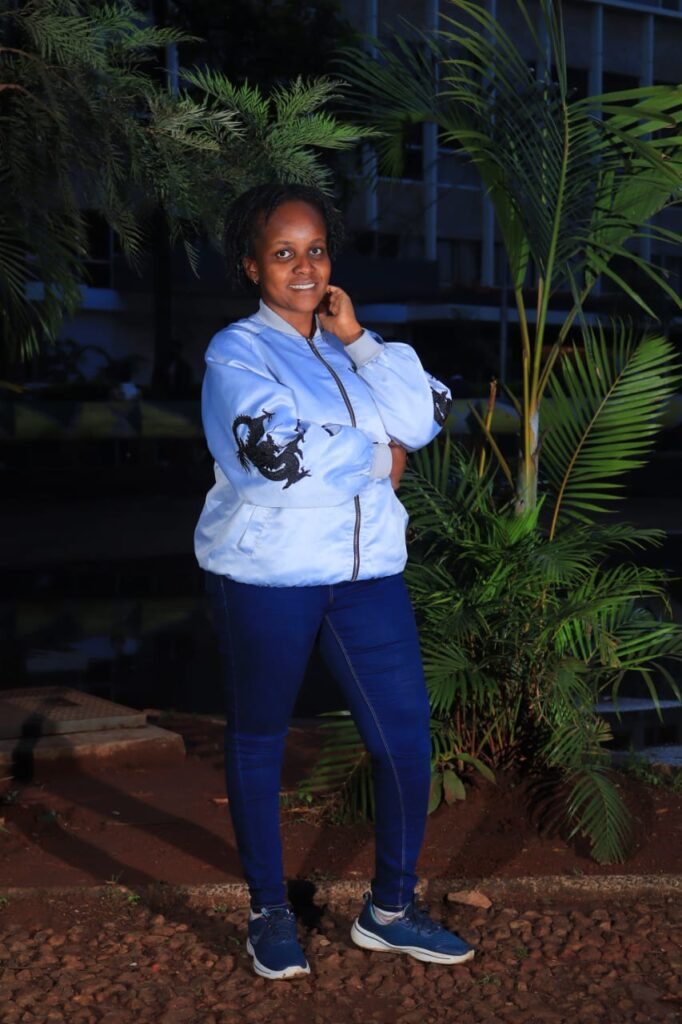
By naming her truth publicly, she opens a door for others in the profession to do the same. She encourages us all, whether clients, colleagues, or community members, to hold space for the healers, to check in on the counselors, and to treat mental health professionals not as flawless guides but as fellow travelers. Her story invites us to unlearn the myths we’ve inherited and to replace them with something more compassionate, more honest, and more human.
Wandia reminds us when one voice rises in truth, it gives others permission to do the same. In her sharing, may others rise.

- The Rise of Suicide Posts in Digital Spaces Reflects a Growing Mental Health Crisis - February 22, 2026
- How Kenya’s Silent Lifestyle Disease Crisis Is Reshaping Public Health - February 12, 2026
- The Rise of Lifestyle Diseases Emerges as a Crisis Among Kenya’s Youth - February 9, 2026