The Rise of Step Counting Culture
In the evolving space of digital health, fitness tracking has emerged as an important innovation, revolutionizing how individuals monitor their physical activity. At the heart of this movement are pedometers and step counters, which have transformed daily exercise into a quantifiable, goal-oriented pursuit.
In the past two decades, fitness tracking has evolved from a niche interest to a mainstream phenomenon. The earliest pedometers date back to the 1960s, but the real revolution began with digital fitness trackers and smartphone apps. Fitbit, founded in 2007, was among the first to introduce step tracking as a core feature, followed by apps like Google Fit, Accupedo Pedometer, and Map My Walk. By the early 2010s, step counting became a widely embraced fitness trend, fueled by the growing popularity of smartphones and wearable technology. In Kenya, apps like StepsUp have gained traction recently, making fitness tracking more accessible to local users.
, Step Counter and Walking Tracker
The appeal of step tracking lies in its gamification of physical activity. Apps like Pacer Pedometer & Step Tracker, StepsApp, and Fitbit encourage users to hit daily step goals, rewarding them with streaks, badges, and competitive leaderboards. This digital motivation transforms movement into a game, pushing users to walk more, compete with friends, and develop healthier habits. Many find joy in setting new personal records or reaching community-based milestones, reinforcing consistency through visual progress tracking.
However, the rise of obsessive step tracking has also introduced unintended consequences. For some users, the focus shifts from overall well-being to rigid step goals, leading to stress, guilt, and even compulsive walking behaviors. The pressure to maintain streaks can overshadow the importance of rest and recovery, potentially contributing to burnout or physical strain. While step tracking can be a powerful tool for motivation, its psychological impact warrants careful consideration.
Psychological & Behavioral Consequences of Step Counter Syndrome
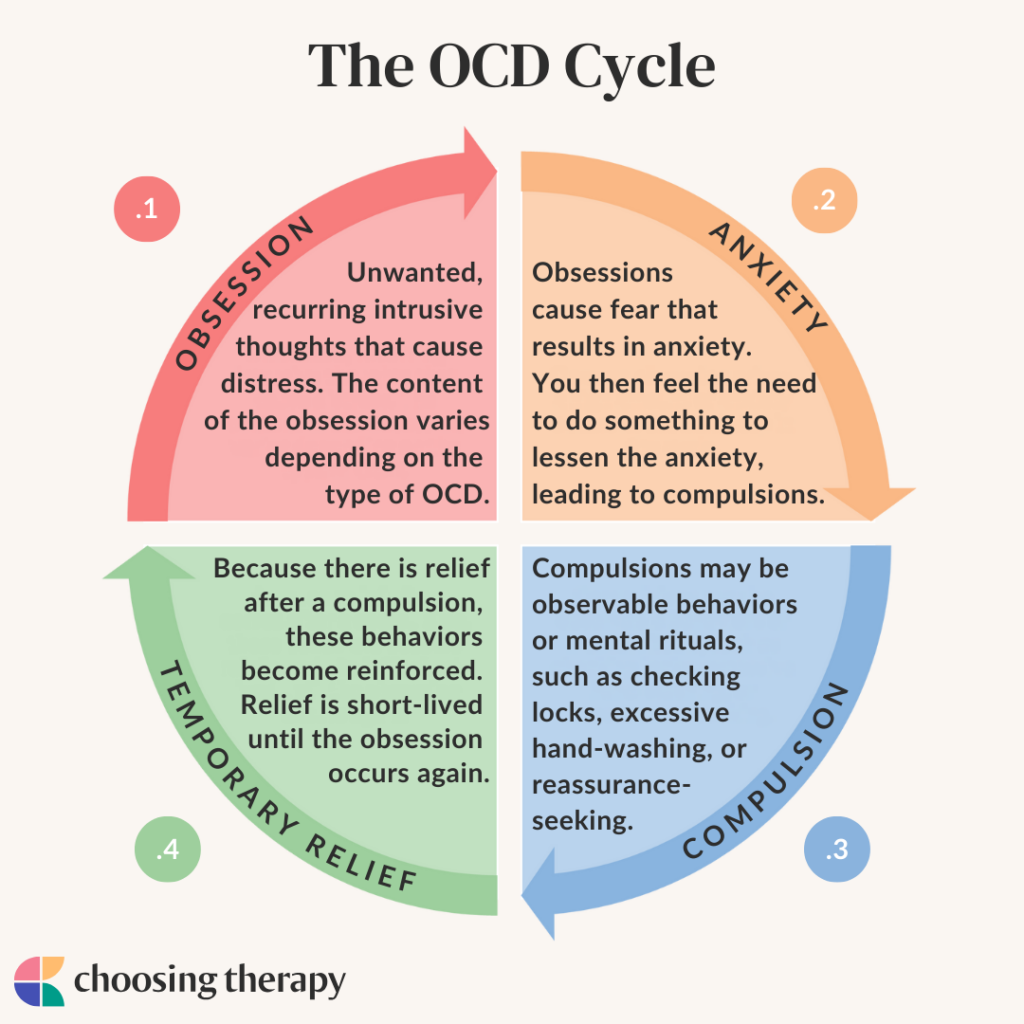
Step counting, while beneficial for promoting physical activity, can also lead to psychological stress when taken to extremes. One such issue is exercise anxiety, where individuals feel guilt, distress, or even panic when they fail to meet their daily step goals. This behavior mirrors elements of Obsessive-Compulsive Disorder (OCD), where an individual becomes fixated on a specific routine or ritual such as hitting 10,000 steps, leading to feelings of failure or self-criticism when unable to achieve it. This phenomenon aligns with the psychological concept of negative reinforcement, where avoiding the discomfort of “failing” a step goal reinforces compulsive behaviors, making the habit more rigid and anxiety-inducing over time.
Another concerning aspect is dopamine dependence, where individuals become addicted to the digital rewards of fitness apps such as badges, streaks, and social recognition. Dopamine, the neurotransmitter associated with pleasure and motivation, is released when people achieve step milestones, creating a cycle of reward-seeking behavior. This effect is heightened by social media, where users share their step counts in competitive environments, further reinforcing the need to “outperform” others. However, when a person stops using a fitness tracker, they may experience a form of digital withdrawal, leading to a sudden drop in motivation and a sense of emptiness without the external validation and rewards.
Over-reliance on step counts can also contribute to disordered exercise and Overtraining Syndrome (OTS), where individuals push their bodies beyond healthy limits in pursuit of arbitrary step goals. This can lead to exhaustion, chronic fatigue, and even physical injuries such as stress fractures, tendonitis, and joint strain. The excessive focus on steps may overshadow other important aspects of fitness, such as strength training, flexibility, and proper rest. In extreme cases, it can contribute to unhealthy relationships with exercise, where people ignore their body’s signals for rest, prioritize movement over social or professional commitments, or develop compulsive behaviors that resemble exercise addiction.
Social & Lifestyle Consequences
One of the most noticeable effects of step counter obsession is the “Walking at All Costs” mentality. Individuals fixated on hitting their step goals may prioritize movement over real-life activities, skipping social events, pacing indoors late at night, or taking unnecessary walks in unsafe conditions just to maintain their streak. This behavior can lead to isolation and a rigid lifestyle where social interactions, relaxation, and spontaneity take a backseat to an arbitrary number. Instead of enhancing well-being, step tracking can become an unhealthy compulsion, dictating daily routines and decisions in a way that disrupts normal life.
Another social downside is step shaming and peer pressure fueled by competitive leaderboards and social media tracking. Many fitness apps encourage users to compare their steps with friends, colleagues, or online communities, creating a toxic fitness culture where those with lower step counts feel inadequate or judged. This pressure can lead to unhealthy comparisons, where individuals push themselves beyond their limits to keep up, fearing embarrassment or criticism. Rather than promoting a positive approach to movement, excessive competition can cause stress, guilt, and even resentment, making fitness feel like an obligation rather than an enjoyable part of life.
Walking is an excellent form of exercise, but relying solely on step counts ignores other crucial aspects of fitness, such as strength training, flexibility, mobility, and cardiovascular conditioning. Over-focusing on steps can lead individuals to neglect proper rest, nutrition, and muscle recovery, increasing the risk of injury and imbalance. True health is about overall well-being, incorporating diverse workouts, mindful eating, and adequate recovery rather than chasing a single number that does not define overall fitness.
Physical Health Risks of Overtracking
While step counting promotes movement, excessive tracking can lead to serious injury risks. Walking thousands of steps daily without proper recovery or footwear can cause stress fractures, shin splints, tendonitis, and joint issues, particularly in the knees and ankles. The repetitive nature of walking, especially on hard surfaces, increases strain on the body, making injuries more likely when steps are prioritized over proper movement mechanics. Individuals who push themselves to extreme step goals may also develop chronic inflammation, reducing their ability to engage in other forms of exercise or daily activities without discomfort.
Another major concern is ignoring the body’s signals. Step tracker users often feel compelled to maintain streaks or meet daily targets, even when experiencing fatigue, muscle soreness, or injury. This mindset encourages people to push through pain rather than rest, increasing the risk of long-term damage. Over time, neglecting the body’s need for recovery can weaken muscles, lead to burnout, and diminish overall fitness. Walking should support well-being, but when step tracking becomes an obsession, it can override natural cues for rest and self-care.
Perhaps the biggest misconception of step tracking is the false sense of fitness it creates. Many users believe that hitting a certain number of steps (10,000) equates to overall health, but movement alone isn’t enough for true wellness. Walking is a great low-impact activity, but it doesn’t replace the benefits of strength training, flexibility work, or cardiovascular conditioning. Relying solely on step counts can lead to a one-dimensional approach to fitness, where individuals mistakenly believe they are in peak health while neglecting other essential components like muscle strength, endurance, and balanced nutrition.
The Role of Fitness Tech in Driving This
Fitness tracking apps and wearable technology have played a major role in fueling the rise of Step Counter Syndrome. While these tools were designed to promote physical activity, they also encourage compulsive tracking through features that prioritize engagement over well-being. Step tracking apps like StepUp, Fitbit, Google Fit, and StepsApp are built to keep users hooked, often using streaks, daily goals, and push notifications to drive continuous usage. While this may be good for the companies behind these apps, keeping users engaged and invested, it can lead to unhealthy behaviors when people become fixated on their numbers rather than overall health.
One of the biggest ways fitness tech manipulates users is through gamification. Many apps reward users with badges, streaks, and progress charts, leveraging psychological principles like variable reward schedules to encourage compulsive behavior. This taps into the brain’s dopamine response, where the anticipation of rewards makes users feel accomplished, driving them to keep chasing goals, even at the cost of their well-being. Over time, this can create dependency, where users feel pressured to maintain their streaks, not out of genuine fitness motivation, but due to fear of “losing progress.”
Another major flaw in fitness tech is the 10,000 steps myth. Many apps set this as the default daily goal, but research has shown that this number is arbitrary. According to Dr. I-Min Lee, an epidemiologist at Harvard Medical School, the notion of 10,000-step target originated originated from a 1965 Japanese marketing campaign for a pedometer named “Manpo-kei,” which translates to “10,000 steps meter.” This target was not based on scientific research but was a marketing strategy.
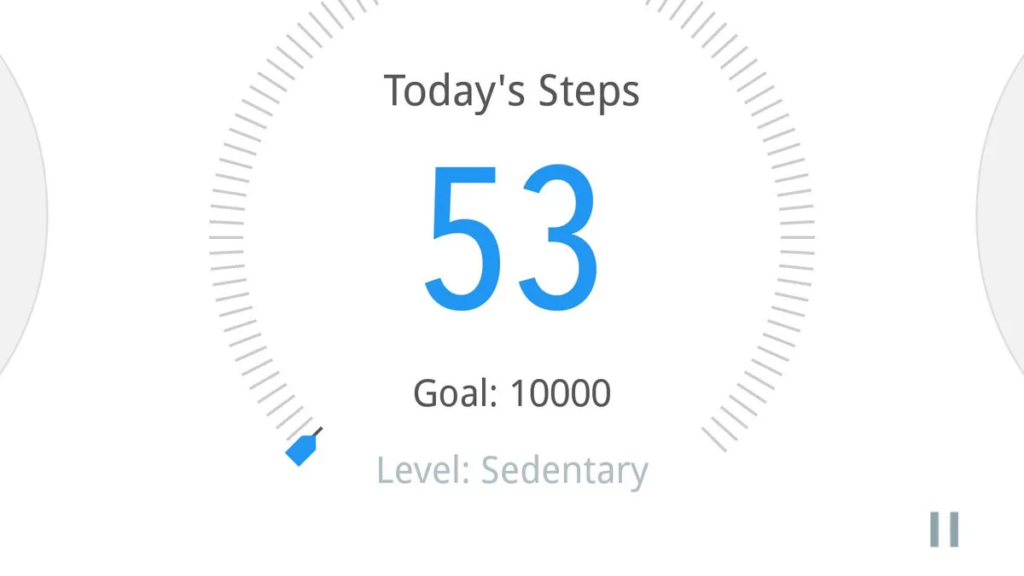
Studies have since found that health benefits can be achieved with fewer steps, a study published in JAMA Internal Medicine in 2019 found that as few as 7,500 steps per day significantly lowered mortality risk. The findings indicated that taking as few as 4,400 steps per day was significantly associated with a lower risk of death compared to 2,700 steps per day. The benefits increased with more steps but plateaued around 7,500 steps per day. Yet, fitness apps continue pushing 10,000 steps as a universal goal, reinforcing an unnecessary pressure to meet an artificial benchmark.
AI-powered algorithms in fitness apps also contribute to algorithm-driven obsession. These apps use data-driven nudges such as reminders, streak warnings, and “just a few more steps” notifications to push users toward constant movement. While intended to promote consistency, these notifications often override individual needs, encouraging users to prioritize arbitrary targets over their body’s natural rhythms. This AI-driven pressure makes people feel like they are being “watched” by their devices, reinforcing a sense of accountability that can quickly become unhealthy.
Using Fitness Trackers Without Letting Them Control You
While fitness trackers can be useful tools for promoting an active lifestyle, it’s essential to use them in a way that enhances well-being rather than dictating it. One way to achieve this is by embracing mindful movement over obsessive tracking. Instead of fixating on hitting a specific number of steps each day, individuals can focus on how movement makes them feel, whether it’s a brisk morning walk, stretching, or dancing. Intuitive movement allows people to enjoy exercise without the pressure of digital validation, making fitness a sustainable and enjoyable habit rather than a rigid obligation.
Taking tech-free days or practicing a digital detox can also help break the cycle of compulsive tracking. Occasional breaks from step counters and fitness apps can reduce anxiety and restore a natural relationship with exercise. Research suggests that stepping away from technology periodically can improve mental well-being, allowing individuals to listen to their bodies rather than external metrics. By setting aside specific days to exercise without a tracker, whether it’s yoga, swimming, or simply a walk without checking step counts, people can regain control over their fitness habits.
It’s also important to reflect on why you use a fitness tracker. If step counting starts to cause stress, anxiety, or guilt, it may be time to adjust your approach. Ask yourself whether your tracker is enhancing your motivation or becoming a source of pressure. If the latter is true, consider setting more flexible goals, limiting social comparisons, or even taking breaks from tracking altogether. Fitness should be about feeling good and improving overall well-being not about obsessing over numbers.
From my perspective, the goal isn’t to quit using fitness trackers but to use them mindfully so they support health rather than control it. Fitness trackers aren’t the problem, it’s how we use them that matters. These tools can be valuable when used with awareness, helping us stay active and accountable. However, they should never dictate our well-being or override our body’s natural signals. If you use a fitness tracker, I urge you to listen to your body first, don’t push through pain just to maintain a streak, and don’t let numbers define your success. Use fitness trackers wisely, but never at the expense of your physical and mental well-being.

- The Rise of Suicide Posts in Digital Spaces Reflects a Growing Mental Health Crisis - February 22, 2026
- How Kenya’s Silent Lifestyle Disease Crisis Is Reshaping Public Health - February 12, 2026
- The Rise of Lifestyle Diseases Emerges as a Crisis Among Kenya’s Youth - February 9, 2026