So, you think having more choices makes life easier? Think again.
The Illusion of Freedom in Endless Choices
Imagine this: You finally have some free time to unwind and decide to watch a movie. You open Netflix, Prime Video, or Disney+, or whichever streaming service you use, only to be met with endless rows of recommendations, trending titles, critically acclaimed films, and hidden gems you’ve never heard of. You start scrolling, reading reviews, and adding movies to your watchlist, but instead of feeling excited, you feel stuck.
Do you go for an award-winning drama? A mind-bending thriller? Something lighthearted? Thirty minutes pass, and you’re still deciding. By the time you settle on something, you’re mentally drained, maybe even regretting your choice “Was that really the best option?“
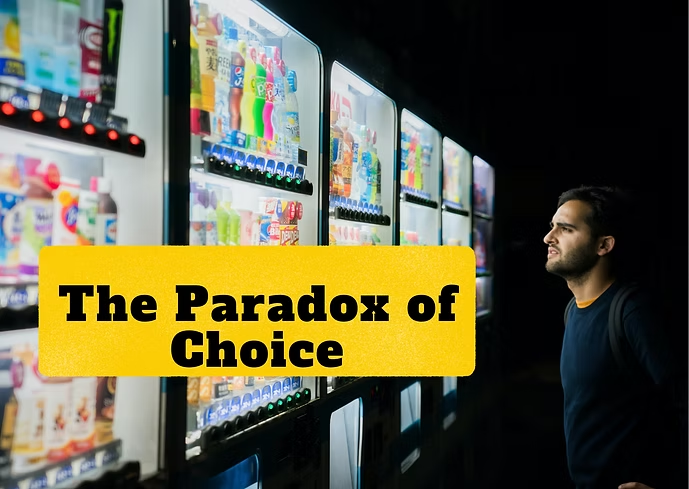
This is the paradox of choice, a concept coined by psychologist Barry Schwartz. While we’ve been led to believe that more options mean more freedom, research suggests otherwise. Instead of empowering us, too many choices often leave us feeling anxious, mentally drained, and dissatisfied, a phenomenon deeply linked to decision fatigue, regret, and even mental health struggles like anxiety and depression.
~ Carson Anekeya
Why More Choices Create More Anxiety
1. Cognitive Overload
Our brains are wired to process a limited amount of information at a time. When faced with an overwhelming number of choices, our cognitive resources become stretched thin, leading to mental fatigue and stress. The prefrontal cortex, the part of the brain responsible for decision-making, struggles to weigh too many options, making even simple choices feel exhausting. This mental overload can trigger frustration, procrastination, and, in extreme cases, avoidance altogether.
2. Fear of Missing Out (FOMO) – The Anxiety of “What If?”
Every choice we make inherently means rejecting all other possibilities. This creates a psychological burden known as opportunity cost, constantly wondering if the option we didn’t choose would have been better. In today’s hyper-connected world, where social media shows us curated glimpses of other people’s “better” choices, whether it’s a job, a vacation, or a lifestyle, the fear of missing out can spiral into chronic dissatisfaction and even anxiety.
3. Decision Fatigue
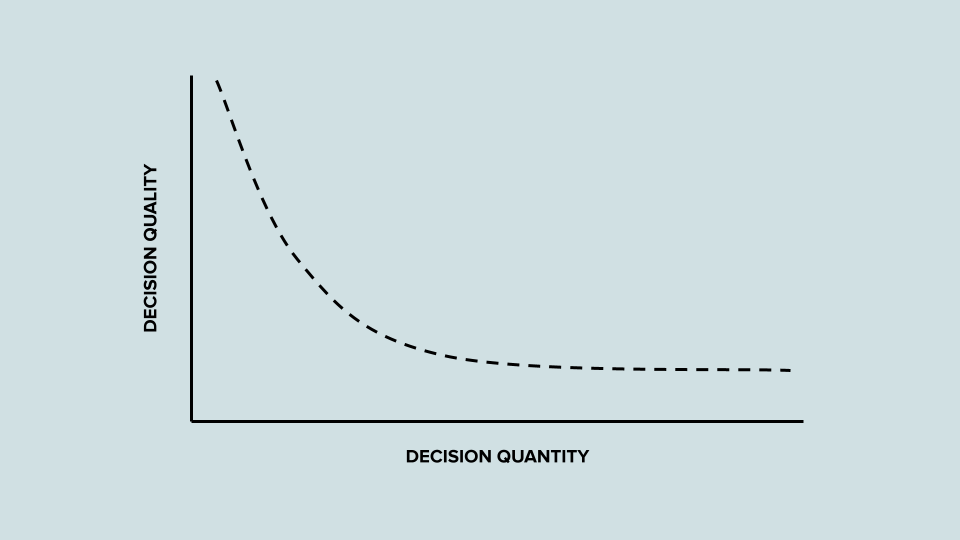
The more decisions we make in a day, the harder it becomes to make good ones. Decision fatigue is a well-documented phenomenon where the mental energy required for choices depletes over time, leading to impulsive or avoidant behavior. This is why after a long day of making decisions at work, even picking what to eat for dinner can feel overwhelming. Over time, this mental strain contributes to stress, burnout, and emotional exhaustion.
4. Perfectionism and Self-Blame – The Trap of the “Right” Choice
In a culture that glorifies success and optimization, many people feel pressure to make the “perfect” choice in every aspect of life. The problem? Perfection is an illusion. Yet, the fear of making the “wrong” decision can lead to paralysis, overthinking, and harsh self-criticism. When things don’t turn out as expected, people often blame themselves, which can fuel anxiety, self-doubt, and even depressive tendencies. Instead of feeling empowered, they become trapped in an endless loop of “what ifs.”
The Science Behind the Paradox of Choice
Psychologists Sheena Iyengar and Mark Lepper conducted a famous study known as the Jam Experiment, which revealed a startling insight: when shoppers were presented with 24 different jam flavors, they were far less likely to make a purchase than those who only had 6 flavors to choose from. Moreover, those who had fewer options reported higher satisfaction with their choice.
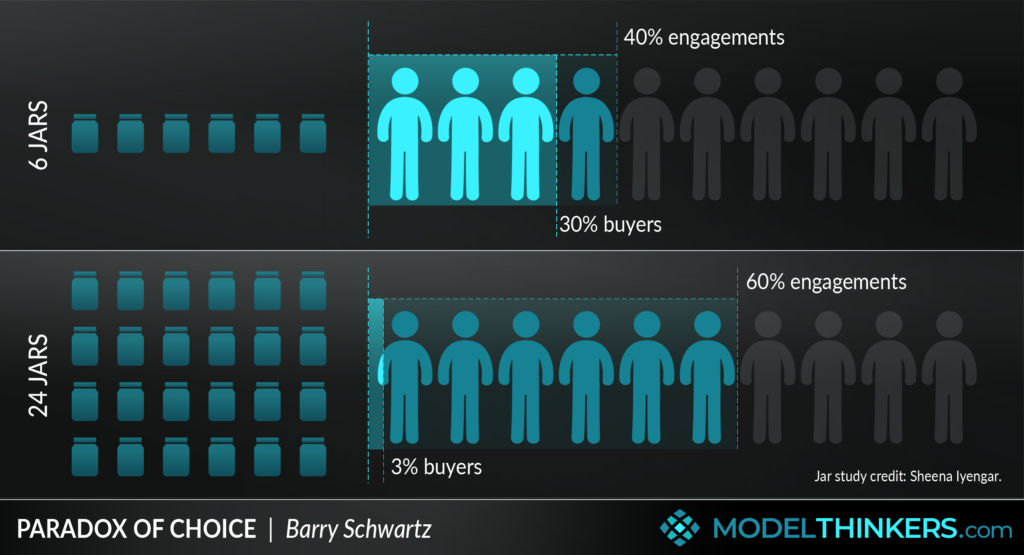
This study underscores a psychological principle called choice overload, when presented with too many options, our brains struggle to process the differences, leading to hesitation, frustration, and ultimately, dissatisfaction. Instead of feeling empowered, we feel burdened by the responsibility of making the “right” decision.
From a neuroscientific perspective, the human brain has limited processing capacity, particularly in the prefrontal cortex, which governs decision-making. When we are overloaded with choices, our cognitive system becomes overwhelmed, leading to mental fatigue and indecision. This phenomenon is closely related to working memory limitations, our brains can only hold and compare a few pieces of information at a time before becoming overstimulated. As the number of options increases, our ability to make a rational, satisfying decision diminishes, often resulting in analysis paralysis, where we avoid making a choice altogether or make one impulsively just to escape the stress.
On a neurochemical level, the anticipation of making the “best” choice triggers dopamine release, the brain’s feel-good neurotransmitter. However, uncertainty disrupts this process, when we fear making the wrong choice, dopamine levels fluctuate, leading to restlessness, anxiety, and second-guessing. This explains why even after choosing something, be it a movie, a restaurant, or a job, we may still wonder whether we could have picked something better. The chronic dissatisfaction fueled by excessive choices is a neurobiological response that can contribute to stress, anxiety, and overall mental exhaustion.
Real-Life Examples of Choice Overload
1. Dating Apps – The Paradox of Unlimited Options
Modern dating apps like Tinder, Bumble, and Hinge offer seemingly endless choices, allowing users to swipe through hundreds of potential partners in minutes. While this should increase the chances of finding a compatible match, research suggests it does the opposite. The abundance of options leads to “swipe fatigue“, where people struggle to commit because they always wonder if someone better is just one swipe away. This creates a cycle of indecision, dissatisfaction, and emotional burnout, making dating more exhausting than exciting.

2. Online Shopping – The Anxiety of Too Many Choices
Have you ever tried buying a simple item, like a pair of headphones, only to get lost in hundreds of brands, models, and price points? Online shopping platforms like Amazon bombard users with endless variations, from different features to customer reviews, making the process overwhelming. Studies show that too many choices often lead to abandoned carts, as buyers feel mentally drained from comparing options or fear they’ll regret their decision. Instead of feeling empowered, they feel stuck in a loop of second-guessing.
3. Career and Education Decisions – The Fear of the “Wrong” Path
With access to global job markets, online courses, and diverse career options, people today have more choices than ever. While this should be exciting, it often creates paralysis and anxiety, the fear of choosing the “wrong” career path or regretting a missed opportunity. Many individuals feel pressured to find the “perfect” job, degree, or life plan, leading to chronic stress, imposter syndrome, and even decision avoidance, where they delay or refuse to make a choice out of fear of failure.
4. Streaming Services – The Endless Scroll Problem
With platforms like Netflix, Hulu, and Disney+, people spend more time scrolling than actually watching. The vast selection, combined with curated algorithms, creates decision paralysis, instead of enjoying a show, users feel pressure to pick the “best” option. Research shows that too many options lead to dissatisfaction because even after choosing a movie, viewers often wonder, Was there something better I could have watched? This can turn relaxation into a mentally draining experience.
5. Social Media and Content Consumption – Information Overload
Scrolling through social media bombards us with endless content, news, opinions, and entertainment options, making it harder to focus on any one thing. This phenomenon, known as information overload, can increase stress, anxiety, and attention fatigue. Instead of engaging deeply with content, people often skim headlines, doomscroll, or feel overwhelmed by the sheer volume of information. The result? A constant state of distraction and dissatisfaction, making it harder to feel present and at ease.
These five examples are just a glimpse into the many ways choice overload affects our daily lives. From picking a playlist to choosing a fitness plan, we constantly face an overwhelming number of options.
How to Escape the Choice Trap
The Power of Constraints – Less is More
One of the simplest ways to reduce decision fatigue is by limiting choices. Studies show that when people have fewer options, they feel less anxious and more satisfied with their decisions. This helps to avoid wasting mental energy on trivial choices. By setting boundaries on the number of options we allow ourselves, we free up mental space for what truly matters.
Satisficing vs. Maximizing – Embracing “Good Enough”
Psychologist Herbert Simon coined the term satisficing, which means choosing an option that is “good enough” rather than obsessing over the absolute best. Satisficing is a form of decision making where individuals choose the acceptable option, rather than the optimal one. Maximizers, who endlessly search for the perfect choice, often experience higher levels of regret, stress, and dissatisfaction. In contrast, satisficers make decisions more efficiently and feel happier with their choices. Instead of endlessly comparing, try asking yourself, Is this option good enough for my needs? and move forward with confidence.
Setting Personal Priorities – Focus on What Truly Matters
Not all choices deserve equal weight. By identifying our core values and priorities, we can filter out unnecessary decisions and focus on what aligns with our goals. For example, if you value health, you might limit your grocery choices to nutritious foods, making meal decisions easier. Similarly, if you prioritize financial stability, you can set spending rules to avoid agonizing over every purchase. Having clear priorities makes choices simpler, faster, and less stressful.
The Role of Habit and Routine – Automate Small Decisions
Every decision we make drains our mental energy. That’s why developing habits and routines can help reduce choice overload. When we automate small, repetitive decisions, like what to wear, when to exercise, or how to structure our mornings, we free up cognitive resources for more important tasks. This is why routines are powerful; they remove the mental strain of constant decision-making, leading to greater mental clarity and emotional well-being.
In a world where we’re constantly told that more choices equal more freedom, it’s easy to fall into the trap of overthinking every decision. But real freedom isn’t about having endless options, it’s about feeling at peace with the ones we make. The pressure to always pick the best can leave us stuck in a cycle of doubt and regret, making even simple decisions feel exhausting. But what if we let go of the need for perfection and just trusted ourselves a little more? Sometimes, good enough is truly good enough.
So here’s a challenge: Instead of stressing over the “perfect” option, focus on what works well enough for you. Set some boundaries, simplify where you can, and stop letting small choices drain your energy. The next time you find yourself overanalyzing a choice, pause and ask: Does this work well enough for me?

- The Rise of Suicide Posts in Digital Spaces Reflects a Growing Mental Health Crisis - February 22, 2026
- How Kenya’s Silent Lifestyle Disease Crisis Is Reshaping Public Health - February 12, 2026
- The Rise of Lifestyle Diseases Emerges as a Crisis Among Kenya’s Youth - February 9, 2026