The kidneys are among the body’s most hardworking organs, filtering about 50 gallons of blood daily to remove waste, excess fluids, and toxins. These bean-shaped powerhouses keep our internal environment clean, balancing electrolytes, regulating blood pressure, and ensuring we stay healthy. But like any delicate filtration system, they are vulnerable, especially to the very substances meant to heal us. For individuals on dialysis treatment, whose kidney function is already compromised, exposure to certain drugs can further complicate their condition, making careful medication management very critical.
Medications are designed to treat diseases, relieve pain, and save lives, yet some of them can quietly damage the very organs that help eliminate toxins from the body. This refers to drug-induced nephrotoxicity, a condition where drugs, instead of healing, become a silent threat to kidney health. The kidneys are responsible for filtering medications from the bloodstream, but some drugs, especially when taken in high doses or over long periods, can overwhelm these delicate organs.
The cruel irony is that many of these drugs are available over the counter, leading people to assume they are completely safe. Worse still, kidney damage is often gradual and silent, meaning that by the time symptoms appear, the harm is already extensive. The very medicines that people rely on for relief from infections, inflammation, or chronic conditions can, in some cases, push the kidneys toward failure.
There are several ways this can happen:
- Direct Toxicity – Some drugs, like nonsteroidal anti-inflammatory drugs (NSAIDs) and certain antibiotics, damage kidney cells, reducing their ability to function.
- Reduced Blood Flow to the Kidneys – Medications that constrict blood vessels, such as certain painkillers and blood pressure drugs, can decrease the oxygen supply to the kidneys, leading to injury.
- Obstruction and Crystal Formation – Some medications, like high doses of vitamin C or chemotherapy drugs, can form crystals that block kidney tubules, leading to damage. Inflammatory Reactions – Some drugs trigger an immune response in the kidneys, causing inflammation and scarring, as seen with certain antibiotics and diuretics.
Medications That Damage Kidneys
Certain medications, though effective for treating various conditions, come with a hidden risk, kidney toxicity. These drugs can impair kidney function through different mechanisms, from reducing blood flow to causing direct cellular damage. Here’s a look at some of the worst offenders:
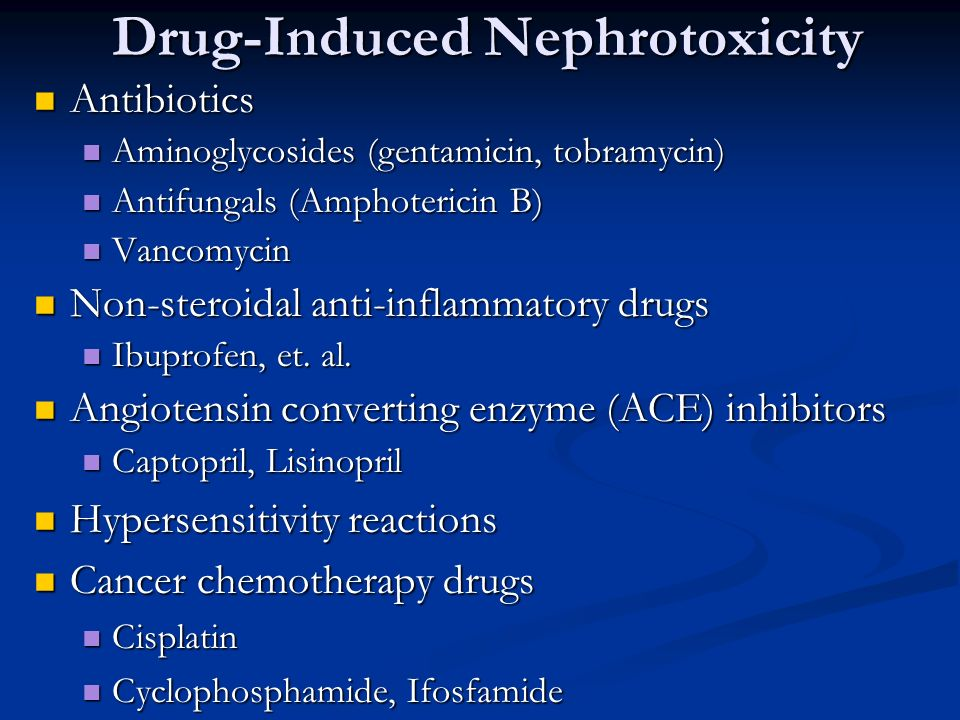
1. Painkillers & NSAIDs (Non-Steroidal Anti-Inflammatory Drugs) (Ibuprofen, Diclofenac, Naproxen) – These commonly used pain relievers work by blocking inflammation, but they also reduce blood flow to the kidneys, placing stress on the organs. Long-term or high-dose use can lead to acute kidney injury or chronic kidney disease.
2. Antibiotics (Gentamicin, Vancomycin, Amikacin, Ciprofloxacin) – While essential for fighting infections, some antibiotics have a direct toxic effect on kidney cells. Aminoglycosides like gentamicin, for example, can accumulate in kidney tissues, leading to cell damage and impaired function.
3. Proton Pump Inhibitors (Omeprazole, Pantoprazole, Esomeprazole) – Used for acid reflux and ulcers, PPIs have been linked to long-term kidney inflammation and chronic kidney disease.

Regular use can lead to conditions like interstitial nephritis, where the kidneys become inflamed and scarred over time.
4. Diuretics (Furosemide, Hydrochlorothiazide) – These “water pills” help control blood pressure and reduce swelling, but they can also cause dehydration, which reduces kidney function. Prolonged use without proper hydration can put excessive strain on the kidneys.
5. Statins (Atorvastatin, Simvastatin) – While statins lower cholesterol and protect the heart, in rare cases, they can cause rhabdomyolysis, a severe condition where muscle tissue breaks down, releasing toxic proteins into the bloodstream that overload the kidneys.
6. Illicit Drugs (Cocaine, Heroin, Methamphetamine) – These substances can overwork and damage kidney blood vessels, leading to dangerously high blood pressure and long-term scarring. Methamphetamine, in particular, can cause severe dehydration and kidney failure due to overheating and increased metabolic demand.
The Science of Drug-Induced Nephrotoxicity
Drug-induced kidney damage can occur through several mechanisms, each affecting the kidneys in different ways. Some drugs directly poison kidney cells, others disrupt blood flow, while certain medications cause crystal buildup or chronic inflammation, leading to irreversible damage. Here’s how it happens:
Some drugs are inherently toxic to kidney cells, leading to acute kidney injury (AKI). Antibiotics like gentamicin and vancomycin enter kidney tubules and damage the delicate structures responsible for filtering waste. Similarly, chemotherapy drugs such as cisplatin can trigger oxidative stress, killing kidney cells and reducing their ability to function. If not detected early, this type of damage can progress to chronic kidney disease (CKD), where kidney function declines permanently.
2. Reduced Blood Flow to Kidneys
Certain medications, particularly NSAIDs (ibuprofen, naproxen) and diuretics, can reduce circulation to the kidneys, starving them of oxygen and essential nutrients. NSAIDs block prostaglandins, chemicals that help maintain normal blood flow to the kidneys leading to restricted circulation and potential injury. Diuretics, often used for high blood pressure, can cause excessive fluid loss, leading to dehydration and further straining kidney function. Over time, repeated episodes of reduced blood flow increase the risk of kidney failure.
3. Crystal Formation & Blockages
Some drugs, particularly acyclovir (an antiviral) and methotrexate (a chemotherapy drug), can form crystals in the urine, which then clog the kidney’s tiny filtration tubules. These blockages prevent normal waste elimination, leading to inflammation, pressure buildup, and potential tissue damage. If the obstruction persists, the kidneys can suffer long-term impairment, making it difficult for them to recover even after the drug is stopped.
4. Chronic Inflammation & Scarring
Long-term medication use can lead to persistent kidney inflammation, eventually causing fibrosis (scarring) and permanent loss of kidney function. Proton pump inhibitors (PPIs) like omeprazole and pantoprazole, commonly used for acid reflux and H. pylori infections, have been linked to chronic interstitial nephritis, a slow-progressing kidney disease caused by repeated inflammation. Over months or years, this scarring reduces the kidneys’ ability to filter toxins, increasing the risk of kidney failure.
Recognizing The Warning Signs
How well do you understand the medications you take? Do you ever stop to question what they do beyond just treating your symptoms? Many of us take drugs without a second thought, trusting that if they were prescribed or available over the counter, they must be safe. But here’s the truth: every medication comes with risks, and some can silently harm your kidneys before you even feel the effects.
It’s always better to understand your condition fully rather than just hoping for a quick recovery. If you don’t have the time to do the research, at the very least, ask your doctor the right questions:
- What are the possible side effects of this drug?
- How does this medication affect my body?
- What signs should I watch out for if my body starts struggling?
- Are there safer alternatives?
Beyond that, pay close attention to how your body reacts. If you notice unusual changes, don’t brush them off, report them. Your body always gives you warning signs, but it’s up to you to listen. When was the last time you researched a condition you were diagnosed with? Or have you been conditioned to just focus on recovery, not on understanding? It’s time to change that mindset.
Kidney damage doesn’t happen overnight, and in the early stages, the signs might be subtle. But if you pay attention, your body does send warnings:
- Fatigue – Feeling drained, even after rest? This could be a sign of toxins building up in your blood.
- Swelling in the feet and ankles – When the kidneys struggle, they can’t properly remove excess fluid, leading to puffiness.
- Reduced urine output – If you’re urinating significantly less than usual, it could indicate declining kidney function.
Advanced Symptoms: When Things Get Serious
As kidney damage worsens, the warning signs become more severe. If you experience these symptoms, it’s critical to seek medical attention immediately:
- Nausea and vomiting – A buildup of waste in the bloodstream can make you feel sick.
- Confusion or difficulty concentrating – When the kidneys fail, they struggle to balance electrolytes, affecting brain function.
- Severe lower back pain – Your kidneys are located near your lower back. Pain in this area could indicate kidney distress.
- Dark-colored urine or blood in urine – A clear sign that something is seriously wrong.
The Danger of Late Diagnosis
Most people don’t realize they have kidney damage until it’s too late, when dialysis or a transplant is their only option. Why? Because kidney disease is often silent in its early stages. It doesn’t scream for attention like a broken bone or a heart attack. Instead, it creeps up slowly, and by the time the symptoms become impossible to ignore, irreversible damage has already been done.
But you don’t have to be one of those people. Take control of your health. Ask questions. Listen to your body. Know your medications. Because when it comes to kidney health, what you don’t know can hurt you.
How to Protect Your Kidneys from Drug Damage
Your kidneys are your body’s natural detox system, but certain drugs can overwhelm them. Painkillers, antibiotics, and even common over-the-counter drugs can silently harm your kidneys. Understanding the risks and taking the right precautions can make all the difference. Here’s what you need to know to keep them functioning at their best.
1. Smart Medication Use: Be Cautious with NSAIDs and PPIs
Not all medications are kidney-friendly, and some should only be used when absolutely necessary.
- NSAIDs (Ibuprofen, Diclofenac, Naproxen) – If you rely on these painkillers often, think twice. Chronic use can restrict blood flow to the kidneys, leading to damage over time. Instead, consider safer options like acetaminophen (paracetamol), which is gentler on the kidneys.
- Proton Pump Inhibitors (PPIs) (Omeprazole, Pantoprazole) – These drugs are commonly used for acid reflux and H. pylori infections, but long-term use has been linked to chronic kidney disease. If you’re on a PPI, ask your doctor if you really need to continue or if H2 blockers like famotidine might be a safer alternative.
My Experience;
So, here’s my experience. I usually struggle with chronic migraines, and during last year there have been times when the attacks got so intense that I felt like my head was about to crack. In desperation, I rushed to the hospital and told the doctor, “Please, I need something to relieve this pain, anything!”
The doctor prescribed me an injection of Diclofenac. The drug was incredibly strong, it worked almost instantly. My migraine cooled down within minutes, and I was relieved. I was so curious about it that I had to ask what it was.
The next time I had an attack, I went back and specifically asked for the same injection. But this time, the doctor gave me an alternative, acetaminophen. He looked at me and said, “I know you’d prefer Diclofenac because of how fast it works, but I need to warn you, using it too often can have severe consequences. Over time, it can cause serious kidney damage.”
That was a wake-up call for me. It made me realize that while painkillers can be a quick fix, they come with risks that we often overlook.
2. Hydration is Key: Water Flushes Out Toxins
Your kidneys need water to function properly. Staying hydrated helps dilute toxins and prevents certain medications from accumulating in the kidneys.
- Some drugs, like Acyclovir and Methotrexate, can form crystals in the urine, clogging the kidney’s filtering system. Drinking enough water helps prevent this.
- How much is enough? Aim for at least 2–3 liters per day, unless you have a medical condition requiring fluid restrictions.
3. Kidney-Friendly Alternatives: Choose Safer Options
Not all medications are created equal when it comes to kidney health. If you have chronic pain, infections, or acid reflux, ask about safer alternatives:
- Pain Relief: Instead of NSAIDs (Non-Steroidal Anti-Inflammatory Drugs) , consider acetaminophen (paracetamol) for mild to moderate pain.
- Antibiotics: If you need antibiotics, avoid aminoglycosides (gentamicin, amikacin) whenever possible. Safer options like amoxicillin or doxycycline may be better for kidney health.
- Acid Reflux Treatment: Instead of long-term PPIs, try H2 blockers (famotidine, ranitidine) or lifestyle changes like reducing spicy foods and caffeine.
4. Regular Kidney Checkups: Stay Ahead of the Damage
Kidney disease often develops silently, meaning you may not notice symptoms until significant damage has occurred. That’s why regular kidney function tests are essential, especially if you take high-risk medications.
- Creatinine Levels: This blood test measures how well your kidneys are clearing waste. Elevated levels indicate declining kidney function.
- Glomerular Filtration Rate (GFR): This test estimates how efficiently your kidneys are filtering blood. A GFR below 60 suggests chronic kidney disease.
- Urine Tests: Checking for protein or blood in the urine can help detect early kidney damage.
The best protection is prevention: be mindful of what you put into your body, ask questions about your medications, and make kidney health a priority. Because in the end, protecting your kidneys means protecting your life.
Raising Awareness on Drug-Induced Kidney Damage
The silent epidemic of drug-induced kidney damage is often overlooked. Most people assume that if a medication is available over the counter or prescribed by a doctor, it must be safe. But kidney damage from medications is real, preventable, and underreported. Raising awareness is the first step in protecting people from unknowingly harming their kidneys. Here’s what needs to change:
1. The Role of Doctors & Pharmacists: Better Prescription Practices and Patient Education
Healthcare providers are the first line of defense in preventing drug-induced kidney damage. However, many doctors focus on treating immediate conditions without fully explaining the long-term risks of certain medications. This needs to change.
- Patients must be empowered to ask questions. If a doctor prescribes a drug, ask: “Does this affect my kidneys? Is there a safer alternative?”
- Doctors should prescribe cautiously, especially for high-risk drugs like NSAIDs, PPIs, and aminoglycoside antibiotics.
- Pharmacists should educate patients at the point of sale, warning them about kidney risks, especially for over-the-counter medications.
2. Public Health Awareness Campaigns: Making Drug Safety a Priority
Kidney disease is rarely in the public spotlight until it reaches end-stage failure, requiring dialysis or transplantation. But why wait until it’s too late? Public health campaigns can help by:
- Educating people on the risks of long-term NSAID and PPI use.
- Encouraging regular kidney checkups, especially for people taking multiple medications.
- Promoting hydration and healthy lifestyle choices that support kidney function.
Governments, healthcare organizations, and advocacy groups must prioritize drug safety campaigns just as they do for diabetes or heart disease. A little awareness can prevent a lifetime of suffering.
3. Personal Responsibility: Taking Control of Your Kidney Health
While healthcare professionals play a role, you are ultimately responsible for your own health.
- Think before you pop a painkiller. Do you really need that ibuprofen, or can you try a non-drug alternative like stretching or heat therapy?
- Know your medications. Read the leaflet that comes with your prescription, and don’t be afraid to ask your doctor or pharmacist questions.
- Listen to your body. If you notice swelling, fatigue, or dark urine, don’t ignore it, your kidneys may be trying to tell you something.
Your kidneys work relentlessly, filtering toxins and keeping your body balanced. Yet, the very medications meant to treat pain, infections, and acid reflux can silently destroy these vital organs. The good news? You have the power to protect them. By making informed choices, asking the right questions, and prioritizing kidney-friendly habits, you can avoid preventable damage. The time to act is now, be mindful of what you take, stay hydrated, get regular checkups, and rethink unnecessary medication use.
Advice given on this platform is purely educational and aims to promote awareness. It should not be used as medical advice. Please consult your doctor for personalized health guidance.

- The Rise of Suicide Posts in Digital Spaces Reflects a Growing Mental Health Crisis - February 22, 2026
- How Kenya’s Silent Lifestyle Disease Crisis Is Reshaping Public Health - February 12, 2026
- The Rise of Lifestyle Diseases Emerges as a Crisis Among Kenya’s Youth - February 9, 2026