In a world where digital media is overflowing with emotional narratives, there’s an undeniable pull toward sad content. From melancholic music and heartbreaking films to poetry that aches with loss, many willingly immerse themselves in sorrowful storytelling. But why do we seek out content that tugs at our deepest emotions? Is it a form of catharsis, a way to feel less alone, or something more complex?
At the same time, those who create sad content; writers, musicians, poets, filmmakers, often channel raw emotion into their work. Are they simply storytellers, or does their art mirror their own internal struggles?
A 2024 study by communications expert Evelyn Onyango sheds light on this phenomenon, revealing a strong correlation between frequent exposure to sad content and increased emotional distress. The study found that 72.1% of participants reported experiencing negative emotions, such as anxiety or depression, after engaging with certain types of media. This raises important questions: Does consuming sadness intensify our own? And how does creating it affect mental well-being?
The Psychology Behind Consuming Sad Content
Why do people willingly engage with content that evokes sadness? Consuming sad media seems counterintuitive, yet it remains a universal human experience. Psychologists have long explored this paradox, revealing that our attraction to sadness is deeply rooted in emotional processing, cognitive engagement, and even social bonding. Various psychological theories attempt to explain this phenomenon, shedding light on how sad content influences our emotions and mental well-being.
Emotional Contagion & Empathy Absorption
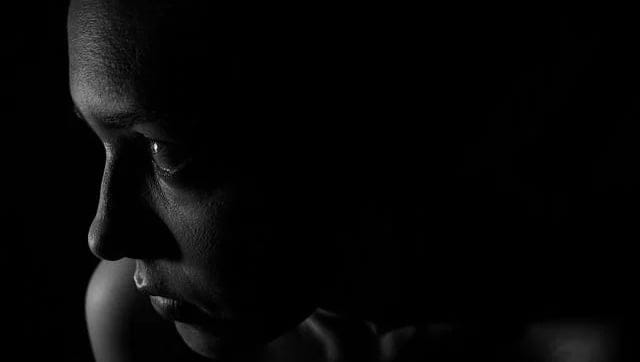
One key explanation lies in the concept of emotional contagion, where people subconsciously absorb and mirror the emotions of others. Sad stories, movies, or music can evoke similar emotions in the consumer. This phenomenon, called emotional contagion, happens when we absorb and mirror the emotions of the content we engage with. Neuroscientists have identified mirror neurons, specialized brain cells that activate both when we experience an emotion and when we observe it in others. This neural mechanism fosters empathy absorption, making us feel deeply connected to the sorrow depicted in media. When we watch a heartbreaking film or listen to a melancholic song, our brains resonate with the emotions being portrayed, creating a shared emotional experience.
Mood Regulation Theory
Contrary to the belief that sad content worsens our mood, mood regulation theory suggests that people often seek out emotional experiences that align with their current state. For individuals feeling melancholic, engaging with sad content can serve as a form of emotional validation, a way to acknowledge and process their feelings. This is why many turn to sad songs after a breakup or watch emotional films during difficult times. The content reflects their emotions back at them, making them feel understood and less alone.
Catharsis – Emotional Release Through Media Engagement
The idea of catharsis, first introduced by Aristotle in his theory of tragedy, suggests that experiencing sadness through art provides a purging of emotions. By engaging with sad stories, individuals can safely release pent-up emotions in a controlled environment. Crying during a movie or relating to a sorrowful narrative can bring a sense of relief, allowing individuals to process their own emotions without direct personal distress. This explains why people often feel emotionally lighter after consuming sad content.
The Paradox of Tragic Enjoyment – Why People Enjoy Fictional Sadness but Avoid Real-Life Grief
One of the most puzzling aspects of sad content is the paradox of tragic enjoyment, why do people willingly expose themselves to fictional sadness but avoid real-life grief? Studies suggest that when tragedy is fictional, it provides a sense of control and psychological distance, making it easier to process. Unlike personal loss, which can be overwhelming and unpredictable, sad media allows for a structured emotional experience. This controlled sorrow enables people to explore deep emotions in a safe space, offering both emotional engagement and cognitive stimulation without real-world consequences.
Through these psychological lenses, it becomes clear that consuming sad content is more than just a passive experience.
Why Do People Create Sad Content?
While many consume sad content for emotional connection or catharsis, what drives creators to produce it? Whether through music, film, literature, or visual art, creators of melancholic content often have deeply personal motivations. Their work is not merely about storytelling, it is often a reflection of their own emotional landscapes, societal observations, or internal struggles.
1. Catharsis & Self-Expression – Processing Personal Emotions
For many creators, sad content serves as a therapeutic outlet, a way to process and externalize their emotions. The act of writing a sorrowful poem, composing a melancholic song, or directing a tragic film allows them to give shape to their pain rather than suppress it. Psychologists argue that creative expression can be a form of emotional regulation, helping individuals make sense of their grief, heartbreak, or trauma through their art.
2. Emotional Contagion in Reverse
While audiences absorb emotions from consuming sad content, creators experience the reverse effect, they often immerse themselves so deeply in the sorrowful themes of their work that they begin to internalize the sadness. Writers who explore into dark themes, filmmakers who craft tragic narratives, and musicians who repeatedly compose sad songs may find themselves emotionally weighed down by their own creations. This process, often subconscious, can blur the lines between their real-life emotions and the fictional pain they bring to life.
3. The Pressure to Maintain a Sad Persona
Once a creator becomes known for producing sad content, there can be immense pressure to sustain that image. Audiences form expectations, and diverging from a melancholic style might feel like a risk to their identity or success. This phenomenon is especially evident in musicians and writers whose works are deeply tied to themes of heartbreak, grief, or existential sorrow. Some may feel trapped in the persona of a “tragic artist,” compelled to continuously mine their own pain or even exaggerate it to meet audience demand.
4. Trauma Triggers in the Creative Process
For creators who draw from personal trauma, the creative process itself can be emotionally triggering. Writing about a past loss, painting a visual representation of grief, or directing a film inspired by personal tragedy can resurface painful memories, making the act of creation both healing and distressing. While some artists find solace in this process, others may struggle with retraumatization, experiencing emotional distress every time they revisit those themes.
The Mental Health Impact of Consuming Sad Content
According to a 2024 study by communication specialist Evelyn Onyango, Relationship Between Media Consumption and Mental Health, revealed a strong link between frequent exposure to sad content and increased emotional distress. With 72.1% of participants reporting negative emotions after consuming certain types of media. Notably, 25% experienced these effects frequently, while 47.1% reported occasional distress, with social media and news media being the most commonly cited sources. The study raises concerns about how prolonged engagement with emotionally heavy content affects mental well-being. While sad content can offer emotional validation and catharsis, excessive consumption may contribute to long-term psychological challenges.
1. Increased Rumination and Prolonged Sadness
One of the most significant risks of engaging with sad content is rumination, the tendency to dwell on distressing thoughts. When individuals repeatedly expose themselves to melancholic media, they may find themselves trapped in a cycle of persistent sadness and overanalysis of personal struggles. Instead of serving as a momentary emotional release, sad content can reinforce negative thinking patterns, making it harder for individuals to move forward emotionally.
2. Heightened Anxiety and Depressive Symptoms in Vulnerable Individuals
For individuals already struggling with mental health challenges, sad content can act as an emotional amplifier. Research suggests that people with a history of depression or anxiety disorders are particularly vulnerable, as exposure to sorrowful media can intensify their symptoms. When sadness becomes a dominant emotional state, it may lead to increased hopelessness, withdrawal, and emotional exhaustion, making it difficult for affected individuals to engage in positive coping mechanisms.
3. Emotional Desensitization to Real-Life Tragedies
While sad content often fosters empathy, excessive exposure can have the opposite effect, emotional desensitization. When people repeatedly consume tragic narratives, they may become numb to real-world suffering, reducing their emotional responsiveness. This phenomenon is particularly evident in the digital age, where constant exposure to distressing news and social media tragedies can create a psychological barrier to genuine compassion, leading to reduced sensitivity toward real-life pain.
Comparisons to Moderators’ Secondary Trauma and Compassion Fatigue
The psychological impact of consuming sad content shares striking similarities with secondary trauma and compassion fatigue, conditions often observed in crisis workers, therapists, and journalists. Just as content moderators, who spend hours filtering through distressing material, experience emotional exhaustion and psychological distress, frequent consumers of sad media may develop similar symptoms of mental burnout, emotional numbness, or avoidance of meaningful emotional connections. Over time, this can hinder one’s ability to process real-life emotions in a healthy way.
In my previous article, Mental Health Challenges Among Content Moderators, I highlighted how constant exposure to graphic and disturbing content has left many social media moderators emotionally shattered. Reports from BBC and CNN on December 22, 2024, revealed that over 140 Facebook content moderators in Kenya were diagnosed with PTSD, generalized anxiety disorder, and major depressive disorder due to prolonged exposure to violent imagery, explicit content, and human suffering, often without adequate mental health support.
Though the context differs, the underlying psychological effects remain similar: just as content moderators absorb the emotional weight of the material they filter, individuals who frequently engage with tragic films, melancholic music, or distressing documentaries may unknowingly internalize the sorrow, leading to chronic emotional exhaustion. The similarities between the two highlight a crucial reality, prolonged exposure to distressing content, whether real or fictional, can deeply impact mental health, leading to emotional exhaustion and psychological strain.
The Thin Line Between Art and Emotional Health
Sad content holds a profound place in emotional processing, allowing both consumers and creators to process complex feelings of grief, loss, and sorrow. For many, engaging with such content provides a sense of validation, reminding them that they are not alone in their struggles. Creators, in turn, use their art as a medium for self-expression, transforming personal pain into something relatable and cathartic for others. This shared experience fosters a deep emotional connection, bridging gaps between individuals and helping society acknowledge emotions that are often suppressed. However, while sad content can be therapeutic, unchecked consumption or creation may lead to prolonged emotional distress, reinforcing negative thought patterns rather than resolving them.
Consumers must be mindful of their engagement, ensuring that it aids in healing rather than deepening sorrow. Similarly, creators should establish boundaries to protect themselves from the emotional toll of repeatedly revisiting painful experiences. Striking a balance between art and mental health requires intentionality, consuming a variety of content, practicing emotional self-care, and recognizing when to step away.
Sadness in art has a unique way of bringing people together, offering comfort and understanding to both creators and audiences. However, it should not come at the cost of one’s mental well-being. Your emotions can fuel your creativity, but they shouldn’t consume you.
And a final note to creators; the next time you feel like creating sad content when you’re overwhelmed, ask yourself: Why should I have to be broken just to create something that moves you?

- The Rise of Suicide Posts in Digital Spaces Reflects a Growing Mental Health Crisis - February 22, 2026
- How Kenya’s Silent Lifestyle Disease Crisis Is Reshaping Public Health - February 12, 2026
- The Rise of Lifestyle Diseases Emerges as a Crisis Among Kenya’s Youth - February 9, 2026