In Kenya, gender-based violence has reached alarming levels, with 7,107 cases reported between September 2023 and January 2024. Tragically, within the first four months of 2024, 100 women were killed, primarily by individuals known to them, including intimate partners.
Globally, intimate partner violence remains a pervasive issue. A 2024 World Health Organization (WHO) report highlighted that adolescent girls face alarming rates of intimate partner violence, with significant variations across different regions.
Relationship trauma comprises of various experiences that adversely affect one’s ability to form and maintain healthy romantic bonds:
• Past Abuse: Survivors of physical, emotional, or sexual abuse may carry forward fears and defense mechanisms that hinder intimacy and trust.
• Childhood Wounds: Exposure to neglect, abuse, or inconsistent caregiving can disrupt attachment styles, leading to difficulties in adult relationships.
• Toxic Exes: Previous relationships characterized by manipulation, betrayal, or violence can leave lasting scars, affecting one’s self-esteem and expectations in future partnerships.
• Societal Violence: Living in environments plagued by conflict or systemic violence can instill deep-seated fears and hypervigilance, impacting personal relationships.
Addressing Relationship Trauma is important for promoting healthy, fulfilling, and stable romantic connections. Unresolved trauma can lead to emotional dysregulation, causing heightened reactions that trigger conflicts and misunderstandings between partners. It also affects attachment styles, making it difficult to establish trust and security in relationships. Furthermore, research has linked unhealed trauma to mental health challenges such as depression, anxiety, and post-traumatic stress disorder (PTSD), which can further strain romantic bonds. When trauma remains unaddressed, couples are more likely to experience dissatisfaction, poor communication, and even separation.
What It Looks Like and How It Forms
Trauma can profoundly influence the way individuals experience and engage in relationships, influencing their ability to trust, communicate, and connect with others. Different types of trauma, whether experienced in childhood, romantic relationships, or society, can leave lasting emotional and psychological imprints that affect intimacy and attachment.
Childhood Trauma
Experiences of neglect, abuse, or having absent parents during early years can significantly impact an individual’s ability to form healthy relationships later in life. Neglect can lead to feelings of unworthiness or a fear of abandonment, while abuse, whether physical, emotional, or sexual, can create fears around intimacy and vulnerability. When a child grows up without stable parental support, they may struggle with attachment issues, either becoming overly dependent in relationships or avoiding emotional closeness altogether.
Romantic Trauma
Romantic trauma stems from painful experiences in past relationships, such as infidelity, toxic dynamics, or emotional abandonment. Being cheated on can lead to trust issues and a fear of betrayal in future relationships, while toxic relationships marked by manipulation, control, or abuse can distort one’s perception of love and self-worth. Those who experience abandonment, whether through sudden breakups, ghosting, or emotional withdrawal, often develop insecurities that manifest as clinginess, avoidance, or difficulty in forming deep emotional bonds.
Social Trauma
Trauma is not always personal; it can also be shaped by societal and environmental experiences. Witnessing violence, whether in the home, community, or during events can lead to chronic anxiety and hypervigilance in relationships. In Kenya and across Africa, gender-based violence (GBV) remains a major issue, with survivors often struggling with trust, self-esteem, and emotional regulation in intimate relationships. Social trauma can create deep fears about safety, control, and power dynamics, influencing how people interact with their partners.
How Trauma Rewires the Brain and Affects Relationships
When someone experiences trauma, their brain undergoes significant changes, particularly in how they respond to stress and relationships. The brain’s survival mechanisms; fight, flight, or freeze, become overactive, shaping how individuals react to perceived threats in love and intimacy. A person stuck in “fight” mode may become aggressive or defensive in conflicts, while someone in “flight” mode may withdraw emotionally or avoid relationships altogether. Those who freeze might struggle with decision-making, feeling emotionally numb or disconnected from their partner. These survival responses, once meant to protect, can instead create barriers to trust and intimacy, making it difficult for individuals to feel safe and secure in their relationships.
Attachment Styles: How Trauma Shapes the Way We Love
How do you form emotional bonds with the people you love? Attachment theory, first developed by psychologist John Bowlby and later expanded by Mary Ainsworth, explores how early relationships with caregivers shape the way we connect with others throughout life. When childhood experiences are filled with love, safety, and consistency, individuals develop secure attachment, allowing them to build healthy and trusting relationships. However, when early experiences involve neglect, inconsistency, or trauma, they can lead to insecure attachment styles, influencing how people experience love and intimacy.
1. Secure Attachment
People with secure attachment feel safe expressing emotions, trusting their partners, and maintaining healthy independence within relationships. However, this attachment style is rare in individuals with unresolved trauma. Those who experienced stable and nurturing caregiving in childhood tend to communicate openly, handle conflict constructively, and trust that love is reliable. Unfortunately, for people who have experienced trauma, developing a secure attachment often requires intentional healing and self-awareness.
2. Anxious Attachment
Anxious attachment often develops in individuals who experienced inconsistent caregiving, emotional neglect, or past relational trauma, such as abandonment or betrayal. People with this attachment style often fear abandonment, leading to behaviors like clinginess, excessive reassurance-seeking, jealousy, or emotional dependence on their partners. They may struggle with self-worth, believing they must “earn” love or that relationships are inherently unstable. This often results in high emotional reactivity and difficulty regulating feelings in romantic interactions.
3. Avoidant Attachment
Avoidant attachment is common in individuals who grew up in emotionally distant or overly critical environments. These individuals often struggle with intimacy, dismiss emotional needs, and withdraw from conflict or deep connections. Because they learned early on that relying on others could lead to disappointment or rejection, they prioritize independence and may come across as emotionally unavailable. In relationships, they may shut down during emotional discussions, feel overwhelmed by closeness, or push partners away when things become too intimate.
4. Disorganized Attachment
Disorganized attachment is a combination of both anxious and avoidant patterns and is often seen in survivors of severe trauma, such as childhood abuse, domestic violence, or unpredictable caregiving. Individuals with this attachment style both crave intimacy and fear it, leading to confusing and unpredictable relationship behaviors. They may switch between clinginess and withdrawal, struggle with trusting their partners, or have intense emotional highs and lows. This attachment style is often associated with deep-seated fear, difficulty regulating emotions, and struggles with self-worth.
The Hidden Struggles of Trauma Survivors
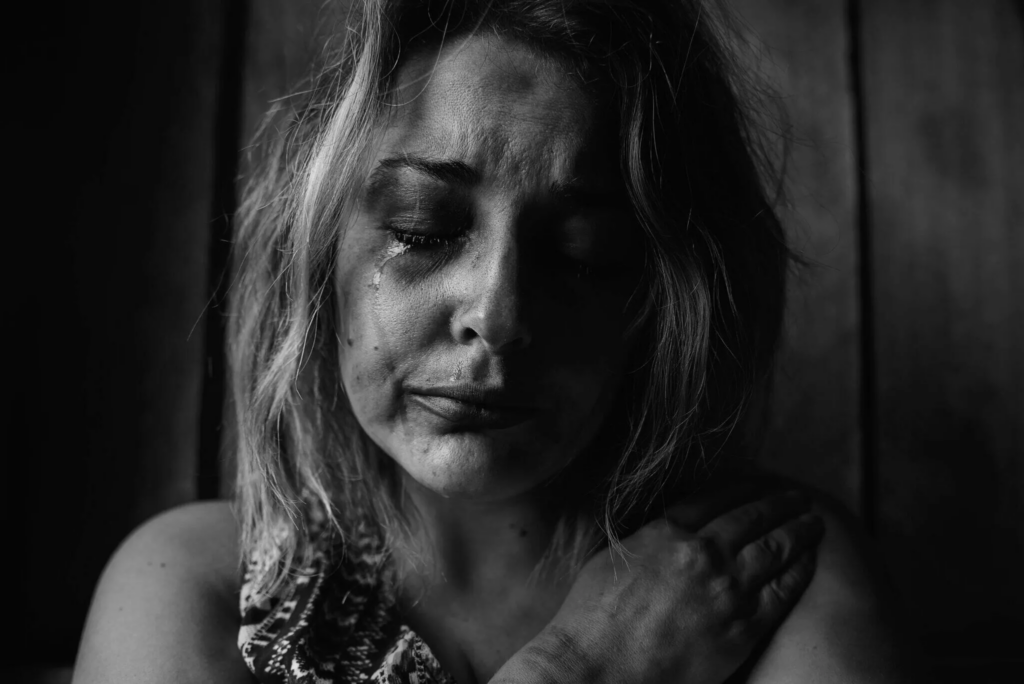
Past trauma often manifests as emotional triggers in relationships, shaping how individuals respond to their partners, even in situations that may not objectively be threatening. For survivors, a simple disagreement can evoke a deep-seated fear of betrayal, leading to heightened emotional reactions, withdrawal, or defensiveness. Those who have experienced abandonment may develop anxious tendencies, constantly seeking reassurance, while others might adopt avoidant behaviors, shutting down emotionally to protect themselves from perceived hurt. Intimacy can also be challenging, some survivors may struggle with physical closeness due to past violations of trust, while others may become overly dependent on their partners in an effort to feel secure.
These responses are not conscious choices but rather the brain’s learned survival mechanisms, making it difficult for trauma survivors to engage in relationships without feeling overwhelmed.
For some, these struggles develop into relationship PTSD, a form of post-traumatic stress disorder that results from toxic or abusive relationships. Survivors may experience hypervigilance, constantly scanning for signs of danger or betrayal, even in safe relationships. Others may suffer from emotional numbness, detaching from their feelings or struggling to connect deeply with their partners. Nightmares, flashbacks, and panic attacks may also arise when reminders of past trauma are triggered. These symptoms can make love feel exhausting, as survivors wrestle with their own trauma responses while trying to maintain healthy connections. Without support and healing, relationship PTSD can create cycles of mistrust, fear, and instability, making it difficult for survivors to feel truly safe in love.
Healing Trauma in Relationships
Healing from trauma is a deeply personal journey, one that takes patience, self-compassion, and intentional effort. But healing doesn’t happen in isolation, it also shapes how individuals connect with others. For those who have experienced trauma, prioritizing personal healing before entering a relationship can be essential. At the same time, relationships can be a space for growth and support when both partners cultivate an environment of safety, trust, and emotional resilience.
Steps for Individuals to Heal Before Entering Relationships
i. Self-Awareness and Therapy – Understanding one’s trauma responses is the first step toward healing. Therapy, particularly Eye Movement Desensitization and Reprocessing (EMDR) for PTSD, cognitive behavioral therapy (CBT), and trauma-focused therapy, can help individuals process painful memories and develop healthier coping mechanisms. Acknowledging how past experiences shape relationship patterns allows individuals to break free from unhealthy cycles.
ii. Practicing Emotional Regulation and Self-Care – Trauma survivors often experience heightened emotional responses due to an overactive nervous system. Engaging in self-care routines; such as mindfulness, journaling, meditation, and physical activity, can help regulate emotions. Learning to pause before reacting, engage in breathing exercises, and develop self-soothing techniques makes it easier to process emotional triggers in future relationships.
How Couples Can Support Each Other Through Healing Trauma

1. Safe Communication Strategies – Trauma survivors may struggle with expressing their needs without fear of conflict or rejection. Using “I feel” statements (e.g., “I feel anxious when I don’t hear from you because of my past experiences with abandonment”) helps communicate emotions without blaming the partner. Regular emotional check-ins create a safe space to discuss feelings, reinforcing trust and security.
2. Learning to Differentiate Between Triggers and Real Issues – Recognizing the difference between emotional triggers and real relationship issues is important for personal growth and healthy communication. While triggers stem from past wounds and can evoke strong emotional reactions, they shouldn’t be used as an excuse to avoid accountability. True healing involves acknowledging triggers while also taking responsibility for addressing genuine concerns in a relationship with honesty.
Triggers from past trauma can cause overreactions in the present, making it essential for couples to distinguish between past wounds and current realities. For instance, if a partner forgets to text back, a trauma survivor might feel abandoned due to past experiences. Recognizing that this reaction is a trigger, not necessarily a reflection of the partner’s intent, helps prevent unnecessary conflict.
3. Seeking Couples Therapy and Trauma-Informed Relationship Coaching – Professional guidance can be invaluable in processing trauma’s impact on a relationship. Couples therapy or trauma-informed relationship coaching can provide structured tools to enhance emotional safety, improve communication, and develop a deeper understanding of each other’s needs. A therapist can also help partners create a roadmap for healing, ensuring both individuals feel seen, heard, and supported.
Healing in relationships is not about achieving perfection but about creating a safe and compassionate space where both individuals can grow.
The Future of Trauma-Informed Love
In Kenya, Generation Z and Millennials are increasingly redefining love and relationships through a heightened awareness of mental health. This shift is evident as more young people openly discuss mental health challenges and advocate for supportive environments. A study highlighted that adolescents and young people (AYP) in low and middle-income countries, including Kenya, often face a mental health service gap, with their care requirements frequently unaddressed. This growing awareness reflects a broader global trend among younger generations prioritizing mental well-being in their personal lives.
The rise of therapy, emotional intelligence, and mindful dating practices among the youth signifies a transformative approach to relationships. The global trend shows a significant rise in mental health service utilization among younger generations. In Kenya, initiatives to improve mental health literacy among primary health care workers aim to bridge the gap in mental health services, potentially increasing access to therapy for the youth.
Choose Healing Over Cycles
Trauma isn’t a life sentence, healing is possible. While past wounds shape how we love, they do not have to define our future relationships. Breaking free from unhealthy relationship patterns requires deep self-awareness, a commitment to healing, and sometimes, the courage to walk away from toxicity. Leaving a toxic relationship often triggers emotional withdrawal and grief, much like mourning a loss. It’s normal to experience sadness, regret, or even relief, and these emotions may fluctuate as you process the end of the relationship. However, rushing into a new relationship as a distraction rarely leads to true healing; instead, it often results in repeating the same painful cycles.
“If you’re broken, you should be healing, not dating and projecting your traumas on others. In all things, there’s the law of cycles. Until you heal and change your thinking patterns, you will always recycle your relationships. Healing isn’t about finding someone to fill the void.“
– Carson Anekeya
Love should be a safe space, not a battlefield. True intimacy thrives in emotional safety, mutual respect, and self-awareness. By prioritizing healing, individuals can cultivate relationships that are rooted in love rather than trauma responses.
If you’re carrying the weight of past wounds while embracing love, know that healing is not a race, it’s a journey that unfolds in its own time. Give yourself permission to pause, to breathe, and to reclaim your sense of self beyond the pain. True love, the kind that nurtures rather than depletes, begins with self-awareness and inner peace. Surround yourself with people who uplift you, seek the support you need, and trust that you are worthy of a love that feels safe, not heavy.
If this story is meant for you, I’m glad you came across it, and I hope it sheds light on many as well.

- The Rise of Suicide Posts in Digital Spaces Reflects a Growing Mental Health Crisis - February 22, 2026
- How Kenya’s Silent Lifestyle Disease Crisis Is Reshaping Public Health - February 12, 2026
- The Rise of Lifestyle Diseases Emerges as a Crisis Among Kenya’s Youth - February 9, 2026