An Interview with Emma Barteau
Mental health care is a broad field that integrates multiple disciplines, each playing a unique role in supporting individuals to lead fulfilling lives. While psychologists, psychiatrists, and counselors are often at the forefront, another critical profession in this space is occupational therapy (OT). Occupational therapists help individuals engage in meaningful activities, develop coping strategies, and regain independence in daily life, making their role essential in mental health support.
To explore this further, I had a conversation with Emma Barteau, an Occupational Therapy student at Indiana Wesleyan University, in Mount Vernon, Ohio, United States. She has a special interest in mental health. We connected through the Global Mental Health Action Network (GMHAN) Circle after she posted about “Occupational Therapists as Mental Health Professionals.” Our discussion provided valuable insights into the intersection of occupational therapy and mental health care, highlighting the often-overlooked impact of OT in fostering psychological well-being.
Emma Barteau is currently completing her capstone experience focused on integrating mental and physical health occupational therapy (OT) treatments at a physical rehabilitation site in Curaçao. This experience has led to several valuable discoveries about the connection between these fields. To help those unfamiliar with OT gain a better understanding, she has created a factsheet that provides key information about its role and impact. I’d love to share this resource, you can view it in her post here: OT Mental Health Fact Sheet.
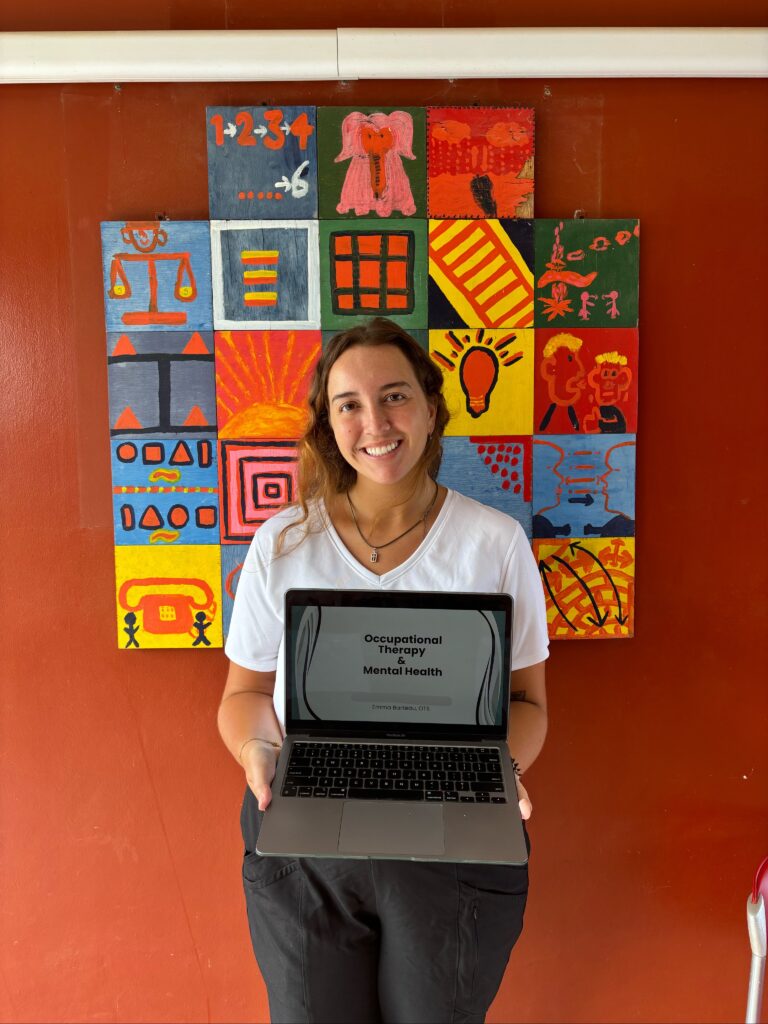
The Role of Occupational Therapy in Mental Health Care
Occupational therapy (OT) plays a crucial role in mental health care by shifting the focus from a person’s diagnosis to their daily functioning and quality of life. Unlike other mental health professionals who may focus on medication or psychotherapy, occupational therapists aim to empower individuals to regain independence, structure, and engagement in meaningful activities.
As Emma Barteau explains:
“Occupational therapy (OT) is a unique profession which decenters the diagnosis from a patient’s care, and instead focuses on the day-to-day impact of their symptoms. The root of our profession is helping people be able to do the things they want and need to do.”
Emma Barteau
This approach is particularly valuable in mental health care, where individuals often struggle with routine, motivation, social engagement, and self-care. Instead of addressing the disorder itself, OTs help patients develop practical strategies to manage their symptoms, such as creating sustainable routines, improving coping mechanisms, and enhancing their ability to engage in work, school, or social life.
One of the strengths of occupational therapy is its versatility—OTs work with individuals experiencing a wide spectrum of mental health challenges. These include:
- Mood disorders (such as depression and bipolar disorder), where OTs help individuals regain a sense of structure and purpose by integrating activities that promote emotional regulation and daily engagement.
- Anxiety disorders, where therapists work on building coping strategies, sensory regulation, and gradual exposure to stressful situations to improve daily function.
- Psychotic disorders (such as schizophrenia), where OTs support individuals in developing independent living skills, improving social interaction, and managing sensory overload. Eating disorders, where occupational therapists assist in rebuilding a healthy relationship with food, establishing structured eating routines, and addressing body image concerns through activity-based interventions.
As Emma highlights:
“There really is no limit to who OTs can work with, which I find to be a beautiful aspect of the career.”
Emma Barteau
This flexibility makes OT a vital part of interdisciplinary mental health care teams, working alongside psychologists, psychiatrists, and social workers to offer holistic support. Through personalized interventions, occupational therapists bridge the gap between medical treatment and the practical application of skills needed for everyday well-being.
Everyday Activities as a Path to Mental Wellness
Occupational therapy (OT) is deeply rooted in mental health care, with its origins dating back to the early 20th century, when psychiatrists began to recognize the importance of structured, meaningful activity in improving patients’ well-being. This foundational principle remains central to OT today, helping individuals use everyday activities as therapeutic tools to enhance their mental health and regain control over their lives.
“One really interesting thing about the field of OT is that it actually originated in mental health. The profession emerged in the early 20th century from psychiatrists who recognized the importance of balanced, meaningful activity in the patients’ lives.”
Emma Barteau
At the core of OT’s approach is the complex relationship between a person, their environment, and their daily activities. Occupational therapists assess how mental health conditions affect a person’s ability to perform daily tasks and develop interventions tailored to their needs. This process may involve:
- Direct skill-building: If an individual struggles with tasks like cooking, an OT might guide them through meal preparation in a structured, manageable way.
- Environmental and mental adaptation: If mental health challenges make it difficult to maintain self-care routines, an OT may help the individual design personalized strategies, such as a structured daily schedule to improve hygiene and self-care.
Emma illustrates this with a practical example:
“When treating a person with mental health conditions, an OT may inventory their current functioning, accounting for the influence of their mental health and environment. Then, an intervention is crafted based on the specific client. Sometimes this is working directly on an activity that has proved difficult for them, such as safely preparing a meal for themselves. Other times, the environmental and mental barriers to an activity will be targeted by providing tools to overcome the barrier.”
Emma Barteau
The Role of Occupational Therapy in Substance Use Rehabilitation
Substance use disorders (SUDs) often disrupt a person’s daily routines, coping mechanisms, and sense of purpose. While OT is not always the first profession associated with addiction recovery, it plays a critical role in helping individuals rebuild functional, healthy lifestyles as they work toward sobriety.
Although Emma has not personally worked in a dedicated substance use rehabilitation program, she shares insights from her experience in a psychiatric facility, where she observed how substance misuse and mental health conditions intersect:
“Substance misuse was commonly addressed through education of stress and coping strategies, such as providing alternative activities to support the individual in their sobriety. Daily habits and routines would also be assessed with the patient, allowing them to reflect on pitfalls and identify goals for the future.”
Emma Barteau
In OT-led interventions for substance use recovery, therapists focus on:
- Developing alternative coping strategies to replace substance use, such as engaging in art, physical exercise, or mindfulness-based activities.
- Restoring daily routines that may have been disrupted by addiction, helping individuals regain structure in their personal and professional lives.
- Addressing environmental triggers by assessing how a person’s surroundings contribute to relapse risks and helping them create a more supportive, stable living situation.
By focusing on habit formation, skill-building, and environmental adaptation, occupational therapists offer individuals recovering from substance use a concrete path toward reintegration into daily life, one that emphasizes sustainable, long-term recovery. Through both general mental health treatment and specialized programs like substance use rehabilitation, OT proves to be an indispensable tool in helping individuals reclaim their independence, purpose, and well-being through meaningful daily activities.
Challenges and Barriers in Occupational Therapy for Mental Health

Despite its significant contributions to mental health care, occupational therapy (OT) still faces systemic barriers that limit its full potential in this field. Many of these challenges stem from misconceptions about the role of OTs and a healthcare system that often prioritizes physical health interventions over mental health support.
One of the biggest obstacles is the dominance of physical health interventions in many OT settings. While OTs working in rehabilitation centers frequently encounter patients with co-occurring mental health challenges, the focus remains largely on physical recovery, leaving mental health needs under-addressed.
“The biggest barrier I have experienced is the expectation for OTs to prioritize physical health and function over mental health. For OTs who work in the physical rehabilitation setting, it is very likely that they still see patients who have mental health needs, which impact their recovery, yet intervention to support mental health is often not supported in such organizations.”
Emma Barteau
Even within mental health-specific settings, there is often a lack of clarity about what OTs can contribute. Many facilities either underestimate or completely overlook the value of OT in mental health care. This leads to limited job opportunities for OTs in psychiatric settings and a reduced presence in mental health treatment teams. Emma highlights this challenge:
“For OTs in mental health settings, I think there is a lot of ambiguity about their role in treatment. Some facilities don’t realize what OTs can contribute to the mental health team.”
Emma Barteau
This lack of recognition affects funding, policy support, and training opportunities, making it harder for OTs to secure roles in mental health care.
Gaps in Research and Understanding of OT in Mental Health
Another major challenge is the lack of awareness and understanding of OT’s role in mental health, both among the general public and other healthcare professionals. This knowledge gap extends to research, education, and policy-making, further hindering OT’s integration into mainstream mental health care.
Emma, who is currently completing her capstone project, has observed this firsthand:
“One of the main gaps I have noticed throughout my time as a student is the lack of understanding of what OTs do in mental health. This has also proved true as I am completing my capstone project. If other professionals are unable to grasp our purpose in mental health, it is unlikely that OT will make further gains as recognized mental health practitioners.”
Emma Barteau
To bridge this gap, Emma emphasizes the importance of advocacy and education:
“It is for this reason that advocacy of my profession is so important to me, I love what OT stands for and want to share the benefits of our practice as widely as possible.”
Emma Barteau
By raising awareness, pushing for policy changes, and strengthening research in OT for mental health, professionals like Emma are working to reshape perceptions and expand OT’s role in mental health care.
Addressing these challenges requires:
- Greater advocacy efforts to ensure OT is fully recognized as a mental health profession.
- Stronger interdisciplinary collaboration, where OTs work alongside psychologists, social workers, and psychiatrists to provide holistic care.
- More research and education to define and promote OT’s role in mental health treatment.
- Policy changes to support funding and integration of OT services in mental health care facilities.
As the conversation around mental health continues to evolve globally, occupational therapy has the potential to play a much larger role, helping individuals not just survive, but truly thrive in their daily lives.
The Future of Occupational Therapy in Mental Health
As mental health advocacy gains momentum globally, occupational therapy (OT) is steadily carving out a more defined role within mental health care systems. In many countries, OTs are still underutilized as mental health professionals, but ongoing advocacy efforts are changing this landscape, paving the way for broader recognition, increased funding, and policy reforms.
In the United States, efforts are underway to formally establish OTs as Qualified Mental Health Professionals. This designation would provide official recognition of OT’s contributions to mental health care, opening doors to greater funding, legislative backing, and expanded access to OT services for individuals struggling with mental health conditions. As Emma Barteau, an Occupational Therapy student at Indiana Wesleyan University, explains:
“In the U.S., there are ongoing efforts to establish OTs as Qualified Mental Health Professionals, which would provide official recognition of the profession in the mental health field, opening up further funding and legislative options which would improve access to OT services for people with mental health conditions.”
Emma Barteau
On a global scale, advocacy for OT in mental health remains a complex challenge. One of the biggest barriers is the lack of standardized data on the OT workforce across different countries, making it difficult to assess the profession’s reach and impact. However, organizations like the World Federation of Occupational Therapy (WFOT) are working to bridge this gap by uniting OTs worldwide and fostering cross-regional collaboration. Through these efforts, occupational therapists from different parts of the world share insights into how OT is being integrated into mental health care in their respective regions, helping to shape best practices and drive advocacy forward.
Emma highlights this global movement:
“On the global level, it can be very difficult to find information about the OT workforce in general, but I am aware of efforts by organizations such as the World Federation of Occupational Therapy to unite the profession across the world. This work includes collaboration of international OTs sharing how they are working in their region and field, such as mental health.”
Emma Barteau
The future of OT in mental health is deeply connected to advocacy, not just in terms of policy change, but also in challenging societal stigma around mental health. As awareness grows, OTs are positioned to take a leading role in promoting preventive mental health strategies and ensuring that mental health care moves beyond crisis intervention to long-term, sustainable well-being.
“With continued advocacy efforts, I can see OTs joining with the rest of the mental health team to discredit stigmatization of mental health and lead the charge for use of preventative strategies for mental health.”
Emma Barteau
Emma’s Final Reflection
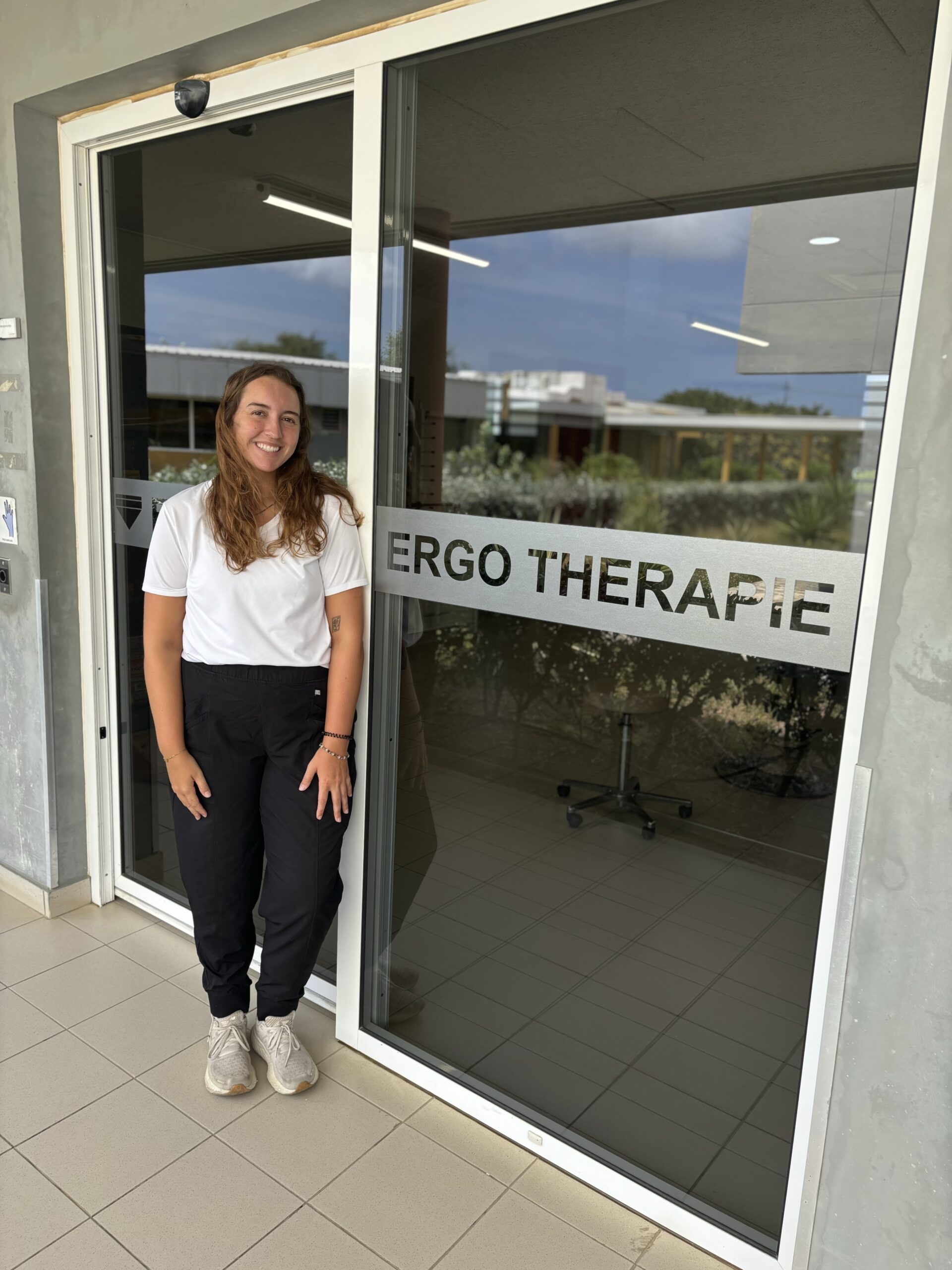
Towards the end of the interview, I asked her this last question to get her honest view,
If there was one fundamental shift in mental health care that you believe OT could lead, what would it be and why?
And this is what she had to say:
“I believe that bringing this education and tools to the public sphere can benefit anyone. Many OTs already work in the community setting and are well positioned to begin this campaign for mental wellness.”
Emma Barteau
A fundamental shift that occupational therapy could lead in mental health care is the public education on proactive mental wellness strategies. While much of the mental health conversation rightfully focuses on severe conditions like psychotic and personality disorders, there remains a critical gap in equipping individuals with the knowledge and tools to care for their own mental health before issues escalate. Emma Barteau emphasizes this point, noting that during her psychiatric fieldwork, she encountered many patients who had never been taught how to care for their mental and emotional well-being.
“In my psychiatric fieldwork, I had many patients with such conditions remark that they had never learned how to take care of themselves mentally and emotionally.”
Emma Barteau
This lack of awareness means that many people struggling with conditions like depression and anxiety may never seek professional help, simply because they do not recognize the importance of mental self-care. Emma believes that occupational therapists, many of whom already work in community settings, are well-positioned to bridge this gap by integrating mental health education into their practice.
In a world where mental health struggles are often met with stigma or silence, occupational therapy offers a pathway to proactive care, one that empowers individuals to build resilience, regain independence, and lead meaningful lives. As the field continues to evolve, OTs have the potential not just to support recovery, but to redefine mental wellness as an essential, everyday practice for all.
The continued push for recognition, policy inclusion, and global collaboration will ultimately shape a future where occupational therapy is an integral part of mental health care systems worldwide.

- The Rise of Suicide Posts in Digital Spaces Reflects a Growing Mental Health Crisis - February 22, 2026
- How Kenya’s Silent Lifestyle Disease Crisis Is Reshaping Public Health - February 12, 2026
- The Rise of Lifestyle Diseases Emerges as a Crisis Among Kenya’s Youth - February 9, 2026