Psych-Rescue Kenya is transforming how grieving parents find support after baby loss, offering therapy, awareness, and a compassionate community.
Losing a child is a grief that many struggle to put into words. For parents who experience baby loss, whether through miscarriage, stillbirth, or infant death, the pain is profound, yet often overlooked. In many cultures, these losses are dismissed, forcing parents to grieve in silence. However, Psych-Rescue is working to change that narrative. Psych-Rescue is breaking that silence, offering parents the space to grieve, heal, and remember the babies the world so easily forgets.

Founded by Anne Nguthuku, a mother who experienced the devastating loss of her infant, Psych-Rescue was born from the depths of personal grief and the urgent need for change. Anne’s journey through loss exposed a painful reality, many grieving parents suffer in silence, lacking the emotional and psychological support they desperately need. Determined to break this cycle, she transformed her pain into purpose, creating Psych-Rescue as a safe haven for parents dealing with the challenging and often isolating grief of baby loss. Through therapy, awareness, and community support, the initiative not only provides healing spaces but also challenges societal perceptions, ensuring that no parent has to mourn alone. This is more than an organization, it is a movement reshaping how society acknowledges, understands, and stands with grieving parents.
The Story Behind Psych-Rescue
Anne Nguthuku never imagined that her life would take such a heartbreaking turn. Like any expectant mother, she carried hopes and dreams for her baby, imagining the first smiles, first steps, and a future filled with love. But when her child passed away after only seven months, those dreams were replaced with an unbearable emptiness. In the aftermath of her loss, she found herself in a world that did not know how to hold space for grieving parents.
And in that grief, she found a calling. She realized that countless other parents were suffering in silence, grieving babies that society barely acknowledged. She understood how isolating this pain could be, how the lack of support made the weight even heavier to bear. Instead of letting grief consume her, she chose to channel it into something bigger than herself. She founded Psych-Rescue, an initiative dedicated to giving parents the space, support, and understanding she wished she had.
What started as a personal journey has grown into a movement of compassion and healing. Psych-Rescue offers therapy, peer support, and awareness programs to ensure that no parent feels alone in their grief. It is a place where baby loss is recognized, where parents’ stories are honored, and where healing is not rushed or dismissed. Through this initiative, Anne is rewriting the narrative, one that no longer forces grieving parents into silence but instead gives them a voice, a community, and the reassurance that their loss matters.
The Silent Struggles of Grieving Parents
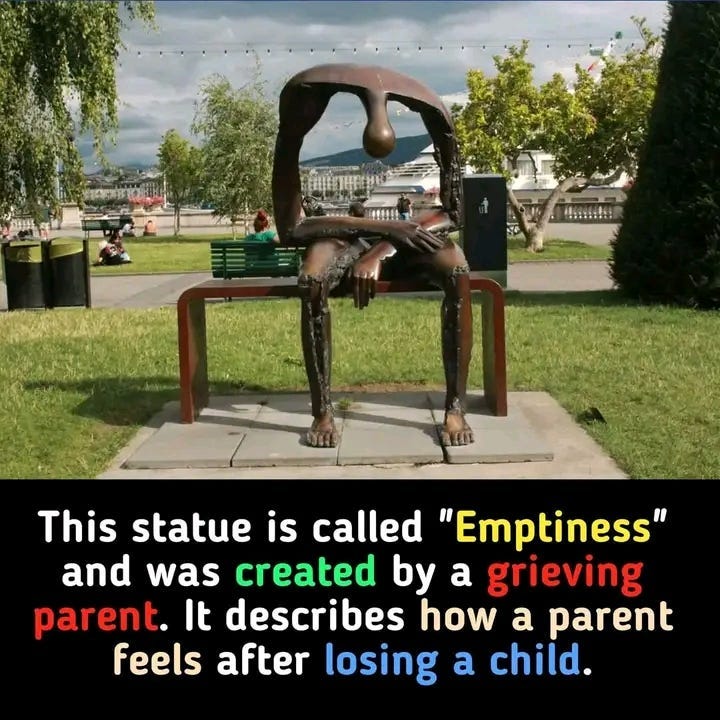
For many parents, the pain of losing a baby is compounded by a world that struggles to acknowledge their grief. Instead of receiving the support they desperately need, they are often met with silence, discomfort, or even dismissal. In many Kenyan communities, baby loss is not openly discussed, and parents are left feeling as though their sorrow is unwarranted.
In an interview with Anne Nguthuku, she shared that she has noticed how certain well-meaning statements have become normalized when speaking to grieving parents, yet they often do more harm than good. “People tend to say things like, ‘You’ll have another one’ or ‘You’re young, you can try again,’ thinking they are offering comfort,” she explained. While these phrases are intended to offer comfort, they can unintentionally dismiss the depth of grief a parent feels. “I understand that sometimes all we want to do is offer words of encouragement,” she said, “but if you don’t understand the weight of such loss, it’s better to simply offer your presence rather than try to fix the pain.”
Anne continued, “Stop telling them they need to try again, it’s not a matter of trying again, they need to grieve. Not to suppress the loss, not to be reassured about future possibilities, but to be allowed to feel, to mourn, and to heal.”
The absence of rituals or formal grieving spaces for miscarriages and stillbirths further isolates parents, making it harder for them to process their loss. Beyond emotional struggles, many grieving parents also face systemic barriers to support. Mental health services remain out of reach for many, either due to financial constraints or a lack of awareness about where to seek help.
Fathers, in particular, are often overlooked in the conversation, expected to suppress their pain while supporting their partners. For mothers, the trauma of carrying a baby and leaving the hospital with empty arms can be unbearable, yet discussions about postpartum mental health rarely include those who have lost their children. Without access to therapy or understanding communities, many parents suppress their grief, carrying it in silence while the world moves on without them.
The Role of Group Therapy
One of Psych-Rescue’s most impactful programs is group therapy—a safe space where grieving parents come together to share their stories. In these sessions, pain is spoken, acknowledged, and met with deep understanding. It is a space where parents, often silenced by societal expectations, finally find the words for their grief and the comfort of others who truly understand their loss.
For many parents, it is the first time they have spoken openly about their loss without fear of judgment or dismissal. Anne Nguthuku, the founder of Psych-Rescue, describes the experience as a profound relief for those who attend. “When people come for group therapy, it’s like a burden is lifted from their shoulders,” she says. Hearing others share their pain validates their own.
The power of these sessions goes beyond words. In a space where every tear is met with compassion, parents find solace in shared stories and silent nods of understanding. “The power of shared experiences cannot be underestimated,” Anne emphasizes. “In these sessions, tears are shed, stories are told, and a silent yet powerful bond is formed.” It is within this circle of empathy that healing begins, allowing parents to grieve without shame. In the company of others who have walked the same painful road, they take their first steps toward rebuilding their lives, one conversation at a time.
Challenging Cultural Stigma and Changing Perceptions
When was the last time you spoke with a grieving parent about the loss of their child? Have you ever?
In many communities, baby loss remains an uncomfortable and often unspoken topic, leaving grieving parents to suffer in silence. Cultural beliefs and societal expectations can make it difficult for parents to openly express their grief. Some are met with dismissive remarks, such as “You can always have another baby,” as if their child was replaceable. Others are pressured to “move on” quickly, reinforcing the idea that their loss is insignificant. This silence and stigma not only deepen the pain but also prevent parents from seeking the emotional support they need.
Psych-Rescue is working to dismantle these harmful perceptions and create a culture of empathy and understanding. Through educational programs, the initiative equips families, friends, and healthcare providers with the knowledge to support grieving parents with compassion. By encouraging open conversations about baby loss, Psych-Rescue helps communities recognize that stillbirths and miscarriages are not just medical events but profound personal losses. Every baby, no matter how briefly they lived, mattered, and every grieving parent deserves to have their pain acknowledged and their healing supported.
The Future of Psych-Rescue
Psych-Rescue has set a bold vision to support 2,000 grieving parents within the next three years. The initiative recognizes that too many parents suffer in silence, unsure of where to turn for help. To achieve this, the initiative is:
• Partnering with hospitals such as Chiromo Hospital Group to provide direct referrals for grieving parents.
• Collaborating with mental health organizations such as Stand Out for Mental Health to expand access to therapy and counseling.
• Creating awareness campaigns to reach more families in need.
With a growing demand for its services, the initiative is now looking to expand its impact to reach more parents across Kenya. Plans are already in motion to scale into different counties, ensuring that grieving parents in rural and underserved areas also have access to grief support. Loss knows no boundaries, and neither should healing.
A significant part of this expansion involves establishing a dedicated counseling center, a physical space where parents can receive in-person therapy, participate in group sessions, and find a sense of community. This center will serve as a safe haven for parents who may feel lost in their grief, offering professional support tailored to their emotional needs.
Beyond physical spaces, Psych-Rescue is also going digital. Plans are underway to launch a website that will provide online resources, virtual therapy sessions, and a platform where parents can connect with others who share similar experiences. This digital expansion ensures that no matter where a grieving parent is, support is just a click away. By building international partnerships with global baby loss support networks, Psych-Rescue is extending its reach beyond Kenya, advocating for a world where grieving parents everywhere receive the compassion and care they deserve.
Baby loss is a global reality, and Psych-Rescue is determined to create a world where no grieving parent is left behind.
How You Can Help
Creating a more compassionate world for grieving parents starts with small but meaningful actions. You can help by breaking the silence around baby loss, talk about it, attend trainings and workshops, share resources, and challenge the stigma that leaves many parents suffering alone. If you’re part of an organization that aligns with Psych-Rescue’s mission, consider partnering to expand your reach and impact. Financial contributions or volunteering your time can also make a difference, ensuring more parents receive the support they desperately need.
To learn more or get involved, you can reach out to Psych-Rescue’s founder, Anne Nguthuku, on LinkedIn or X. You can as well visist their Instagram and Facebook Page. Every act of support, no matter how small, brings grieving parents closer to the care and understanding they deserve.
Grief may never fully fade, but with support, it becomes easier to bear. Grief is a lonely road, but no one should have to walk it alone. Psych-Rescue is proving that even in the darkest moments, there is light, hope, and healing. Through therapy, awareness, and community support, it is changing the way society views baby loss and the parents left behind.
“Parents who lose a baby deserve the same care, empathy, and support as anyone grieving a loved one. Communities must learn to honor the time these babies lived, no matter how short, because to their parents, they meant everything.”— Anne Nguthuku, Founder, Psych Rescue

- The Rise of Suicide Posts in Digital Spaces Reflects a Growing Mental Health Crisis - February 22, 2026
- How Kenya’s Silent Lifestyle Disease Crisis Is Reshaping Public Health - February 12, 2026
- The Rise of Lifestyle Diseases Emerges as a Crisis Among Kenya’s Youth - February 9, 2026