Kenya is facing a silent lifestyle disease crisis that is quietly reshaping the country’s public health priorities. Once viewed as problems of wealthier nations, these lifestyle-related illnesses, medically known as non-communicable diseases, are now rapidly rising across Kenya and becoming one of the nation’s biggest health challenges.
Non-communicable diseases (NCDs) are long-term health conditions that are not passed from person to person, and they include illnesses such as diabetes, high blood pressure (hypertension), heart disease, cancer, and chronic respiratory conditions like asthma and chronic bronchitis.
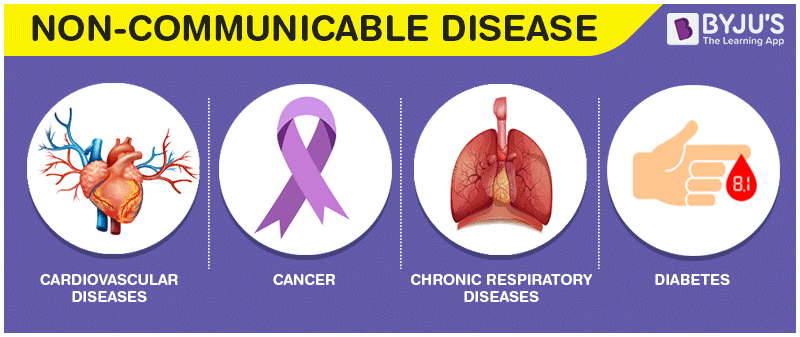
Unlike infectious diseases that often show symptoms quickly, NCDs usually develop slowly over many years, quietly damaging the body without obvious warning signs. Many people only discover they have these conditions when they become serious, after a heart attack, a stroke, severe breathing problems, or advanced stages of diabetes, making them especially dangerous and harder to manage once detected.
Kenya’s Growing Lifestyle Disease Challenge
In Kenya today, non-communicable diseases (NCDs) such as hypertension, diabetes, heart disease, cancer, and chronic respiratory illnesses are rapidly overtaking infectious diseases as a leading health burden, yet public health systems and funding have historically focused more on malaria, HIV/AIDS, and TB.
According to the 2025 Kenya Vital Statistics Report by the Kenya National Bureau of Statistics, NCDs accounted for 61.7 % of the total disease burden in 2024, up sharply from 52 % in 2023, while communicable diseases declined to under 27 % of the national disease profile. Despite this major shift, long-standing national programs and donor funding streams remain heavily oriented toward infectious diseases that have long dominated Kenya’s public health agenda.
Multiple local studies and national health plans confirm that NCDs are now major drivers of illness and death across the country. The Kenya National NCD Strategic Plan (2021–2026) estimates that NCDs now cause about 39 % of all deaths nationally, reflecting a dramatic increase in chronic disease mortality over the past decade.

Research from the African Population and Health Research Center (APHRC) also shows a steady rise in NCD-related deaths documented in Nairobi slums, highlighting that conditions like cardiovascular diseases and diabetes are not only widespread in urban settings but are claiming lives earlier than before.
Moreover, epidemiological data indicate that conditions such as hypertension affect a significant portion of Kenyan women of reproductive age, with nearly 9 % living with high blood pressure and other chronic conditions also present in younger populations.
These trends show that even as Kenya makes progress in controlling infectious diseases, the rapidly growing burden of non-communicable diseases now requires the same level of attention, funding, and integration into national health policies and public health programs.
Lifestyle and Environmental Drivers in Kenya
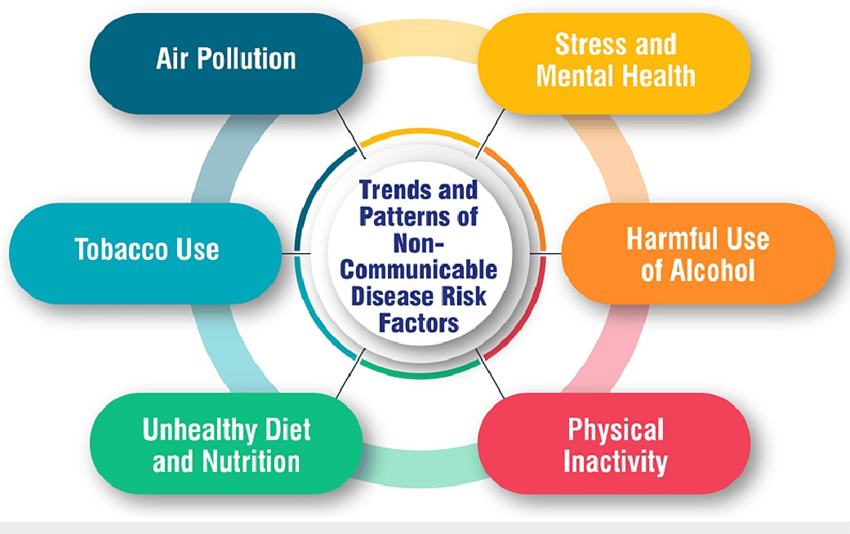
Have you noticed how common fast food joints, sugary drinks, and packaged snacks have become in cities like Nairobi, Mombasa, and Kisumu? Kenya’s rapid urbanization has brought more convenience foods to everyday life, but at a cost. Diets that were once based on fresh vegetables, grains, and traditional meals are now being replaced by high-calorie, low-nutrient options. Could the shift from home-cooked meals to instant meals be silently fueling the rise of diabetes, obesity, and heart disease across the country?
Research in Nairobi and other urban settings has found that frequent consumption of ultra‑processed and fast foods, high in salt, sugar, and refined carbohydrates, is linked to poorer diet quality and increased risk factors associated with non‑communicable diseases like obesity and hypertension among Kenyan adolescents and adults.
Is sitting at a desk for eight hours, then spending hours stuck in traffic, really harmless? Sedentary lifestyles are quietly taking a toll on Kenyans, especially office workers and students. Physical activity has dropped dramatically in urban areas, with fewer people walking or cycling as part of daily routines. Could our long commutes, screen time, and reduced exercise be setting the stage for chronic illnesses later in life? The combination of inactivity and poor diet creates a dangerous mix, raising the risk of obesity, high blood pressure, and type 2 diabetes.
And what about tobacco, alcohol, and air pollution, are they just minor annoyances, or silent contributors to Kenya’s health crisis? Smoking and drinking are on the rise among youth and adults, often linked to stress, peer pressure, or urban lifestyle pressures. At the same time, growing traffic and industrial activity have worsened air quality in cities, contributing to respiratory problems like asthma and chronic bronchitis. Could these everyday exposures be quietly shaping Kenya’s next generation of health challenges? Together, lifestyle habits and environmental factors show how the urban environment and modern living are influencing the rise of non-communicable diseases across the country.
Social and Economic Factors Fueling the NCD Burden
Why do so many Kenyans in cities struggle to maintain a healthy lifestyle despite knowing its importance? Rapid urbanization has brought millions into Nairobi, Mombasa, Kisumu, and other growing towns, but urban planning often fails to provide accessible green spaces or affordable options for fresh produce. Streets crowded with traffic and limited parks mean fewer opportunities for exercise, while fast food and convenience stores are everywhere. Could this urban environment be quietly pushing city residents toward poor diet and sedentary habits that increase their risk of non-communicable diseases?
How much do financial pressures and stress affect health choices in Kenya? Poverty and income inequality prevent many Kenyans from affording gym memberships, nutritious meals, or regular medical check-ups. Job insecurity, long working hours, and academic pressure for students add chronic stress, which contributes to unhealthy coping mechanisms such as alcohol consumption, smoking, and irregular eating habits. On top of this, awareness of personal health is low: many Kenyans don’t know their blood pressure, sugar, or cholesterol levels until complications arise. A 2025 national survey reported that nearly 60% of adults had never had a routine health check, highlighting a critical gap in early detection and prevention of NCDs.
Tackling Non-Communicable Diseases in Kenya
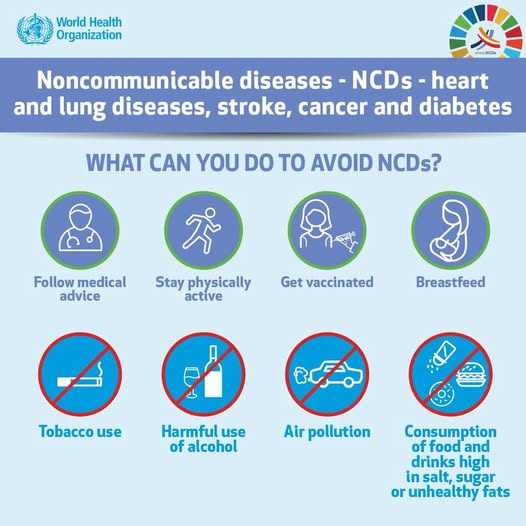
Addressing Kenya’s growing burden of lifestyle diseases means meeting people where they are, through public health messaging that connects everyday habits with long‑term health. Health campaigns by the Ministry of Health and partners have increasingly focused on promoting balanced diets, regular exercise, and smoking cessation, often using radio, social media, and community outreach to reach both urban and rural audiences.
Routine free or low‑cost screenings at county hospitals and health centers, such as blood pressure, blood sugar, and BMI checks, help catch early signs of hypertension and diabetes before they become severe. Wellness events like community walks and youth health clubs also create social support for healthier living, combining education with physical activity in practical, local settings that people can join without cost barriers.
Kenya currently imposes excise duty on alcohol and tobacco products, with recent reforms adjusting how these taxes are calculated, partly to raise costs and discourage excessive use. Proposals to introduce a specific sugary drink tax known as a Health Promotion Levy have been debated in Parliament to address rising lifestyle diseases linked to high sugar consumption, though this has not yet been enacted.
Efforts to strengthen tobacco control continue under national and county‑level enforcement of smoke‑free public spaces and advertising restrictions. Meanwhile, some county governments, including Nairobi and Mombasa, have introduced active transport initiatives such as expanding pedestrian walkways and proposing cycling lanes to encourage non‑motorized movement.
Schools are increasingly incorporating nutrition education, regular physical activity, and stress management programs into their routines, recognizing that young people who learn healthy habits early are less likely to develop chronic illnesses later. NGO‑led initiatives, such as diabetes awareness and support groups run by local organizations, have also helped fill gaps, offering practical guidance and peer support for families affected by lifestyle diseases. These combined efforts show that while Kenya’s NCD challenge is significant, there are concrete, community‑based, and policy‑driven steps already underway that can slow, and eventually reverse, the silent rise of lifestyle diseases across the country.
Lifestyle diseases are quietly taking over Kenya, driven by changing diets, sedentary lifestyles, stress, and limited awareness of personal health. From urban centers to rural communities, more Kenyans are facing diabetes, hypertension, heart disease, and other non-communicable conditions that often go unnoticed until it’s too late. While community programs, school initiatives, and government measures like alcohol and tobacco taxes are steps in the right direction, the challenge remains enormous. These interventions show that change is possible, but tackling lifestyle diseases requires coordinated action across households, schools, workplaces, and public policy.
With non-communicable diseases rising steadily, it is no longer a matter of how Kenya will respond, but when these silent threats will overwhelm the nation’s health system.

- The Rise of Suicide Posts in Digital Spaces Reflects a Growing Mental Health Crisis - February 22, 2026
- How Kenya’s Silent Lifestyle Disease Crisis Is Reshaping Public Health - February 12, 2026
- The Rise of Lifestyle Diseases Emerges as a Crisis Among Kenya’s Youth - February 9, 2026