Lifestyle diseases are on the rise, emerging as a growing crisis that is affecting more and more young people across Kenya, with long-term consequences for their health and future.
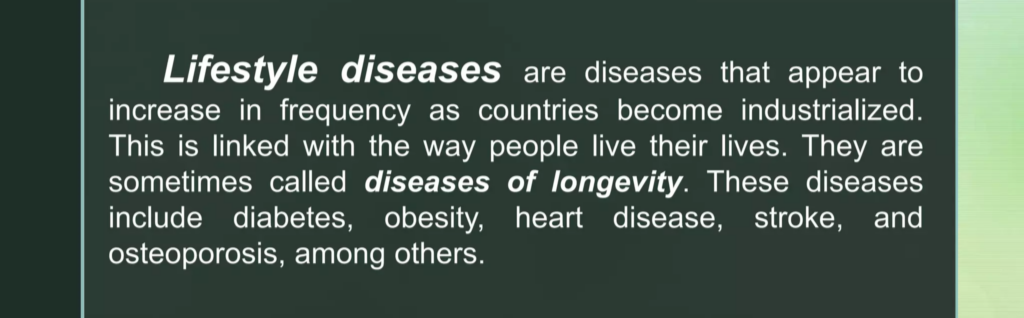
Lifestyle diseases are health conditions largely caused by everyday habits, such as poor diet, lack of exercise, smoking, and excessive alcohol consumption. For a long time, many people have paid little attention to them, assuming they are only illnesses like diabetes or hypertension, a perspective that is too narrow.
This February, as we observe Lifestyle Diseases Awareness Month, we will be highlighting feature articles that explore the full range of lifestyle-related health risks, aiming to raise awareness and promote better health literacy for all.

Lifestyle Diseases Now Threaten Youth Too
Lifestyle diseases are no longer confined to older adults, evidence shows they are increasingly prevalent across Kenya’s population, including younger age groups. According to the Kenya National NCD Strategic Plan, non‑communicable diseases such as heart disease, diabetes and chronic respiratory conditions now account for an estimated 39 % of all deaths in Kenya, with a growing share affecting economically active adults, not just older citizens.
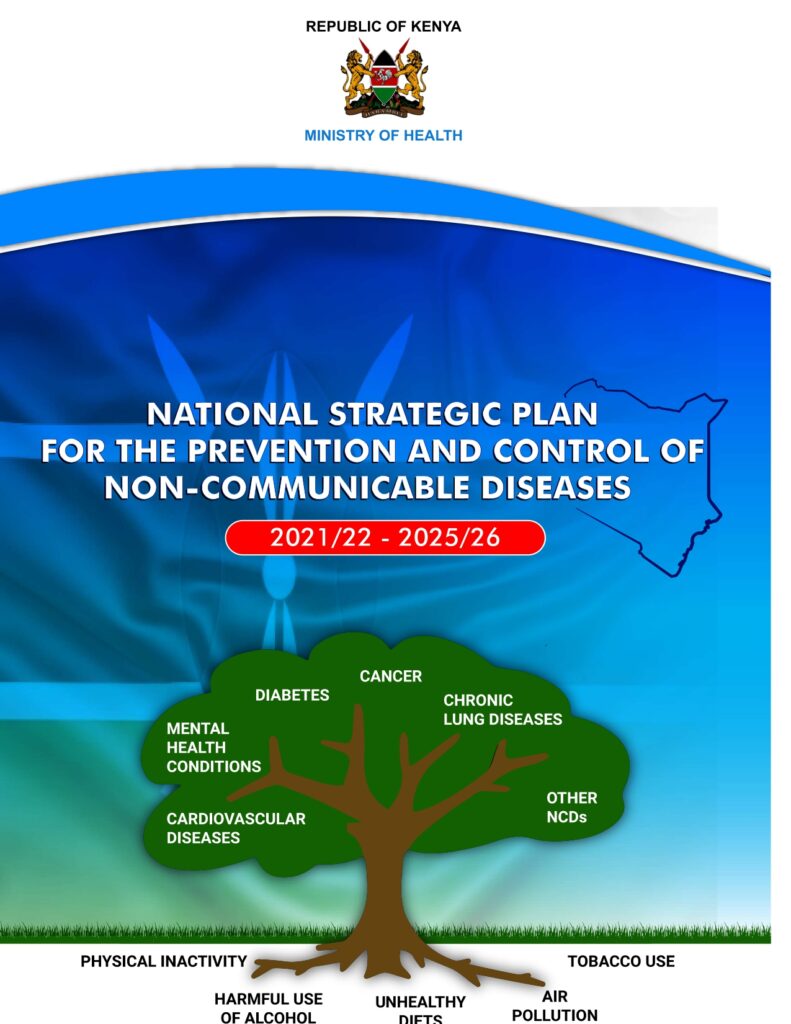
Research from national health surveys indicates that hypertension affects nearly a quarter of adults, while tobacco use and unhealthy diets continue to fuel risk factors across demographic groups. These patterns reflect a shift in the country’s health burden linked to urban lifestyles, changes in diet and reduced physical activity, underscoring the emergence of lifestyle diseases as a broader public health issue.
The consequences extend well beyond individual wellbeing to affect Kenya’s social and economic landscape. High rates of hypertension, obesity and diabetes translate into increased healthcare costs and reduced productivity, with studies showing that central obesity significantly raises the risk of hypertension and other cardiovascular risk factors among Kenyan adults.
This reminds me of January, observed globally as Healthy Weight and Obesity Awareness Month. Earlier this year, I wrote a feature “Obesity Through a Mental Health Lens,” which explored how excess weight affects not just physical health but mental wellbeing as well. While obesity was once seen primarily as an issue among older adults, recent research shows it is increasingly affecting teens and young people in Kenya, a trend that mirrors the rise of other lifestyle diseases among youth. This highlights the urgent need to raise awareness and promote healthy habits across all age groups, not just older adults.
In addition, research on knowledge and awareness among young people reveals low understanding of NCD risk factors, suggesting that many individuals are unaware of how diet, exercise and other daily behaviors influence long‑term health outcomes. Without comprehensive prevention strategies and improved health literacy, these trends could solidify lifestyle diseases as an entrenched crisis that affects people of all ages across the country.
Top Lifestyle Diseases
These are chronic conditions primarily caused by daily habits and choices, and many are largely preventable or manageable. They include, but are not limited to, cardiovascular diseases such as heart disease and stroke; type 2 diabetes, often linked to poor diet and physical inactivity; hypertension, or high blood pressure; and obesity, which affects roughly one in eight people globally. Other common lifestyle-related conditions include chronic respiratory diseases, frequently associated with smoking, as well as liver and kidney diseases, often caused by excessive alcohol consumption, poor nutrition, and sedentary lifestyles.
This trend is being labeled a public health crisis because lifestyle diseases have far-reaching consequences that extend beyond individual health. Long-term, they increase the risk of serious complications such as heart attacks, strokes, kidney failure, and vision loss, placing immense pressure on Kenya’s healthcare system.
Socially, affected individuals may struggle with education, employment, and daily functioning, while families face emotional and financial stress. Economically, the growing prevalence of preventable conditions drives up healthcare costs and reduces workforce productivity, creating a burden that affects communities and the nation as a whole.
Without urgent interventions, these diseases threaten to entrench a cycle of poor health and reduced economic potential across the population.
Behind the Rise
Urban lifestyles, changing diets, and sedentary habits are key drivers behind the increase in lifestyle diseases among young people. In Kenya, research has shown that as families become more prosperous and urbanised, traditional diets are being displaced by processed and high‑calorie foods, particularly in city settings. A study published in the Journal of Nutrition Education and Behavior found that increasing economic status in Nairobi is linked to more frequent consumption of snacks and fast foods among pre‑adolescents, which contributes to rising obesity and related health risks.
Sedentary behaviour and lack of physical activity are also contributing significantly to this trend. Evidence from sub‑Saharan Africa shows that adolescents spend long hours in sedentary activities like watching television, using mobile phones, or chatting online, behaviours that are associated with increased risk of obesity and cardiovascular problems later in life. While this research focused on a Kenyan coastal setting, its findings highlight how screen time and inactivity are becoming entrenched habits that raise the likelihood of lifestyle disease development.
Socioeconomic factors further influence these unhealthy patterns. Limited access to nutritious, affordable foods and safe spaces for exercise in urban communities has been linked to poor dietary choices and reduced physical activity among youth. A national survey in Kenya found socioeconomic inequalities in healthy eating, with wealthier households more likely to consume less healthy diets, while households with lower education or limited resources struggle to meet dietary recommendations.
Ripple Effects of Lifestyle Diseases
Have you ever wondered how lifestyle diseases affect young people in ways we don’t always notice? Beyond the obvious health risks, many teens and young adults struggle with fatigue, headaches, or difficulty concentrating in school or at work. Imagine trying to study for exams or meet deadlines while managing high blood pressure or early signs of diabetes, it’s a challenge that too many are facing today.
And it’s not just the body that suffers. How do you feel when your energy is low, or when you constantly worry about your health? Many young people dealing with lifestyle diseases report stress, anxiety, and even feelings of isolation. These mental strains can make it harder to stick to healthy habits, creating a cycle that’s tough to break without support from family, friends, or mentors.
The broader societal costs of lifestyle diseases are already becoming clear in Africa and beyond. Non‑communicable diseases, including diabetes, hypertension, and cardiovascular conditions, not only lead to premature death but also carry significant economic consequences, measured in lost productivity and increased healthcare spending.
According to the World Health Organization, non-communicable diseases contribute to billions of dollars in economic losses across the continent every year, reducing workforce participation and output. These losses affect individuals, families, and the national economy, showing why lifestyle diseases are a growing public health and economic concern.
Healthy Choices, Brighter Futures
Preventive measures are the first line of defense against lifestyle diseases. Regular exercise, a balanced diet rich in fruits and vegetables, reducing screen time, quitting smoking, and moderating alcohol intake can dramatically lower the risk of conditions like diabetes, hypertension, and heart disease. Small, consistent changes in daily habits can have a lasting impact, and starting healthy routines early in life is especially important for young people who are increasingly affected.
Health literacy and awareness play a key role in preventing lifestyle diseases. Schools, workplaces, and communities can help by educating young people about the risks and teaching practical strategies to stay healthy. Awareness campaigns, workshops, and peer-led programs make information more accessible and relatable, enabling individuals to make informed decisions about their lifestyle choices.
Government and policy interventions can create an environment that supports healthier living. Programs that provide safe recreational spaces, enforce nutrition labeling, or expand affordable healthcare access make it easier for people to adopt and maintain healthy habits. Public policies that prioritize prevention can reduce the long-term burden on the healthcare system while empowering citizens to take control of their health.
Technology and innovation offer new tools to help people monitor and improve their health. Apps and online programs can track diet, physical activity, and mental wellbeing, while AI-driven tools can provide personalized recommendations or alerts. These digital solutions are particularly useful for young people, who are already comfortable using smartphones and online platforms, and they can complement community and government-led initiatives.
Addressing lifestyle diseases requires action from everyone, individuals, families, communities, and policymakers alike. By making small changes, staying informed, and supporting each other, we can prevent these conditions from becoming even more widespread. The rise of lifestyle diseases may be alarming, but with collective effort, education, and accessible resources, Kenya can turn the tide and ensure healthier futures for all.
Are we, as a community, doing enough to support healthy choices for our youth?

- The Rise of Suicide Posts in Digital Spaces Reflects a Growing Mental Health Crisis - February 22, 2026
- How Kenya’s Silent Lifestyle Disease Crisis Is Reshaping Public Health - February 12, 2026
- The Rise of Lifestyle Diseases Emerges as a Crisis Among Kenya’s Youth - February 9, 2026