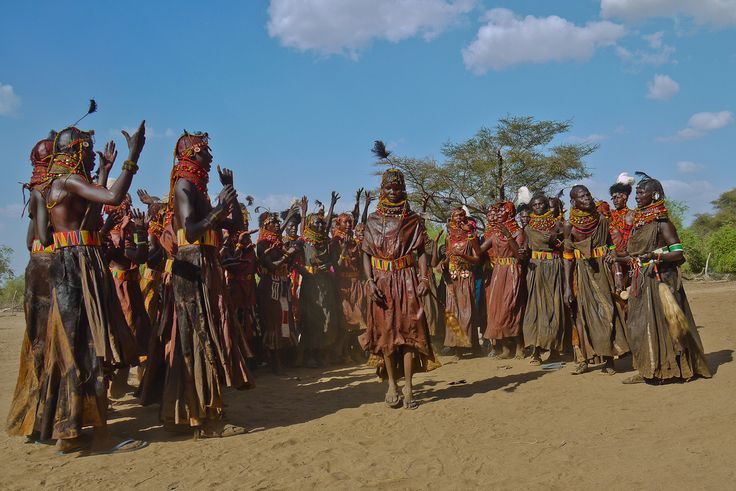
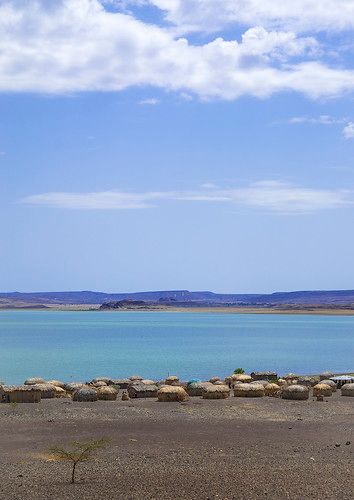
Tucked away on the southeastern shores of Lake Turkana, Kenya’s jade-colored inland sea, lives a community so small that many Kenyans have never heard of them. The El Molo people, numbering fewer than 5,000 individuals, represent one of Africa’s most endangered indigenous communities. Their story is one of remarkable resilience, ancient traditions clinging to survival, and a unique culture shaped by the harsh beauty of Kenya’s northern frontier.
For centuries, these fisher people have called the rocky shores of Lake Turkana home, developing a way of life so intimately connected to the lake that their very identity is inseparable from its waters. But today, the El Molo stand at a crossroads, their traditional lifestyle threatened by environmental changes, cultural assimilation, and the relentless march of modernity.
Origins and Historical Background
The El Molo, who call themselves “Gumarre,” meaning “the people,” have occupied the Lake Turkana region for countless generations. Their exact origins remain somewhat mysterious, wrapped in oral histories passed down through generations around evening fires. Most scholars believe they migrated to the lake’s shores from the Ethiopian highlands sometime between the 17th and 18th centuries, though the El Molo themselves trace their ancestry back much further.
The name “El Molo” actually comes from neighboring Samburu pastoralists and translates roughly to “those who eat fish” or “eaters of fish”—a name that was initially somewhat derogatory, as many pastoralist communities looked down upon fishing as an inferior livelihood compared to cattle herding. This cultural bias would later contribute to the El Molo’s isolation and small population size, as intermarriage with neighboring groups was historically rare.
By the early 20th century, when colonial administrators first documented them, the El Molo numbered only around 100-150 people, making them already one of Africa’s smallest ethnic groups. Colonial records from the 1930s painted a picture of a dying community, predictions that fortunately haven’t fully materialized, though the tribe remains critically small.
Traditional Lifestyle and Lake Turkana Connection
Everything about traditional El Molo life revolved around Lake Turkana. Unlike their pastoralist neighbors—the Samburu, Rendille, and Turkana—who measured wealth in cattle and camels, the El Molo measured theirs in fishing knowledge, hippo ivory, and the bounty of the lake.
Their fishing techniques were ingenious adaptations to their environment. Using dome-shaped traps woven from doum palm fronds, spears crafted from local wood, and later, fishing lines and hooks, El Molo fishermen harvested tilapia, Nile perch, and catfish from the lake’s alkaline waters. The catching of crocodiles and hippos was reserved for the bravest hunters and carried enormous prestige. Hippo meat was a delicacy, hippo fat was rendered for various uses, and hippo ivory was traded with neighboring communities for items the El Molo couldn’t produce themselves.
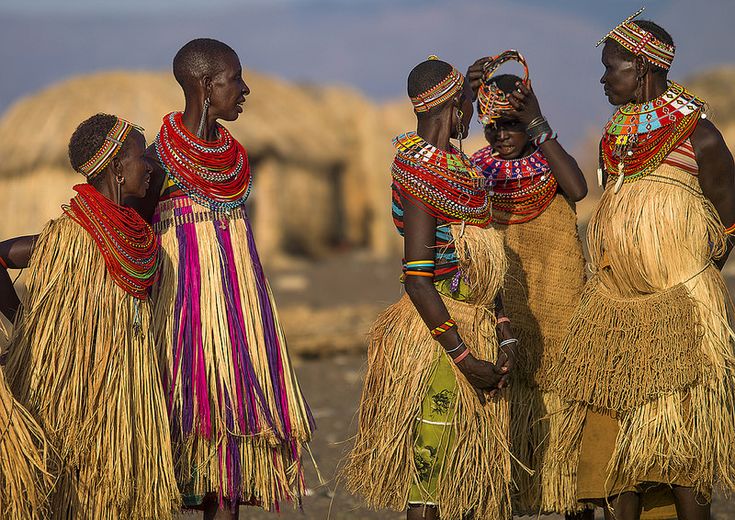
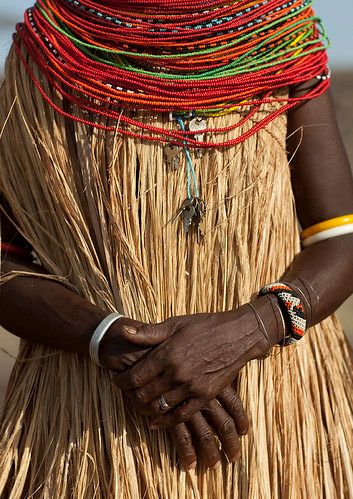
Women played crucial roles in processing fish, preparing food, and crafting the beautiful beadwork for which the community became known. Their traditional beaded ornaments, characterized by distinctive patterns and colors, told stories of status, age, and clan affiliation.
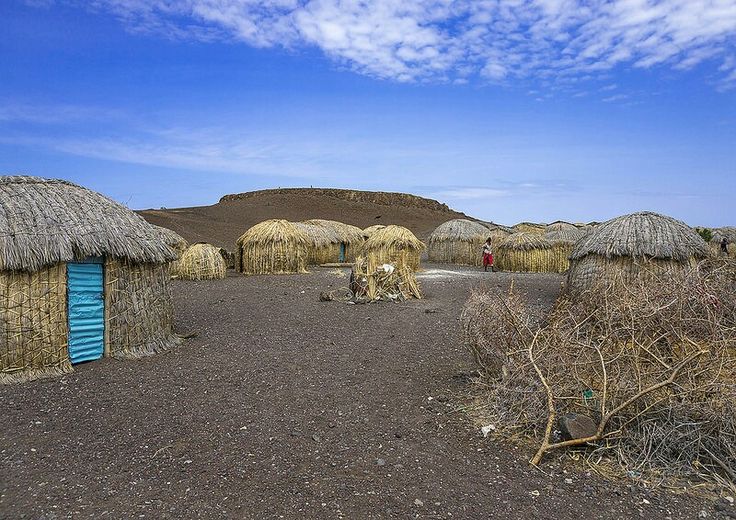
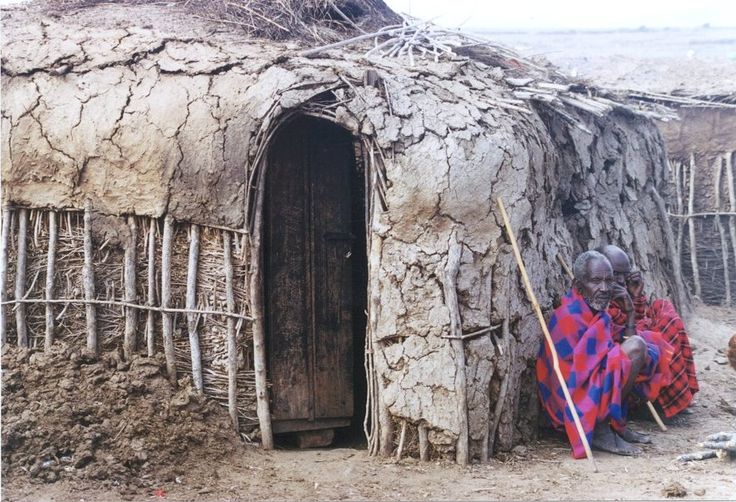
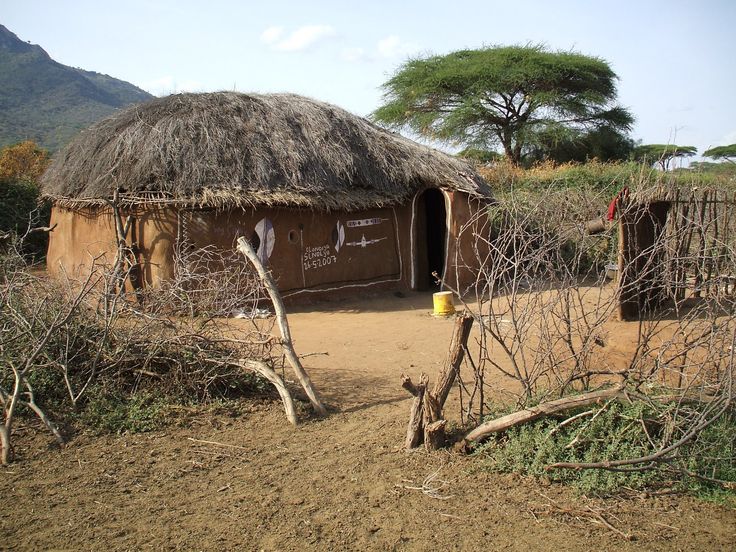
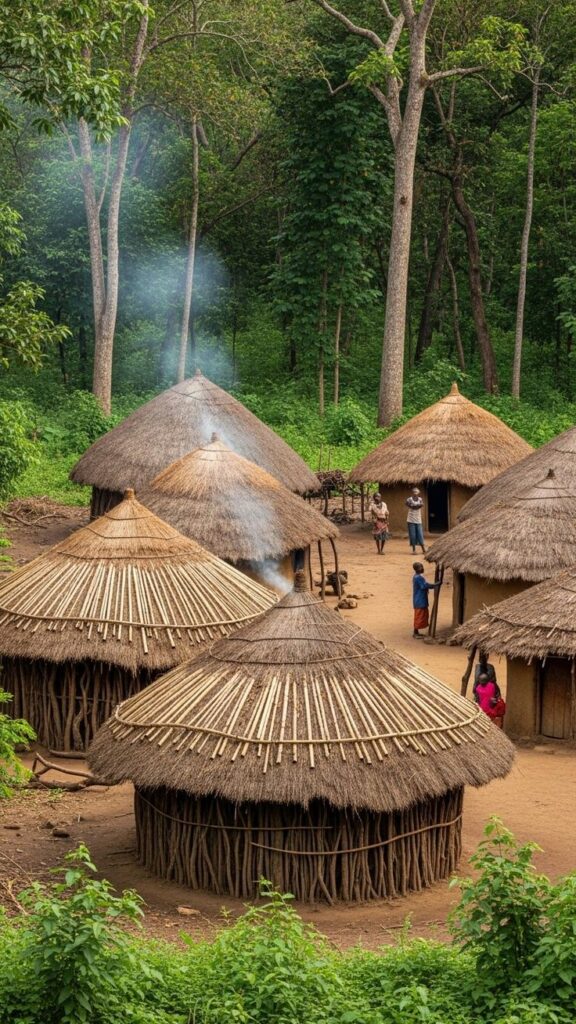
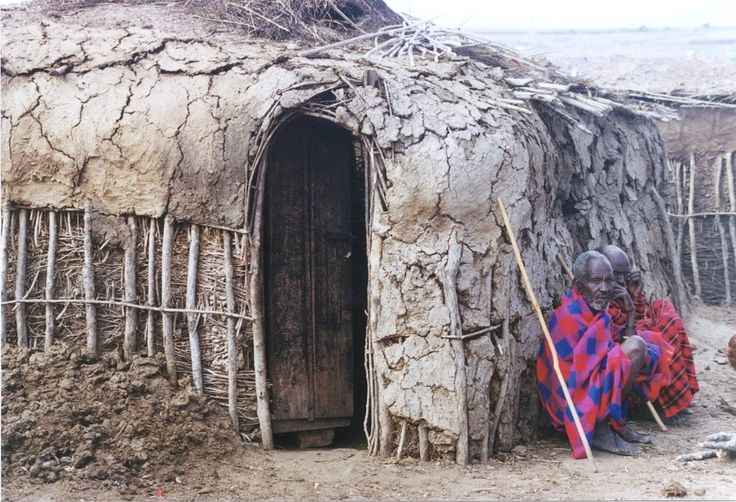
El Molo homes were simple but perfectly adapted to their semi-nomadic lifestyle along the lakeshore. Constructed from doum palm fronds, these dome-shaped structures could be dismantled and rebuilt as fishing grounds shifted or as flood waters rose and fell.
Language: A Tongue Nearly Lost
Perhaps nothing illustrates the El Molo’s precarious position more starkly than the near-extinction of their language. The original El Molo language, a Cushitic tongue related to languages spoken in Ethiopia and Somalia, is now functionally extinct. Linguists classify it as “dormant,” with no fluent speakers remaining.
Today, most El Molo speak Samburu, the language of their pastoralist neighbors, as their primary language, with many also speaking Swahili and some English. This linguistic shift occurred gradually over the 20th century as the El Molo increasingly intermarried with the Samburu and adopted aspects of pastoralist culture. The loss represents not just vocabulary and grammar but centuries of accumulated knowledge, stories, and ways of understanding the world that were encoded in those words.
Language preservation efforts have been minimal, partly because the shift happened before modern language documentation technologies became widely available, and partly because the community itself prioritized survival and integration over language maintenance.
Cultural Practices and Beliefs
Despite significant cultural changes, the El Molo maintain certain distinctive traditions. Their spiritual beliefs traditionally centered on a supreme being and various spirits associated with the lake, fish, and natural phenomena. Elders served as spiritual intermediaries and decision-makers, a system that persists in modified form today.
Coming-of-age ceremonies, though less elaborate than in previous generations, still mark important transitions in young people’s lives. Historically, young men proved their manhood through fishing prowess and particularly through participating in hippo or crocodile hunts—dangerous undertakings that sometimes claimed lives.
The El Molo have a rich tradition of oral storytelling, with tales explaining natural phenomena around Lake Turkana, recounting heroic fishing expeditions, and preserving genealogies. These stories, now primarily told in Samburu, represent one of the few remaining threads connecting current generations to their pre-contact ancestors.

Challenges Facing the Community
The El Molo face a perfect storm of challenges that threaten their continued existence as a distinct people. Environmental degradation tops the list. Lake Turkana’s water levels have fluctuated dramatically in recent decades, affecting fish populations and disrupting traditional fishing grounds. Climate change has brought more frequent droughts and unpredictable weather patterns to an already harsh environment.
The construction of dams on the Omo River in Ethiopia, which feeds Lake Turkana, has reduced water flow into the lake, raising concerns about long-term sustainability of fish stocks and water quality. These changes directly threaten the foundation of El Molo identity and livelihood.
Cultural assimilation presents another existential threat. As El Molo men increasingly marry Samburu women and adopt pastoralist lifestyles, the distinct El Molo culture dilutes with each generation. The economic incentive is clear: in northern Kenya’s harsh environment, owning livestock represents security and status in ways that fishing cannot match.
Access to education and healthcare remains limited in Loiyangalani and surrounding areas. The region’s remoteness means that basic services are scarce, and young people often must choose between pursuing education elsewhere or remaining in their community—a choice that usually means leaving traditional ways behind.
Modern Changes and Adaptations
The El Molo haven’t simply been passive victims of change; they’ve actively adapted to new realities. Many El Molo have diversified their livelihoods, combining fishing with small-scale livestock keeping, casual labor, and participation in the limited tourism that reaches Lake Turkana’s shores.
Some El Molo have found employment at the Desert Museum in Loiyangalani, which showcases the cultures of Lake Turkana’s various indigenous peoples. Others sell crafts to the occasional tourists who make the arduous journey to Kenya’s remote north.
Education, though still limited, is slowly increasing among El Molo youth. A few individuals have pursued higher education and professional careers, becoming teachers, nurses, and civil servants. These educated El Molo face the challenge of balancing modern opportunities with cultural preservation.
Small-scale development projects have introduced improved fishing equipment, water storage systems, and solar power to some El Molo settlements. While these improvements enhance quality of life, they also represent further integration into mainstream Kenyan society and gradual departure from purely traditional ways.
Conservation and Cultural Preservation Efforts
Recognition of the El Molo’s endangered status has sparked some preservation efforts, though these remain limited. UNESCO and various anthropological organizations have documented El Molo culture through photographs, recordings, and written accounts, creating archives for future generations.
Local community-based organizations have emerged to advocate for El Molo rights and interests, particularly regarding access to fishing grounds and resources around Lake Turkana. These groups work to ensure the El Molo voice is heard in regional development discussions.
The Kenyan government recognizes the El Molo as a distinct ethnic group, though practical support for cultural preservation has been minimal. The broader challenge lies in supporting a traditional lifestyle that may no longer be economically viable while respecting the community’s right to self-determination.
Tourism, if carefully managed, could provide economic incentives for cultural preservation. “Cultural tourism” that allows visitors to learn about El Molo traditions while providing income to the community represents one potential path forward, though this must be balanced against the risk of cultural commodification.
The Future of the El Molo
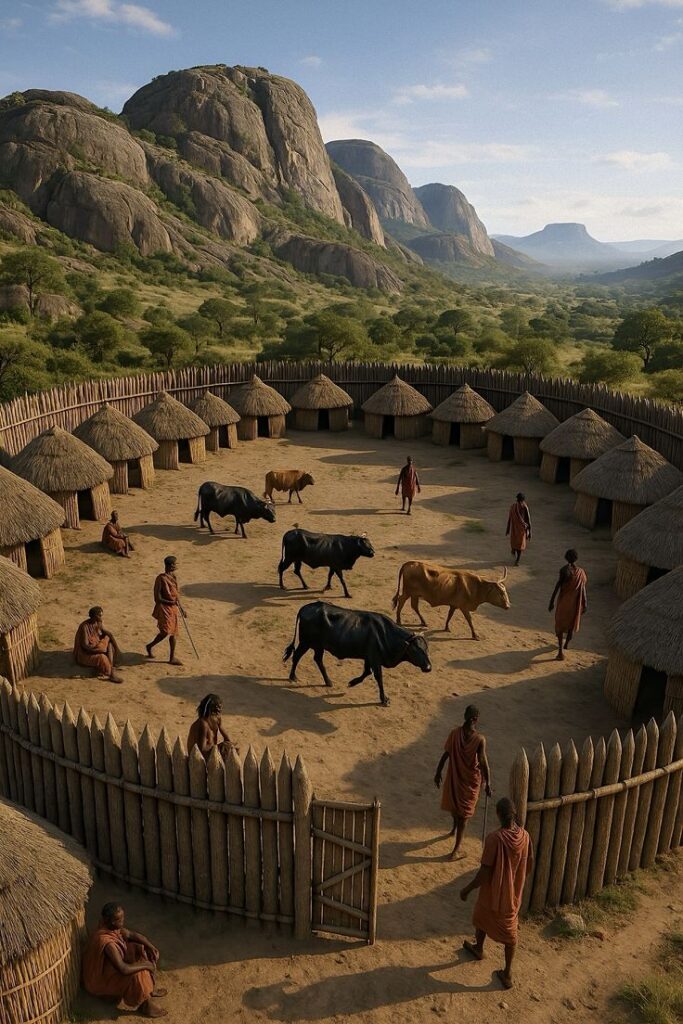
The El Molo stand at a pivotal moment. Current population estimates suggest around 4,000-5,000 people who identify as El Molo, a significant increase from the critically low numbers of the mid-20th century. However, this demographic recovery masks profound cultural changes, as most who claim El Molo identity live lifestyles indistinguishable from their Samburu neighbors.
The question facing the community isn’t simply one of physical survival—though environmental challenges remain serious—but of cultural survival. Can a people maintain their distinct identity when their language is gone, their traditional livelihood is increasingly unsustainable, and integration into larger neighboring cultures offers clear advantages?
Some argue that the El Molo’s evolution into a hybrid Samburu-El Molo culture represents natural adaptation rather than cultural death. Others contend that certain core elements—the connection to Lake Turkana, particular spiritual practices, origin stories—deserve deliberate preservation efforts even as other aspects change.
Young El Molo increasingly navigate between worlds, wearing modern clothes and using smartphones while maintaining pride in their heritage. They face choices their ancestors never imagined: whether to prioritize education or traditional knowledge, whether to leave Loiyangalani for opportunities elsewhere, how to balance Kenyan national identity with ethnic particularity.
The El Molo people’s story reminds us that culture is not static but constantly evolving in response to environmental, economic, and social pressures. Their journey from isolated lake-dwelling fishers to their current position as Kenya’s smallest tribe illustrates both the fragility of small indigenous communities and their remarkable capacity for adaptation.
What makes the El Molo significant extends beyond their small numbers. They represent a unique adaptation to one of Africa’s most challenging environments, a distinct way of understanding humanity’s relationship with nature, and a living connection to Kenya’s pre-colonial past. Their traditional ecological knowledge about Lake Turkana’s ecosystem holds value not just for anthropologists but for anyone concerned with sustainable resource management in East Africa’s arid lands.
As Kenya develops and modernizes, finding space for small indigenous communities like the El Molo becomes increasingly challenging. Yet their survival—both physical and cultural—enriches Kenya’s diversity and reminds us that there are many valid ways of being human, many paths to a meaningful life.
The El Molo’s future remains uncertain, suspended between the pull of tradition and the push of modernity, between the familiar shores of Lake Turkana and the wider world beyond. Whatever that future holds, the resilience they’ve shown over centuries suggests that reports of their extinction, whether cultural or physical, remain premature. The people of the jade sea continue their quiet resistance, adapting, surviving, and maintaining their claim to a sliver of lakeshore in Kenya’s wild north.
References
Fratkin, E. (1991). Surviving drought and development: Ariaal pastoralists of northern Kenya. Westview Press.
Stiles, D. (1988). The El Molo of Lake Turkana: A changing way of life. Kenya Past and Present, 20, 23-28.
Sobania, N. (1991). Feasts, famines and friends: Nineteenth century exchange and ethnicity in the eastern Lake Turkana regional system. In J. G. Galaty & P. Bonte (Eds.), Herders, warriors, and traders: Pastoralism in Africa (pp. 118-142). Westview Press.
Turton, E. R. (1975). Bantu, Galla and Somali migrations in the Horn of Africa: A reassessment of the Juba/Tana area. The Journal of African History, 16(4), 519-537.
UNESCO. (2009). Atlas of the world’s languages in danger. UNESCO Publishing.
Author’s Note: This article draws on available ethnographic literature and reports about the El Molo people. Ongoing environmental and cultural changes mean that conditions continue to evolve for this remarkable community. Photo credits to AI and online sources.

- Must-Watch Movies Releasing in 2026: Your Complete Enterta1nment Calendar. - February 11, 2026
- World Tropical Diseases Day: The Silent Suffer1ng of 1.6b Lives. - January 31, 2026
- The El Molo Tribe: Kenya’s Last Fisher People Fight1ng for Survival on Lake Turkana’s Shores - January 30, 2026