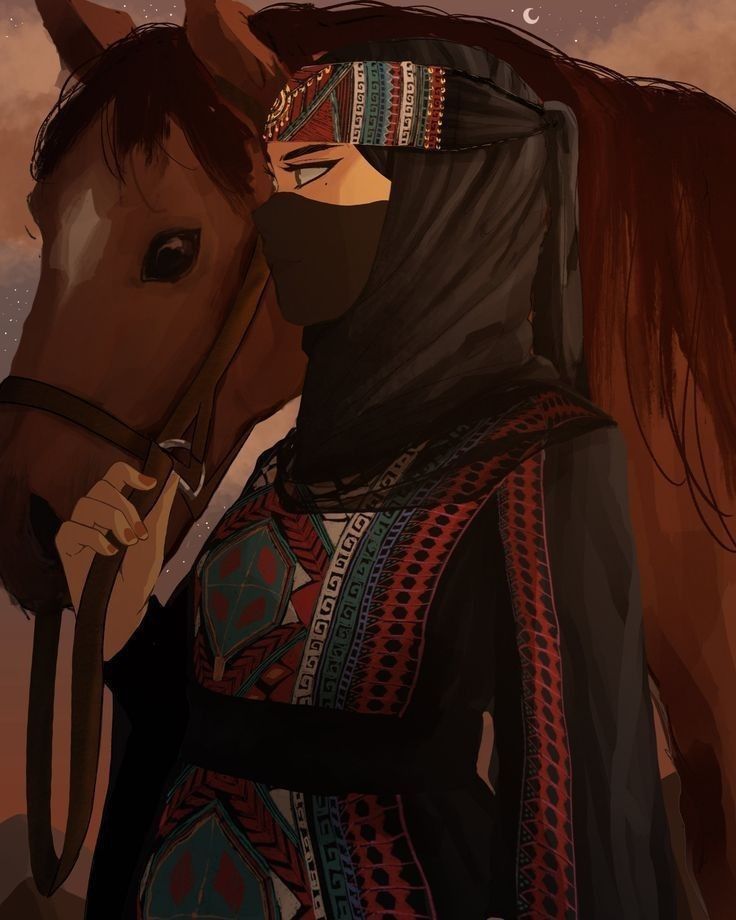
How Two Hearts Found Balance Between Tradition and Tomorrow in Nairobi’s Bustling Streets
Safiya Khamis adjusted her hijab as she stepped into the co-working space in Westlands, her laptop bag heavy with dreams and determination. At twenty-eight, she had built a successful digital marketing consultancy from her one-bedroom apartment in South C, but today marked something different. Today, she was meeting a potential business partner who came highly recommended by her mentor at the mosque.
“Asalaamu alaikum,” came a warm voice behind her.
She turned to find Tariq Bashir, a man whose reputation in Nairobi’s tech scene preceded him. What her mentor hadn’t mentioned was the unexpected gentleness in his eyes, or how his professional demeanor somehow made her feel both comfortable and slightly nervous.
“Wa alaikum salaam,” she replied, noting how he maintained respectful distance, his gaze professional yet genuinely interested.
This wasn’t supposed to be anything more than business. But Allah had other plans.
Three months into their partnership, Safiya realized something profound. While developing their joint venture, a halal investment platform for young Muslims, she and Tariq had achieved something rare in modern relationships: complete financial transparency.
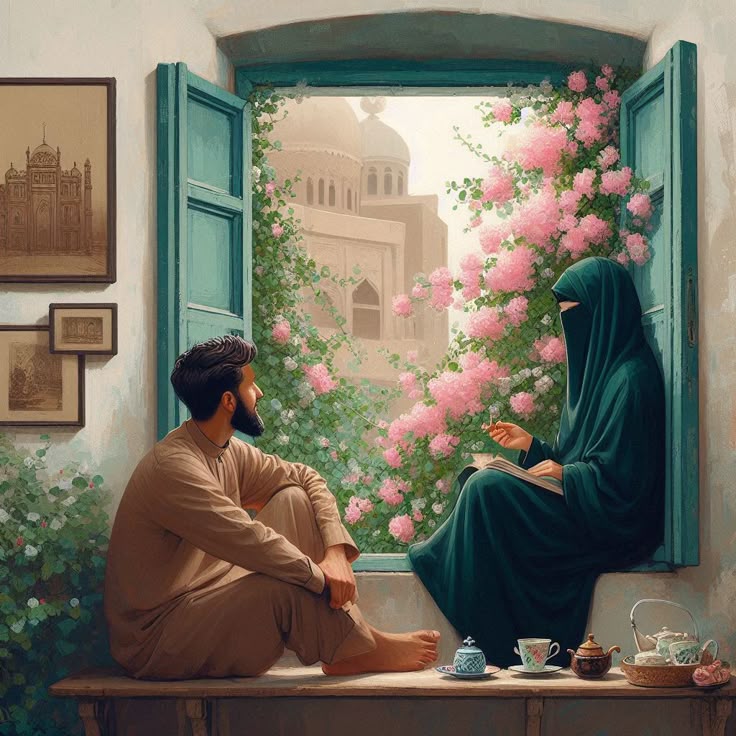
“Nimefanya hesabu,” Tariq said one evening, switching to Swahili as he often did when discussing serious matters. “I’ve done the calculations. If we’re honest about our financial goals, this partnership works. But more importantly, if we’re considering something beyond business…” He paused, his vulnerability showing. “I believe in full disclosure.”
Safiya’s heart raced. They hadn’t explicitly discussed marriage, but the unspoken possibility hung between them like morning mist over Karura Forest.
“In Islam,” she began carefully, “the mahr is about transparency and respect. But modern financial intimacy goes deeper, right? It’s about shared values, not just shared accounts.”
What followed was unprecedented in her experience. Tariq shared everything: his student loans from his Computer Science degree at UoN, his plan to support his mother in Kisumu, his sadness about credit card debt he’d accumulated in his twenties, and his dreams of building generational wealth through halal means.
“Most people wait until after nikaah for these conversations,” Safiya observed, impressed despite herself.
“And most people struggle with money issues that could have been prevented,” Tariq countered. “The Prophet Muhammad, peace be upon him, emphasized honesty in all dealings. Why should marriage be different?”
This wasn’t the romance of Bollywood movies or the passion of forbidden love stories. This was something her generation desperately needed: practical intimacy built on trust and truth.
Just as Safiya began imagining their future together, Tariq dropped a revelation that shattered her assumptions.
“There’s something else you need to know,” he said during one of their evening walks along Ngong Road. “I was married before. For two years. It ended in talaq eighteen months ago.”
Safiya stopped walking. The Nairobi traffic roared around them, but she barely heard it.
“You’re divorced?” The word felt heavy in her mouth.
“Yes. And I have a five-year-old daughter, Lina. She lives with her mother in Mombasa, but I visit every month and contribute to her upbringing fully.”
This was the test, Safiya realized. Not of her faith, but of her capacity for grace, for understanding the complexity of modern Muslim lives that didn’t fit neat narratives.
“Why didn’t you tell me earlier?” she asked, her voice steady despite the storm in her heart.
“Because I needed you to know me first. To see that I’m committed to transparency, to responsibility, to growth. Many women hear ‘divorced with a child’ and see only complications. I needed you to see the man behind the circumstances.”

That revelation became their turning point. Instead of retreating, Safiya chose curiosity over judgment. She asked to meet Lina, to understand Tariq’s co-parenting relationship with his ex-wife, Halima. What she discovered challenged everything she thought she knew about Islamic relationships.
“Halima and I realized we wanted different lives,” Tariq explained as they sat in a quiet corner of Java House in Lavington. “She wanted a traditional setup where she stayed home. I supported that, but she also wanted me to abandon my business dreams for a corporate job with ‘stability.’ Our visions for the future were fundamentally incompatible.”
“So you divorced amicably?” Safiya asked, still processing.
“We followed the Islamic principles of ihsan, of excellence and kindness, even in separation. We co-parent with respect. We communicate about Lina’s needs. Halima has remarried, and I genuinely wish her well. That’s emotional maturity, isn’t it?”
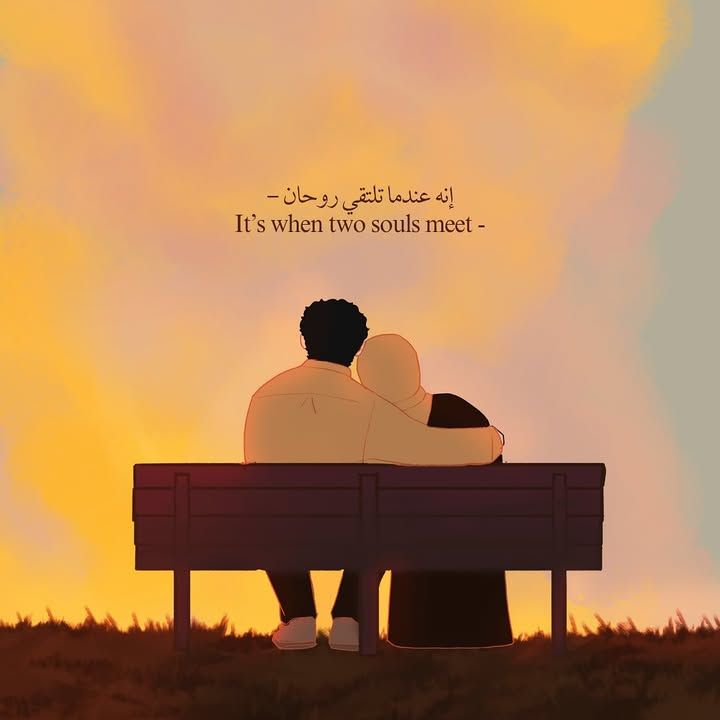
Safiya found herself rethinking intimacy entirely. She’d grown up with stories of romantic love, but here was something deeper: a man who understood that true connection meant emotional intelligence, respect across boundaries, and the courage to end what wasn’t working rather than persist in misery.
“In our generation,” she said slowly, “we’re redefining what Islamic relationships look like. It’s not just about following rules, it’s about understanding their spirit. The Prophet’s marriages showed diversity, negotiation, and mutual respect. Why do we act like there’s only one template?”
Despite their deep conversations, Safiya and Tariq weren’t immune to modern communication pitfalls. The very technology that connected them sometimes created chasms of misunderstanding. It started with a message left on read.
Safiya had poured her heart into a long WhatsApp message about her fears of becoming a stepmother, her worries about whether she could love Lina fully, her anxiety about navigating relationships with Halima. She’d sent it at 11 PM, vulnerable and raw.
Tariq read it at midnight. And didn’t respond. For three days.
“Yoh, ulikuwa wapi?” she finally confronted him. “Where were you? I opened my heart and you disappeared. Ata haukujibu text yangu!”
“I was thinking!” Tariq protested. “Your message required a thoughtful response, not a quick text. I didn’t want to reduce something so important to ‘ok noted’ or emojis.”
“But silence felt like rejection!”
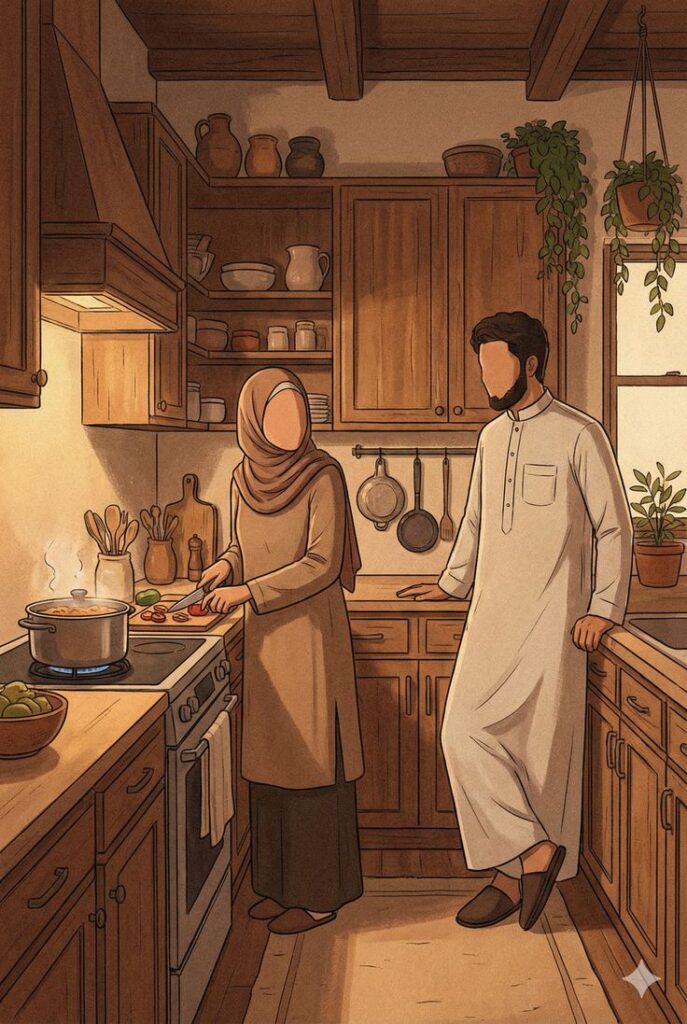
This became their crucial lesson in modern communication. In a world of instant messaging, immediate responses, and constant connectivity, they’d forgotten the Islamic principle of قول معروف, speaking kindly and appropriately. Sometimes that meant saying “I received this, I need time to respond properly,” rather than saying nothing.
They established new boundaries. Acknowledge important messages even if a full response takes time. Voice notes for complex emotional topics instead of text that could be misinterpreted. Friday evening video calls for check-ins, no matter how busy the week. No serious discussions via text after 10 PM when emotions run high.
“Technology should serve our relationship, not define it,” Tariq said as they implemented their communication charter. “The Quran emphasizes clear communication. We’re just adapting that for the digital age.”

Six months into their relationship, both families began asking the inevitable question: “When is the nikah?” But Safiya and Tariq had learned to recognize green flags, those subtle indicators of compatibility that went beyond surface attraction. Tariq’s consistency in Salah showed discipline and spiritual commitment. His relationship with his mother demonstrated respect for women. How he spoke about Halima revealed his character when things went wrong. His financial transparency indicated trustworthiness. His vulnerability showed emotional availability.
“These are my green flags for you,” Safiya told him one evening as they broke fast together during Ramadan. “But I also have red lines. Boundaries that can’t be crossed.”
She articulated them clearly. Her career wasn’t negotiable; any marriage would be a partnership of equals. Financial independence mattered; she would contribute to their home while maintaining her business. His relationship with Lina was beautiful, but she needed time to build her own bond with the child. They would make major decisions together, consulting each other before family. Her spiritual growth was personal; she wouldn’t accept pressure to conform to someone else’s interpretation of faith.
Tariq listened, then shared his own boundaries. His daughter would always be part of his life; any partner must accept this. He needed a wife who understood entrepreneurship’s uncertainties. Respect for his ex-wife’s role in Lina’s life was non-negotiable. He valued intellectual partnership and needed someone who challenged him. His faith was central; he needed a partner for both dunya and akhirah.
“This is what modern Islamic relationships look like,” Safiya reflected. “Clear boundaries rooted in self-knowledge and mutual respect. Not rules imposed from outside, but commitments we choose together.”

When they finally decided to proceed with nikah, their families expected a traditional ceremony. What they got was a thoroughly modern, deeply Islamic union that challenged conventions. Safiya and Tariq spent weeks crafting their marriage contract with a progressive sheikh who understood contemporary challenges. Their agreement included a substantial mahr paid partially upfront, partially invested in Safiya’s business. Stipulations about career support and domestic responsibilities shared equally. Agreements about future children and co-parenting with Halima regarding Lina. Financial arrangements that preserved Safiya’s independence while building joint wealth. Clauses about conflict resolution including counseling if needed. Mutual agreement on family planning and reproductive choices. Stipulations about continued education and personal growth.
“Hii ni marriage ama it’s a business deal?” Tariq’s aunt whispered scandalized at the contract signing. “Is this marriage or a business deal?”
The sheikh overheard and smiled. “This is exactly what Islamic marriage should be. The Prophet’s contract with Khadijah was detailed and respectful. Marriage in Islam is a sacred contract. Why shouldn’t it address modern realities?”
But the real surprise came with their housing arrangement. Instead of the expected setup where Safiya would move into Tariq’s home, they decided on something radical: separate apartments in the same building for the first year.
“We need time to adjust,” Safiya explained to her shocked mother. “I’m becoming a wife and a stepmother simultaneously. Tariq is learning to share his life after being single for eighteen months. We’ll spend weekends together, share meals, build our bond. But we both need space to transition.”
“Hii ni nini?” her mother exclaimed in Swahili. “What is this?”
“It’s us honoring both our tradition and our reality, Mama. Islam gives us flexibility. The Prophet’s marriages took different forms. Why can’t ours?”
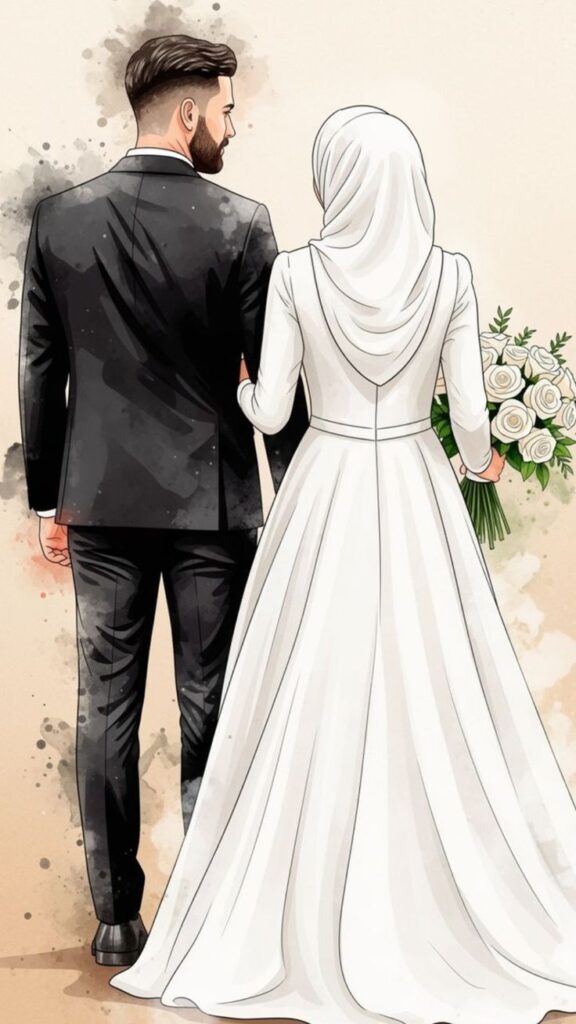
The first three months of marriage revealed the importance of lifestyle alignment in ways Safiya hadn’t anticipated. It wasn’t about major theological differences, it was about the tiny daily choices that either harmonized or clashed. Tariq was a morning person who prayed Fajr and immediately started working. Safiya was a night owl who did her best creative work after Isha. He loved adventure sports and hiking in the Aberdares. She preferred quiet weekends with books and art galleries at the Nairobi National Museum.
“Inafaa tucompromise btw,” Tariq said, exhausted after another weekend where they’d struggled to sync their rhythms. “We need compromise.”
But Safiya had been reading about modern relationship psychology from Islamic scholars who understood contemporary challenges. “Not just compromise,” she corrected. “We need lifestyle integration. We each maintain our core patterns but create shared rituals that honor both.”
They developed what they called their “Rhythm of Us.” Morning Fajr together, then Tariq worked while Safiya slept. Afternoon check-ins over chai at their favorite Somali restaurant. Evenings of separate pursuits: him at the gym, her at her studio. Late night conversations before bed, their most connected time. Weekend rotations: one adventure, one quiet cultural activity. Monthly digital detox camping trips where they reconnected without screens.
With Lina, they created another rhythm. She visited every other weekend, and those weekends became sacred family time with different rules: no work, complete presence, and activities all three enjoyed.
“Safiya,” Lina said one evening as Safiya braided her hair, “wewe si mamangu, but nakupenda.” “You’re not my mother, but I love you.”
Safiya’s eyes filled with tears. This five-year-old had articulated what took adults years to understand: love doesn’t require traditional categories. It creates its own forms.
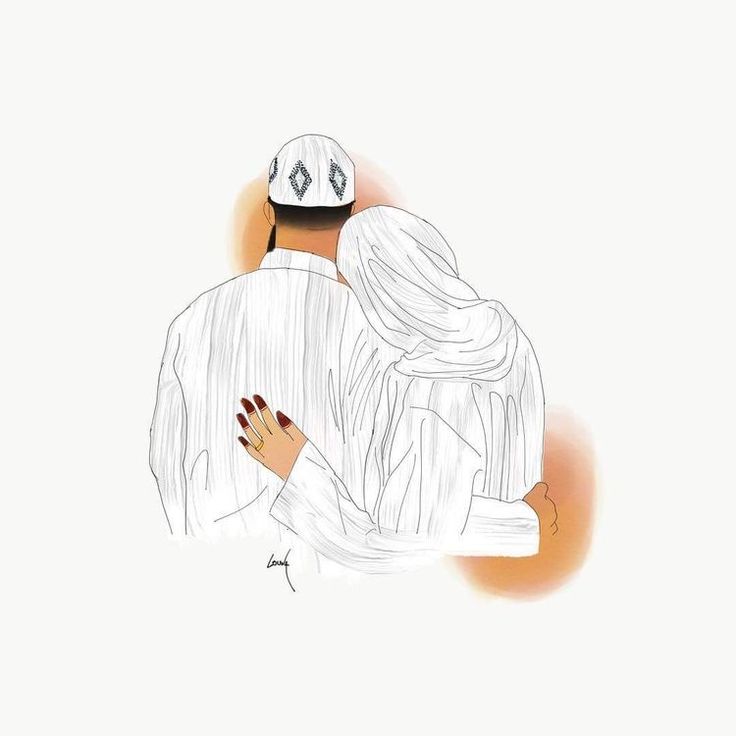
Eight months into marriage, their carefully constructed balance nearly shattered. Safiya discovered she was pregnant, but complications arose that forced impossible decisions. The doctors presented options, medical realities that challenged their faith and their assumptions about what they wanted. Tariq’s immediate response was traditional: “Allah will provide. We continue the pregnancy whatever happens.”
But Safiya, facing the medical realities in her body, felt differently. “I need time to process. To pray. To understand what’s right for us, not what others expect.”
For the first time, their communication protocols failed. Their shared spiritual language seemed insufficient. Their modern approach felt fragile against ancient questions about life, faith, and women’s autonomy.
“In Islam,” Safiya said, her voice shaking, “women’s health and wellbeing matter. The scholars give us options when pregnancy threatens the mother. Why are you reducing this to blind faith versus medical science?”
“I’m not!” Tariq protested. “I’m scared. I don’t want to lose you, but I also don’t want us to make decisions from fear instead of trust in Allah.”
They sought counseling from a female Islamic scholar, Dr. Najwa, who specialized in contemporary fiqh issues. What emerged was profound: they’d built a modern relationship structure but hadn’t fully integrated how to make faith-based decisions together when fear, uncertainty, and differing perspectives collided.
“Marriage,” Dr. Najwa told them, “isn’t about always agreeing. It’s about creating a process for disagreement that honors both partners’ perspectives and your shared faith. Safiya’s body, Safiya’s voice carries weight here. Tariq’s fears and faith also matter. But this isn’t a democracy where someone wins. It’s a partnership where you struggle together toward what’s right.”
After weeks of prayer, consultation, and tears, they made their decision together. The specifics remained between them and Allah, but the process transformed them. They emerged understanding that modern Islamic relationships weren’t about having all the answers. They were about having the courage to ask hard questions together.
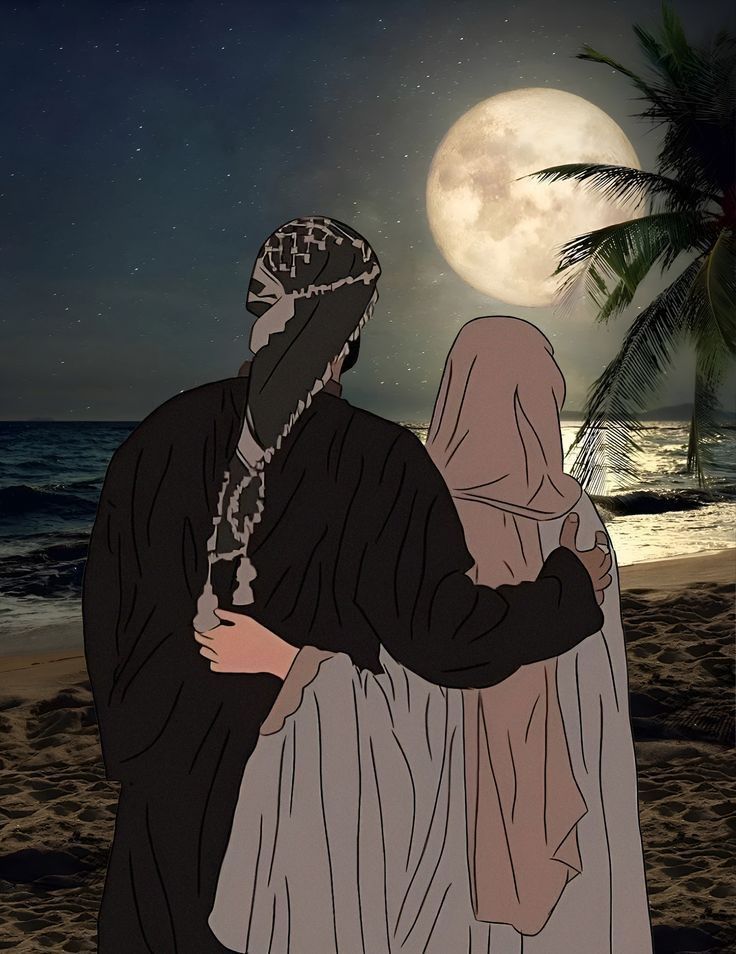
The crisis became a catalyst. Safiya and Tariq realized their relationship needed a purpose beyond just “being married.” They returned to what brought them together: their vision for helping young Muslims navigate modern financial and relational realities. Their halal investment platform evolved into something more comprehensive: a holistic community resource offering financial literacy, relationship counseling, and spiritual guidance for millennial and Gen-Z Muslims in Kenya.
“Our story isn’t unique,” Safiya said as they pitched their expanded vision to investors. “Thousands of young Kenyan Muslims are navigating these same questions. How do we honor our faith while living in a modern world? How do we build relationships that are both Islamic and authentic to who we are?”
They started a podcast: “Halal and Whole,” where they shared their journey with radical honesty. They talked about stepparenting, about financial stress, about communication failures, about the beauty and challenge of building something new while respecting something ancient.
The response overwhelmed them. Messages poured in from young Muslims across East Africa. “I thought I was the only one struggling with whether to marry someone my parents chose or someone I loved.” “Your discussion about financial transparency before marriage changed my relationship.” “Hearing Tariq talk about co-parenting respectfully with his ex-wife gave me hope that my divorce doesn’t define my worth.”
Their shared goal had become larger than themselves. They weren’t just building a marriage; they were contributing to a cultural conversation about what Islamic relationships could look like in the 21st century.
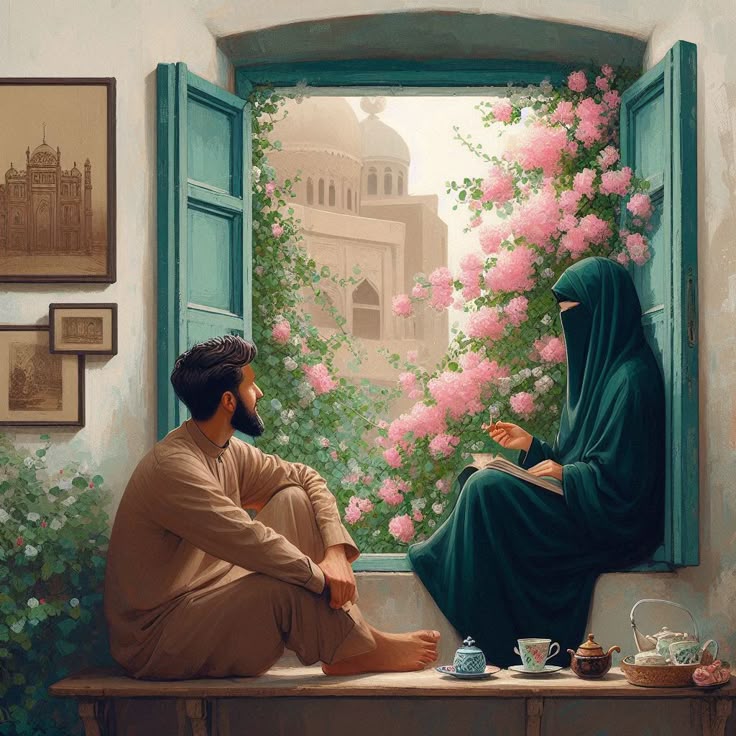
One year into marriage, Safiya and Tariq sat on their apartment balcony watching the Nairobi sunset paint the sky in shades of orange and purple. Lina was with Halima for the week. Their platform had just secured major funding. Life felt simultaneously stable and wildly uncertain.
“You know what nobody tells you about modern relationships?” Safiya mused. “They’re not harder than traditional ones. They’re just honestly complex instead of pretending to be simple.”
Tariq nodded, understanding immediately. “Our parents’ generation had rules that made things look easy. But behind closed doors, they faced the same struggles: money stress, communication breakdowns, differing visions for life. They just didn’t talk about it.”
“We chose visibility over perfection,” Safiya said. “We chose to acknowledge that Islamic relationships can look many ways. That there’s no single template for a Muslim marriage. That faith and modernity aren’t enemies.”
“Alhamdulillah,” Tariq whispered. “Praise be to Allah, for making us brave enough to build something real instead of something that just looks right.”
As the call to Maghrib prayer echoed across Nairobi, they stood together, preparing for Salah. This too was their rhythm: moments of individual connection with Allah woven through their shared life, creating a tapestry of faith, love, and authenticity.
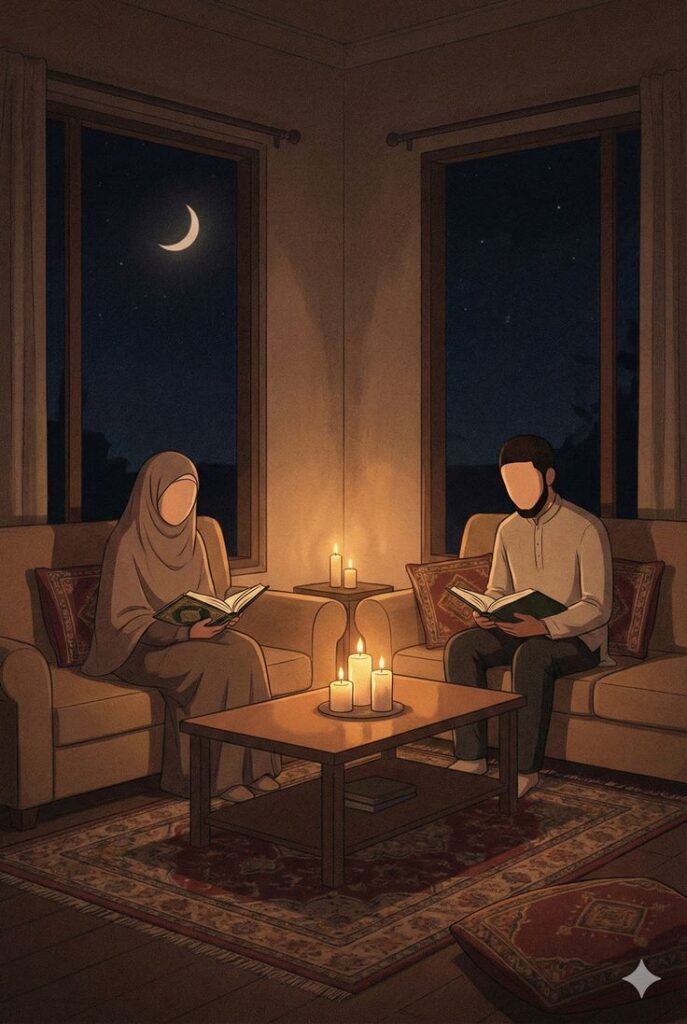
For those navigating similar paths, Safiya and Tariq’s story offers insights worth considering. Financial intimacy matters more than romance because discussing money, debt, goals, and values before marriage builds trust where financial stress often destroys relationships. Redefining intimacy beyond physical connection means recognizing that emotional availability, intellectual connection, spiritual partnership, and shared vulnerability create deeper bonds than chemistry alone. Communication requires intentional systems rather than relying on spontaneous connection, especially across busy modern lives where technology can create as many misunderstandings as it prevents.
Boundaries are acts of love, not selfishness. Knowing and expressing needs forms the foundation of sustainable relationships. Questioning everything while keeping what serves allows modern Muslims to adapt practices to their realities while honoring core values. Unique structures aren’t wrong simply because they differ from tradition; relationships need to work for the people in them, honor their faith, and support both partners’ growth. Lifestyle alignment beats theoretical compatibility because shared daily rhythms matter more than matching on paper.
Crises reveal character and create depth in ways that good times never can. How couples navigate challenges together determines relationship strength more than how they enjoy easy moments. Shared goals provide purpose beyond simply being together, giving relationships meaning that serves others. Choosing complexity over simplicity means acknowledging difficulty while choosing commitment anyway, recognizing that perfect-looking relationships often hide deep dysfunction.
Safiya and Tariq’s story doesn’t end with “happily ever after” because real relationships don’t end, they evolve. They continue building their business, raising Lina together with Halima, navigating new challenges as they come, and contributing to a broader conversation about modern Islamic life. Their journey represents a generation of Muslims refusing to choose between faith and authenticity, between tradition and progress. They’re proving that Islamic principles of respect, honesty, kindness, and justice can guide relationships that look nothing like their grandparents’ marriages yet honor the same core values.
For young Muslims in Kenya and beyond, their story offers hope. You don’t have to abandon your faith to build a modern relationship, and you don’t have to abandon modernity to be faithful. You can create something uniquely yours, something that serves both your dunya and your akhirah. As the Prophet Muhammad, peace be upon him, said, “The best of you are those who are best to their families.” In the 21st century, being “best” means honest communication, emotional intelligence, shared decision-making, and the courage to build relationships that honor both partners fully.
Safiya and Tariq are learning this daily, one conversation, one challenge, one moment of grace at a time. And in doing so, they’re not just building a marriage. They’re building a model for what Islamic love can look like when it’s both rooted in tradition and brave enough to grow.
This story is a work of fiction designed to explore contemporary issues facing young Muslims navigating relationships in modern contexts. Any resemblance to real persons is coincidental. For actual religious guidance, please consult qualified Islamic scholars.

- Must-Watch Movies Releasing in 2026: Your Complete Enterta1nment Calendar. - February 11, 2026
- World Tropical Diseases Day: The Silent Suffer1ng of 1.6b Lives. - January 31, 2026
- The El Molo Tribe: Kenya’s Last Fisher People Fight1ng for Survival on Lake Turkana’s Shores - January 30, 2026