The Shadow Economy That Steals Freedom
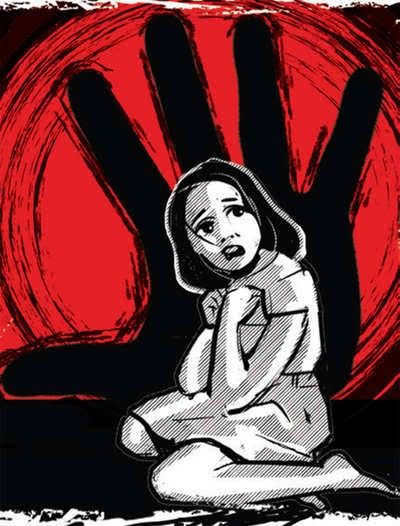
Maria thought she was boarding a bus to a better life. The recruiter had promised her a housekeeping job in Dubai with good pay and comfortable accommodation. Three months later, she found herself locked in a basement in Nairobi, her passport confiscated, forced to work eighteen-hour days without payment. Her story is not unique. It echoes across continents, in cities and villages, affecting millions of men, women, and children trapped in modern-day slavery.
Human trafficking represents one of the most heinous crimes against humanity in the 21st century. This global crisis generates an estimated $150 billion annually for traffickers while destroying countless lives. As we observe National Human Trafficking Awareness Day each January, the world unites to shine a light on this darkness and empower communities to recognize, report, and resist exploitation.
Understanding Human Trafficking: More Than You Think
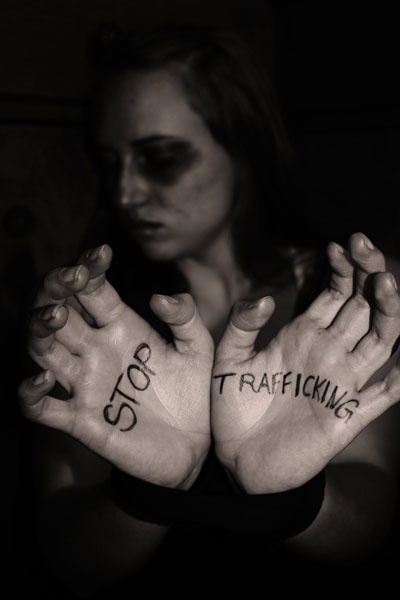
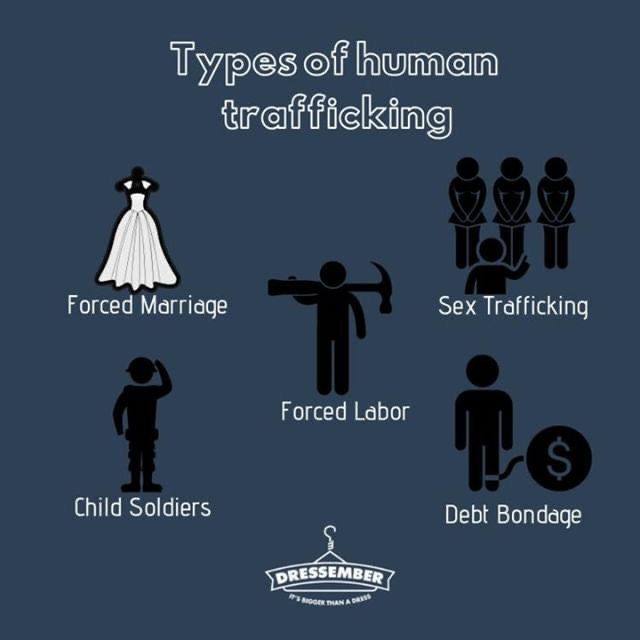
Human trafficking involves the recruitment, transportation, transfer, harboring, or receipt of persons through force, fraud, or coercion for exploitation. Many people associate trafficking exclusively with sex work, but the reality encompasses far more sinister forms.
Sex Trafficking- remains the most publicized form, where victims are forced into commercial sexual exploitation. Women and children comprise the majority of victims, though men are increasingly targeted as well.
Labor Trafficking-traps millions in agricultural fields, construction sites, factories, and domestic households. Victims work under threats, violence, or debt bondage, unable to escape their circumstances.
Child Trafficking-exploits the most vulnerable among us. Children are forced into begging rings, illegal adoption schemes, child soldiers, and hazardous labor conditions that rob them of childhood, education, and dignity.
Organ Trafficking-represents a growing concern, where desperate individuals are coerced into selling organs or having them forcibly removed to supply illegal transplant markets.
The International Labour Organization estimates that 50 million people worldwide are trapped in modern slavery on any given day. That’s more than the entire population of Spain, existing in shadows of exploitation right now.
The Trafficker’s Playbook: How Predators Operate
Understanding recruitment tactics is critical for prevention. Traffickers are master manipulators who exploit vulnerability with precision.
False Promises-form the cornerstone of most trafficking schemes. Job advertisements offering lucrative overseas employment, modeling opportunities, or educational sponsorships lure victims into traps. The promise of escape from poverty becomes a doorway to bondage.
Romeo Pimps- use romance and affection to ensnare victims, particularly young women. What begins as a loving relationship gradually transforms into coercion and control as the trafficker reveals their true intentions.
Debt Bondage- creates invisible chains. Victims are told they owe money for transportation, accommodation, or fabricated expenses, with interest rates that make repayment impossible. The debt becomes hereditary in some cases, enslaving entire families for generations.
Isolation Tactics-sever victims from support systems. Traffickers confiscate identification documents, restrict communication, move victims frequently, and use language barriers to maintain control. The psychological manipulation is as powerful as physical restraints.
Warning Signs: Know What to Look For
Recognizing trafficking victims can save lives. While no single indicator confirms trafficking, multiple red flags warrant attention and action.
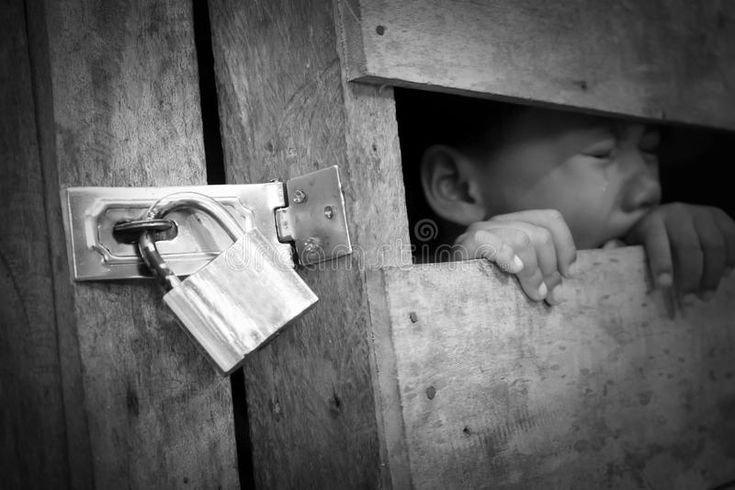
Watch for individuals who appear fearful, submissive, or scripted in their responses. They may avoid eye contact, defer all answers to an accompanying person, or show signs of physical abuse including bruises, burns, or malnutrition.
Workplace indicators include people working excessively long hours, living at their workplace, or lacking freedom of movement. They may have few or no personal possessions and appear not to be paid for their work.
Minors engaging in commercial sex acts are trafficking victims under international law, regardless of whether force is used. Similarly, children working in hazardous conditions or deprived of education raise serious concerns.
Documentation irregularities also signal potential trafficking. Victims may lack control over their identification papers, possess falsified documents, or be unable to provide basic information about their location or employer.
The Kenyan Context: Local Realities and Resources
Kenya serves as both a source and destination country for human trafficking. Economic disparities, porous borders, and growing urban centers create vulnerability that traffickers eagerly exploit.
The Counter-Trafficking in Persons Act of 2010 criminalized human trafficking in Kenya and established the Counter-Trafficking in Persons Advisory Committee. Despite legislative frameworks, enforcement challenges persist, leaving many victims without justice.
Common Trafficking Patterns in Kenya-include forced labor in agricultural estates, domestic servitude in middle-class households, commercial sexual exploitation in tourist areas, and fraudulent overseas recruitment schemes targeting those seeking Middle Eastern employment.
Nairobi, Mombasa, and Kisumu represent trafficking hotspots, though rural areas are increasingly vulnerable. The COVID-19 pandemic exacerbated economic desperation, driving more people toward risky migration and exploitative work arrangements.
Taking Action: What You Can Do Today
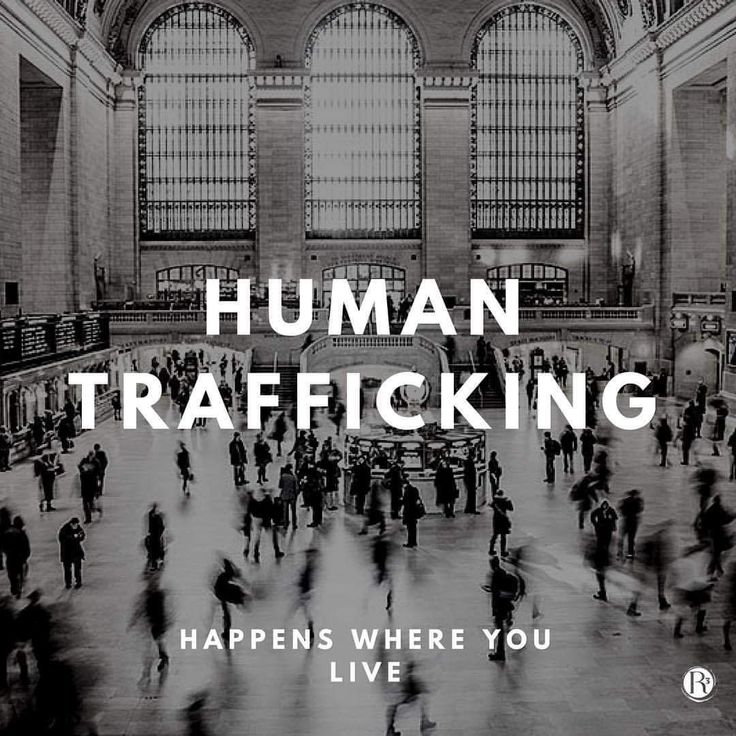
Combating human trafficking requires collective action. Every individual has a role in creating a world where exploitation cannot thrive.
Educate Yourself and Others- about trafficking realities. Share information within your community, schools, and places of worship. Knowledge is the first line of defense against manipulation.
Support Ethical Businesses-by researching supply chains and choosing companies committed to fair labor practices. Consumer demand for ethical products pressures industries to eliminate forced labor.
Advocate for Vulnerable Populations- including migrants, refugees, homeless youth, and those in poverty. Support policies that address root causes of vulnerability such as economic inequality and discrimination.
Report suspicious activity immediately. Trust your instincts when something seems wrong. Reporting doesn’t require certainty, just reasonable concern that someone might need help.
Volunteer or Donate to anti-trafficking organizations working on prevention, victim identification, and survivor support. These organizations provide critical services that government agencies cannot.
Getting Help in Kenya: Critical Resources and Hotlines
If you or someone you know is experiencing trafficking, immediate help is available through these Kenyan resources:
National Assistance Trust Fund for Victims of Trafficking Hotline: 0800 720 501 (Toll-free, 24/7)
Awareness Against Human Trafficking (HAART) Kenya: +254 719 999 399 or +254 724 999 399 (Office hours: Monday-Friday, 8AM-5PM)
Kenya National Police Service: 999 or 112 (Emergency line)
Childline Kenya: 116 (For child trafficking cases, 24/7)
International Justice Mission (IJM) Kenya:+254 709 074 000
National Gender and Equality Commission: +254 20 272 7778
For international cases or Kenyan citizens trafficked abroad, contact the Ministry of Foreign Affairs Diaspora Desk at +254 20 318 888 or the nearest Kenyan embassy or consulate.
Organizations providing survivor support services include Trace Kenya, Caritas Kenya, and Kenya Red Cross Society. These groups offer shelter, medical care, legal assistance, counseling, and reintegration support.
The Path Forward: Hope in Action
Maria’s story, mentioned at the beginning, has a hopeful chapter. After three months of captivity, a neighbor noticed something was wrong and called the HAART Kenya hotline. Within 48 hours, police raided the premises, rescued Maria and four other women, and arrested their captors. Today, Maria works as a peer counselor, helping other survivors rebuild their lives.
Her transformation reminds us that while human trafficking is a massive global problem, change happens through individual actions, compassionate communities, and unwavering commitment to human dignity.
This January, as blue ribbons and social media campaigns raise awareness, let’s move beyond symbolic gestures toward concrete action. Speak up when you witness exploitation. Support survivors in their healing journey. Demand accountability from businesses and governments. Protect the vulnerable in your community.
Human trafficking thrives in silence and indifference. It crumbles under the weight of awareness, action, and collective resolve. The chains that bind millions can be broken, one rescued life at a time, one educated community at a time, one phone call to a hotline at a time.
The fight against human trafficking is not someone else’s responsibility. It is ours, yours, mine. Together, we can create a world where freedom is not a privilege but a guarantee for every human being.
If you see something, say something. Your call could save a life.

- Must-Watch Movies Releasing in 2026: Your Complete Enterta1nment Calendar. - February 11, 2026
- World Tropical Diseases Day: The Silent Suffer1ng of 1.6b Lives. - January 31, 2026
- The El Molo Tribe: Kenya’s Last Fisher People Fight1ng for Survival on Lake Turkana’s Shores - January 30, 2026