In today’s digital era, news isn’t just for journalists anymore. Across Kenya and the wider East African region, ordinary citizens, influencers, and social media content creators are breaking stories in real time, reaching thousands, sometimes millions, of people before traditional newsrooms even report the facts. The rise of citizen journalism has fundamentally changed the way audiences consume news, but it also raises critical questions about credibility, ethics, and accountability.

(Picture Credit: Shutterstock)
The shift is largely driven by accessible technology and the democratization of information. Smartphones, affordable data, and social media platforms have put the power to report events into the hands of almost anyone. Whether it’s a local protest in Nairobi, a viral cultural trend in Kampala, or a breaking political scandal in Dar es Salaam, content can be captured, livestreamed, and shared instantly. Platforms like Twitter, Facebook, Instagram, TikTok, and WhatsApp have become the new “newsrooms,” where speed often trumps verification, and viral content spreads faster than corrections can catch up.
Unlike trained journalists, who adhere to editorial guidelines, verification standards, and professional ethics, influencers and citizen reporters operate without oversight. Their primary motivation may be engagement, views, or sponsorship deals rather than factual accuracy. This has led to a media environment where sensationalism and opinion frequently deception as news. A single viral video or tweet can shape public opinion, spark controversy, or even influence elections, regardless of whether the content is fully verified.

When clicks matter more than truth
Yet, citizen journalism is not without its benefits. It allows for grassroots storytelling, shines light on underreported issues, and holds power to account in ways traditional media sometimes cannot. For instance, during natural disasters or localized incidents, local residents often provide real-time updates faster than mainstream outlets. They give communities a voice, particularly those marginalized by geography, economic status, or political influence. Social media has enabled ordinary citizens to become watchdogs, documenting corruption, abuses, and injustices that might otherwise go unreported.
These examples are real-world instances of citizen journalism in action, situations where ordinary people (not professional journalists) report events, document issues, or provide updates, often using smartphones and social media. They illustrate how citizen journalism can:
- Kenya — Electoral and police accountability:
During Kenya’s election periods, citizens using smartphones have documented vote-counting irregularities and incidents of police brutality, with videos shared on X (Twitter) and Facebook often forcing responses from authorities before mainstream media reports emerge. - Nigeria — #EndSARS movement:
Citizen journalists and ordinary protesters used social media to livestream police abuses during the #EndSARS protests, drawing global attention to human rights violations that were initially downplayed or ignored by traditional media. - Uganda — Protest coverage:
During opposition protests, citizen-shot videos and photos circulated online despite restrictions on mainstream media, providing alternative narratives and evidence of state violence. - South Africa — Community service failures:
Residents in informal settlements frequently use social media to expose broken infrastructure, water shortages, and corruption at the municipal level, pressuring local governments to respond. - Natural disasters across Africa:
During floods in Kenya’s Budalangi region or drought impacts in northern Kenya, local residents have shared real-time updates, images, and safety information long before national news crews arrive.
However, the risks remain significant. The absence of professional oversight increases the likelihood of misinformation, disinformation, and rumor-mongering. Audiences may struggle to distinguish credible reporting from opinion, propaganda, or sponsored content disguised as news. In some cases, viral posts have led to public panic, harassment, or political unrest. For media consumers, the challenge is no longer access to information, it is knowing which sources can be trusted.
This phenomenon has also challenged traditional journalism itself. Newsrooms are now competing with instantaneous social media updates, forcing them to publish faster while maintaining accuracy. Many news organizations have adapted by integrating social media into their reporting, monitoring trends, and even collaborating with citizen reporters. Yet the tension remains: how to balance speed and reach with ethical standards and credibility.
Ultimately, the rise of “journalism without journalists” underscores a critical truth: information is no longer confined to professional gatekeepers, but the principles of journalism, accuracy, verification, accountability, and fairness, remain more important than ever. Citizen voices should be celebrated, but responsibility must accompany reach. Platforms, influencers, and audiences all have a role to play in ensuring that the information ecosystem strengthens, rather than undermines, public trust.
The future of media lies in hybrid models that combine the reach of social media with the rigor of professional reporting. Training programs for citizen reporters, fact-checking initiatives, and greater media literacy among the public are essential steps. Audiences must critically evaluate sources, question narratives, and demand accountability. Only then can the digital age deliver on the promise of a more informed, engaged, and empowered public.
Journalism may no longer be confined to newsrooms, but its values cannot be diluted.
As Linus Kaikai observes,
“Journalism is not activism, propaganda, or popularity; it is a public trust.”
Linus Kaikai
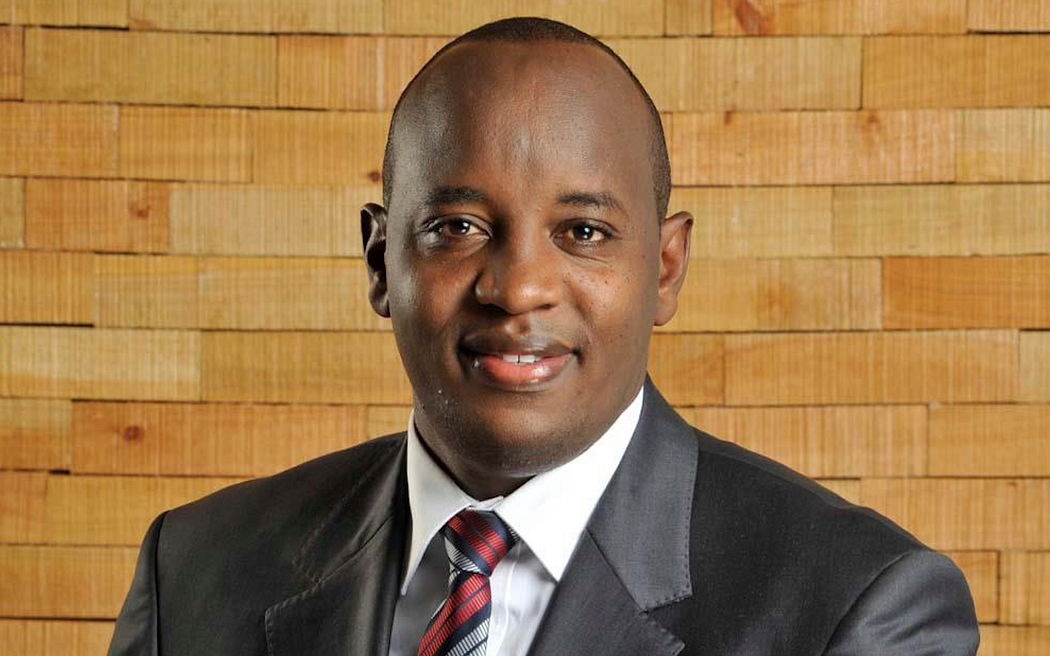
In a digital era where anyone can publish, accuracy, ethics, and responsibility must remain non-negotiable.
Hopewell Chin’ono reminds us that journalism is “not about who breaks news first, but who gets it right,” because without these principles, influence risks replacing accountability and public trust inevitably erodes.
- When Platforms Fall Silent: Social Media Shutdowns and the Battle for Digital Expression in Africa - February 24, 2026
- Social Media Is the Greatest Threat to Democracy. Prove Me Wrong - February 19, 2026
- Thursday TBT Zilizopendwa: Embe Dodo by Them Mushrooms - February 12, 2026

