Media across Africa plays a decisive role in shaping public perception, steering national debates and influencing social and political behavior.In Kenya, digital media has been rising rapidly, with credible platforms such as EpicPule Magazine emerging to provide reliable information and analysis. From traditional radio and newspapers to social media platforms like Facebook, X (formerly Twitter) and TikTok, media has evolved from being a passive conveyor of information to an active force in agenda-setting and narrative construction.

In Kenya, for instance, election cycles have increasingly become digital battlespaces. During the 2017 and 2022 elections, social media platforms were instrumental in shaping narratives around candidates, mobilizing supporters and spreading both verified information and misinformation. Similarly, in Nigeria, the #EndSARS movement demonstrated the power of social media in driving civic engagement. Platforms such as Twitter and Instagram enabled young people to document events, coordinate protests and influence global public opinion, highlighting the media’s role in amplifying grassroots voices.
Traditional media continues to wield significant influence as well. In Ghana, radio remains one of the most powerful agenda-setters. Stations like Joy FM and Peace FM shape national conversations on governance, corruption and economic challenges, with their editorial choices often determining which issues gain public traction. Conversely, the role of media in South Africa illustrates how coverage can escalate tensions: reporting and viral videos of xenophobic attacks have shaped both domestic debates and international reactions.
Media control and competing narratives also play a critical role in conflict and crisis situations. In Ethiopia, the Tigray conflict highlighted how restricted access to information and conflicting reports from state media, diaspora outlets and international organisations shaped divergent understandings of the war. In Tanzania, government restrictions during the COVID-19 pandemic influenced the framing of public health messages, affecting how citizens perceived the severity of the virus.
These examples illustrate that across Africa, media is a powerful institution capable of influencing how societies think, respond and evolve.

The disruption of Kenya’s media landscape is most visible in the rapid rise of citizen journalism. What was once a linear system, where newsrooms produced information and audiences consumed it, has become a dynamic, many-to-many network driven by digital creators, community reporters, and ordinary citizens with smartphones. Platforms such as TikTok, X, Facebook, and WhatsApp now function as alternative newsrooms, allowing people to document events in real time, challenge official explanations, and elevate local issues that might never reach mainstream media.
This shift has produced a new class of digital creators who blend commentary, investigative curiosity, and community engagement. Many of them command larger online audiences than traditional news outlets. Alongside them are grassroots citizen reporters who capture on-the-ground situations, from police conduct and protests to road accidents, local corruption, and service-delivery failures. Their footage often circulates nationally within minutes, long before professional journalists can verify or contextualize events. Fact-checking organizations such as PesaCheck and Africa Check, as well as civic-tech initiatives like Code for Africa, increasingly rely on citizen-generated material as raw evidence for verification, noting that public participation in reporting is now a permanent fixture of Kenya’s information ecosystem.
The benefits of this transformation are significant. Citizen journalism brings unparalleled immediacy, especially during fast-moving developments where the first images or updates often come from eyewitnesses rather than newsrooms. It also strengthens community-centered storytelling by highlighting hyperlocal issues that professional media may overlook due to limited resources or editorial priorities. Most importantly, it enhances public accountability: viral citizen videos and threads have forced responses from state agencies, triggered investigations, and sparked national conversations on governance, policing, and public service.
Yet this democratization of reporting also presents serious risks. The same platforms that enable rapid information flow can just as quickly spread falsehoods, manipulated images, or emotionally charged narratives lacking context. Kenya’s experience during election cycles, particularly 2017 and 2022, revealed how misinformation and coordinated digital disinformation efforts can inflame tensions or mislead the public. Unlike professional journalists, most citizen reporters lack training in verification, source evaluation, or ethical standards. This makes it easy for well-intentioned eyewitnesses to unintentionally amplify inaccurate or fabricated content.
Safety is another growing concern. Citizens who document security operations, police brutality, corruption, or politically sensitive events often expose themselves to harassment, intimidation, or arrest. Past incidents involving individuals detained over social media posts about security matters have reinforced fears about the personal risks of grassroots reporting. At the same time, laws such as the Computer Misuse and Cybercrimes Act, while designed to curb cybercrime and harmful misinformation, can be applied broadly enough to chill free expression if not enforced with precision.
Kenya is therefore attempting to strike a careful balance: preserving freedom of expression and civic participation while preventing harm, protecting national security, and maintaining public order. Institutions such as the Media Council of Kenya have issued guidelines to promote ethical digital reporting and offer trainings for citizen journalists and human-rights defenders. Fact-checking bodies continue to expand verification programs and collaborate with creators. Meanwhile, ongoing debates call for clearer legal boundaries that target genuine digital harms without suppressing legitimate criticism or whistleblowing.
Citizen journalism in Kenya reflects the complexities of a modern information society. It empowers communities, accelerates accountability, and diversifies public narratives. At the same time, it demands stronger digital literacy, responsible content creation, and thoughtful regulation that safeguards both freedom and accuracy. As technology evolves, the challenge for Kenya is not to restrict citizen reporting, but to shape an environment where it thrives safely, ethically, and in service of the public interest
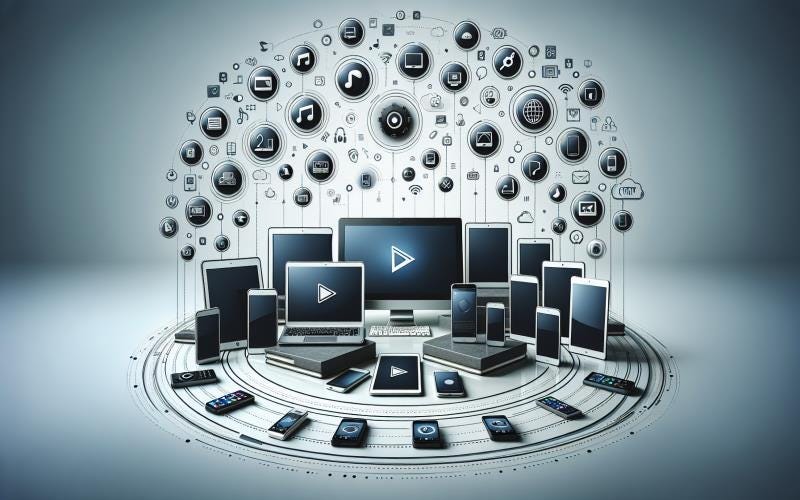
In many African nations, the media plays a particularly crucial watchdog role, often stepping into gaps left by weak institutions, entrenched political interests, and opaque governance systems. By exposing corruption, interrogating power, and amplifying citizen concerns, the media becomes an essential pillar in protecting democracy across the continent.
In countries such as Kenya, Nigeria, South Africa, and Ghana, investigative journalism has uncovered major scandals, from misappropriated public funds to abuses in security agencies and failures in public service delivery. These revelations frequently trigger parliamentary inquiries, judicial actions, or resignations from public officials. Such examples demonstrate the media’s power to safeguard public interest in environments where accountability is not always guaranteed.
Importantly, investigative journalism in Africa does more than expose wrongdoing; it provides communities with a voice. In regions where citizens may feel marginalized or excluded from formal political processes, media coverage offers a pathway for grievances to reach national attention. Whether it is highlighting mismanagement of county funds in Kenya, environmental degradation by multinational corporations in the Niger Delta, or police brutality in South Africa, watchdog journalism ensures that issues affecting ordinary people are not silenced.
However, the watchdog role is not without challenges. Journalists across Africa face intimidation, restrictive laws, economic pressures, and sometimes physical danger when pursuing stories involving powerful individuals or institutions. Despite these constraints, many newsrooms and independent journalists continue to push forward, driven by a commitment to truth and accountability.
Within the African context, where democratic systems are still maturing and corruption remains a persistent threat, the watchdog function of the media is indispensable. Without rigorous scrutiny, political systems risk sliding into secrecy, impunity, and abuse of power. A vibrant, courageous, and free media sector therefore remains fundamental to strengthening democracy and protecting the public interest across the continent.
Media shapes how people interpret events. Through framing, agenda-setting and tone, news outlets can influence public perception. For example, the way a protest is reported, either as an uprising or a democratic demand, can shape how the public responds to it. As a result, media not only present realities but also constructs them.
Digital tools have enabled audiences to participate in news creation. Citizen journalists capture real-time events, bypassing editorial control. While this promotes inclusivity and immediacy, it also raises questions of credibility, ethics and professionalism. The challenge lies in balancing freedom of expression with factual accuracy and responsibility.
Challenges Facing the Media Today
1. Fake news and misinformation
The rapid spread of false or misleading information, especially through social media and messaging apps, has become a major challenge for the media. In Kenya and across Africa, unverified reports often circulate widely during elections, terrorist attacks, or health crises, sometimes causing panic or violence. This undermines public trust in legitimate media and makes it harder for journalists to distinguish credible information from fabricated content.
2. Political interference
Political actors frequently attempt to influence media coverage through intimidation, censorship, or ownership control. In several African countries, journalists have faced harassment, arrests, or license threats for reporting on corruption or government failures. Such interference compromises media independence and weakens the media’s watchdog role in holding leaders accountable.
3. Commercial pressure from advertisers
Media organizations increasingly depend on advertising revenue to survive, which can affect editorial independence. In Kenya, for example, major advertisers or corporate sponsors may withdraw funding from outlets that publish critical stories about them. This pressure can lead to self-censorship, where journalists avoid sensitive but important issues to protect revenue streams.
4. Declining professionalism and loss of editorial standards
The rise of digital publishing has lowered entry barriers, allowing almost anyone to present themselves as a journalist. As a result, some outlets prioritize clicks over credibility, publishing poorly researched or sensational stories. Reduced newsroom budgets have also weakened fact-checking and editorial oversight, contributing to errors and unethical reporting practices.
5. Audience polarization
Audiences are increasingly consuming news that aligns with their existing beliefs, often through algorithm-driven social media platforms. In polarized political environments, such as during election periods in Kenya, media houses may be accused of bias depending on which narratives they highlight. This deepens social divisions and reduces the media’s ability to act as a neutral source of information.
6. Speed-over-accuracy in breaking-news culture
The pressure to be first in reporting breaking news has led many media outlets to publish incomplete or inaccurate information. With competition from online platforms and citizen journalists, traditional media often rush stories without proper verification. This has resulted in public corrections, retractions, and further erosion of trust in the media. In a world where speed dominates, fact-checking often becomes secondary, leading to distorted narratives and public confusion.
Ethical journalism demands truth, fairness, accuracy and balance. The credibility of media institutions depends on their ability to remain impartial despite commercial or political pressures. Codes of conduct, press regulations and fact-verification mechanisms are essential in maintaining trust.
Media remains one of the most powerful institutions in society, influencing thought, culture, governance and public behavior. Its evolution has opened access and participation, yet it has also created complexities in truth, objectivity and responsibility. As media continues to expand, its future will depend on how well it balances freedom with accountability, speed with accuracy and influence with integrity.
“Media is not just a reflection of society, but a tool that shapes it.”
- When Platforms Fall Silent: Social Media Shutdowns and the Battle for Digital Expression in Africa - February 24, 2026
- Social Media Is the Greatest Threat to Democracy. Prove Me Wrong - February 19, 2026
- Thursday TBT Zilizopendwa: Embe Dodo by Them Mushrooms - February 12, 2026


