Roseanne Wanjiru Kariuki is an aspiring psychologist who has steadily grown her voice in mental health spaces.
Her work blends compassion with practical insight, and this Men’s Health Awareness Month, she shares her thoughts on how therapy can evolve to meet men where they are.
In this feature, she talks about the lessons she has learned, the gaps she sees, and why redefining therapy for men matters now more than ever.
This Men’s Health Awareness Month, she opens up about the work that shapes her passion and the platform that has allowed her to reach thousands with warmth and clarity.

Roseanne currently spends much of her time working directly with vulnerable people in her community, a role that constantly reconnects her with her purpose.
“I get to work closely with vulnerable people, helping them cope up with different mental health challenges. This constantly reminds me why I chose this path.”
Her involvement in trauma counseling and on-the-ground advocacy has allowed her to see, firsthand, how support systems can either uplift or fail those who need them most.
Beyond her professional work, Roseanne also pours her energy into Psych with a Sprinkle of Roses, her online space dedicated to making mental health feel less intimidating. She created the platform after realizing that many people shy away from seeking help because conversations around mental health often feel too heavy or clinical. “Psych with a Sprinkle of Roses was born from a simple desire to make mental health conversations feel more human and relatable,” she explains.
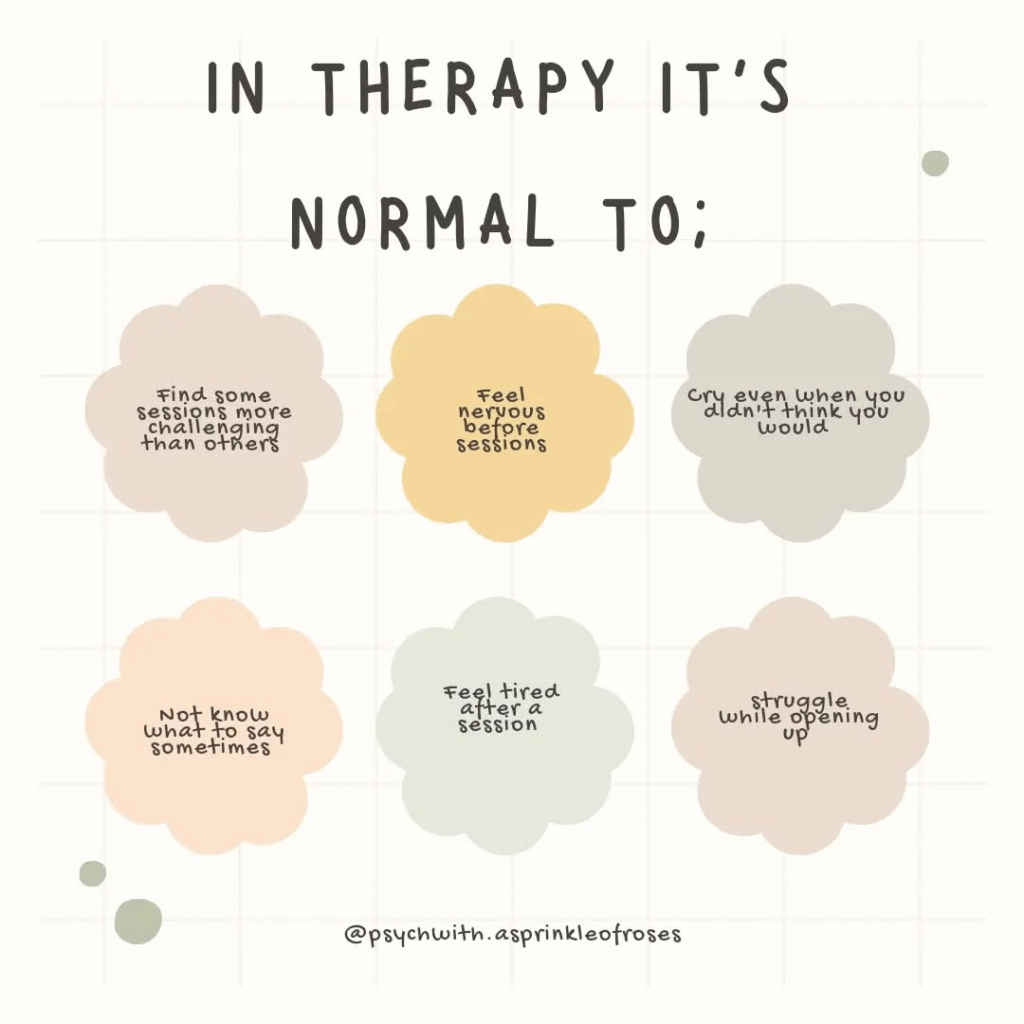
For her, this space is as emotional as it is educational. “The ‘Sprinkle of Roses’ name came from the belief that healing, while messy, can also hold space for hope and gentleness.” Through short, relatable posts, she breaks down psychological concepts in everyday language, something her audience really appreciates. “I get messages saying, ‘Your post made me realize I might be going through this and I need to talk to someone.’ For me, that’s the whole point.”
Understanding Men’s Mental Health Through Her Lens
As Roseanne’s platform has grown, she has watched more men quietly find their way into her digital community, a shift that has meant more to her than numbers or likes. She describes the feedback as deeply moving. “I’ve had people say a post came at just the right time, or that it helped them start therapy or open up to someone close,” she shares.
What surprises her most is how men not only engage, but also pass her content along to friends who might be struggling. For her, that ripple effect is proof that gentle, relatable psychoeducation can open doors men rarely feel invited to walk through.
“What has touched me the most is seeing more men engage with the content. Some even proceed to share the posts with their friends who are struggling. It’s beautiful to see men opening up in a space that feels safe and gentle, that’s exactly what I hoped for.”
Roseanne Kariuki
Her experiences in the therapy room paint an even clearer picture. Many of the men she has worked with arrive carrying emotions they’ve kept tucked away for years. “They carry a lot quietly, trying to be strong or handle everything on their own,” she says.
When sessions get intense and tears surface, the first instinct is often hesitation: “Is it normal to cry? Is it weird for me to cry in your presence? Especially because you are a lady?” Roseanne recalls moments where men struggled to give themselves permission to feel. But once they allow themselves to let go, something shifts, a release that often brings relief they didn’t know they needed. “It’s a reminder that expressing emotions is simply part of being human.”
“Being able to hold that space for them and normalizing these emotions is one of the most meaningful parts of my work.”
Roseanne Kariuki
Why Many Men Still Hesitate to Seek Therapy
According to a 2023 research published in Mental Health & Prevention titled “The challenges preventing men from seeking counselling or psychotherapy” highlights several barriers. They identified three major, interconnected barriers that discourage men from seeking counselling or psychotherapy.
First, issues around masculine identity, men often feel that vulnerability clashes with societal ideals of strength. Second, male behavioral norms such as self-reliance and emotional control make it hard for men to admit they need help. And third, the very structure of psychological services and how therapists operate can feel alienating: some men believe therapy is not designed for them, or worry they won’t be understood.
The authors of the study suggest that reconnecting men to male‑centered communities, where they can speak openly and develop a “language of help-seeking” within a masculine context, could begin to dismantle these obstacles.

Heritage Counseling & Consulting, in their article “Addressing the Stigma of Men Seeking Therapy,” highlight practical strategies to help men overcome barriers to seeking therapy. They emphasize normalizing the idea of seeking help, encouraging men to see therapy as a proactive step toward self-care rather than a sign of weakness.
Providing clear education about therapy, what it involves, its benefits, and how to find a suitable therapist, can reduce uncertainty and fear. Addressing concerns around confidentiality reassures men that their privacy will be respected.
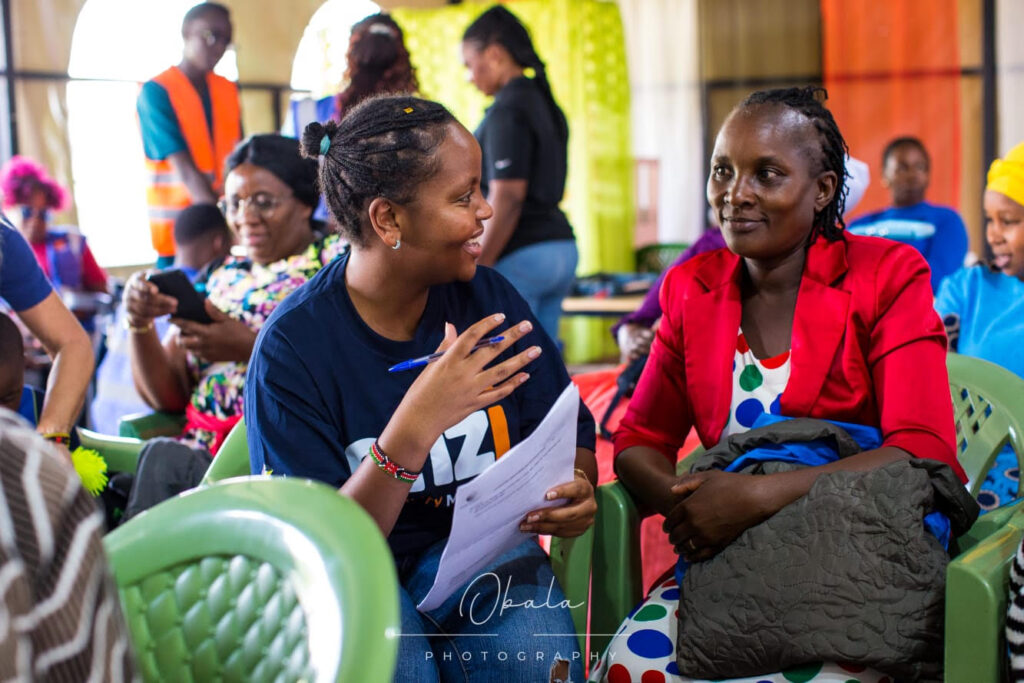
Challenging stereotypes and framing help-seeking as a sign of strength, encouraging self-reflection on personal barriers, and supporting men in finding a therapist who specializes in men’s mental health are all key steps in making therapy accessible, relevant, and inviting.
Roseanne Kariuki understands why many men don’t reach therapy at all. Cultural expectations, especially within Kenyan society, shape how boys grow into men who are taught to endure, not express.
The pressure to “be strong,” “handle things on your own,” or simply “be a man” creates a barrier long before any first session. And misconceptions make the gap even wider. Therapy is still seen by many as something only for the unwell or as a place to be given advice. Roseanne, however, sees it as something very different: a safe space to unpack, understand, and grow.
Normalizing that truth, she believes, is essential, especially for men who have been taught to carry everything in silence.
Rethinking Therapy for Men
For Roseanne, making therapy more appealing to men starts with understanding their perspective and meeting them where they are. “The most effective way to make therapy more appealing is highlighting stories of men who have benefited, whether public figures or anonymized examples,” she explains. Seeing others navigate therapy successfully can reduce stigma and make the process feel more approachable.
She also emphasizes a practical approach to sessions.
“Starting with practical goals like coping strategies and stress management, rather than diving straight into emotions, helps men gradually open up and see therapy as useful rather than a weakness.”
Roseanne Kariuki
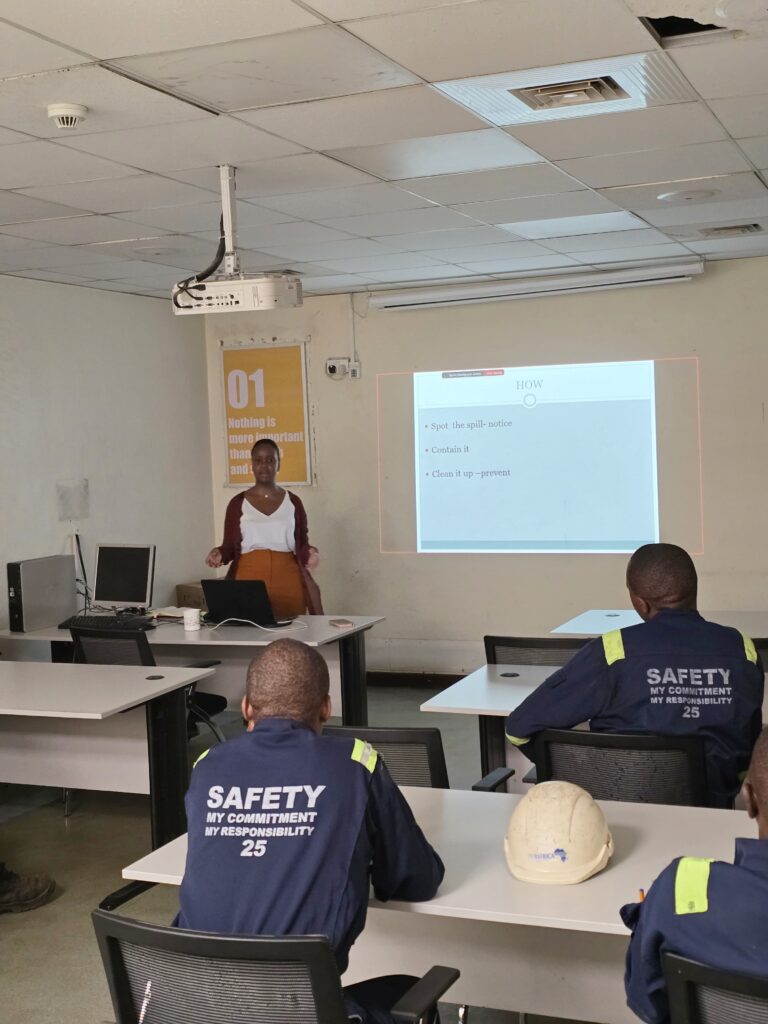
Her experience facilitating mental health talks in workplaces and male-dominated fields, like engineering, has shown her just how important context and approach are. “At first, it can feel intimidating because of the expectation that men will ‘tough it out,’” she says. “But when you create a safe, relatable, and non-judgmental space, men really engage. They ask questions, and some even come to talk one-on-one afterwards.”
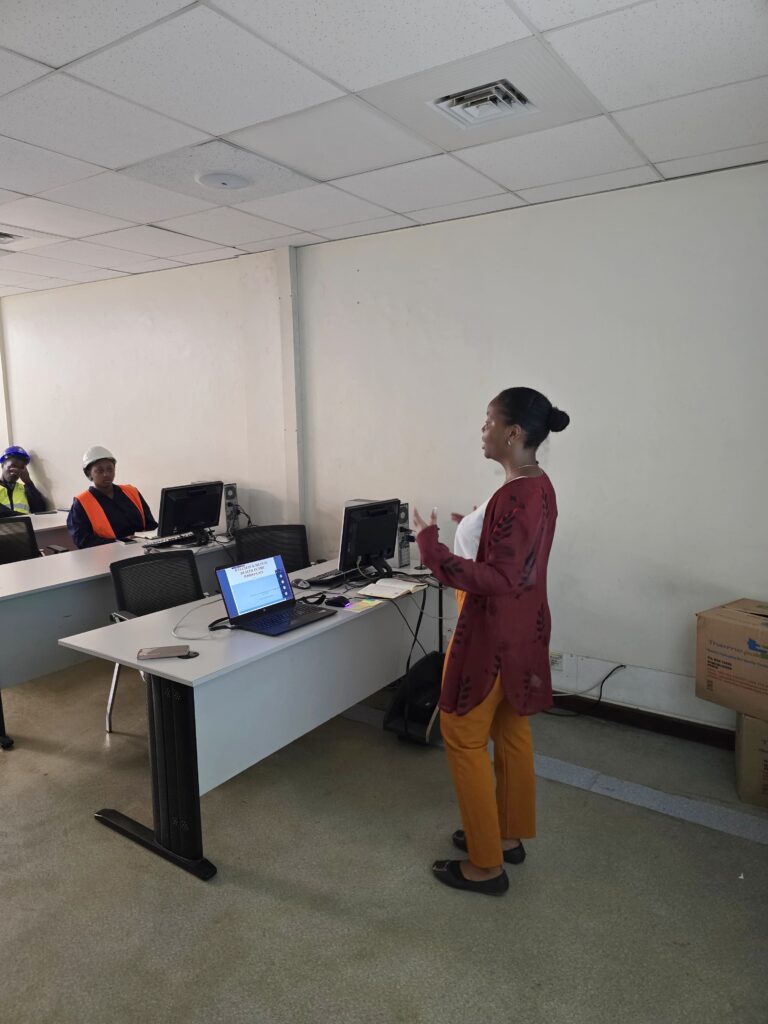
Practical strategies and real-life examples resonate most. She notes that while men may not immediately discuss emotions, framing conversations around problem-solving, stress management, and coping techniques allows them to connect deeply. “Meeting men where they are, with respect and relevance, is key to breaking down stigma and helping them see mental health as important and accessible.”
Mental health professionals can learn a lot from Roseanne’s approach. By focusing on practical strategies, problem solving, coping techniques, creating safe and relatable spaces, and sharing stories of men who have benefited from therapy, more men can feel encouraged to seek help. Her insights show that therapy doesn’t have to be intimidating, it can be a space for growth, understanding, and real support.
Roseanne’s Vision for Men’s Mental Health
Roseanne sees digital spaces as a powerful tool for breaking down stigma and making mental health feel approachable. “Digital advocacy helps by making mental health visible and relatable,” she explains. Through her platform, men can engage privately, at their own pace, and see that it’s okay to feel, ask for help, or even try therapy.
“They’ve reached out personally, started conversations, or taken that first step toward therapy. This shows that when mental health is approachable and human, seeking support becomes normalized.”
Looking ahead, Roseanne wants therapy to feel normal and easy to access, something men can use to grow rather than something to be ashamed of. She contributes to that vision by creating relatable content, engaging men in conversations, and supporting them in her community, whether through talks, one-on-one chats, or online posts. “My goal is to help men see that seeking help is just part of taking care of themselves, and mental wellness is something we can all work on together,” she says.

“I believe mental health is for everyone, no one should have to face their struggles alone. When we normalize seeking help, we start changing the culture around mental health for generations to come. This is the vision I carry with me every day.”
Roseanne Kariuki
As Roseanne’s insights show, therapy is not a one-size-fits-all process, it is a living, evolving practice that must adapt to the needs of boys and men at every stage of life. And much like the other young medical and mental-health students we’ve featured here, her perspective reflects a new generation that is reshaping how support is understood and delivered.
By continuously refining techniques, meeting men where they are, and creating spaces that feel safe, practical, and relatable, we can break down barriers and help more men embrace mental health as a part of their growth.
The work ahead is ongoing, but with approaches that evolve alongside the people they serve, therapy can become a true ally for men everywhere.

- The Rise of Suicide Posts in Digital Spaces Reflects a Growing Mental Health Crisis - February 22, 2026
- How Kenya’s Silent Lifestyle Disease Crisis Is Reshaping Public Health - February 12, 2026
- The Rise of Lifestyle Diseases Emerges as a Crisis Among Kenya’s Youth - February 9, 2026