Rosine Shabe, a Global Health Advocate and Medical Professional driven by a deep passion for innovation, advocacy, and health equity, stands among Rwanda’s emerging voices reshaping community-centered healthcare.
Currently serving at Ruhengeri Level Two Teaching Hospital and pursuing her medical studies at the University of Global Health Equity (UGHE) in Kigali, Rwanda, Rosine represents a new generation of health leaders bridging global perspectives with local impact.
In this feature, Rosine Shabe shares her personal journey, her reflections on Innovation, Inclusion, and Men’s Health Gaps, and her bold vision for men’s health in Africa, a vision grounded in empathy, preventive advocacy, and digital transformation.
At the forefront of Rwanda’s health transformation is Dr. Rosine Shabe, a medical doctor and advocate whose work bridges clinical care, community engagement, and global health leadership. Currently based at Ruhengeri Level Two Teaching Hospital, Rosine provides daily healthcare to individuals and families, many from rural areas with limited access to specialized medical services.
“My clinical work allows me to engage closely with people from underserved communities. It’s in those daily encounters that I witness both the strength and the persistent health gaps that shape our public health reality.”
Alongside her hospital work, Rosine Shabe is pursuing a Master’s in Global Health Delivery at the University of Global Health Equity (UGHE), a health sciences university in Butaro that has become a hub for innovative health leadership in Africa. This academic path, she says, has broadened her understanding of how health systems can be redesigned to deliver equitable care. “UGHE has helped me see the connection between policy and practice, how evidence and local insights can come together to create real, sustainable change.”
Her journey into advocacy, however, began long before her master’s studies. Growing up and working across communities such as Burera, Kirehe, Rwinkwavu, and now Ruhengeri, Rosine witnessed the deep inequalities that shape people’s health outcomes.
“Even with good national policies,” she notes, “there’s often a gap between the opportunities provided and the realities people face on the ground.” These early experiences, she reflects, became turning points in her professional calling.
“These encounters inspired me to ask a critical question: How can the realities and innovations from local communities be meaningfully represented at the global level, so that solutions are informed by the people most affected?”
Rosine Shabe
This question continues to guide both her medical practice and her global health studies. Each patient encounter reminds her of the broader picture.
“In my daily clinical work, I continue to see recurring patterns, preventable conditions made worse by poverty, delayed care-seeking due to limited health literacy, and structural barriers that make access to care difficult.”
Rosine Shabe
Through these lived realities, she finds purpose in connecting individual stories to systemic change.
Rosine believes in health equity as a moral imperative. “Health is not just a service; it’s a matter of justice,” she emphasizes. With both compassion and conviction, she describes how preventable health issues and social inequities are intertwined. Through her daily work, academic pursuits, and advocacy, Rosine Shabe continues to champion an inclusive approach to healthcare, one where local voices shape global health conversations and where dignity, not geography, determines access to care.
Innovation, Inclusion & Men’s Health Gaps
Dr. Rosine Shabe sees innovation as a tool to make health solutions reach the communities that need them most.
“True innovation begins in the field when you listen to people’s stories, observe their challenges, and realize that the solutions must fit their realities, not ours.”
Rosine Shabe
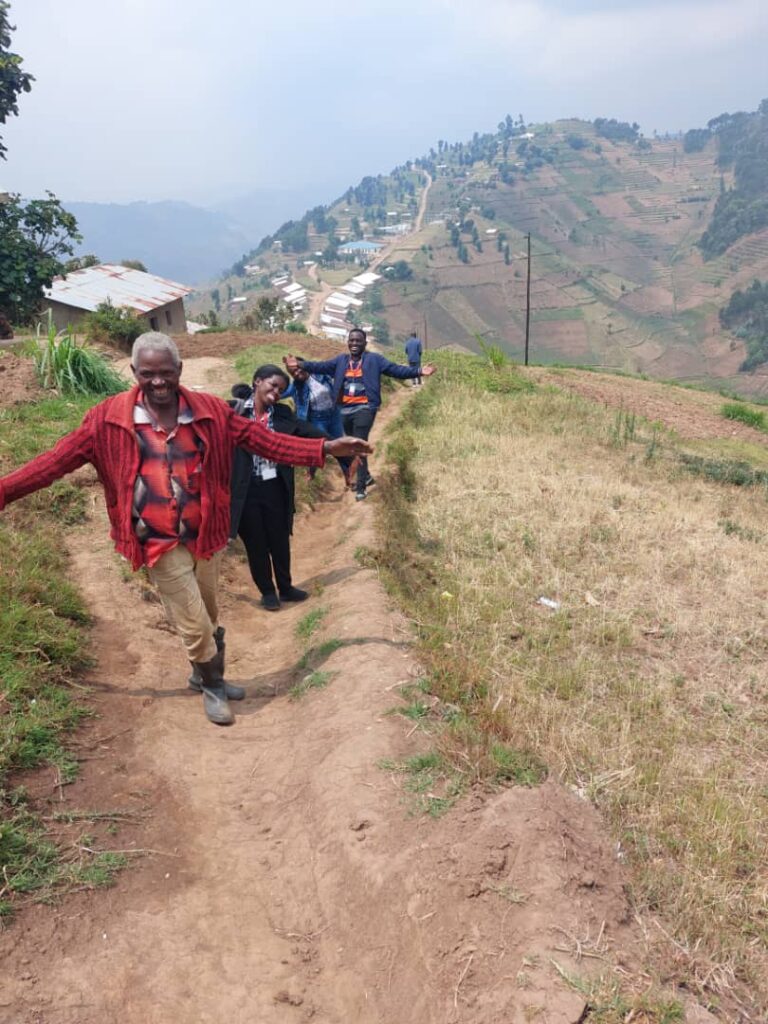
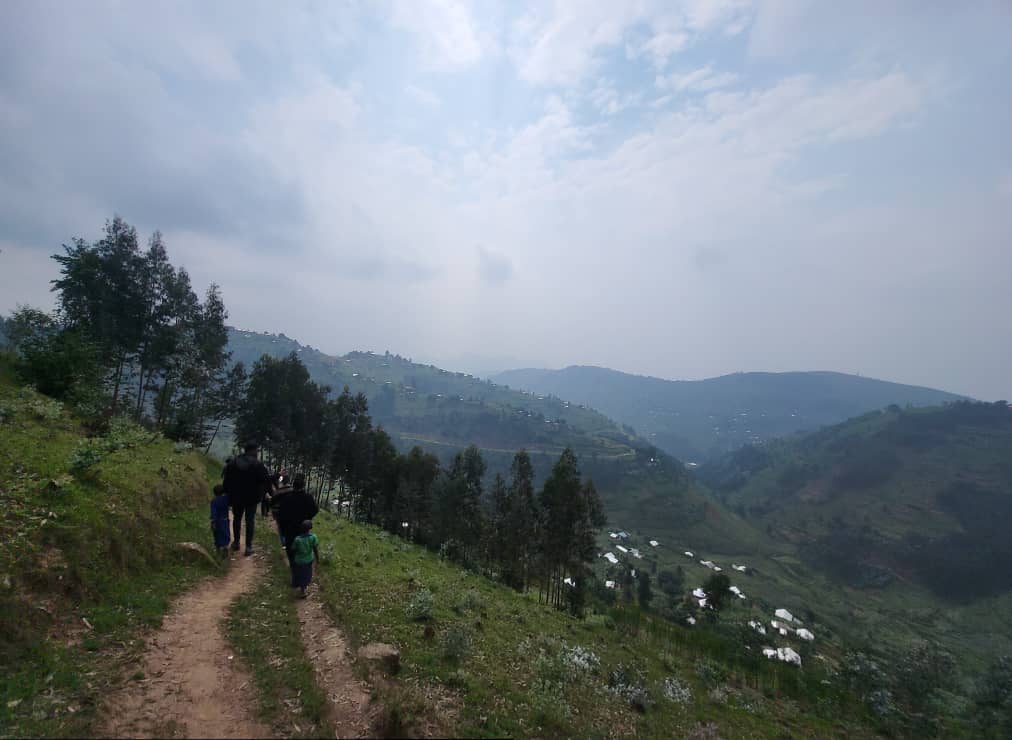
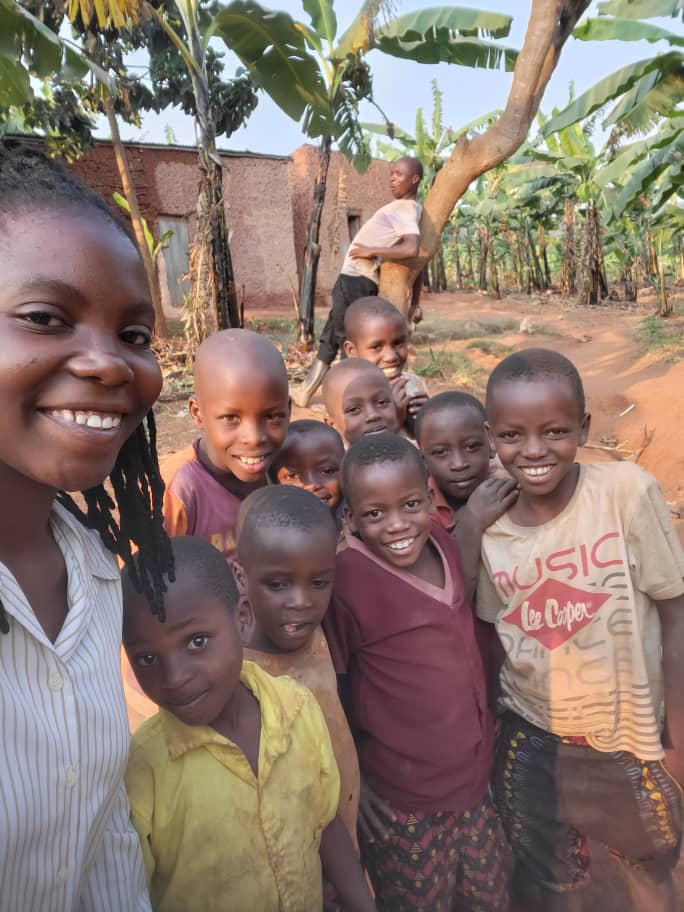
She sees innovation as designing practical, context-appropriate solutions that link what communities need with what the health system currently provides. One striking example comes from Burera District, where a local health center created community-based discussion groups for sexual and reproductive health education.
“It was a simple idea, but it created a space where people could learn, share, and empower each other.”
Such models, she notes, can be adapted to address men’s health, often overlooked in global and local programs, by creating safe spaces for men to discuss both physical and mental health, seek support, and access accurate information.
At the same time, she recognizes the growing role of technology.
“Digital tools, health apps, online counseling platforms, and AI-based educational solutions can complement community efforts, especially for young people or those hesitant to visit health facilities,” she says.
However, Rosine emphasizes that technology alone is not enough; it must be shaped by empathy, cultural understanding, and a genuine commitment to making healthcare accessible and inclusive.
“Innovation, when grounded in the lived realities of communities, becomes a bridge not only to better health outcomes but to equity and dignity for all.”
Rosine Shabe
Rosine is also also aware of the systemic gaps in men’s health. “In my outpatient clinic, I might see 40 patients a day, but only about 10% of them are men,” she observes. Poor health-seeking behavior, shaped by cultural beliefs that men must be “tough” and self-reliant, often leads to delayed care.
She shares the story of a 65-year-old patient with severe urinary complications who had endured symptoms for years before finally seeking care, a scenario she sees far too often. “This delay is common, and it often results in late diagnoses and more complicated treatments,” she notes.
Beyond individual behavior, men’s health is underrepresented in health promotion programs. “While programs focusing on women and children are important, men’s health, including prostate cancer, cardiovascular disease, and mental health, remains overlooked,” she explains. The lack of targeted services and outreach reduces awareness and early intervention opportunities.
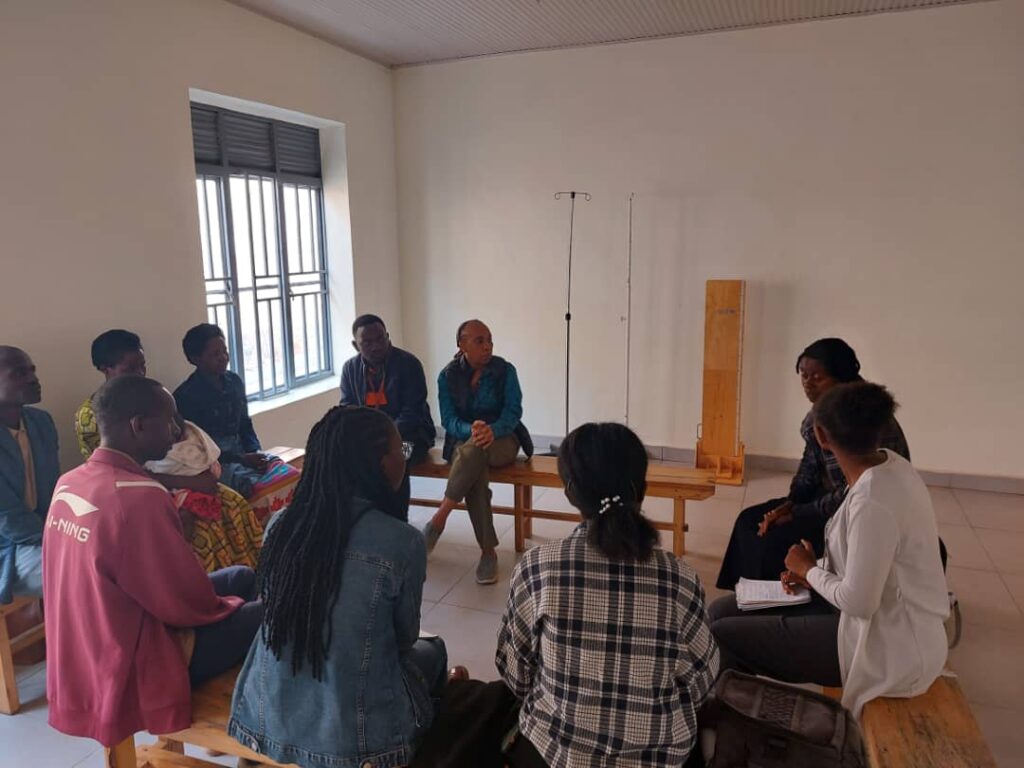
Cultural perceptions play a profound role in discouraging preventive care. “Men are expected to ‘be strong’ and endure health problems silently,” Rosine says. To shift these norms, she advocates for intentional advocacy and education. Campaigns, community dialogues, and engagement with local leaders can normalize conversations about men’s health, while safe spaces, whether physical or digital, provide platforms for men to ask questions, share experiences, and take ownership of their health.
Rrosine explains that education complements advocacy by providing men with accessible information about preventive care, early detection, and available services. When men understand the risks, the benefits of early intervention, and the practical steps they can take to maintain their health, they are more likely to act proactively.
“In a few words, advocacy and education are transformative tools. They bridge the gap between awareness and action, shift cultural norms, and create an environment where men feel supported to prioritize their health. Investing in these strategies improves men’s health outcomes and strengthens the well-being of families and communities alike.”
Rosine Shabe’s Vision for Men’s Health in Africa
For Dr. Rosine Shabe, transforming men’s health across Africa begins with recognition: men face unique health challenges that are often overlooked. Cultural expectations, limited health literacy, and a scarcity of tailored services prevent many men from accessing care early.
“To create inclusive and responsive health systems, we must integrate gender-sensitive approaches into healthcare planning. Programs should specifically address men’s health concerns, from prostate and cardiovascular health to mental well-being, while considering local cultural contexts.”
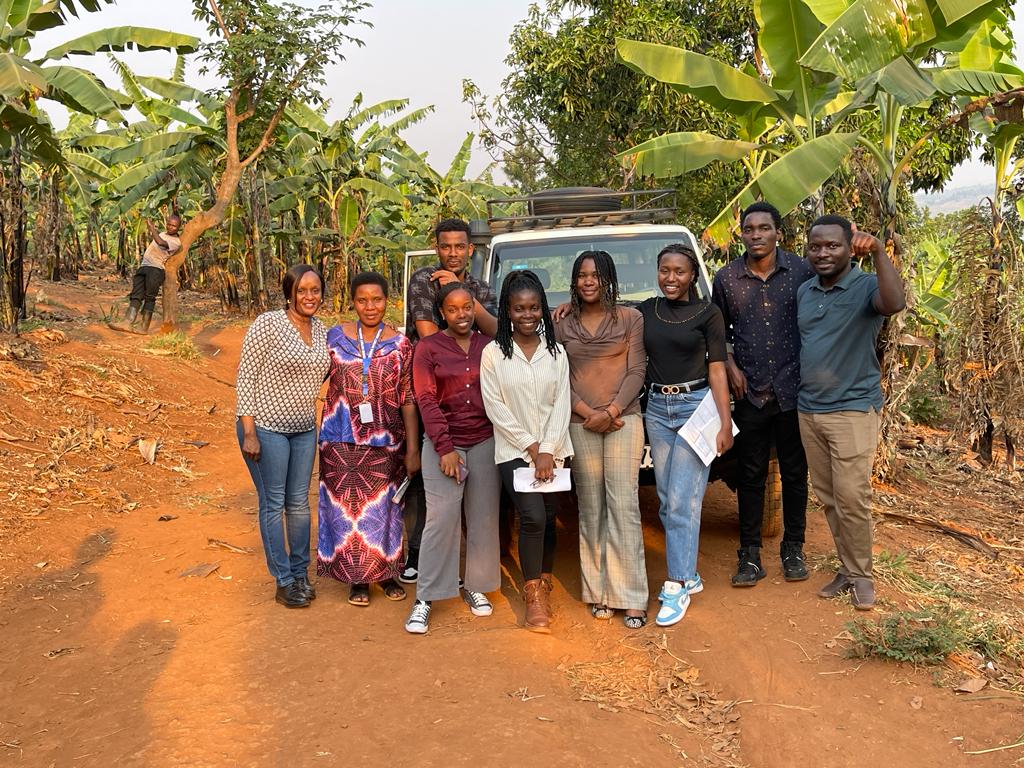
Rosine emphasizes the need for community-based strategies that bring care closer to men’s everyday environments. Mobile clinics, peer-led education programs, and support groups can provide safe spaces for men to discuss their physical and mental health openly.
“Men often respond better when health services meet them where they are.”
Rosine Shabe
Complementing these approaches, digital tools and health technologies, telemedicine, mobile health apps, and AI-driven platforms, can expand access, provide counseling, and follow up care for those who might otherwise delay or avoid seeking help.
She is particularly passionate about the role of digital advocacy and storytelling in normalizing men’s health conversations.
“Digital media, from social platforms and podcasts to online communities, creates safe, accessible, and relatable spaces where men can learn, share, and engage with health information without fear or judgment,” Rosine says.
Storytelling humanizes data, she explains: sharing real-life experiences and successes motivates men to take preventive action far more effectively than statistics alone. Young health professionals, she observes, are leveraging these tools to break stigma, promote dialogue, and empower men across both rural and urban communities.
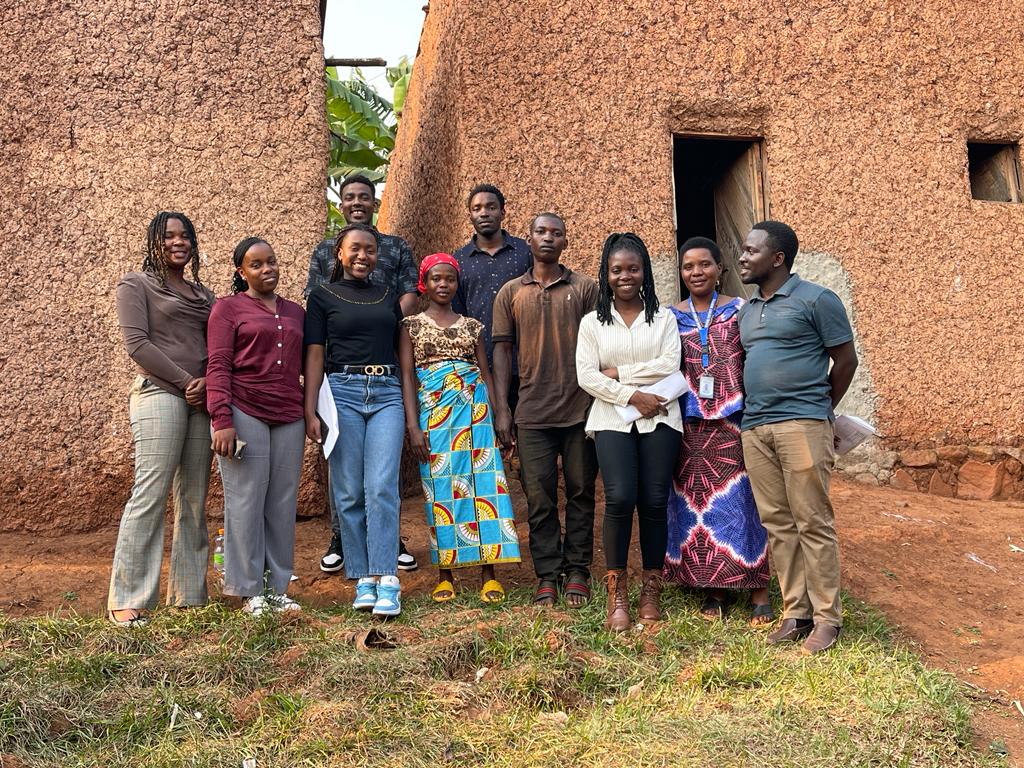
Looking ahead, Rosine Shabe envisions a continent where men feel empowered to seek care early, access quality services, and actively participate in conversations about their health, both physical and mental.
Her vision is grounded in inclusive, culturally sensitive health systems where preventive care is normalized rather than stigmatized. She contributes to this vision through a multifaceted approach:
- Research: generating evidence on men’s health gaps, outcomes, and innovative interventions to guide policy and programs.
- Advocacy: engaging communities and stakeholders to raise awareness and emphasize equity and early care across Africa.
- Clinical Practice: providing patient-centered care on the frontlines and modeling empathetic healthcare for underserved men.
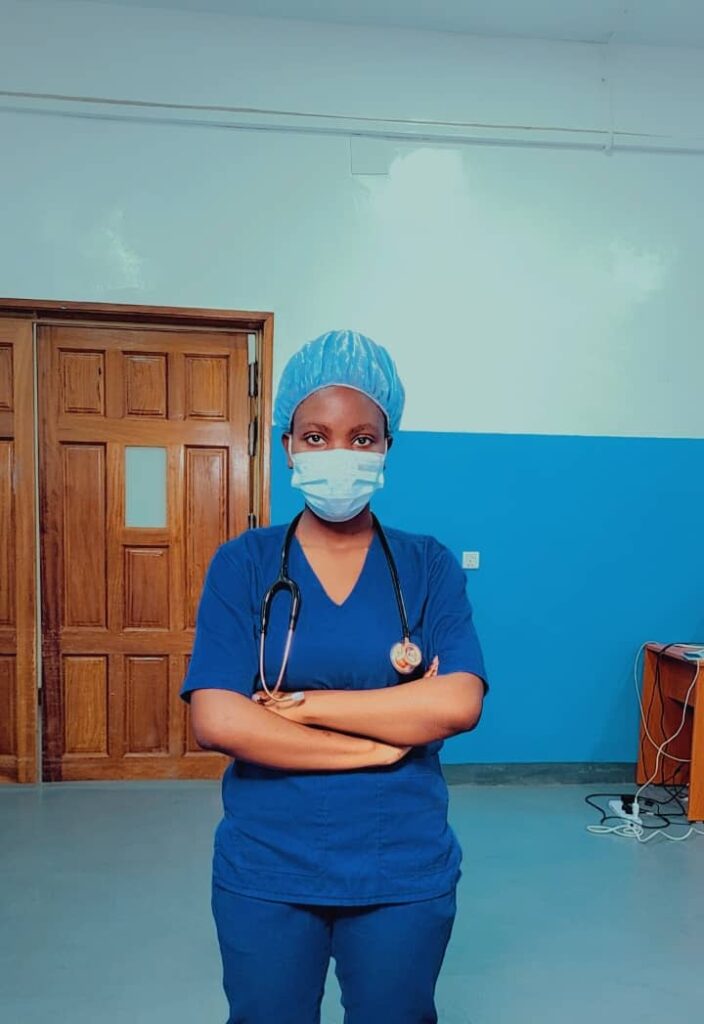
“Through these efforts, I aim to bridge the gap between policy, evidence, and practice, ensuring that men’s health is not overlooked and that every man, regardless of background, has the opportunity to live a healthy, dignified life.”
Rosine Shabe
It is truly inspiring to see young medical professionals like Rosine Shabe, devoted to driving health equity across Rwanda, Africa, and beyond. Her work, spanning clinical care, research, and digital advocacy, continues to push the boundaries of what is possible in men’s health, ensuring that underserved communities are heard, seen, and supported.
As she models dedication, innovation, and empathy, her journey reminds us of the power of advocacy rooted in justice and lived experience. May many more advocates rise to champion the causes that truly matter, shaping a future where equitable, inclusive, and compassionate healthcare is the norm for all.

- The Rise of Suicide Posts in Digital Spaces Reflects a Growing Mental Health Crisis - February 22, 2026
- How Kenya’s Silent Lifestyle Disease Crisis Is Reshaping Public Health - February 12, 2026
- The Rise of Lifestyle Diseases Emerges as a Crisis Among Kenya’s Youth - February 9, 2026
