Amplifying men’s health awareness in Kenya through medical advocacy is the focus of young medical professionals like Teresa Mundia, who are already driving meaningful change in their communities. Teresa is a fourth-year medical student at Kenyatta University, currently serving as Vice President of the Kenyatta University Medical Research Club (KUMREC) and Finance Officer of the Students’ Surgical Forum, KU chapter.
This November, I’m taking a different approach: as we mark Men’s Health Awareness Month, I will be highlighting young professionals and students creating change in communities, and that’s exactly what Teresa is doing.
In this feature, she shares her journey into medicine and advocacy, her leadership and digital advocacy efforts, her work in breaking the silence on men’s health, and her vision for the future of men’s health in Kenya.
“My name is Teresa Mundia, a fourth-year medical student at Kenyatta University. I currently serve as the Vice President of the Kenyatta University Medical Research Club(KUMREC) and also Finance Officer at Student’s Surgical Forum, KU chapter.”
Teresa Mundia
Teresa Mundia’s Journey Into Medicine and Advocacy
For Teresa Mundia, amplifying men’s health awareness is rooted in her journey as a medical student and young leader. A fourth-year MBChB student at Kenyatta University, Teresa balances her rigorous academic schedule with significant leadership responsibilities.
Beyond the classroom, she is actively involved in clinical research, medical leadership, and medical education. “My passion lies in surgery, and I often spend part of my holidays assisting in operating theatres, learning directly from surgeons and observing procedures.” Attending medical conferences also allows her to connect with peers and professionals, broadening her perspective and reinforcing her commitment to advocacy. Personally, Teresa adds, “I’m drawn to creating conversations that make medicine relatable, especially in areas where stigma or silence still exists.”
Her academic journey has profoundly shaped her interest in advocacy and research. “Studying medicine has opened my eyes to how much health outcomes depend on treatment, understanding and awareness,” she says. Teresa recalls meeting a diabetic patient during her clinical rotations who had undergone an amputation because he didn’t fully understand the importance of taking his medications consistently. “Such experiences are eye-openers to me, showing how lack of awareness can destroy lives, and my role as a student doctor involves more than cure.”
Through her leadership in Kenyatta University Medical Research Club(KUMREC), Teresa has been able to turn these realizations into actionable initiatives. “It has given me an opportunity to ask questions like: ‘Why do some communities have limited access?’ ‘Why are some topics like men’s health still so silent?’” By engaging in student-led clinical research, she strives to make health information accessible and give voice to communities that are often unheard.
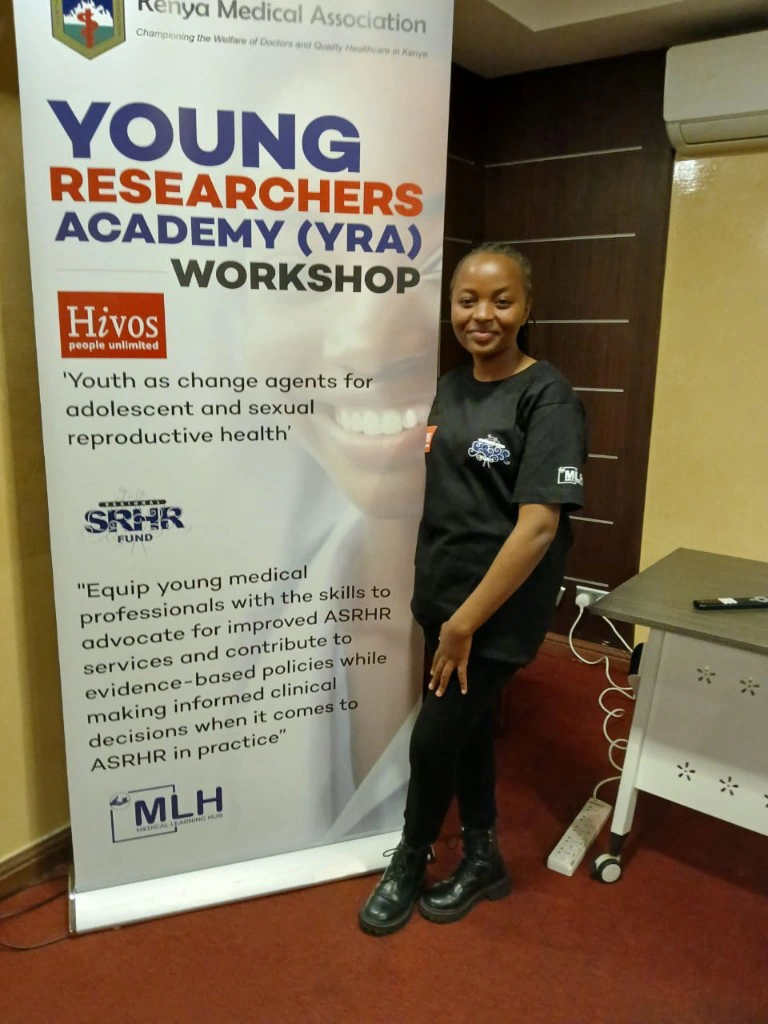
Leadership, Learning, and Digital Advocacy
Teresa Mundia’s leadership journey in medicine has been as hands-on as her clinical training. Through her active participation in the Students’ Surgical Forum (SSF), she has gained practical exposure that complements her aspiration to become a surgeon.
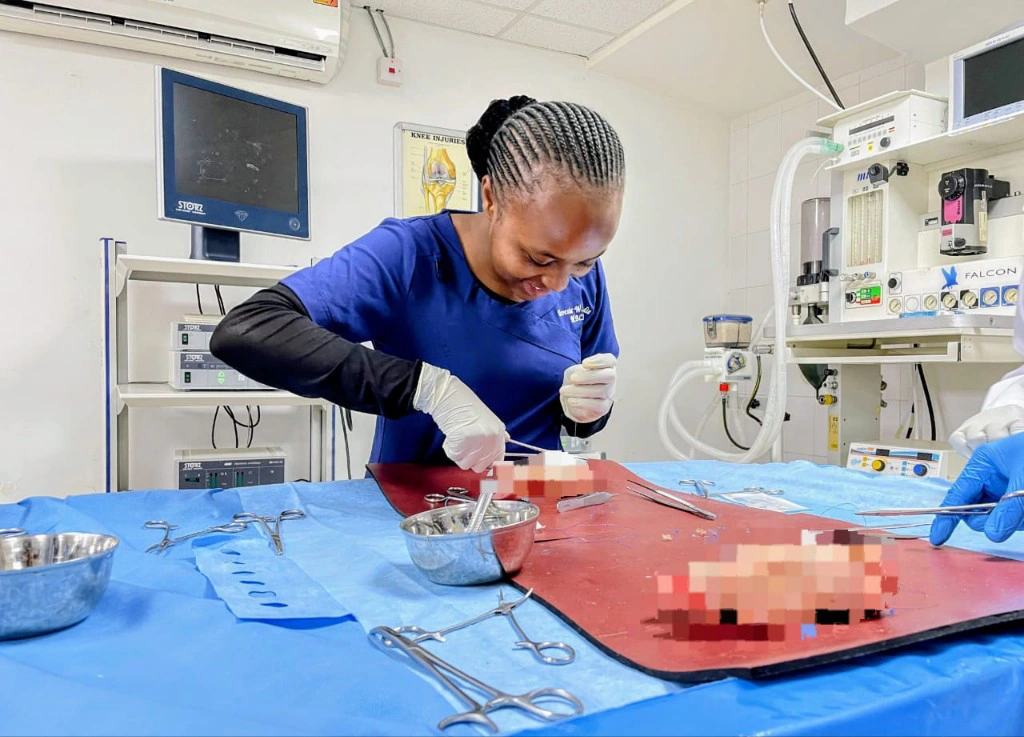
“Through the Students’ Surgical Forum, I’ve learned that initiative defines your growth in medicine. My dream is to become a surgeon, and SSF gave me the practical exposure I needed.”
Teresa Mundia
Teresa highlights the critical skills she has developed in real theatre environments, from aseptic handwashing, theatre gowning and gloving, instrument handling, to suturing techniques.
One experience stands out vividly for her. “During the August break, I had a chance to assist at Kenyatta University Teaching, Research and Referral Hospital (KUTRRH). In one particular case, I practiced subcuticular suturing under a mentor’s supervision. It is such moments that strengthen my resolve to pursue surgery,” she recalls. Beyond technical skills, SSF has also provided a platform for networking with like-minded students nationally, promoting collaboration and knowledge exchange.
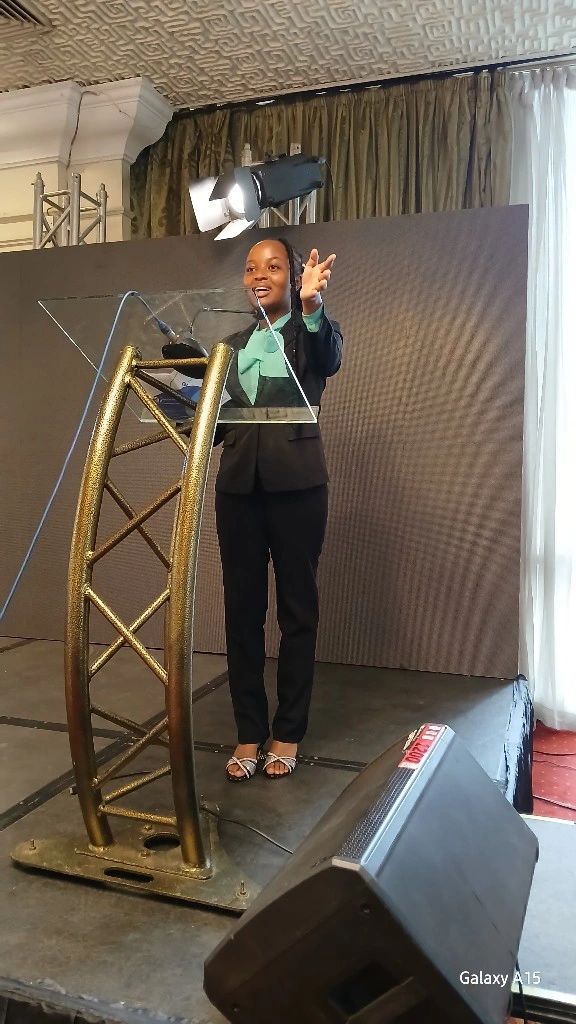
Teresa’s path into medical leadership began unexpectedly. “In my first year, I was elected Vice Organizing Secretary at KUMREC, not fully aware of what it entailed. But through planning events, managing teams, and engaging with mentors, I discovered a genuine love for leadership,” she reflects. A key influence has been Dr. Cinamon Nyagaka, whose guidance reinforced the idea that “leaders aren’t born, they are made.” Mentorship has shaped Teresa’s view of leadership as a platform for service and impact.
Every role she has held, from KUMREC to SSF, and within the Federation of African Medical Students (FAMSA), has helped her refine her goal of becoming a doctor who treats patients while driving systemic change, particularly in health policy and community education.
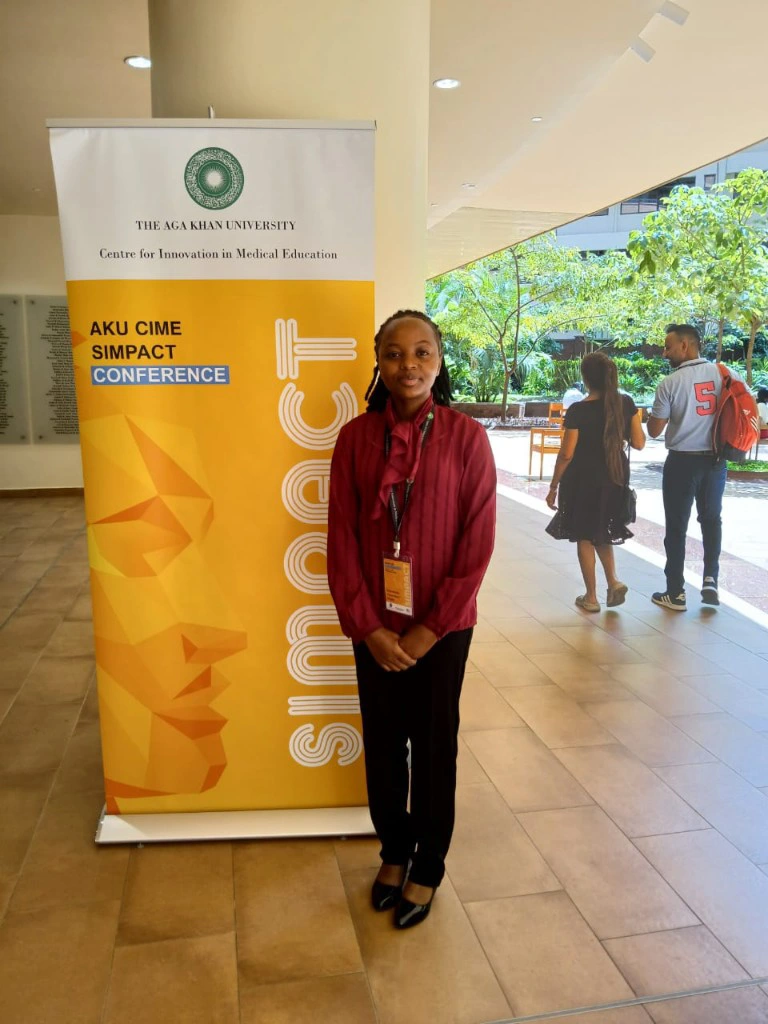
Digital platforms have further amplified her impact. Teresa sees social media as a transformative tool for health advocacy. “Digital advocacy is definitely breaking barriers! It has been a space where young voices can reach communities directly without waiting for institutional platforms,” she says. She believes that social media can humanize medicine and influence public behavior quickly, particularly among youth, building a generation that is more health-conscious and engaged.
Breaking the Silence on Men’s Health
Teresa Mundia’s focus on men’s health goes beyond her professional role, it is a personal mission shaped by real-life encounters in her clinical setting and community work. She recently posted on social media about prostate cancer, and when I asked her what motivated the post, she explained, “An older lady remarked, ‘Our men are really carrying urinary catheters in their pockets.’ That statement struck me deeply because I’ve seen that reality firsthand. Men suffer silently, and I’ve personally inserted some of those catheters during my clinical rotations.”
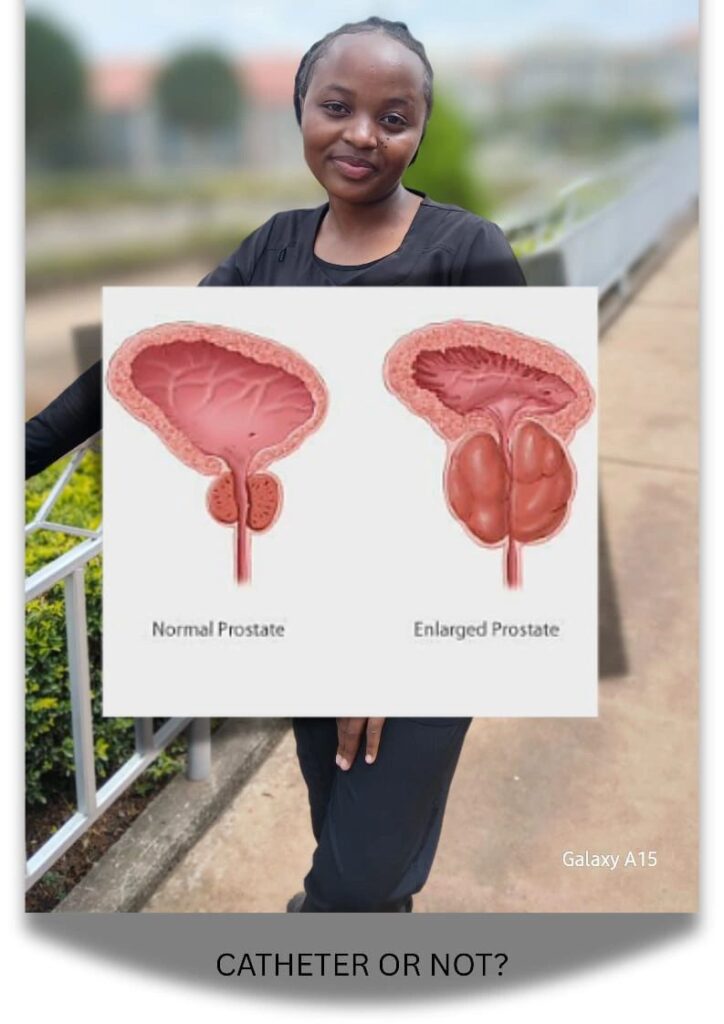
Her motivation, she explains, was to break that silence.
“Many men only seek care when it’s too late, not because they don’t care, but because society has equated masculinity with silence. My message was clear: early screening saves lives, and strength lies in seeking help, not hiding pain. I am certain that many of these problems can be solved when detected early.”
Teresa Mundia
Teresa emphasizes the systemic changes needed to make men’s health a normalized conversation.
“We need to make men’s health part of everyday discussion in schools, workplaces, and even homes. Public campaigns often target women, leaving men behind. Healthcare workers should receive better training in gender-sensitive communication, and we need more male voices leading awareness efforts, because men listen when other men speak up.”
Teresa Mundia
She adds a direct message to men: “Looking after your well-being isn’t just for you; it ensures you can be around for the people you love for a long, healthy life. It’s okay not to be okay, and early healthcare saves you a hundredfold. It is time to close that empathy gap.”
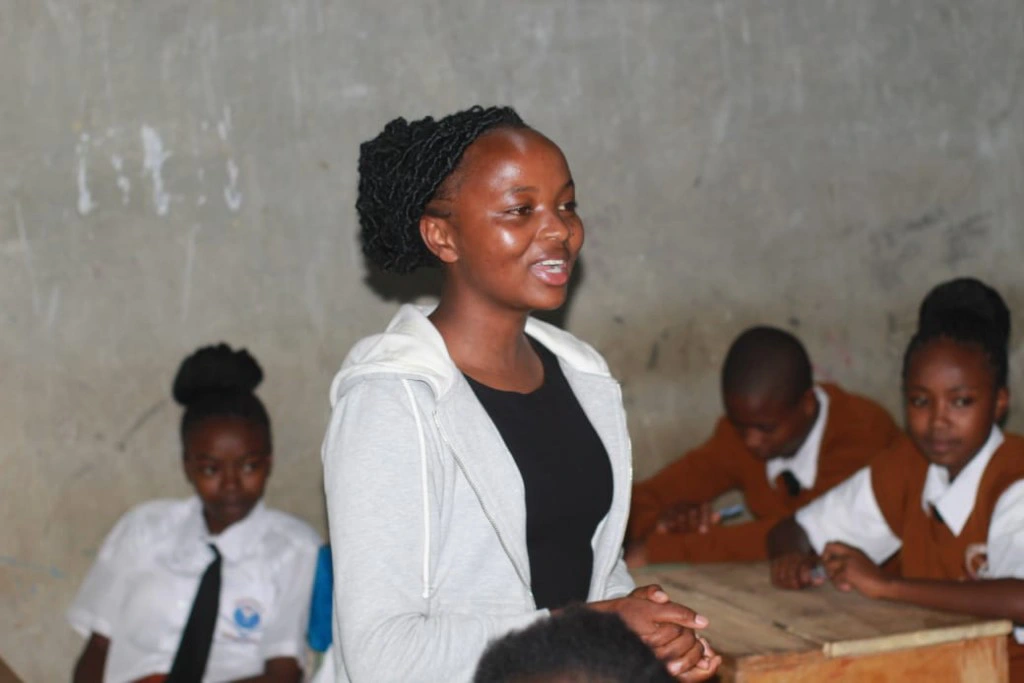
Young professionals and medical students, Teresa believes, have a unique role to play in amplifying men’s health awareness.
“We live in a digital age where one post can reach thousands, whether on LinkedIn, Instagram, or even TikTok. Medical students and young professionals can use social media to simplify health information, share preventive advice, and challenge myths. Even small initiatives like podcasts, blog posts, short videos, or community outreach can go worlds to inspire action. The key is consistency and authenticity. People connect to real stories more than medical jargon, as I have come to realize with my LinkedIn posts.”
Neglected Men’s Health Issues
Beyond prostate cancer, Teresa highlights other often-neglected areas of men’s health in Kenya. While public discourse frequently emphasizes women’s health or communicable diseases, she notes that men are facing a silent but growing set of challenges that often go unaddressed.
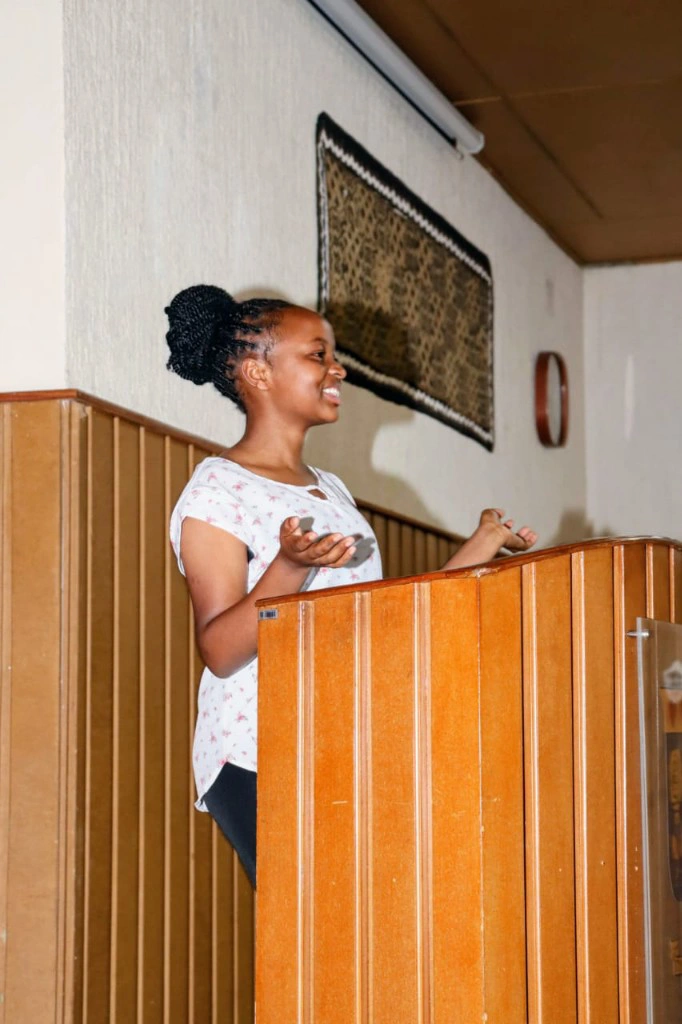
“Mental health and reproductive health are two neglected areas,” she explains. Many men in Kenya struggle with depression, anxiety, or substance use in silence, rarely seeking professional help due to stigma or societal expectations of masculinity. Teresa stresses that this silence has serious consequences, not just for the individuals affected but for families and communities at large.
She also points to the rising prevalence of lifestyle-related diseases among younger men. “We also need stronger awareness around lifestyle diseases like hypertension and obesity, which are rising among younger men,” she says. These conditions, if left unaddressed, contribute to long-term complications such as cardiovascular disease, diabetes, and diminished quality of life.
Teresa believes the conversation about men’s health needs to shift from reactive care to preventive care. “Men’s health shouldn’t only be discussed when they fall sick, it should be part of preventive and everyday healthcare,” she insists. Her perspective highlights a critical gap in Kenya’s health system: the need to integrate regular check-ups, health education, and early screening programs tailored to men, ensuring that health promotion is a continuous process.
By drawing attention to these overlooked aspects, Teresa’s advocacy highlights the need to consider all dimensions of men’s health, including physical, mental, and reproductive well-being. Through both her clinical work and digital platforms, she aims to create awareness that empowers men to take charge of their health before conditions become life-threatening.
Teresa Mundia’s Vision for the Future of Men’s Health
Looking ahead, Teresa Mundia envisions a transformation in how men approach their health. Her goal is to cultivate a society where men view health as strength, not weakness, and where routine checkups, mental well-being, and open conversations are normalized rather than stigmatized.
“My vision is a society where men view health as strength, not weakness. A society where routine checkups, mental well-being, and open conversation are normalized,” she explains. Teresa sees her role as both a medical professional and an advocate: contributing through continuous advocacy, research, and medical storytelling to make scientific knowledge accessible and relatable.
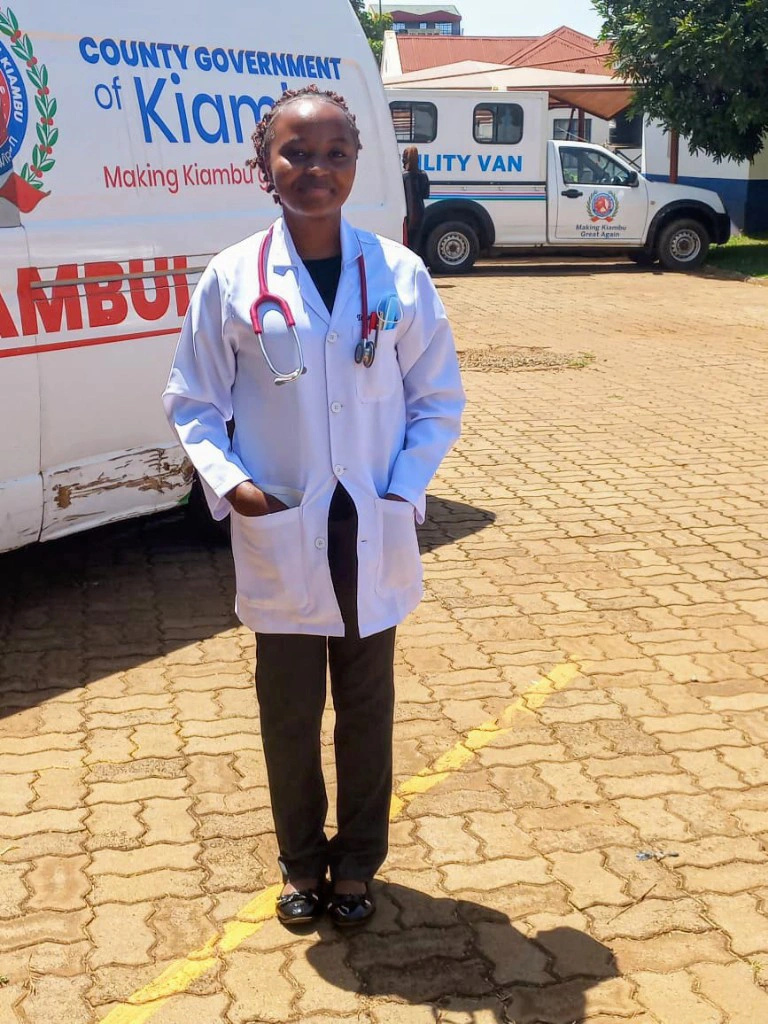
“I want to contribute through continuous advocacy, research, and medical storytelling. I believe this will bring science to the people in a way that they best understand. If every conversation can save even one life, then that’s the kind of medicine I want to practice.”
Teresa Mundia
Through her work, Teresa embodies the potential of a new generation of medical professionals, one that bridges clinical expertise with social advocacy. Her vision emphasizes proactive care, education, and empowerment, aiming to shift cultural perceptions and ensure that men in Kenya not only survive but thrive. By combining research, leadership, and outreach, she hopes to create a lasting impact on men’s health, inspiring others to join the movement for greater awareness and early intervention.
It is truly inspiring to see young medical students and professionals like Teresa Mundia devoting their lives to driving meaningful change. With the work she is already doing, one can only hope that many more will rise to the challenge, continuing to advance the change our communities so urgently need. By taking action today, we can build a healthier, more aware society, improving lives for ourselves and for generations to come.

- The Rise of Suicide Posts in Digital Spaces Reflects a Growing Mental Health Crisis - February 22, 2026
- How Kenya’s Silent Lifestyle Disease Crisis Is Reshaping Public Health - February 12, 2026
- The Rise of Lifestyle Diseases Emerges as a Crisis Among Kenya’s Youth - February 9, 2026
