Dr. Lekirimpoto Mayanai, a medical doctor and the visionary founder of the Naret Organization, stands at the heart of Kenya’s northern frontier, where cultural richness meets the challenge of limited healthcare access. Passionate about advancing women’s health and wellness, her work bridges medicine, advocacy, and community empowerment, focusing on improving health outcomes for Indigenous and pastoralist women often left behind by mainstream healthcare systems.
Currently serving as the Director of Family Health in Isiolo County, with a background in surgical medicine from Tongji University, further training in public health, and years of service at Isiolo County Referral Hospital, she has witnessed firsthand the systemic barriers that prevent many rural women from accessing timely, quality healthcare. Beyond the clinical setting, Dr. Lekirimpoto Mayanai brings her passion for women’s health, gender justice, and climate resilience to the forefront, leading grassroots initiatives that blend medical expertise with empathy and community-driven solutions.
Her voice has become a catalyst for change, shaping policy conversations, mentoring young health professionals, and amplifying Indigenous women’s perspectives on national and global stages.
In this feature, she reflects on her journey of championing breast cancer care among Kenya’s marginalized communities, the power of culturally responsive health education, and her vision for a future where every woman, regardless of geography or background, can access inclusive, dignified care.
Where Purpose Meets Practice
As the founder and director of NARET Kenya, Dr. Lekirimpoto Mayanai has built a community-driven non-profit dedicated to empowering women, youth, and marginalized populations in Laikipia, Isiolo, Marsabit, and Samburu counties. NARET focuses on improving health and wellness through medical outreach, maternal care, and climate-focused healthcare, while promoting gender equality, youth mentorship, and skills development. The organization also tackles water and sanitation challenges, ensuring clean water access and hygiene for communities in Northern Kenya.
In 2024 alone, NARET conducted over 11 community health outreaches, delivered 32 women empowerment trainings, mentored more than 1,200 students, and impacted over 3,000 lives.
Through partnerships with local and international stakeholders, NARET continues to create empowered communities, demonstrating that sustainable change begins with local leadership and grassroots engagement. Visit their website here to learn more about their work and programs.
Driven by a deep sense of service, equity, and compassion, Dr. Lekirimpoto Mayanai has dedicated her life to advancing women’s health. From her base in Isiolo County, she wears many hats: a medical doctor, a health educator, and the Director of Family Health, where she oversees programs on reproductive health, gender-based violence, and sexual and reproductive health and rights (SRHR).
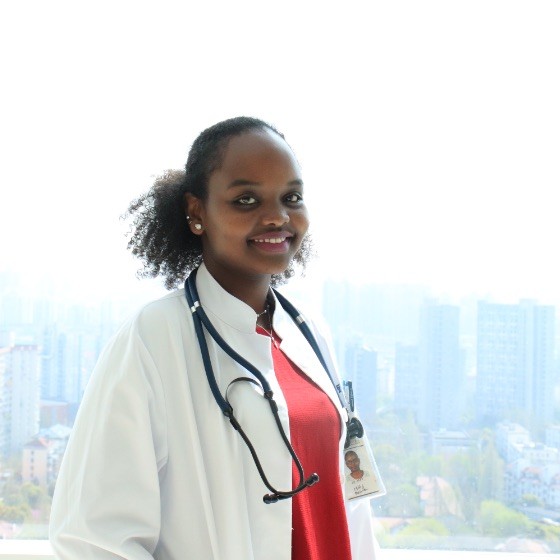
“Professionally, I serve in Isiolo County as a director focused on family health, reproductive health,GBV and SRHR, with ongoing leadership duties that drive community-based health education, service delivery, and policy alignment.”
Dr. Lekirimpoto Mayanai, Medical Doctor & Director, NARET Kenya
Her leadership blends policy direction with on-the-ground engagement, driving community-based health education and accessible service delivery across northern Kenya.
Beyond her formal role, Dr. Lekirimpoto Mayanai remains connected to the communities she serves.
“I continue to work closely with Indigenous and pastoralist groups, championing campaigns that improve women’s health literacy, HPV awareness, contraception access, and breast cancer awareness,” she explains.
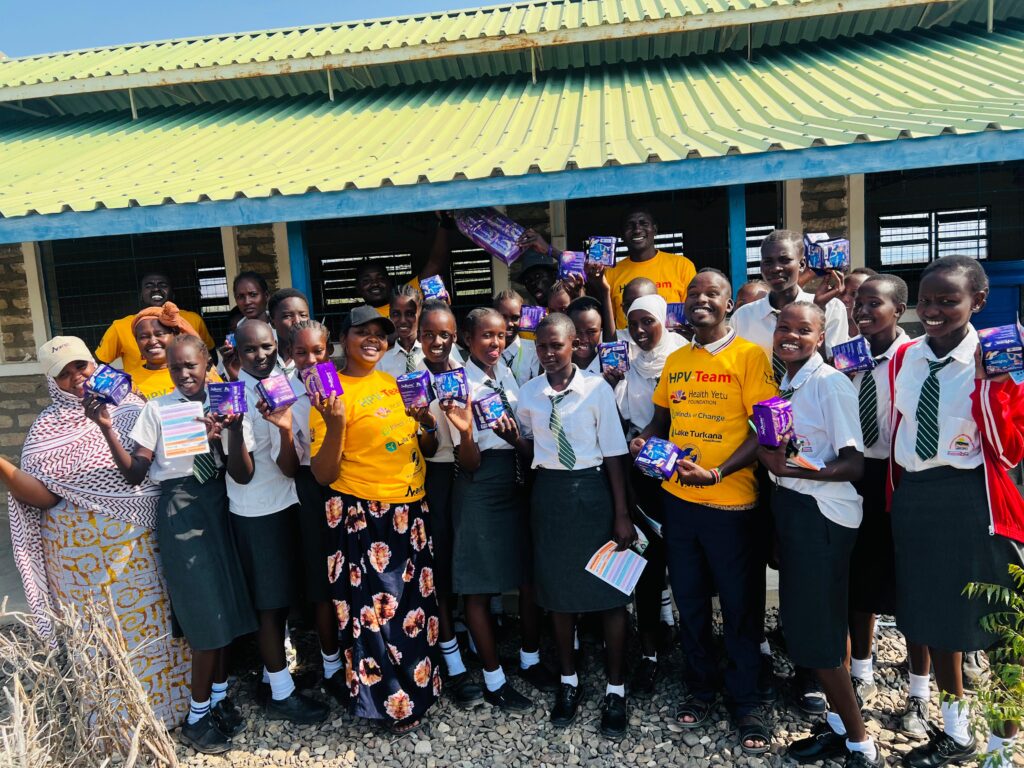
Through her organization, NARET, she leads grassroots outreach initiatives that train frontline health workers and strengthen linkages to screening and diagnostic services, bridging the gap between medical expertise and local realities.
Her involvement in breast cancer awareness, she says, grew from both professional exposure and lived community experiences.
“The motivation stems from observing delayed diagnoses and limited access to timely screening in marginalized areas. Culturally rooted beliefs and logistical barriers often prevent women from seeking care early.”
Over the years, Dr. Lekirimpoto Mayanai has watched women rise above these barriers with courage and conviction. Their stories, she says, fuel her drive to ensure that awareness translates into action. “Seeing local women, families, and community health workers champion change inspires me to make education and screening practical, relatable, and compassionate.”
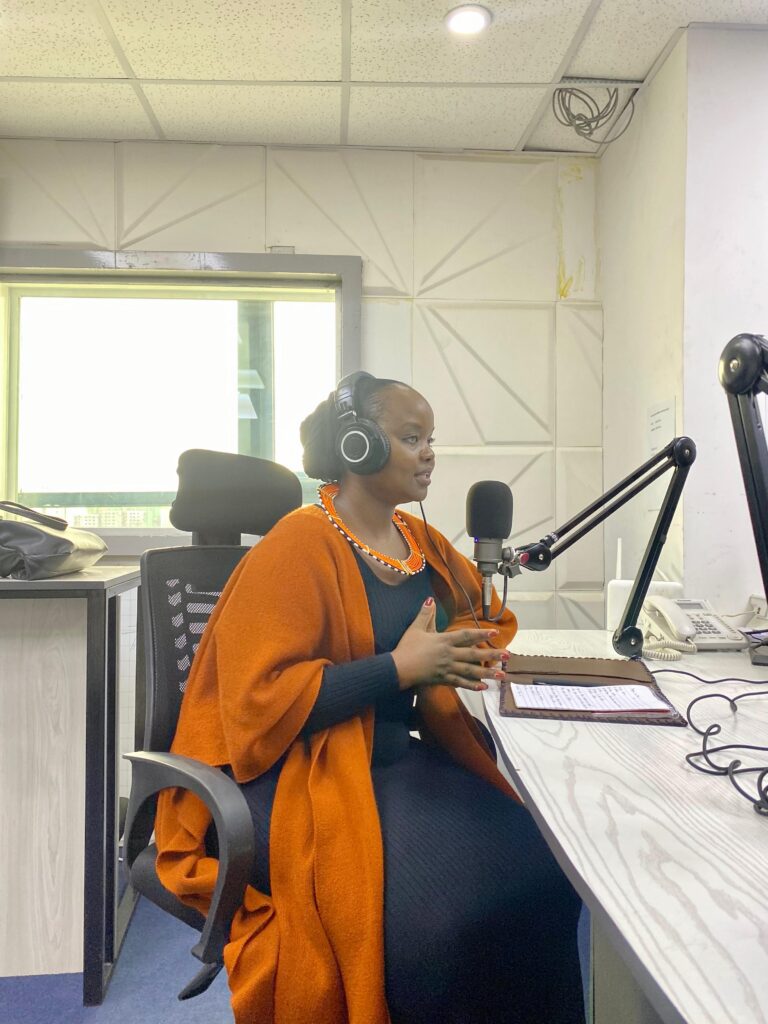
What drives her is the belief that every woman, regardless of her background or geography, deserves a fair chance at life. By bringing screening, information, and emotional support closer to remote communities, she hopes to turn awareness into early action, and fear into hope.
Her mission is to make breast cancer care a lived reality, not a distant promise, where women in remote counties can learn, screen, and seek support without fear or barriers.
Healing Beyond Hospitals
Across the arid stretches of Laikipia, Isiolo, Marsabit, and Samburu, healthcare is often a long journey away, both literally and figuratively. For many women, accessing breast cancer screening means traveling hours to the nearest facility, often at great cost. As Dr. Lekirimpoto Mayanai explains,
“Limited access to screening and diagnostic services, especially in remote communities, continues to undermine early detection. Long travel times and cost barriers mean many women arrive only when symptoms have advanced.”
Dr. Lekirimpoto Mayanai, Medical Doctor & Director, NARET Kenya
The challenges extend beyond logistics. Many rural health centers face persistent shortages of trained personnel, functional equipment, and reliable referral systems. Without strong linkages to tertiary care, women are often caught in cycles of delay and despair. “Even when a woman is ready to seek help,” Dr. Lekirimpoto Mayanai says, “the system isn’t always ready for her.”
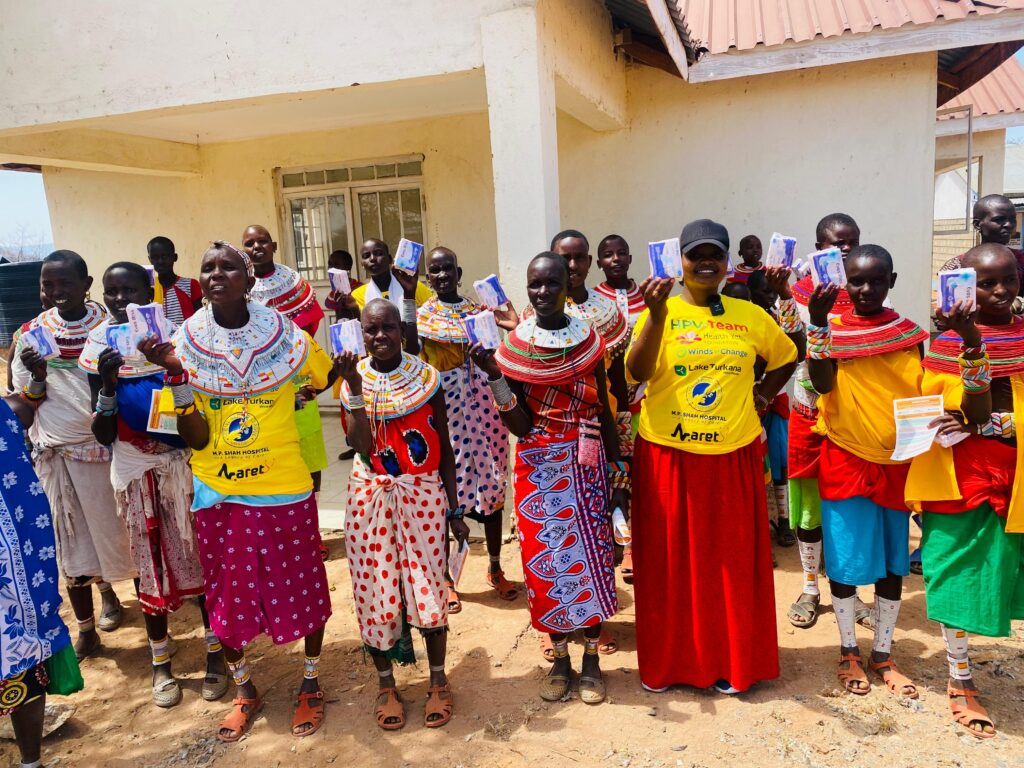
But perhaps the most complex barrier lies within cultural beliefs and societal norms. In some Indigenous communities, breast cancer is still whispered about with fear or linked to spiritual causes. “Cultural norms deeply shape how women perceive breast health,” she notes.
“Gender roles, decision-making authority within families, and the influence of traditional healers all determine whether a woman ever reaches a clinic or is able to access biomedical services.”
Rather than dismiss these beliefs, NARET’s approach respects and works within them. The organization uses culturally rooted education to transform perceptions, engaging trusted local leaders, elders, and women’s groups to start conversations that matter. “Effective awareness programs must respect culture,” Dr. Lekirimpoto Mayanai emphasizes. “When we use local languages, relatable stories, and respected voices, women listen differently. It becomes about shared care, not imposed advice.”
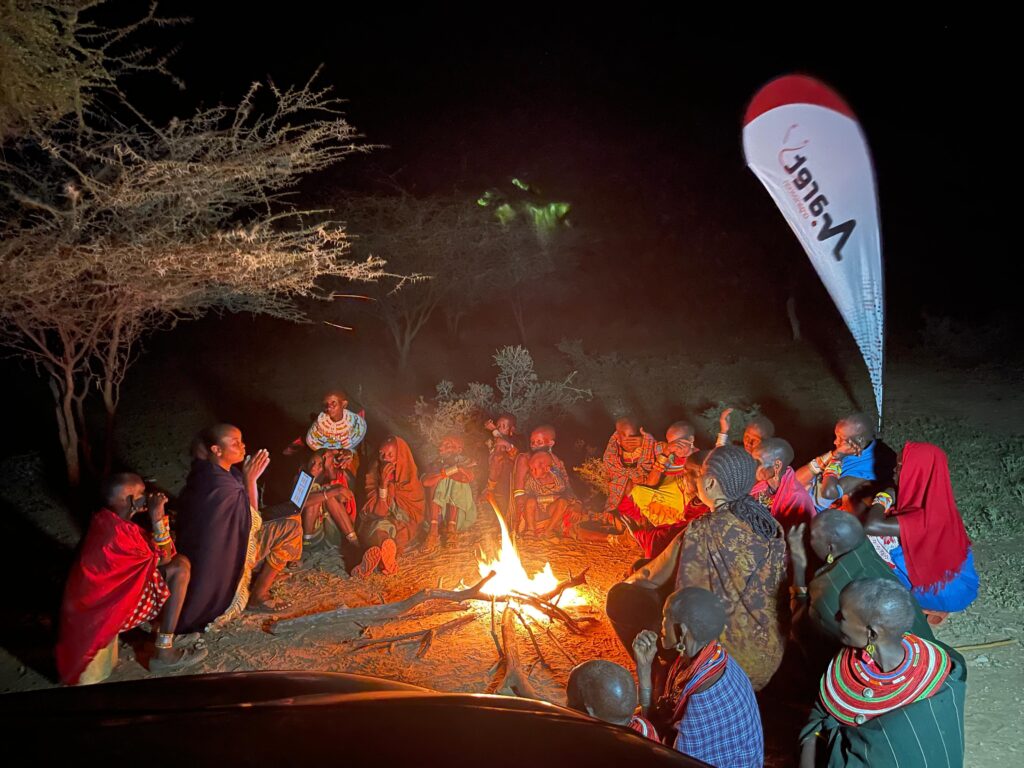
At the community level, peer-led education has become one of NARET’s most effective tools. Local women are trained as breast health ambassadors, going door-to-door and leading small group discussions that demystify breast self-exams and emphasize when to seek care. These efforts are supported by community gatherings, where screening demonstrations are conducted in safe, female-friendly spaces.
NARET also strengthens referral pathways, ensuring that women who need follow-up care know where to go, and how to get there. “We’ve worked to make the process less intimidating,” Dr. Lekirimpoto Mayanai shares. “When transport and logistical support are in place, more women complete the screening journey.”
Collaboration has been a cornerstone of this success. NARET partners with faith groups, women’s associations, and local CBOs to extend reach, while academic and research institutions contribute to training and evaluation. Support from public health agencies, NGOs, and donors has also enabled screening days, caregiver support sessions, and awareness campaigns. “Partnerships allow us to do more than we could alone. They make it possible to reach women who would otherwise remain unseen.”
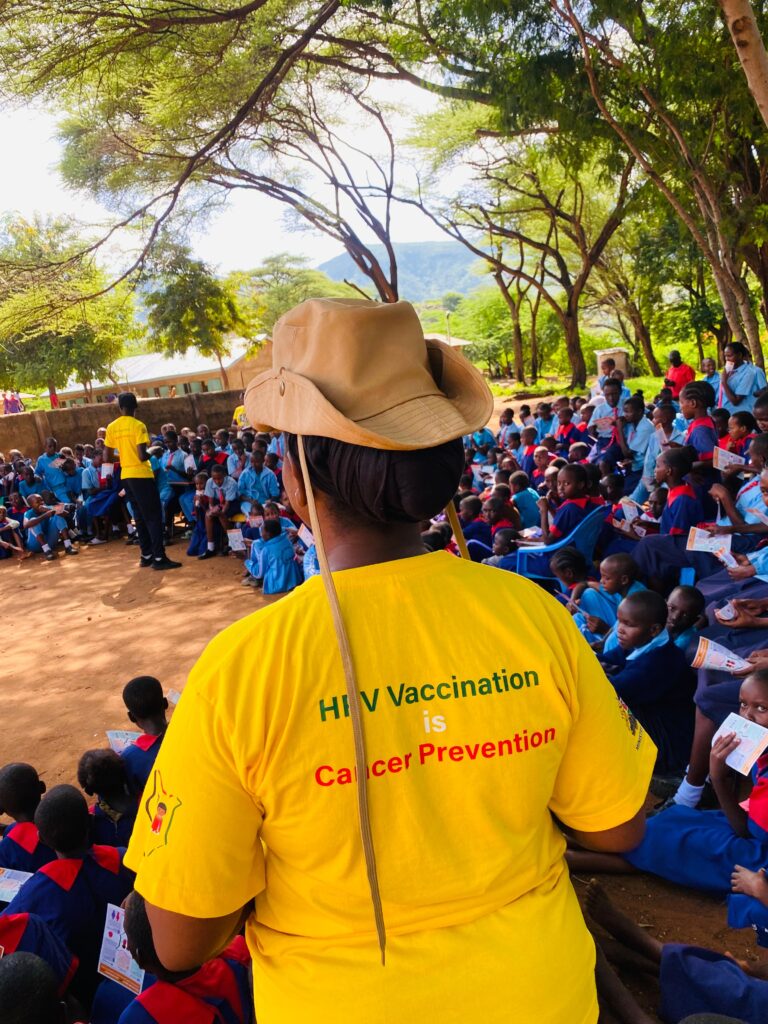
The results of these efforts are already visible.
“I’ve seen communities organize women’s health days that combine HPV education, vaccination awareness where applicable, and breast and cervical health screening conversations, leading to higher screening uptake.”
Dr. Lekirimpoto Mayanai, Medical Doctor & Director, NARET Kenya
Communities have begun organizing women’s health days that integrate HPV education, vaccination awareness, and breast and cervical screening conversations.
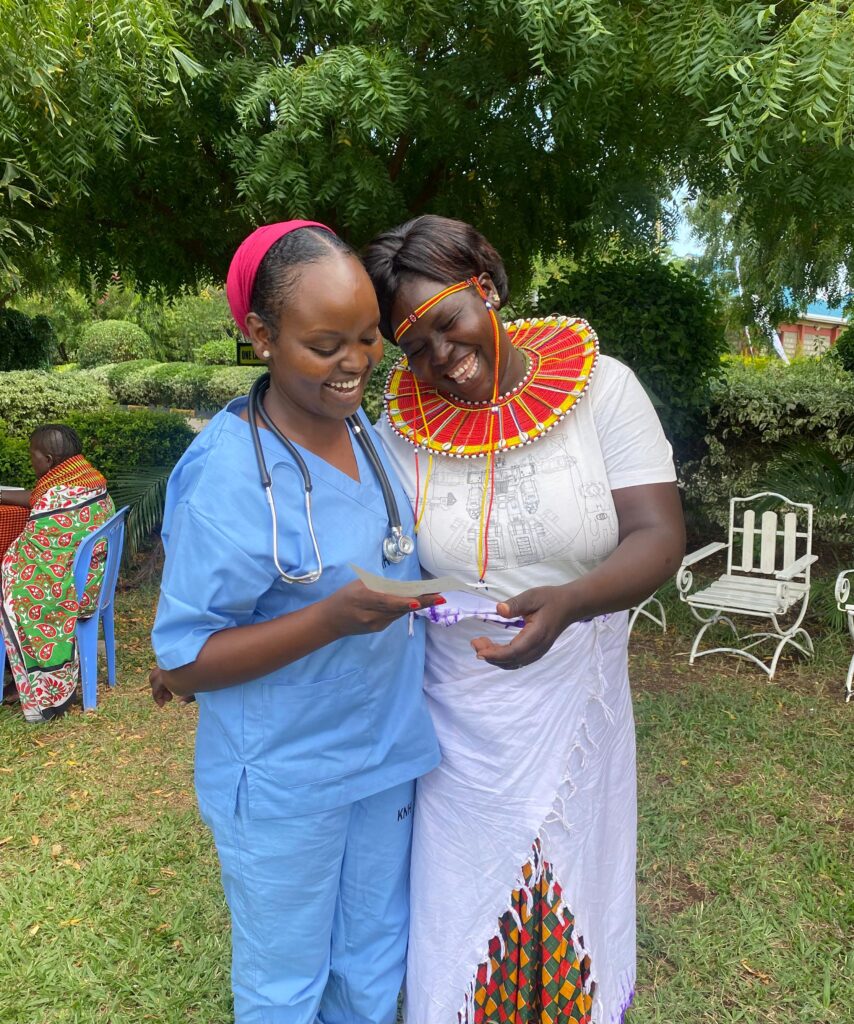
“We’ve seen women who, after engaging with these grassroots sessions, sought clinical evaluation earlier, leading to earlier-stage diagnoses and better treatment options that reveal the strength of local engagement.”
Reimagining the Future of Women’s Health
For Dr. Lekirimpoto Mayanai, the future of women’s health in Kenya must begin where trust already lives, in communities. She envisions a system where hospitals and grassroots initiatives no longer exist in parallel, but in partnership.
“Kenya’s healthcare system needs to strengthen two-way communication between community programs and health facilities to ensure smooth referrals, feedback, and continuity of care,” she says when information and feedback flow both ways, care becomes continuous, not fragmented.
That belief is at the core of NARET’s work, which seeks to bridge national health goals with local realities. The organization advocates for increased funding and the deployment of mobile screening units to bring services closer to rural women, alongside task-shifting where appropriate. It also pushes for the integration of breast health into primary care guidelines and training, making screening a routine conversation, not a specialist privilege. Equally vital is investing in community-level data collection to inform planning, monitor outcomes, and demonstrate impact to policymakers and donors.
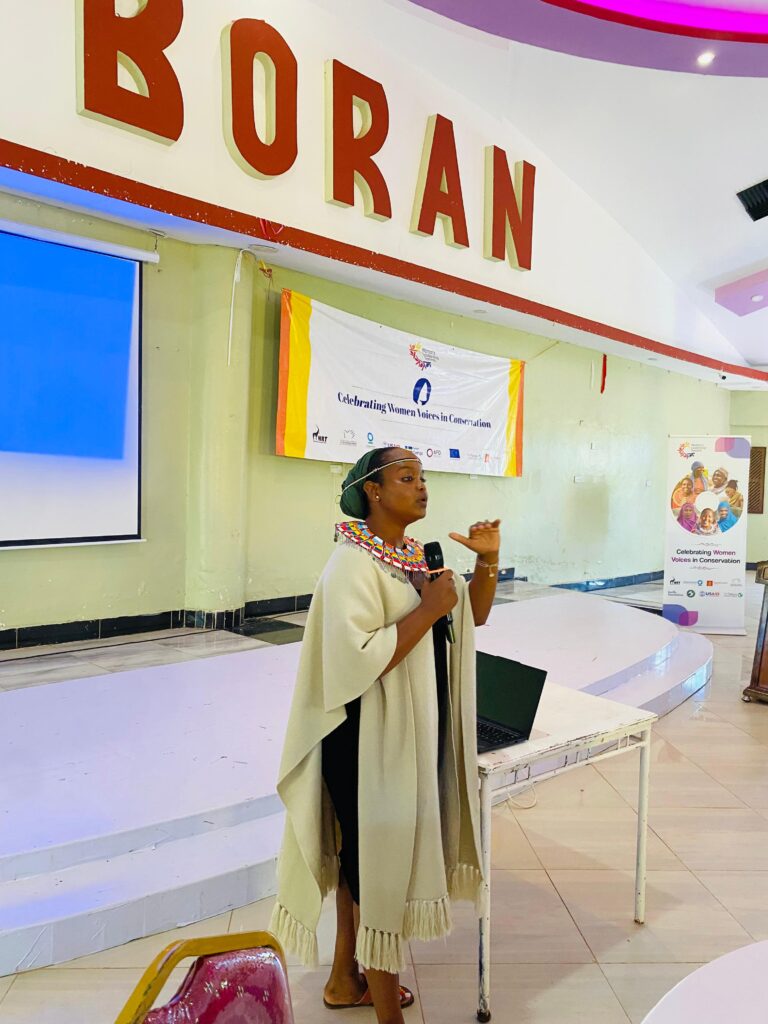
She highlights the importance of community data, often overlooked but vital in shaping responsive healthcare systems. “When we can show evidence from the ground, how many women were screened, referred, or followed up, policymakers begin to listen differently.”
But as the physical systems evolve, Dr. Lekirimpoto Mayanai reminds us that true healing extends beyond the body. Breast cancer is not just a medical diagnosis; it’s emotionally overwhelming.
“Mental health support is central to breast cancer care; emotional distress affects treatment adherence and quality of life for patients and caregivers, and can affect how women respond to treatment and how caregivers cope.”
Dr. Lekirimpoto Mayanai, Medical Doctor & Director, NARET Kenya
To address this, NARET integrates psychosocial support, caregiver guidance, and peer support groups into its programs, ensuring women have access to counseling resources and community-based support networks. Through these spaces, participants find not only emotional relief but also solidarity. “When women share their stories, they start to heal together, hope becomes a community resource.”
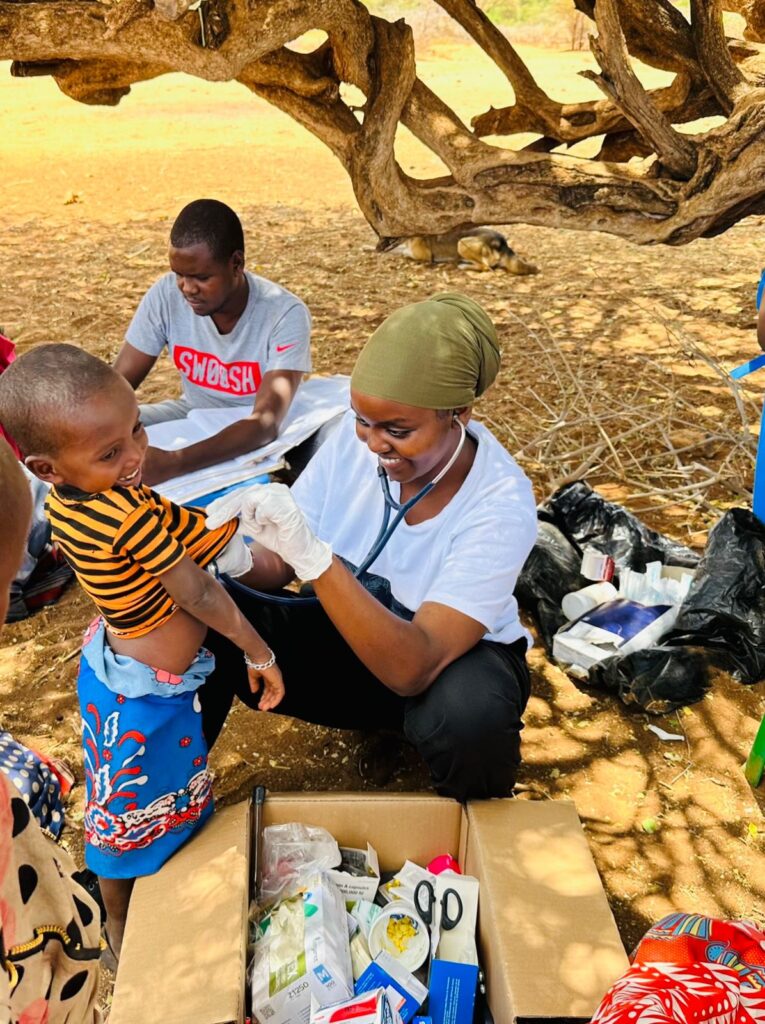
Looking ahead, she envisions a Kenya where breast cancer awareness is widespread, screening is accessible at the community level, diagnosis is timely, and care pathways are streamlined, where women’s empowerment is recognized as integral to better health outcomes. She believes that a health system that truly serves women must see them as partners, and that empowerment is not separate from health, but part of it.
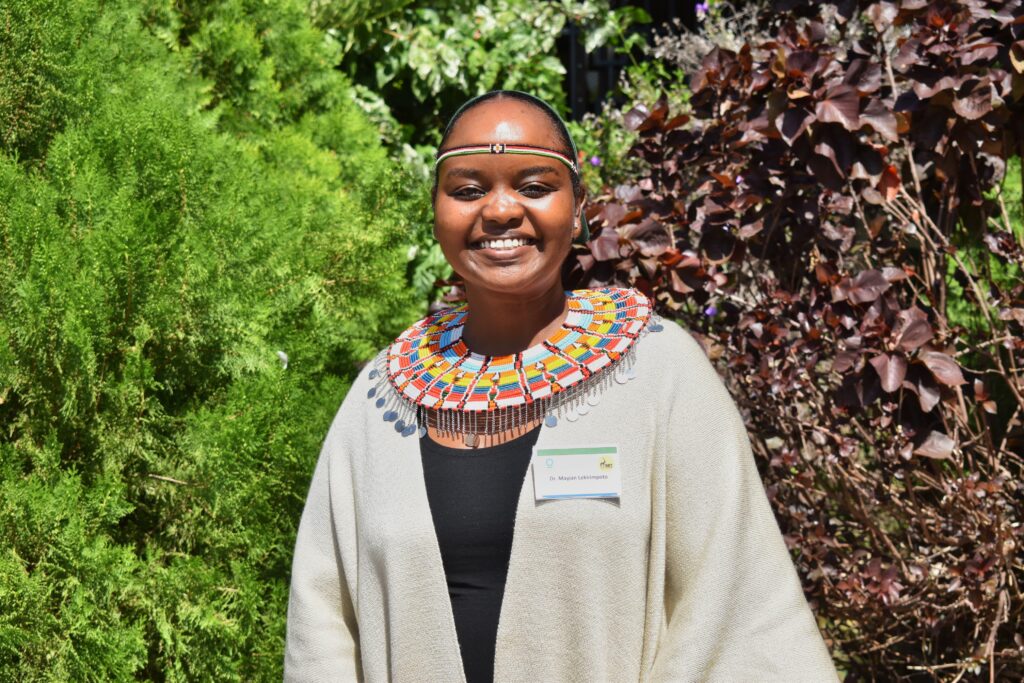
“I envision a Kenya where breast cancer awareness is widespread, screening is accessible at the community level, diagnosis is timely, care pathways are streamlined, and women’s empowerment is integral to health outcomes.”
Dr. Lekirimpoto Mayanai, Director, NARET Kenya
Through NARET’s continued grassroots education, referral networks, and cross-sector collaborations, Dr. Lekirimpoto Mayanai is shaping that reality one community at a time.
Her journey is a reminder that the fight against breast cancer is not just about saving lives, it’s about restoring dignity, voice, and possibility to every woman who dares to hope for better care.
It is inspiring to see doctors like Dr. Lekirimpoto Mayanai stand up for their communities, committed to driving change and advancing women’s health. In her rising, may many more rise, to stand for the people they claim to serve. For it is only through courage, vision, and steadfast dedication at both the community and systemic level that true, lasting change in women’s health can be achieved.

- The Rise of Suicide Posts in Digital Spaces Reflects a Growing Mental Health Crisis - February 22, 2026
- How Kenya’s Silent Lifestyle Disease Crisis Is Reshaping Public Health - February 12, 2026
- The Rise of Lifestyle Diseases Emerges as a Crisis Among Kenya’s Youth - February 9, 2026
