At the heart of Meru County’s growing movement for breast cancer awareness stands Glory Kendi, a Finance and Business Development enthusiast whose commitment to social impact goes beyond boardrooms and balance sheets.
A recent Finance graduate from the University of Nairobi and currently a Presales Executive at Riana Group, Glory blends her professional discipline with a deep passion for advocacy and community well-being. Her involvement in breast cancer awareness initiatives reflects a purposeful drive to educate, empower, and transform lives in a region that continues to face high cancer prevalence.
In this feature, she shares her insights on the journey of raising awareness around breast cancer, the power of community partnerships, and her vision for a more informed and compassionate approach to cancer advocacy across Kenya.
Glory Kendi embodies a rare blend of professional discipline and human-centered advocacy. “I’m in that exciting but also scary stage of starting my career,” she shares “Beyond that, I’ve always been drawn to community work, especially projects that touch on health and young people.”
That passion has since evolved into multiple fronts of advocacy, from mental health awareness and gender-based violence prevention to sexual and reproductive health education. Yet among them all, breast cancer awareness has taken a central place in her heart.
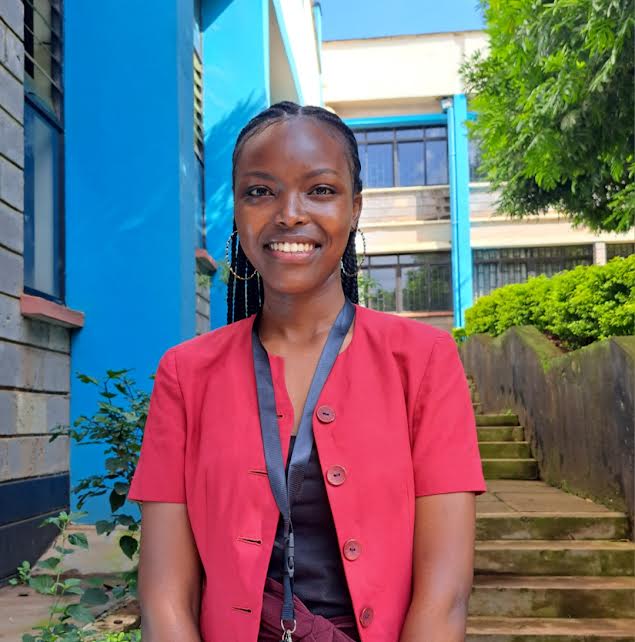
“I’m a mental health advocate, GBV awareness advocate, Sexual & reproductive health champion and most importantly, a Breast Cancer Awareness champion.”
Glory Kendi
Her inspiration, she says, comes from witnessing the silent ripple of pain that cancer leaves behind. “It’s seeing how much cancer has touched the people around me. I’ve seen families broken, dreams paused, and lives cut short.” What she found most unsettling, however, was not just the tragedy itself but the lack of awareness that often surrounds it.
According to the National Cancer Institute of Kenya, breast cancer accounts for about 23.3% of all cancer cases among women, yet, as Glory notes, many still remain unaware that early detection could save lives. “So many people don’t even know they can detect it early,” she emphasizes. “Regular mammograms and self-examinations are crucial for effective treatment.”
Through her advocacy, Glory has set out to bridge this gap, empowering her community with knowledge, compassion, and the courage to take action early.
Igniting Hope in Meru – The Power of Local Action
In October 2024, Glory Kendi and her team at Youth & Power turned awareness into action through a breast cancer awareness event in Meru, a county that continues to battle one of the highest rates of cancer in Kenya. What began as a simple outreach quickly grew into a moment of shared learning, healing, and empowerment. “The event was powerful. People showed up curious but left more informed and confident.”
The sessions brought together survivors, medical experts, and families affected by cancer. Among the most impactful moments, Glory says, were the testimonies of breast cancer warriors who shared their journeys of pain, courage, and survival.
“Their stories were such an eye-opener,” she reflects. “Some women told us it was the first time they learnt how to do a self-exam.” That realization, she adds, underscored the gap between awareness and access, and the deep hunger for information that still exists in many communities. “People are hungry for this information,” she emphasizes. “They just need it in a space that feels safe and relatable.”
But beneath this hope lies the stark reality of Meru’s struggle. The region’s healthcare infrastructure remains stretched, and many residents lack easy access to screening and diagnostic facilities. In a county where cancer often goes undetected until its later stages, the cost of treatment becomes not just a medical issue but a financial crisis.
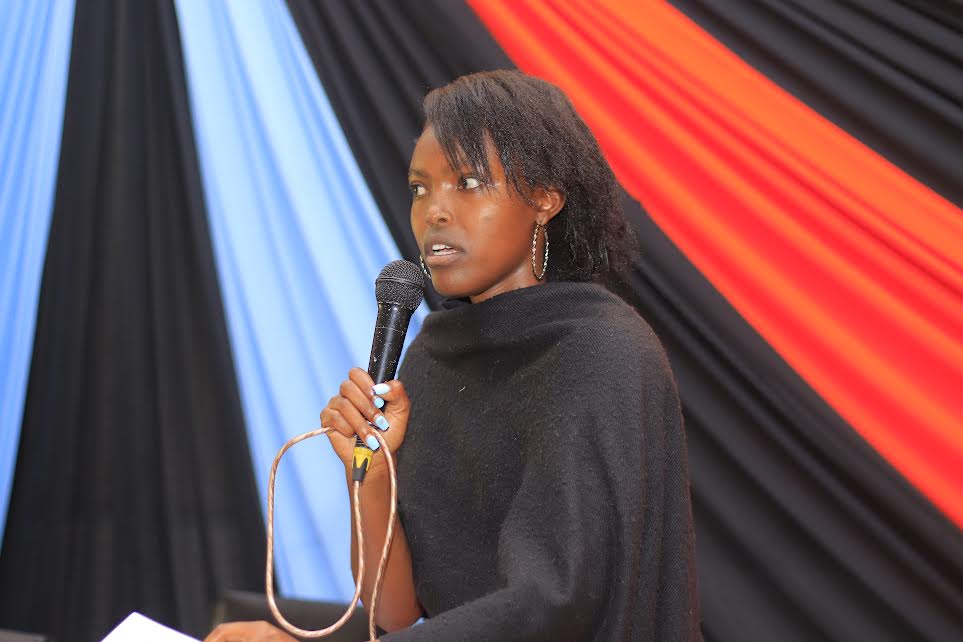
“One major challenge is the lack of accessible screening facilities, especially in rural areas. Most of the residents only seek help when the disease has progressed. The cost of treatment is a heavy burden for many families.”
Glory Kendi
Through her advocacy, Glory continues to challenge these systemic gaps, transforming local action into a broader call for equity, awareness, and early detection across communities.
Collaboration for Greater Impact
For Glory Kendi, meaningful advocacy extends far beyond awareness walks or single-day campaigns, it thrives in collaboration. She believes that true progress in the fight against breast cancer demands a collective approach, where different actors come together to build systems of knowledge, access, and support.
“In Kenya, the focus often leans heavily on treatment,” she notes, “while prevention and early detection don’t get as much attention.” She also points out that men are frequently left out of the breast cancer conversation, even though they, too, can be affected. Beyond that, she emphasizes a gap that rarely makes headlines: “Mental health support for patients and their families is another area that’s often overlooked but urgently needed.”
Why Caregivers of Cancer Patients Need Mental Health Support
According to research, families of individuals living with chronic illnesses like cancer need comprehensive mental health support, as their emotional well-being directly influences the quality of care they provide. Studies have shown that caregivers who lack psychological support are more likely to experience compassion fatigue, depression, and burnout, conditions that can diminish their ability to offer consistent care. Integrating mental health services into cancer care programs therefore becomes essential, ensuring that both patients and their families receive the holistic support needed to cope, heal, and sustain hope through the journey.
A review titled “Caregiving Consequences in Cancer Family Caregivers” highlights the immense emotional strain and psychological burden caregivers often face. Similarly, the study “Cancer Caregiver Fatigue: A High Level of Symptom Burden” emphasizes the high levels of fatigue and emotional exhaustion among caregivers of advanced-stage cancer patients. Complementing these findings, “A Descriptive Study to Assess Compassion Fatigue and Compassion Satisfaction among Caregivers of Patients Undergoing Chemotherapy” reveals that a significant number of caregivers experience compassion fatigue, underscoring the urgent need for mental health support within cancer care systems.
This understanding shaped her partnerships during the Meru breast cancer awareness event, where collaboration became a driving force for impact.
“Working with the Rotary Club of Nkubu, the Mugongo Family, a family of cancer warriors and advocates, and several local hospitals made it possible to bring in medical expertise, resources, and credibility. Partnerships are critical because they build sustainability by combining different strengths toward a shared goal.”
Glory Kendi
She also sees community-based organizations, like Youth & Power, as vital connectors in this ecosystem.
“These organizations are on the ground. They understand the local context and can tailor awareness programs to resonate with specific groups. They also act as a bridge between the government and the community, ensuring that policies and campaigns reach the grassroots level effectively.”
For lasting change, however, Glory Kendi believes the government must strengthen its role in enabling access and awareness. “The government should invest in mobile screening units for rural areas, increase funding for cancer awareness programs, and integrate cancer education into schools and community health forums,” she asserts. She adds that subsidizing treatment costs or introducing flexible payment programs in public hospitals would greatly ease the burden on patients and families. Equally important, she stresses, is the need for government partnerships with community organizations to sustain advocacy programs beyond one-off events.
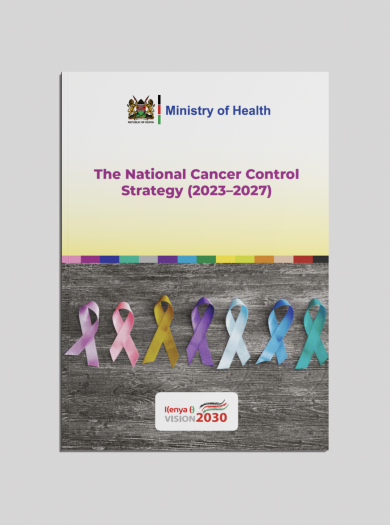
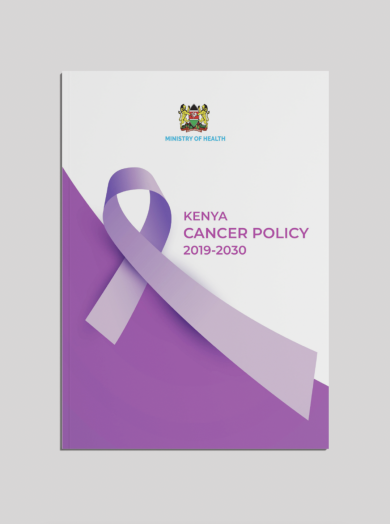
Her reflections echo the sentiments of Patrick Kuria, an oncologist we recently featured in “Patrick Kuria: Msc Oncology Specialist on Integrating Clinical Expertise and Advocacy in Breast Cancer Care“, who described the affordability crisis as “more than just a challenge, it is a systemic fault line.” Despite strong policy commitments outlined in the Kenya Cancer Policy (2019–2030) and the National Cancer Control Strategy (2023–2027), cancer care still receives only about 0.4 percent of Kenya’s health budget, far below what’s needed to make diagnosis and treatment accessible. As Dr. Kuria noted, this chronic underfunding forces many families to shoulder catastrophic out-of-pocket costs for diagnostics, surgery, chemotherapy, and follow-up care, a burden that continues to keep life-saving treatment out of reach for countless Kenyans.
“Subsidizing the cost of treatment or coming up with a treatment payment program that works for cancer patients in public hospitals and partnering more with community organizations to support advocacy programs.”
Glory Kendi
A Vision Beyond the Pink Ribbon
For Glory Kendi, the fight against breast cancer is not just about awareness, it’s about changing the culture around health itself. She believes that the most powerful change begins at home, in the ordinary conversations families have around care, courage, and prevention. “Individuals can start by making self-examinations a regular habit and gently reminding their loved ones to do the same,” she says. “Families can make it easier to talk about health, showing care and standing by those going through treatment.”
In Meru, where faith and community gatherings are at the heart of social life, Glory has witnessed how local spaces can be transformed into platforms for education and support. “Even simple things like holding short talks in churches or local gatherings can go a long way in spreading awareness,” she notes. She highlights the Methodist Church in Kenya (MCK), a dominant faith institution in Meru, for integrating health awareness programs into their annual calendar. “It’s a good step in the right direction,” she affirms that every setting, formal or informal, can play a role in early detection and empowerment.
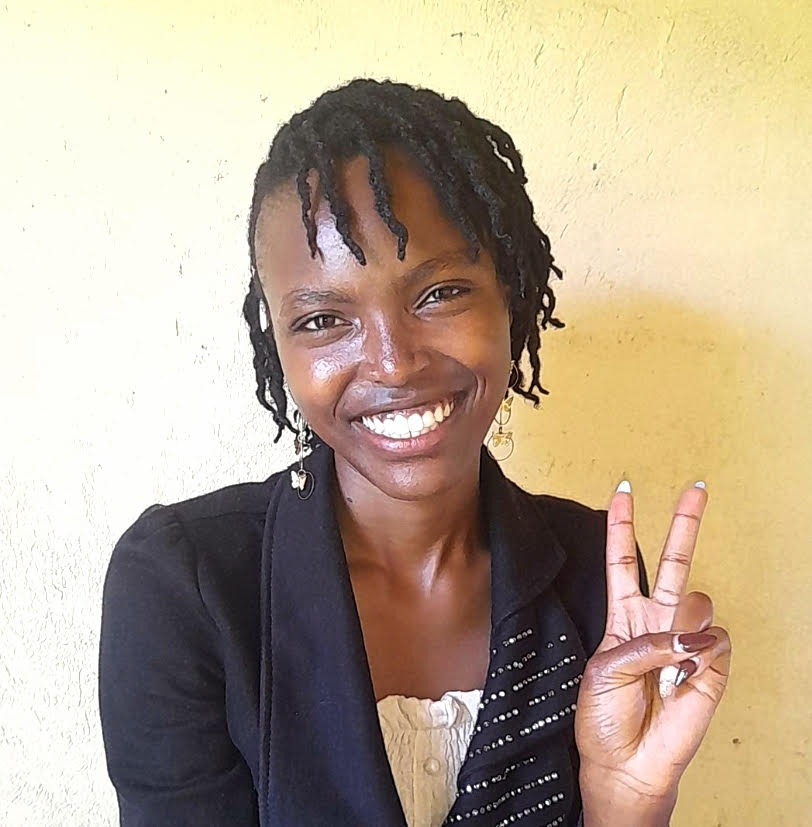
Glory has faced her share of challenges as a young advocate, from limited resources to the emotional toll of witnessing loss.
“One of the biggest challenges I’ve faced is dealing with limited resources, both financial and logistical,” she admits. Organizing outreach events often requires significant coordination, funding, and partnerships that aren’t always easy to secure. Stigma and fear remain constant barriers, too. “Many people are still hesitant to talk about breast cancer or go for screenings because of misconceptions,” she adds. For Glory, the pain of seeing close friends lose their mothers to breast and cervical cancer remains personal. “Those moments stay with me.”
But through every difficulty, she’s found strength in connection. “I’ve learned to work through these challenges by building strong relationships with local hospitals and community-based organizations like Youth & Power, who have been instrumental in offering support,” she shares. “I’ve also learned the power of persistence. Even small steps, like one-on-one conversations or school talks, can make a huge difference. It’s not always easy, but every story shared and every person reached keeps me motivated.”
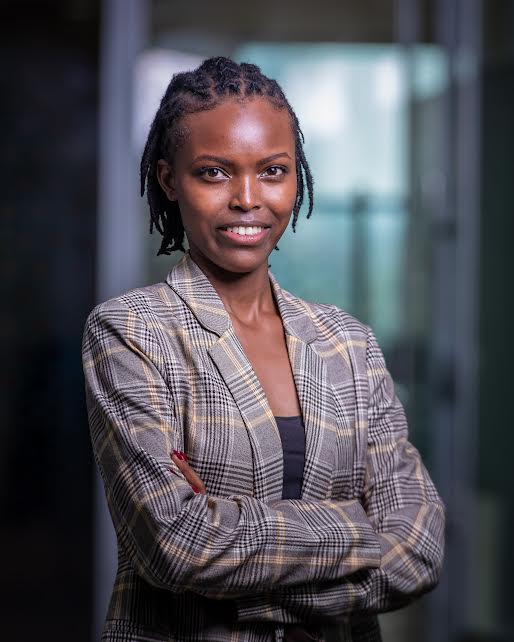
Looking ahead, Glory is determined to grow her advocacy.
“This year, I hope to expand awareness campaigns to more schools and churches in Meru. I also plan to establish stronger partnerships with health institutions to make screening more accessible. My dream in the long-run is to start an annual “Pink October Run/Walk” in Meru, to unite the community in this cause.”
Glory Kendi
Her vision stretches far beyond county lines. “My dream is a future where conversations about breast cancer feel normal and early detection becomes something we all do naturally,” she reflects. “I hope treatment can be affordable and within everyone’s reach, no matter where they come from.” And beyond Kenya, she dreams of a movement powered by youth, a generation that dares to make awareness universal. “I believe cancer is a fight we can only win together,” she concludes, a reminder that in every corner of the country, hope begins when someone decides to act.
It’s inspiring to see breast cancer awareness champions like Glory Kendi spark such meaningful conversations. As she reminds us, we all have a role to play, and the question is not how, but when we will step up. In her rising, may many more rise too, because as she firmly believes, cancer is a fight we can only win together.

- The Rise of Suicide Posts in Digital Spaces Reflects a Growing Mental Health Crisis - February 22, 2026
- How Kenya’s Silent Lifestyle Disease Crisis Is Reshaping Public Health - February 12, 2026
- The Rise of Lifestyle Diseases Emerges as a Crisis Among Kenya’s Youth - February 9, 2026